
In a world defined by constant notifications and endless to-do lists, the idea of sitting in silence can feel counterintuitive perhaps even impossible. However, the science of meditation has evolved rapidly over the last two decades. We now know that meditation is not just a spiritual practice; it is a biological intervention.
You might wonder, does meditation work if you only have a few moments to spare? The answer is a resounding yes. You don’t need to retreat to a mountain cave to experience the profound meditation benefits for brain health.
Research into neuroplasticity and meditation reveals that even a short, consistent practice—as little as ten minutes—can physically alter the structure of your brain, changing how you think, feel, and react to the world. Here is a deep dive into how meditation changes the brain from the very first session.
The Immediate Shift: From Beta to Alpha Brain Waves
When you are rushing through your day, managing deadlines, and multitasking, your brain is primarily operating in Beta waves. These are high-frequency waves associated with active thinking, problem-solving, and anxiety. While necessary, staying in this state permanently leads to burnout and brain fog.
The moment you close your eyes for a 10 minute meditation, your brain begins to slow down.
Alpha Brain Waves: Within minutes of deep breathing, your brain shifts into an alpha brain wave state. This is a state of wakeful rest. It is the sweet spot where you are alert but calm. This shift is responsible for the immediate feeling of mental clarity and quick stress relief.
Theta Waves: If you get deep enough, even in a short session, you may touch upon Theta waves—the gateway to creativity and deep learning.
This electrical shift explains why short meditation benefits are often felt immediately after opening your eyes. You haven't just "rested"; you have changed the electrical frequency of your mind.
The Anatomy of Change: Rewiring Your Gray Matter
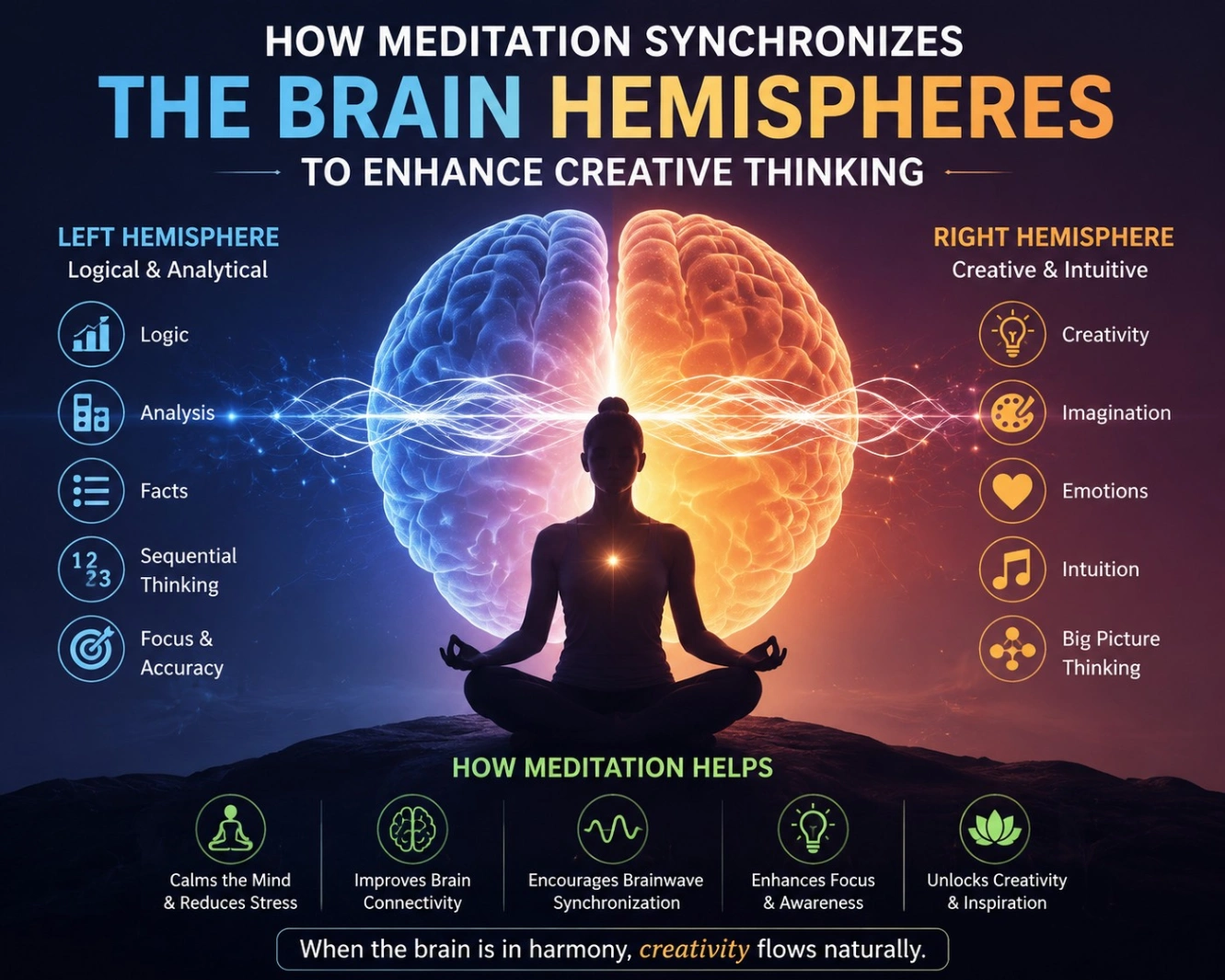
The most fascinating aspect of mindfulness and brain health is that the brain is plastic; it can change its shape. This is called neuroplasticity. When you practice mindfulness for focus or relaxation daily, you are engaging in a workout for your brain.
Here is what happens to specific areas of your brain during and after those 10 minutes:
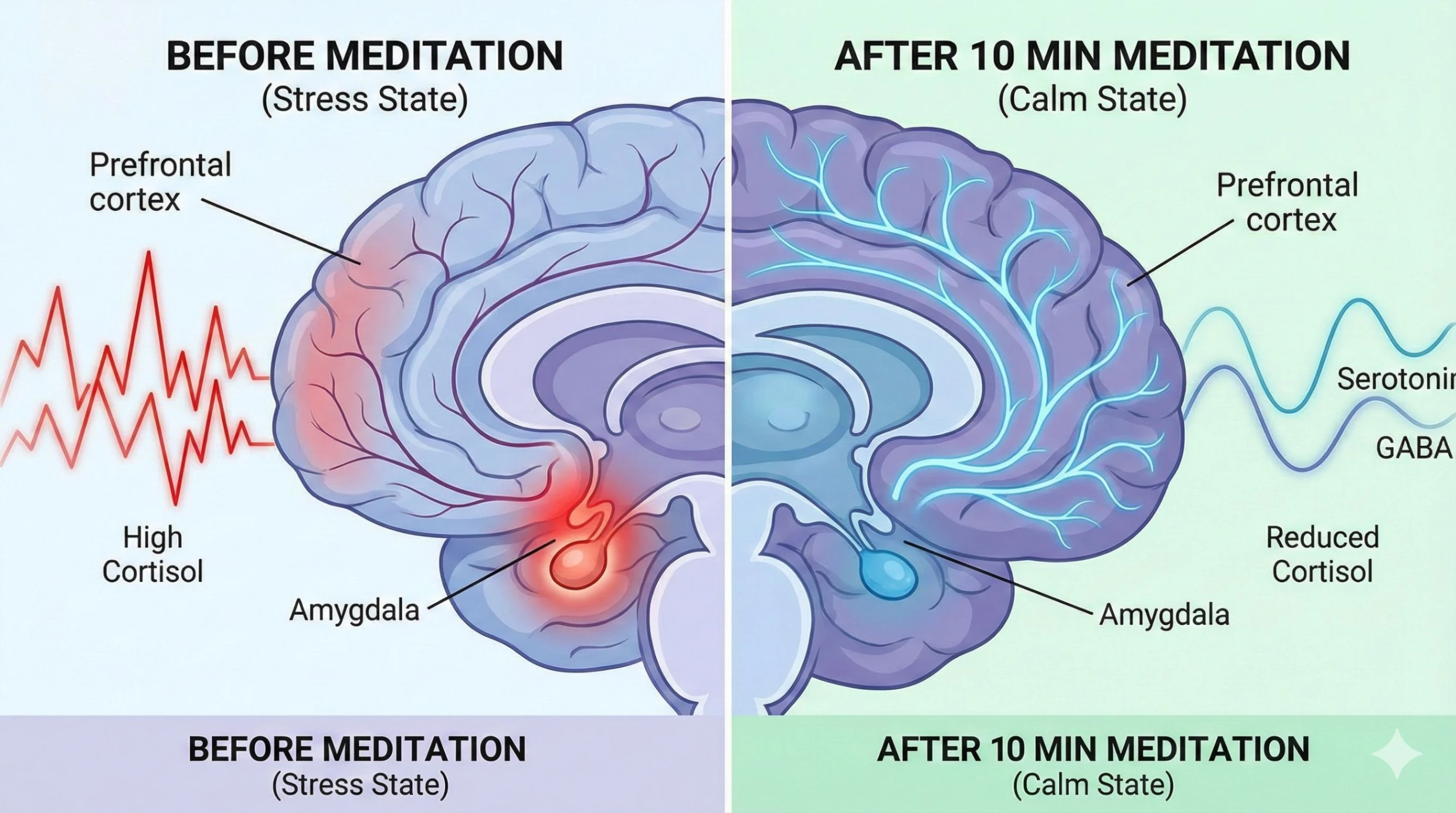
1. The Prefrontal Cortex (The CEO of the Brain)
The Prefrontal Cortex (PFC) is responsible for decision-making, focus, and impulse control. As we age, the cortex naturally thins, leading to cognitive decline. However, studies show that long-term meditators maintain the thickness of this region.
The Benefit: Prefrontal cortex meditation activation strengthens your executive function. This means you become better at planning, concentrating, and ignoring distractions.
2. The Amygdala (The Fire Alarm)
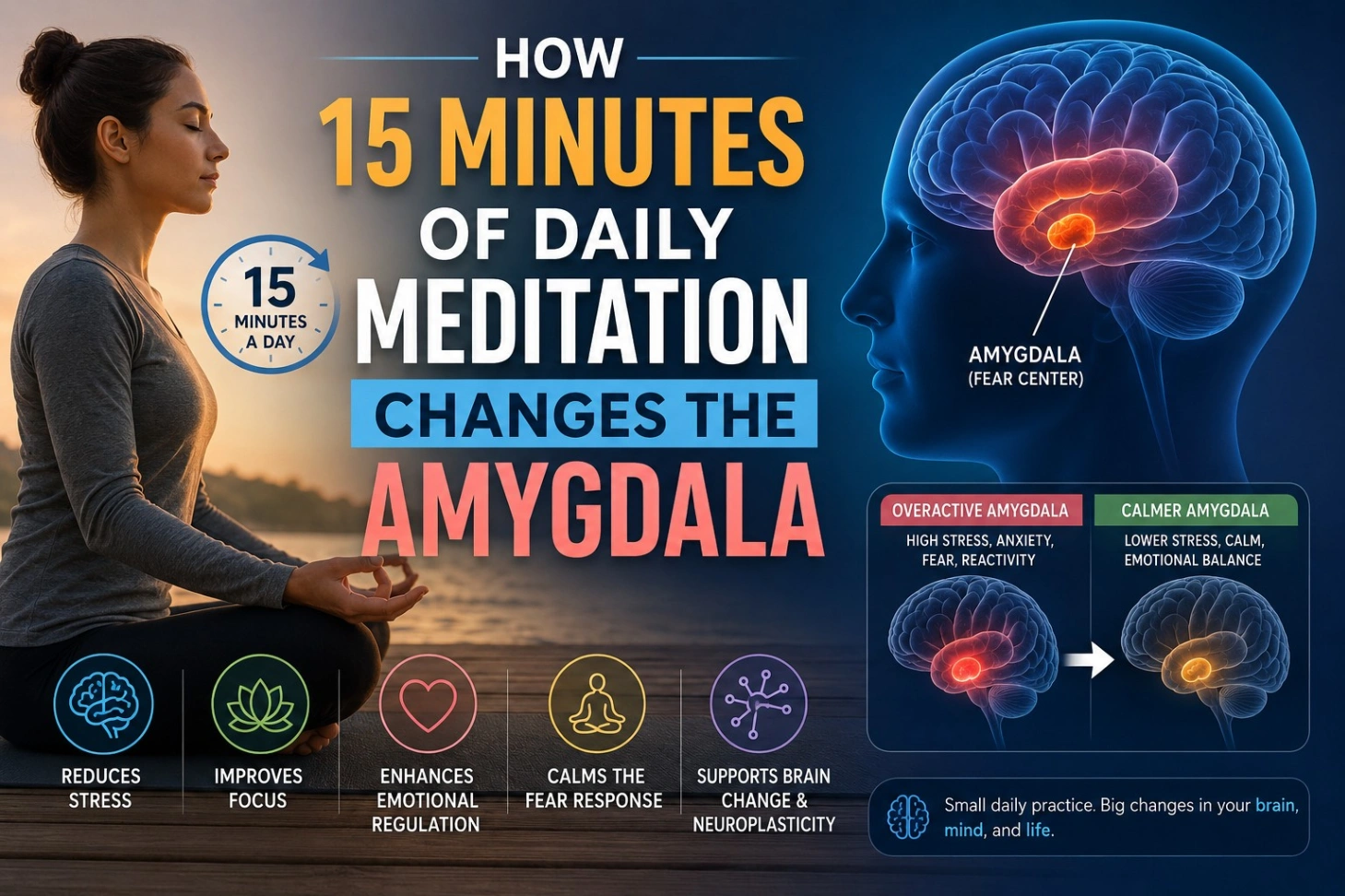
The Amygdala is the brain's "fight or flight" center. It is responsible for fear, stress, and emotional reactions. In chronic stress sufferers, the amygdala is enlarged and hypersensitive.
The Benefit: One of the most critical effects of meditation on the brain is the shrinking of the amygdala. Amygdala and meditation have an inverse relationship; as you meditate, the connection between the amygdala and the rest of the brain weakens. This literally makes your brain less reactive to stress triggers.
3. The Hippocampus (The Memory Center)
The Hippocampus governs learning and memory. Cortisol (the stress hormone) is toxic to the hippocampus.
The Benefit: By lowering stress, meditation protects the hippocampus. Studies suggest that benefits of meditating daily include increased gray matter density in this area, improving memory retention and emotional regulation.
Note on Neuroplasticity: Think of your brain like a hiking trail. If you always walk the path of anxiety (worrying), that path becomes a highway. Neuroplasticity and meditation allow you to forge a new path of calmness. Over time, the anxiety path grows over with grass, and the calm path becomes the new highway.
The Chemical Bath: Meditation Neurotransmitters
Beyond structure and electricity, meditation changes the chemical soup inside your skull. It acts as a natural pharmacy, releasing specific meditation neurotransmitters that regulate mood and health.
Serotonin: Often low in those with depression, serotonin stabilizes mood. Meditation boosts serotonin levels, acting as a natural mood elevator.
GABA (Gamma-aminobutyric acid): This is the brain's primary inhibitory neurotransmitter; it puts the brakes on anxiety. Meditation for stress and anxiety is effective largely because it boosts GABA, calming the nervous system.
Cortisol Reduction: Perhaps the most significant physical change is cortisol reduction. Cortisol is the stress hormone that causes inflammation and weight gain. Meditation significantly lowers blood cortisol levels, providing brain fog relief and boosting the immune system.
Why 10 Minutes is the Magic Number
Many beginners fall into the trap of thinking they need to sit for an hour to see results. This often leads to quitting. The truth is, consistency beats intensity.
10 minute meditation benefits are rooted in habit formation. It is short enough to fit into any schedule but long enough to trigger the relaxation response.
Sustainable Habit: It is easier to commit to 10 minutes than 60.
Cumulative Effect: The benefits of meditating daily compound. 10 minutes a day for a week is far better for your brain than 70 minutes once a week.
Reset Button: A short session acts as a system reboot, clearing the cache of your working memory and allowing you to return to work with mental clarity.
Meditation for Beginners: How to Start Today
If you are looking for meditation for beginners, keep it simple. You don't need incense or a mantra. You just need your breath.
Find a Quiet Spot: Sit comfortably with your back straight.
Set a Timer: 10 minutes.
Focus on the Breath: Observe the sensation of air entering your nose and filling your lungs.
Notice the Wander: Your mind will wander. This is normal. The "muscle" of meditation is built not by having a blank mind, but by noticing when it wanders and gently bringing it back.
Guided Options: If silence is too difficult, try guided meditation for brain power or quick stress relief apps.
The question isn't just "does it relax you?" but rather "how does it upgrade you?" The effects of meditation on the brain are measurable, visible on MRI scans, and deeply impactful on your quality of life.
By dedicating just 10 minutes a day, you are utilizing cortisol reduction techniques, thickening your prefrontal cortex, and quieting your amygdala. You are not just thinking better; you are building a better brain.
Whether you are seeking meditation for mental health, better focus, or just a moment of peace, the science is clear: the transformation begins with the first deep breath.
Frequently Asked Questions (FAQ)
1. Does meditation really work for skepticism?
Yes. Meditation science is no longer anecdotal. Thousands of peer-reviewed studies using fMRI and EEG technology confirm that meditation changes blood flow, brain wave patterns, and gray matter density in the brain.
2. Is 10 minutes of meditation really enough?
Absolutely. While longer sessions have benefits, 10 minute meditation benefits include reduced heart rate, lowered blood pressure, and a shift in brain waves. The key is doing it daily to harness neuroplasticity.
3. Can meditation replace sleep?
No, but it can improve it. Alpha brain waves achieved during meditation mimic the early stages of the sleep cycle, providing deep rest. However, your brain needs REM sleep for different biological cleanup processes.
4. How long does it take to see the benefits of meditating daily?
You may feel quick stress relief after one session. However, structural changes (like increased gray matter) typically require about 8 weeks of consistent practice, according to Harvard research.
5. What if I can't stop thinking while meditating?
That is a common misconception. Mindfulness for focus isn't about stopping thoughts; it's about noticing them without judgment and returning to the breath. Every time you return to the breath, you are doing a "bicep curl" for your brain.
6. Is guided meditation as good as silent meditation?
For beginners, guided meditation for brain power is often better. It provides a roadmap for the mind, preventing you from getting lost in rumination or to-do lists.