
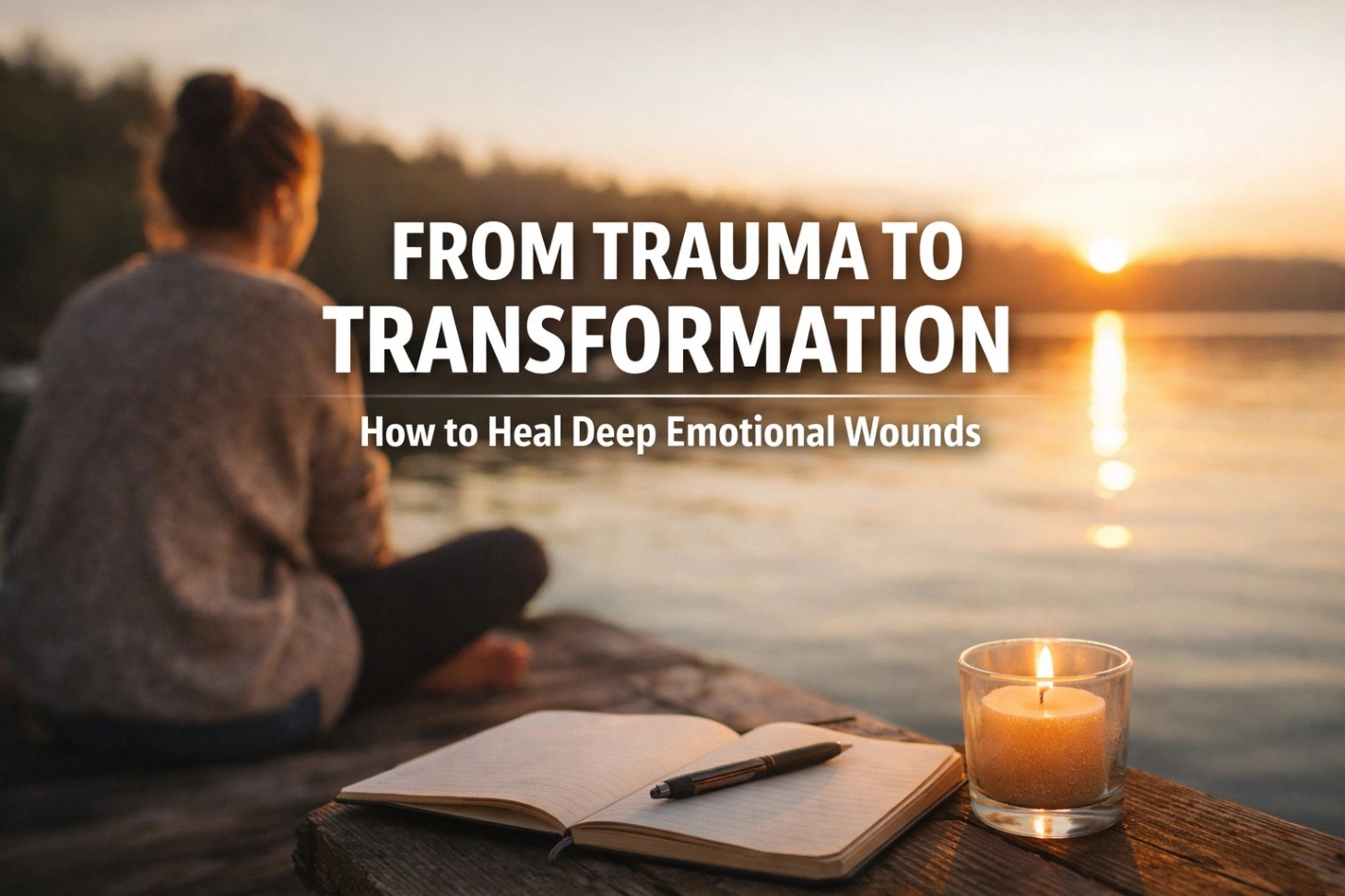
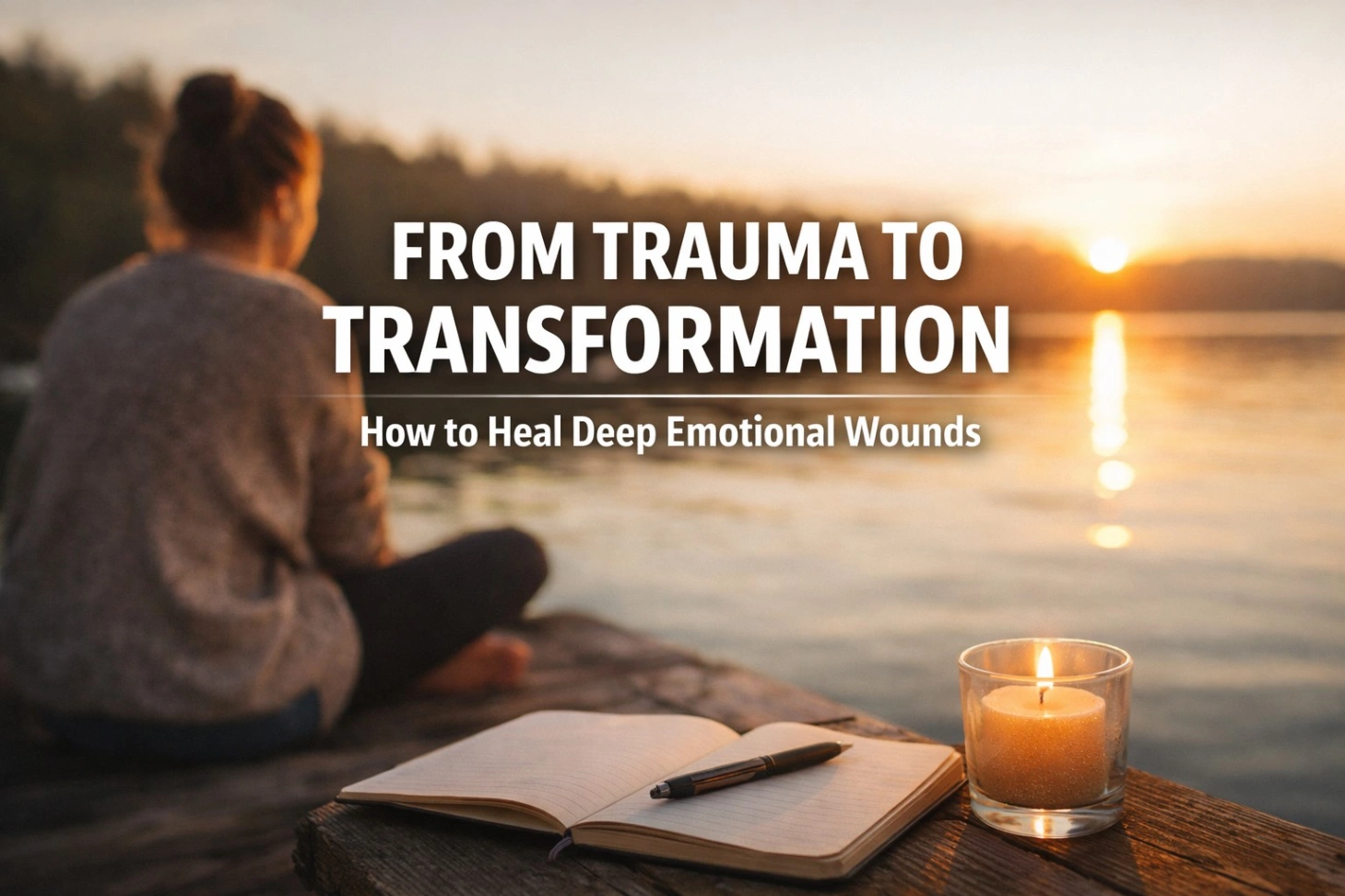
Trauma healing is not just about forgetting the past, it’s about transforming how it lives within you. Many people carry emotional pain silently, wondering why they feel stuck, triggered, or disconnected. If you’ve been searching for ways to begin emotional trauma healing, you’re not alone. Healing deep emotional wounds is a journey that requires awareness, patience, and the right tools.
Whether it’s childhood trauma, relationship wounds, or unresolved emotional pain, trauma can shape your thoughts, behaviors, and even your body. But the truth is that you can heal. And more importantly, you can transform your pain into power.
What Is Emotional Trauma?
Emotional trauma is the psychological response to distressing or overwhelming experiences. It doesn’t always come from one big event. Sometimes, it builds slowly through neglect, rejection, or repeated emotional hurt.
Trauma affects mental health deeply. It can show up as anxiety, overthinking, emotional numbness, or even physical fatigue. Understanding trauma symptoms in adults is the first step toward healing.
Personal Session with Sakshi Shree
For deeper guidance, you can book a personal session with Sakshi Shree to work through emotional blocks, gain clarity, and accelerate your healing journey.
Book NowSigns of Unhealed Trauma
You may not always realize that what you’re experiencing is trauma. Here are some common signs of unhealed trauma:
You feel emotionally numb or disconnected
You get triggered easily over small things
You struggle with overthinking or anxiety
You feel stuck in life or unable to move forward
You repeat unhealthy relationship patterns
If you’ve ever asked yourself, “Why do I feel emotionally numb?” or “Why can’t I move on from the past?”, these could be signs your emotional wounds need attention.
How Trauma Affects Your Mind and Body
Trauma doesn’t just stay in your memories, it lives in your body too. Research and experience both show that trauma can be stored physically, leading to tension, fatigue, or even chronic stress.
The effects of trauma on the brain include heightened fear response, difficulty regulating emotions, and constant alertness. This is why healing trauma is not just mental, it’s emotional and physical as well.
The Trauma Recovery Process
Healing trauma is not linear. Some days you feel better, and some days old emotions resurface. That’s normal.
The trauma recovery process typically includes:
Awareness – Recognizing your emotional patterns
Acceptance – Acknowledging your pain without judgment
Release – Letting go of stored emotional energy
Integration – Creating new, healthier patterns
You don’t need to rush this journey. Healing happens in layers.

How to Heal Emotional Trauma (Step-by-Step)
1. Build Awareness
Healing begins when you start noticing your thoughts, triggers, and reactions. Ask yourself: What am I really feeling?
2. Feel, Don’t Suppress
Many of us were taught to ignore pain. But emotional healing happens when you allow yourself to feel without resistance.
3. Release Stored Trauma
Trauma stored in the body can be released through breathwork, movement, journaling, or meditation.
4. Practice Mindfulness
Mindfulness helps you stay present instead of reliving past pain. Even 10 minutes a day can make a difference.
5. Reconnect With Yourself
Healing trauma is also about reconnecting with your inner self and your true identity beyond pain.
Healing Trauma Naturally at Home
If you’re wondering how to heal trauma without therapy, here are some effective ways:
Journaling for trauma healing – Write your thoughts without filtering
Meditation and breathwork – Calms the nervous system
Body movement – Yoga or walking helps release emotional energy
Mindfulness practices – Reduce overthinking and anxiety
Healthy routines – Sleep, nutrition, and consistency support healing
These simple practices can help you start healing emotional trauma naturally.
Inner Child Healing and Emotional Wounds
Many deep emotional wounds come from childhood. Inner child healing helps you reconnect with the younger version of yourself who experienced pain.
When you heal your inner child, you stop reacting from old wounds and start responding with awareness.

Trauma and Relationships
Unhealed trauma often affects relationships. It can cause fear of abandonment, trust issues, or emotional dependency.
Understanding how trauma affects relationships is crucial. When you heal yourself, your relationships also begin to transform.
Spiritual Perspective: Trauma as Stored Energy
From a spiritual lens, trauma is often seen as stored emotional energy. Healing trauma through awareness allows this energy to be released and transformed.
Many people experience trauma and spiritual awakening together. Pain becomes a doorway to deeper self-awareness.
When you reconnect with your inner self after trauma, you begin to feel grounded, peaceful, and aligned again.

How to Know If You Are Healing
Healing doesn’t always feel like progress. But here are signs you are healing from trauma:
You react less and respond more
You feel more present and aware
You set better boundaries
You feel lighter emotionally
You start choosing yourself
Even small changes are powerful indicators of growth.
Healing deep emotional wounds is one of the most courageous journeys you can take. It’s not about becoming someone new, it’s about returning to who you truly are.
From trauma to transformation, every step you take brings you closer to inner peace, clarity, and emotional freedom.
You are not broken. You are healing.
Design Your Destiny
If you’re ready to go deeper into your self-healing journey, Design Your Destiny is a powerful program that helps you understand your mind, break patterns, and create a life aligned with your true self.
Start your transformation journey today.