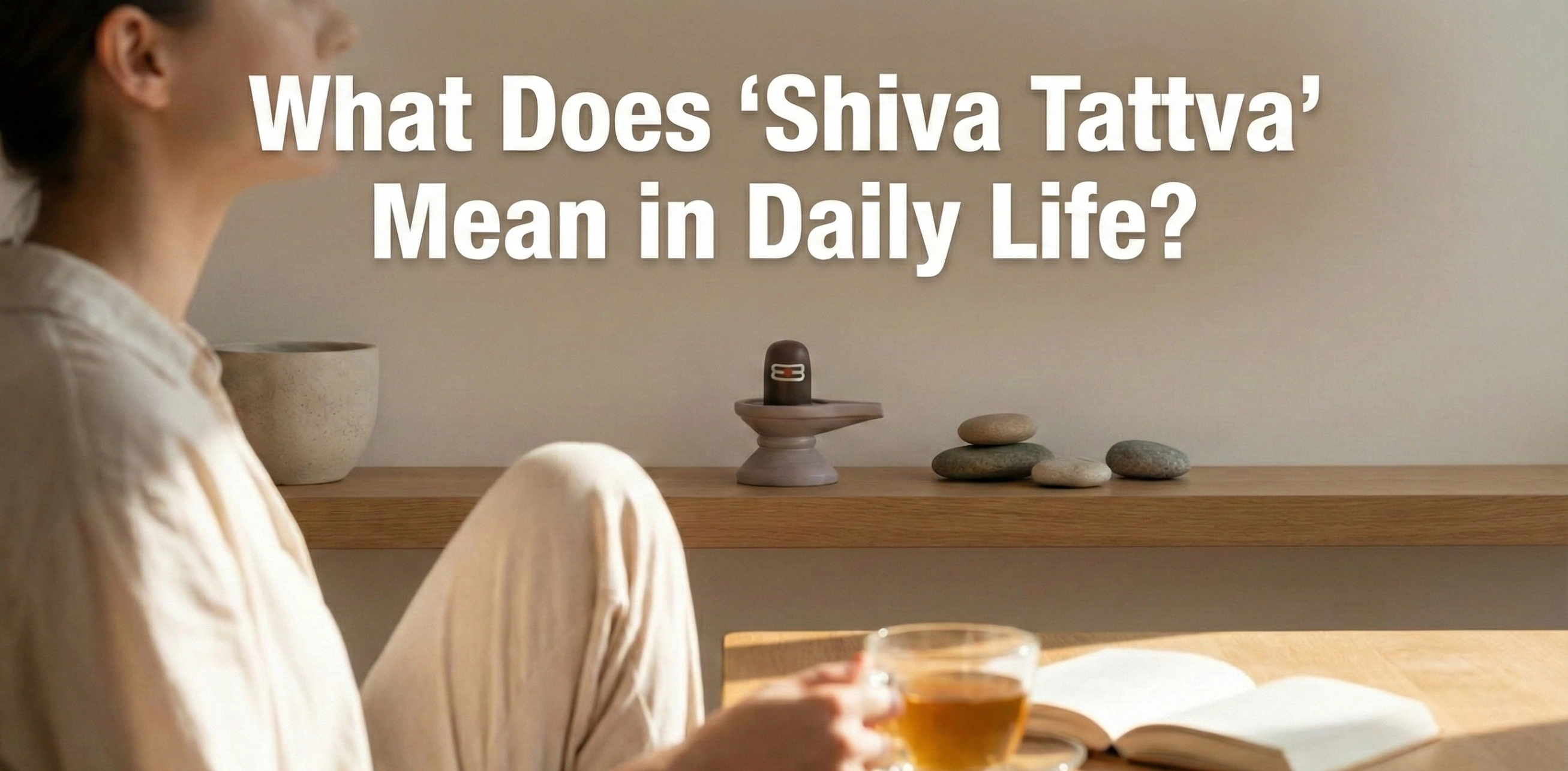
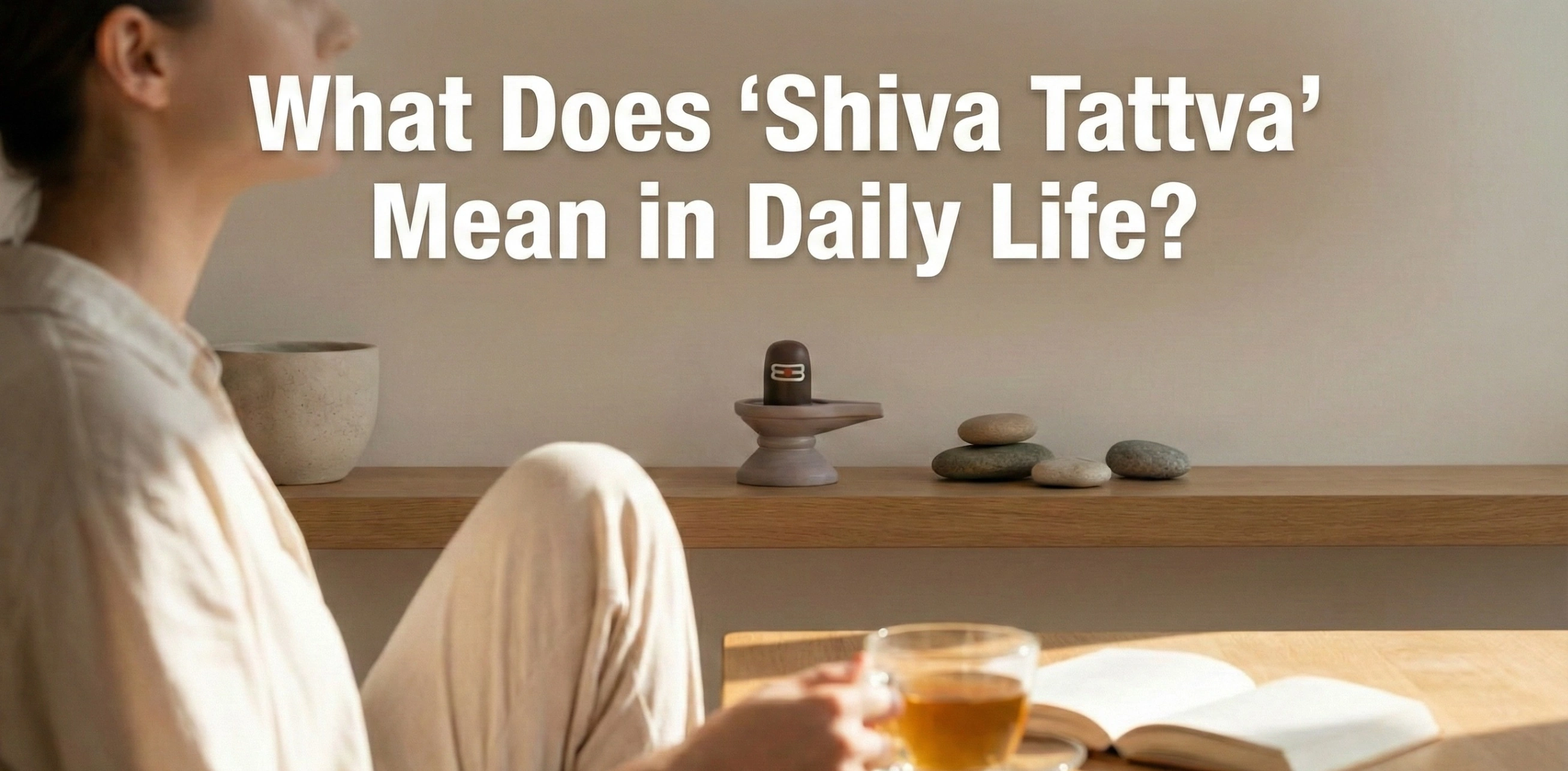
In a world full of constant noise, pressure, and emotional overload, many people are turning inward, searching for something steady and grounding. This is where shiva tattva meaning becomes deeply relevant. When we ask what is shiva tattva or explore shiva tattva in daily life, we are not talking about rituals or religion alone; we are talking about a way of being. Shiva Tattva points to stillness, awareness, detachment, and inner clarity qualities that are not meant to stay confined to temples or meditation cushions, but to be lived every single day.
Shiva Tattva is not about becoming someone else. It is about remembering what already exists beneath the layers of stress, ego, and constant doing.
What Is Shiva Tattva?
To understand shiva tattva explained in simple words, “tattva” means principle or fundamental truth. Shiva Tattva, therefore, refers to the principle of pure consciousness; the silent, unmoving awareness that observes everything but is not disturbed by anything.
In Hindu philosophy, Shiva is not merely a deity with form. Shiva represents consciousness itself; unchanging, limitless, and formless. When scriptures speak of Shiva Tattva, they are pointing to the state of awareness that exists before thought, emotion, or identity arises.
This is why many seekers ask about the shiva consciousness meaning. It is the awareness that watches your thoughts without getting entangled in them. It is presence without judgment.
Shiva Tattva Meaning in Simple Words
If we strip away all complexity, the meaning of shiva tattva can be summed up in one idea:
Be aware, but not attached.
Shiva Tattva is:
Silence amidst chaos
Stillness within movement
Awareness without reaction
It does not ask you to renounce life. It asks you to participate fully without losing yourself.
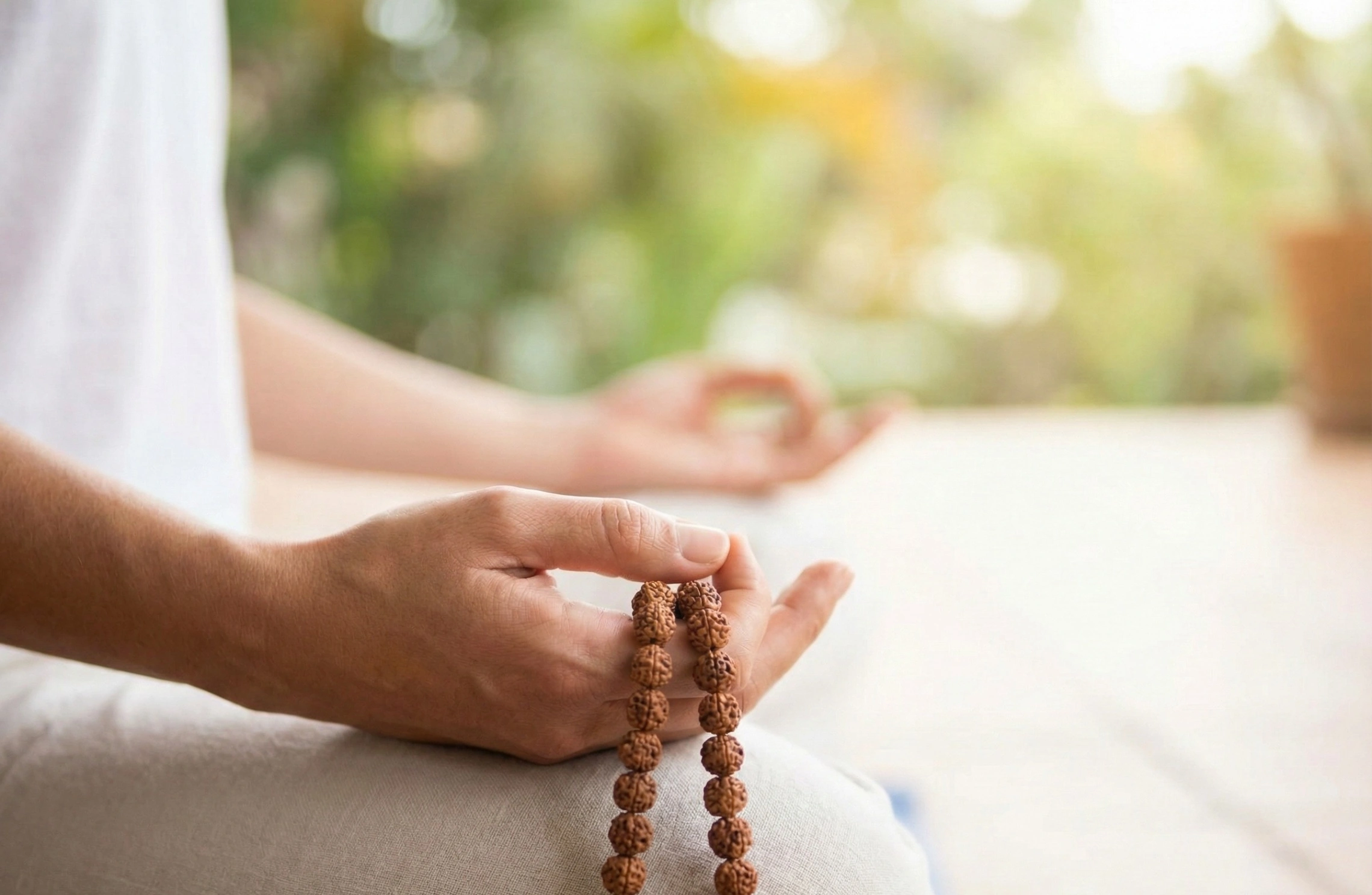
Shiva Tattva in Daily Life: Why It Matters Today
Modern life is fast, overstimulated, and emotionally draining. Stress, anxiety, overthinking, and constant comparison dominate our mental space. This is why shiva tattva for modern life has become so important.
Practicing Shiva Tattva in daily life means:
Responding instead of reacting
Observing emotions instead of suppressing them
Staying grounded even when situations feel overwhelming
This is not spiritual escapism. It is practical wisdom for living well.
How Shiva Tattva Shows Up in Everyday Actions
Many people assume spirituality must look dramatic. In reality, shiva tattva in everyday actions is subtle and deeply practical.
You are practicing Shiva Tattva when:
You pause before reacting in anger
You listen without needing to interrupt or prove a point
You stay calm while others panic
You accept outcomes without excessive emotional turbulence
This is the practical meaning of shiva tattva; Inner stability in outer instability.
Shiva Tattva and Inner Stillness
One of the most powerful aspects of Shiva Tattva is inner stillness. Stillness does not mean inactivity. It means your inner world is not constantly shaken by external events.
When you cultivate shiva tattva and inner stillness, you begin to notice:
Thoughts come and go, but you remain steady
Emotions arise, but they do not consume you
Situations change, but your center remains intact
This stillness becomes your anchor in daily life.
Shiva Tattva and Detachment: Not Indifference
Detachment is often misunderstood. Shiva tattva and detachment does not mean apathy or emotional coldness. It means not clinging.
You care, but you do not cling.
You love, but you do not possess.
You act, but you do not obsess over outcomes.
This is why Shiva is often depicted as a detached yogi fully present, yet inwardly free.
Shiva Tattva and Awareness
At its core, Shiva Tattva is pure awareness. The more aware you are, the less controlled you become by unconscious patterns.
Practicing shiva tattva and awareness means:
Watching your thoughts instead of believing all of them
Noticing emotional triggers without immediately acting on them
Becoming conscious of habits, reactions, and inner dialogue
Awareness itself becomes transformative.
Shiva Tattva and Ego Dissolution
One of the deepest teachings of Shiva Tattva is ego dissolution. Ego is the identity that constantly seeks validation, control, and superiority.
When Shiva Tattva is lived:
The need to always be right softens
Comparison loses its grip
Identity becomes flexible rather than rigid
This is not self-negation; it is self-expansion.
Shiva Tattva in Hindu Philosophy and Yoga
In shiva tattva in hindu philosophy, Shiva represents the unchanging witness, while Shakti represents dynamic energy. This is why discussions around shiva tattva vs shakti tattva are important; one is consciousness, the other is movement.
Yoga philosophy also speaks deeply of shiva tattva in yoga philosophy, where liberation comes not from action alone, but from awareness behind action.
Advaita philosophy echoes this through shiva tattva and advaita, pointing toward non-dual awareness where observer and observed merge.
Is Shiva Tattva Only Spiritual or Practical?
A common question is: Is Shiva Tattva only spiritual or practical?
The answer is both.
Shiva Tattva becomes spiritual when practiced inwardly.
It becomes practical when lived outwardly.
It influences:
How you handle stress
How you navigate relationships
How you respond to success and failure
This is why shiva tattva in stressful life is especially relevant today.

How to Practice Shiva Tattva Daily
If you are wondering how to practice shiva tattva daily, start small.
Pause before reacting
Observe your breath during emotional moments
Spend a few minutes daily in silent awareness
Let go of the need to control everything
These simple practices slowly shift your inner state.
Shiva Tattva for Mental Clarity and Peace
With regular awareness, shiva tattva and mental clarity naturally emerge. The mind becomes less cluttered, less reactive, and more spacious.
Peace does not come from fixing everything outside.
It comes from changing your relationship with what arises inside.
This is why people describe Shiva Tattva as timeless wisdom for modern chaos.
Shiva Tattva Beyond Religion
Perhaps the most beautiful aspect is shiva tattva beyond religion. You do not need to identify as spiritual, religious, or philosophical to live it.
It is a universal principle of conscious living available to anyone willing to observe rather than react.
Why Is Shiva Tattva Important Today?
In a fragmented world, Shiva Tattva offers integration.
In a noisy world, it offers silence.
In a reactive world, it offers awareness.
This is why shiva tattva lessons for life continue to resonate across generations.
To live Shiva Tattva is not to escape life, but to meet life fully present. It is the art of being rooted within while everything around you shifts. When Shiva Tattva becomes part of your daily life, peace stops being a concept and starts becoming an experience.
/Shiva Tattva is lived daily, but Maha Shivaratri is the night to consciously align with it.
Discover how this sacred night amplifies awareness, stillness, and transformation.
👉 Maha Shivaratri 2026: Date, Significance, Puja Vidhi & Fasting Rules