
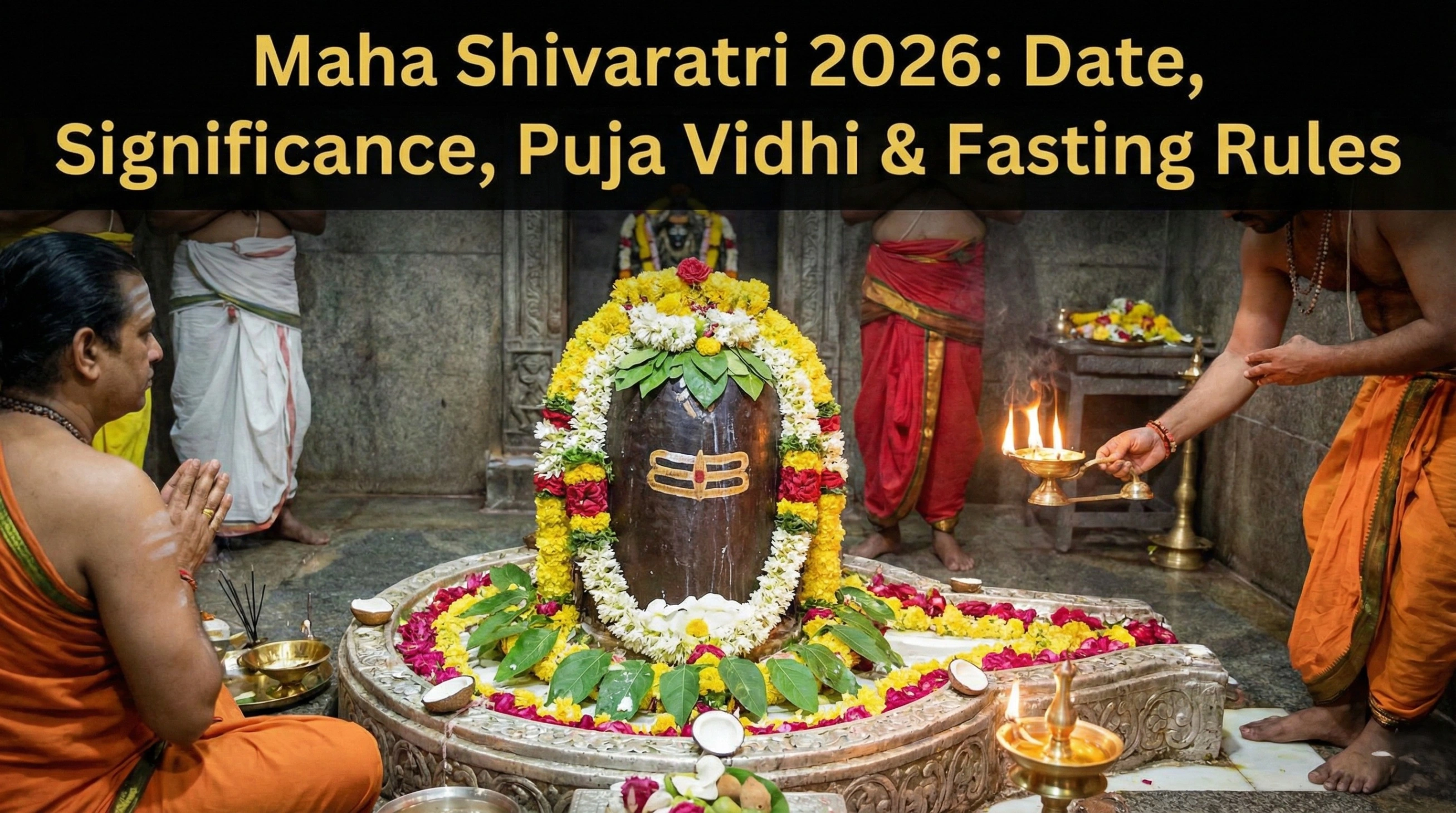
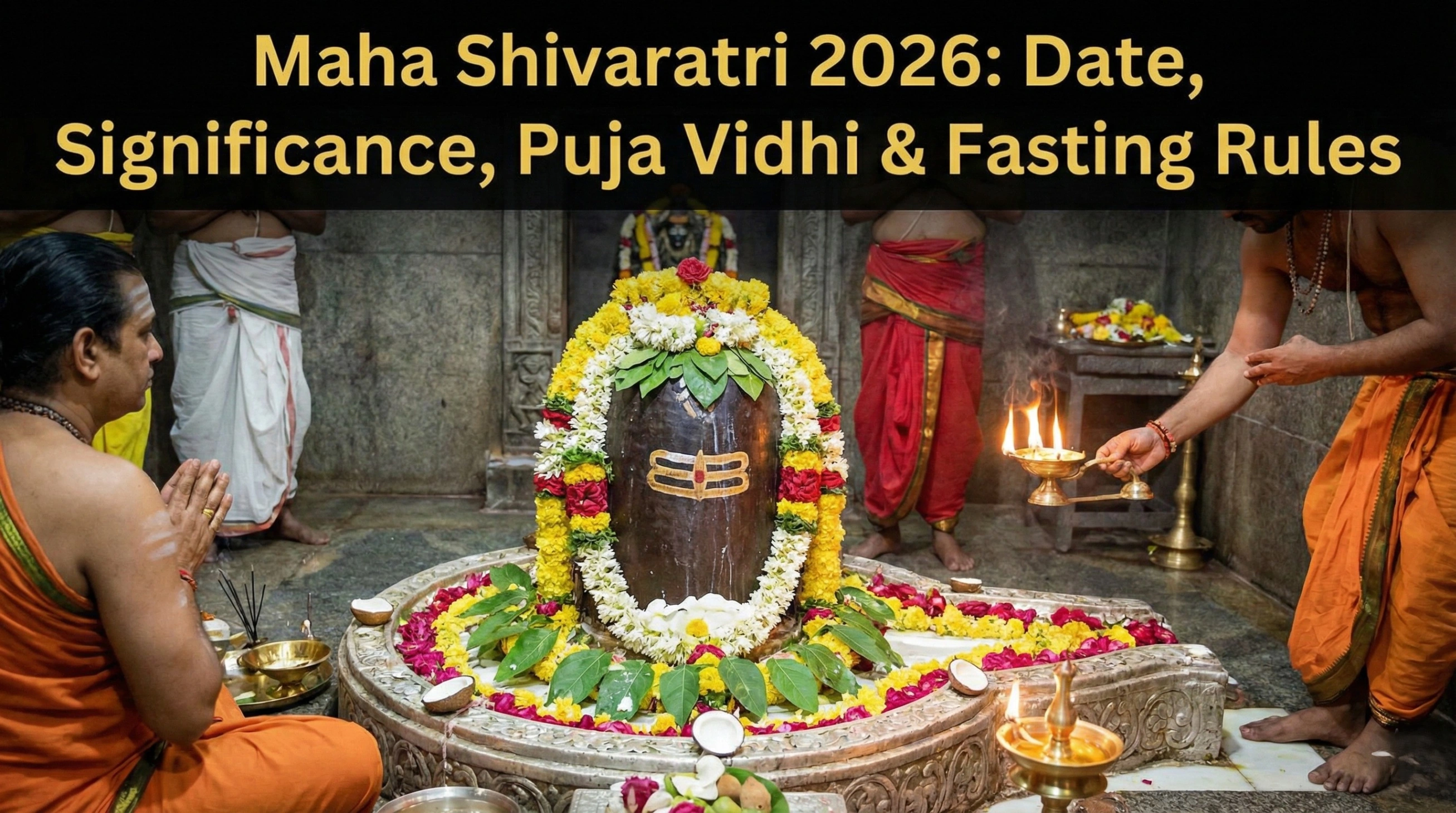
Maha Shivaratri 2026 is one of the most sacred nights in Hindu spirituality, dedicated to Lord Shiva; the symbol of consciousness, transformation, and divine stillness. Observed with fasting, night-long worship, and deep spiritual intent, this festival holds immense significance for devotees seeking inner purification and grace.
Unlike other festivals that are celebrated with grandeur and festivities, Maha Shivaratri is about silence, surrender, and spiritual awakening. Let us explore the exact date of Maha Shivaratri 2026, its spiritual meaning, puja vidhi, and fasting rules, so you can observe this powerful night with clarity and devotion.
Maha Shivaratri 2026 Date & Timing
Maha Shivaratri is observed annually on the Chaturdashi Tithi of Krishna Paksha in the month of Phalguna.
Maha Shivaratri 2026 Date: February 15, 2026 (Sunday)
Nishita Kaal Puja Time: Midnight hours (exact timing depends on local Panchang)
Devotees often search for “Shivaratri kab hai 2026” or “Mahashivratri 2026 date and time”, especially to perform rituals during Nishita Kaal, which is considered the most auspicious time to worship Lord Shiva.
Spiritual Significance of Maha Shivaratri
The significance of Maha Shivaratri goes far beyond ritual worship. Spiritually, it represents the union of Shiva and Shakti, consciousness and energy.
According to ancient scriptures:
It is believed to be the night when Lord Shiva performed the Tandava
It marks the moment of cosmic balance and stillness
Yogic traditions consider this night ideal for inner awakening and meditation
Maha Shivaratri reminds us that true devotion is not external celebration, but inner alignment with truth, silence, and awareness.
Why Maha Shivaratri Is Celebrated
There are several sacred beliefs associated with Maha Shivaratri:
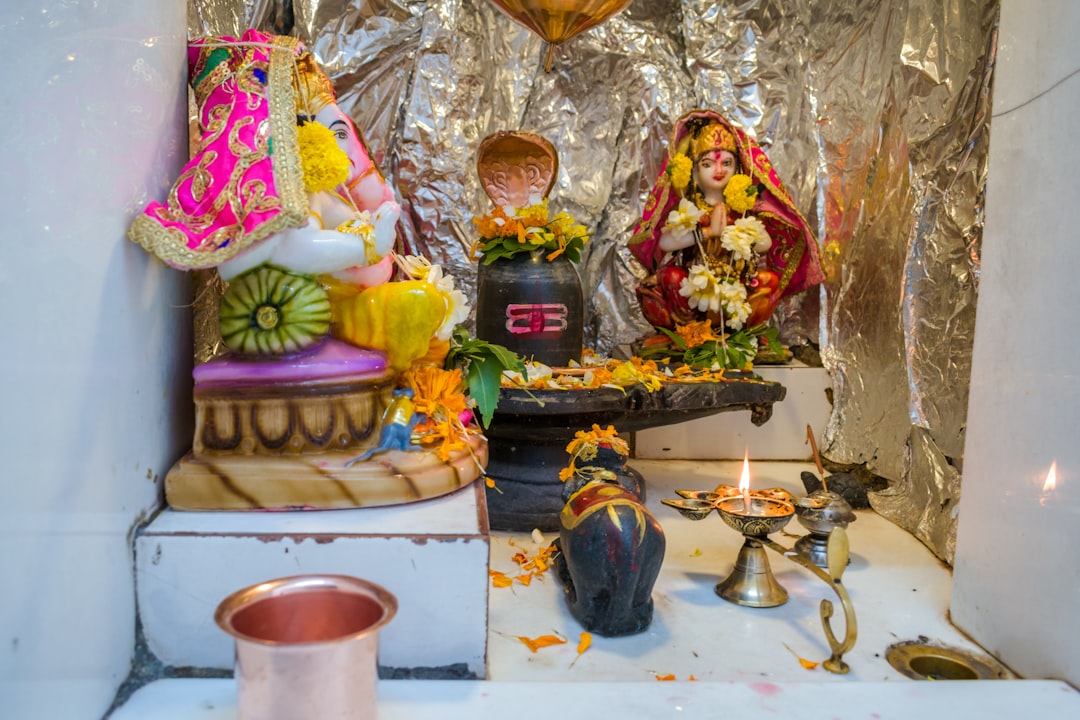
It commemorates the divine marriage of Lord Shiva and Goddess Parvati
It symbolizes the day Shiva became Adi Guru
It is associated with the emergence of the Jyotirlinga
For seekers, this night is an opportunity to transcend ego and experience divine consciousness through fasting, chanting, and stillness.
Maha Shivaratri Puja Vidhi (Step-by-Step)
Performing Maha Shivaratri puja vidhi at home is simple yet deeply powerful when done with devotion.
Puja Samagri Required
Shivling or Shiva photo
Water, milk, curd, honey, ghee
Bilva leaves
White flowers
Incense, diya
Fruits and prasad
Puja Steps
Wake up early, take a bath, and wear clean clothes
Offer water or milk to the Shivling
Perform Abhishek with Panchamrit
Offer Bilva leaves and flowers
Chant “Om Namah Shivaya” or Maha Mrityunjaya Mantra
Meditate or stay awake during the night
Night-long worship is highly auspicious and spiritually transformative.
Maha Shivaratri Abhishek Vidhi
Abhishek is one of the most important rituals of Maha Shivaratri. Each offering carries spiritual symbolism:
Water: purification
Milk: peace and compassion
Honey: sweetness in life
Curd: prosperity
Ghee: spiritual strength
Perform Abhishek with devotion rather than quantity.
Maha Shivaratri Fasting Rules (Vrat Vidhi)
Maha Shivaratri fasting rules vary based on individual capacity and spiritual intent.
Types of Fasting
Nirjala Vrat: No food or water
Phalahar Vrat: Fruits, milk, nuts
Partial Fast: One sattvic meal
Vrat Rules to Follow
Avoid grains, onion, garlic
Maintain purity in thoughts and actions
Avoid sleeping during the night
Focus on chanting and meditation
Fasting on Maha Shivaratri is believed to cleanse karma and bring mental clarity.
Maha Shivaratri Vrat Food List
Allowed foods during Shivaratri vrat:
Fruits and dry fruits
Milk, curd, buttermilk
Sabudana
Singhara flour
Coconut water
Avoid regular salt; use rock salt (sendha namak) if needed.
Do’s and Don’ts of Maha Shivaratri Fasting
Do’s
Wake up before sunrise
Chant Shiva mantras
Stay calm and mindful
Don’ts
Avoid negative emotions
Avoid non-vegetarian food
Avoid distractions and excess talk
Maha Shivaratri for Women
Maha Shivaratri vrat for women is traditionally observed for marital harmony, spiritual growth, and inner strength. However, modern spirituality emphasizes that this vrat is equally powerful for self-realization and emotional healing, regardless of marital status.
How to Observe Maha Shivaratri Vrat Properly
True observance is not about hardship but intent. Even a simple puja with a pure heart can bring profound spiritual benefits. Stay connected to Shiva consciousness through awareness, surrender, and devotion.
Maha Shivaratri 2026 is not just a festival; it is an invitation to pause, turn inward, and reconnect with the divine essence within. Whether you observe a strict fast or a simple prayer, what matters most is sincerity and inner stillness.
May this sacred night bring clarity, healing, and spiritual awakening into your life.
This Maha Shivaratri, go beyond fasting and rituals.
Receive personal guidance from Sadhguru Sakshi Shree and deepen your spiritual journey.