
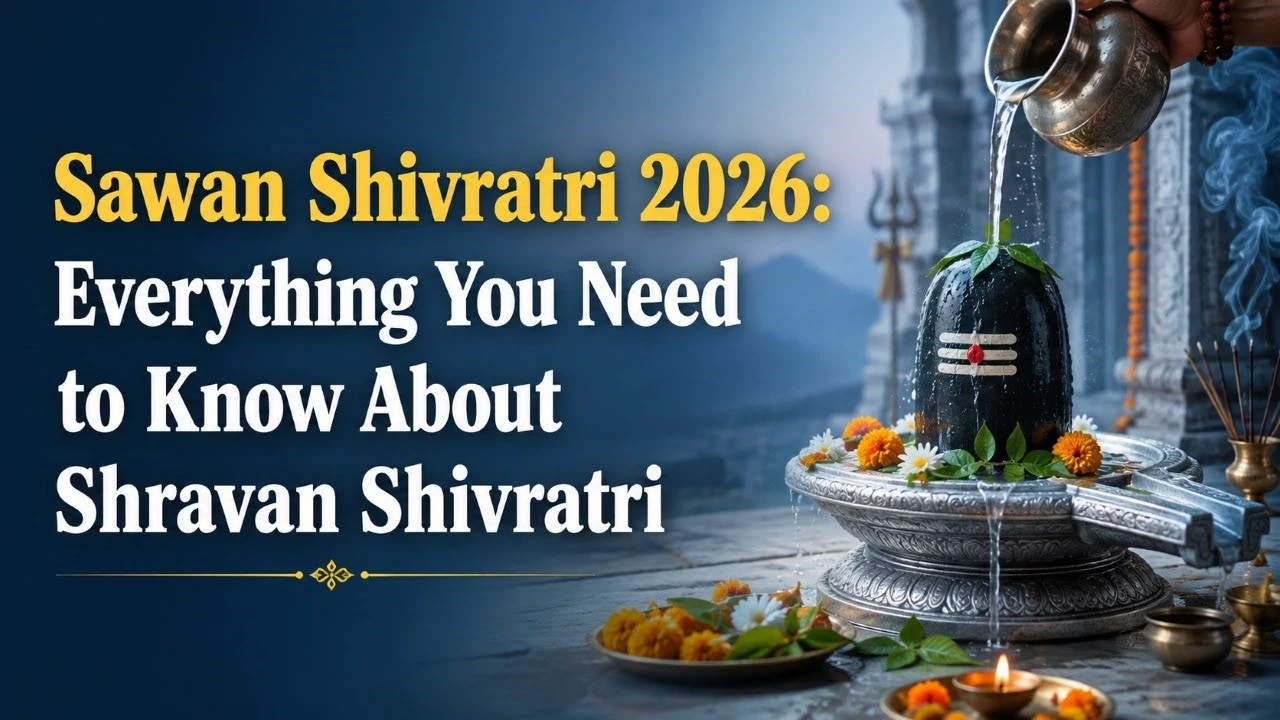
Sawan Shivratri 2026 is one of the most significant occasions for devotees of Lord Shiva during the sacred month of Shravan or Sawan. Every month has a Masik Shivratri on Krishna Paksha Chaturdashi, but the Shivratri falling during Shravan holds special importance because the entire month is traditionally dedicated to the worship of Mahadev.
In 2026, devotees searching for Sawan Shivratri date 2026, Shravan Shivratri 2026, or Sawan Shivratri kab hai 2026 should note that, according to the North Indian lunar calendar for New Delhi, Sawan Shivratri will be observed on Tuesday, August 11, 2026.
The festival is marked by fasting, Shiva Puja, chanting “Om Namah Shivaya,” offering water and Bilva leaves to the Shiva Lingam, meditation and, for many devotees, staying awake during the night.
This Sawan Shivratri 2026 complete guide explains the date, Tithi, puja timing, Jalabhishek, vrat rules, spiritual significance and the right way to celebrate the day.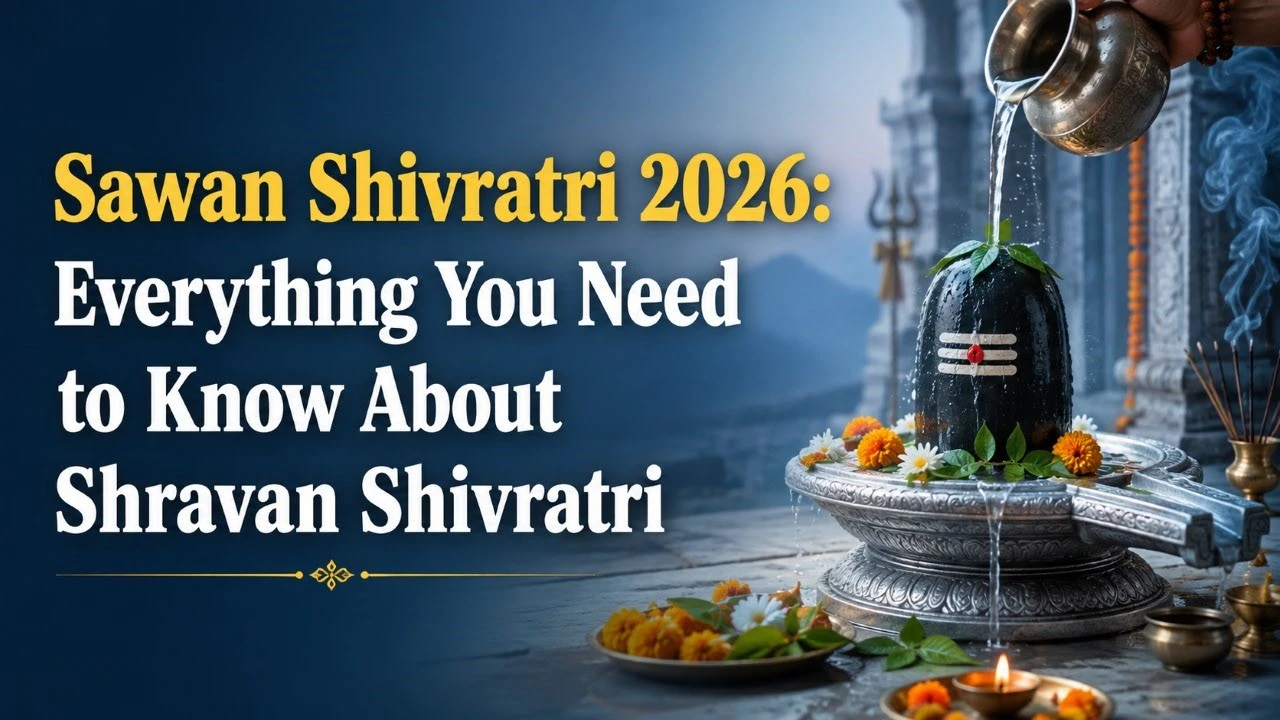
When Is Sawan Shivratri 2026?
Sawan Shivratri 2026 will be observed on Tuesday, August 11, 2026, according to the North Indian/Purnimanta calendar for Delhi.
Sawan Shivratri 2026 Date and Tithi
Sawan Shivratri Date: Tuesday, August 11, 2026
Krishna Paksha: Chaturdashi
Chaturdashi Tithi Begins: 4:54 AM on August 11, 2026
Chaturdashi Tithi Ends: 1:52 AM on August 12, 2026
Nishita Kaal Puja in Delhi: approximately 12:05 AM to 12:48 AM on August 12
Puja timings depend on local sunrise, sunset and geographical location. Therefore, devotees should check their local Panchang before performing a time-specific ritual.
This is especially important for people searching for Sawan Shivratri 2026 date and puja time in India, because Nishita Kaal and Prahar timings can differ slightly from one city to another.
Design Your Destiny
Spiritual growth becomes meaningful when wisdom is brought into everyday life. Design Your Destiny can help you understand yourself more deeply, break limiting patterns and consciously shape the direction of your life. Begin your journey towards greater awareness, clarity and inner transformation with Design Your Destiny
Start Your Journey Today!What Is Sawan Shivratri?
Sawan Shivratri, also called Shravan Shivratri or Shravana Shivratri, is the Masik Shivratri observed during the sacred month of Shravan.
Masik Shivratri falls on the Chaturdashi Tithi of Krishna Paksha every lunar month. Since Shravan is closely associated with Lord Shiva worship, the Shivratri occurring during this month receives special devotional importance.
Devotees visit Shiva temples, perform Jalabhishek, chant Shiva mantras, observe fasts and spend time in prayer and meditation.
For many spiritual seekers, Sawan Shivratri is not simply about performing rituals. It is also an opportunity to turn inward, become more conscious and cultivate the qualities associated with Shiva stillness, awareness, detachment and inner transformation.
Why Is Shravan Considered Sacred for Lord Shiva?
The month of Shravan has traditionally been regarded as one of the most auspicious periods for Shiva worship.
According to Hindu tradition, Shravan is associated with the story of Samudra Manthan, or the churning of the cosmic ocean. When the deadly Halahala poison emerged during the churning, Lord Shiva consumed it to protect creation.
Goddess Parvati is traditionally said to have prevented the poison from travelling further through Shiva’s body, leading to Shiva being known as Neelkanth, the blue-throated one.
Offering water to Shiva during Shravan is therefore associated with devotion, surrender and remembrance of his compassionate act.
This is one reason Jalabhishek during Sawan Shivratri becomes one of the principal practices followed by devotees.
Spiritual Significance of Sawan Shivratri
The deeper significance of Shivratri lies in transcending restlessness and turning towards inner silence.
“Shiva” is often understood spiritually as the state of pure consciousness beyond constant mental activity. The night of Shivratri symbolically encourages a seeker to move from distraction towards awareness.
Observing Sawan Shivratri 2026 can therefore become an opportunity to:
Cultivate inner silence
Practice self-discipline
Reduce attachment to unnecessary desires
Strengthen devotion
Become more conscious of thoughts and actions
Practice meditation and mantra chanting
Reflect upon one’s spiritual journey
The outer worship of Shiva can ultimately point towards discovering stillness within oneself.
Sawan Shivratri 2026 Puja Vidhi
Those who want to perform Sawan Shivratri 2026 puja at home can follow a simple devotional procedure.
1. Begin the Day with Purification
Wake up early, bathe and wear clean clothes. Clean the puja area and prepare the Shiva Lingam or image of Lord Shiva.
2. Take a Sankalp
Before starting your worship, mentally resolve to observe the vrat and perform the puja with sincerity.
A Sankalp represents conscious intention rather than simply performing a ritual mechanically.
3. Perform Jalabhishek
Offer clean water slowly over the Shiva Lingam while chanting:
Om Namah Shivaya
Many devotees also offer milk as part of Abhishek according to their family tradition.
4. Offer Bilva Leaves
Bilva or Bel Patra is among the most commonly offered items in Shiva worship.
Wash the leaves before offering them and place them respectfully upon the Shiva Lingam.
5. Offer Flowers and Other Puja Items
Depending on your tradition, offerings may include:
Water
Bilva leaves
Flowers
Sandalwood
Fruits
Incense
Diya
Naivedya or Prasad
The focus should remain on devotion rather than the number of offerings.
11 Things to Offer Lord Shiva for Blessings and Prosperity
6. Chant Shiva Mantras
The simplest and most widely recited mantra is:
Om Namah Shivaya
Devotees may chant it 108 times or continue chanting according to their capacity.
7. Meditate
After completing the external worship, sit silently for a few minutes.
Observe your breath, thoughts and inner state without immediately getting involved with them. This gives the ritual a deeper spiritual dimension.
Sawan Shivratri 2026 Jalabhishek Vidhi
Jalabhishek is among the most searched and practiced rituals associated with Shravan and Sawan Shivratri.
The basic practice is simple.
Clean the Shiva Lingam and slowly offer water while maintaining a prayerful state. Chant “Om Namah Shivaya” while making the offering.
After Jalabhishek, devotees may offer Bilva leaves, flowers and fruits.
More elaborate rituals can vary between temples, sampradayas and family traditions. If following a specific ritual tradition, it is best to follow guidance from the temple or spiritual tradition you trust.
What matters most is that the ritual does not become mechanical. Every offering can remind the devotee to surrender ego, agitation and negativity.
Sawan Shivratri Vrat Rules
Many devotees observe a fast on Shravan Shivratri 2026.
Fasting traditions differ among families and regions. Some devotees keep a strict fast, while others consume fruits, milk or permitted vrat foods.
Common practices include:
Avoiding grains and regular meals
Eating fruits or vrat-friendly food where permitted
Maintaining cleanliness of body and surroundings
Avoiding anger, harsh speech and unnecessary conflict
Chanting Shiva mantras
Visiting a Shiva temple
Performing Jalabhishek
Spending time in prayer or meditation
Breaking the fast according to appropriate Parana customs
People with health conditions, older adults, pregnant women or anyone taking medication should not undertake strict fasting without appropriate medical guidance. Devotion does not require harming the body.
Importance of Nishita Kaal on Shivratri
“Nishita Kaal” refers to the midnight period traditionally regarded as particularly significant for Shiva worship on Shivratri.
For Delhi, the Nishita Kaal associated with Sawan Shivratri 2026 falls approximately between 12:05 AM and 12:48 AM on August 12.
The exact period changes according to geographical location.
Devotees who cannot remain awake until midnight can still perform Shiva Puja during the day or evening. Spiritual sincerity is more important than treating one particular time as the only opportunity for worship.
What to Offer Lord Shiva on Sawan Shivratri?
Simple traditional offerings include:
Water: The most accessible offering for Jalabhishek.
Bilva Leaves: Closely associated with Shiva Puja.
Flowers: Fresh flowers may be offered with devotion.
Fruits: Often offered as Naivedya before being distributed as Prasad.
Sandalwood: Traditionally used during worship.
Diya and Incense: Used to create a prayerful atmosphere.
Offerings should be made respectfully and responsibly. Avoid excessive wastage of food, milk, flowers or water in the name of ritual.
Powerful Mantra for Sawan Shivratri 2026
One of the simplest Shiva mantras is:
Om Namah Shivaya
It can be chanted slowly and consciously rather than mechanically.
Another widely recited Shiva prayer is the Maha Mrityunjaya Mantra. Those familiar with its traditional pronunciation may include it in their spiritual practice.
Mantra repetition can help focus attention, reduce mental distraction and create a meditative atmosphere.
Sawan Shivratri and Maha Shivratri: Are They the Same?
No. They are related but distinct observances.
Masik Shivratri occurs every month on Krishna Paksha Chaturdashi.
The Masik Shivratri occurring during Shravan is popularly called Sawan Shivratri or Shravan Shivratri.
Maha Shivratri, however, is the major annual Shivratri festival celebrated during the Phalguna/Magha period depending on the regional calendar tradition.
Both are dedicated to Lord Shiva, but Maha Shivratri has wider annual significance.
Sawan Fasting 2026: Complete Rules, Foods and Puja Vidhi
How to Make Sawan Shivratri Spiritually Meaningful
Rituals become far more powerful when their inner purpose is understood.
Instead of restricting the observance to offering water and flowers, use Sawan Shivratri to observe yourself.
Notice your anger without immediately reacting.
Notice desires without becoming controlled by them.
Notice thoughts without believing every thought.
Practice silence.
Forgive someone.
Let go of unnecessary resentment.
Spend a few minutes meditating.
Shiva represents a consciousness that remains untouched by the constant movement of the mind. In that sense, worshipping Shiva also means discovering that silent awareness within ourselves.
Sawan Shivratri 2026 is much more than an auspicious date on the Hindu calendar. It offers devotees and spiritual seekers an opportunity to combine devotion with self-awareness.
On Tuesday, August 11, 2026, devotees can observe Shravan Shivratri through fasting according to their capacity, performing Jalabhishek, offering Bilva leaves, chanting Om Namah Shivaya, meditating and cultivating inner silence.
Whether you call it Sawan Shivratri, Shravan Shivratri or Shravana Shivratri, its deeper invitation remains the same to move away from unconscious reactions and towards a more peaceful, aware and spiritually centred way of living.
Let the worship of Shiva not remain limited to a ritual outside you. Allow it to become a journey towards discovering stillness, awareness and freedom within.
Personal Session
Every spiritual journey is different. If you are facing confusion, recurring emotional patterns or questions about your inner growth, a personal session can offer focused guidance for your unique journey. Book a personal session and take the next conscious step towards clarity, peace and self-understanding.
Book Now