
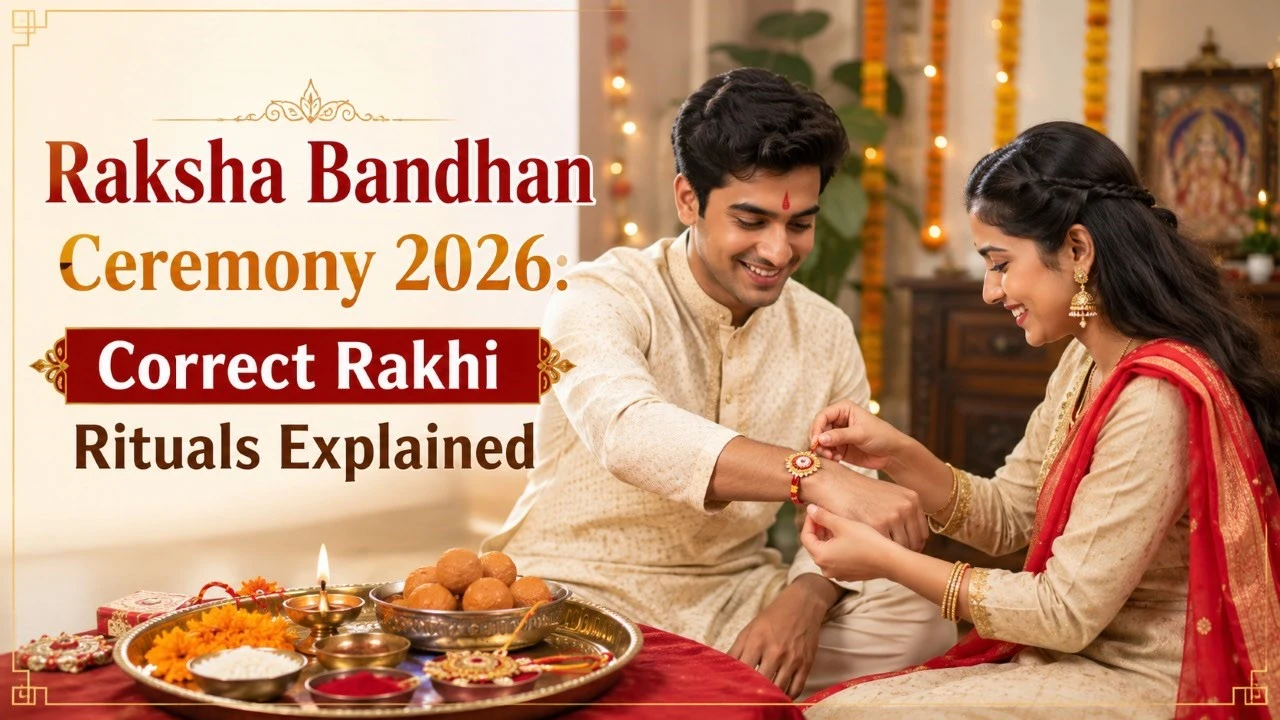
Raksha Bandhan is one of the most cherished Hindu festivals celebrating the bond of affection, responsibility and protection between siblings. While the Rakhi itself is the most visible symbol of the festival, the traditional Raksha Bandhan ceremony includes several meaningful rituals, from preparing the puja thali and applying tilak to performing aarti, tying the sacred thread and exchanging blessings.
If you are preparing for the Raksha Bandhan ceremony 2026, knowing the correct sequence can make the celebration more meaningful and help families preserve traditional customs.
In 2026, Raksha Bandhan falls on Friday, August 28, 2026. For New Delhi, Drik Panchang lists the Raksha Bandhan thread ceremony period from 5:57 AM to 9:48 AM, with Purnima Tithi ending at 9:48 AM. It also notes that Bhadra ends before sunrise that day. Timings can vary by location, so devotees should check their local Panchang before deciding the exact ceremony time.
This guide explains the Raksha Bandhan rituals 2026, the traditional Raksha Bandhan puja vidhi 2026, Rakhi ceremony steps and the correct method of tying Rakhi.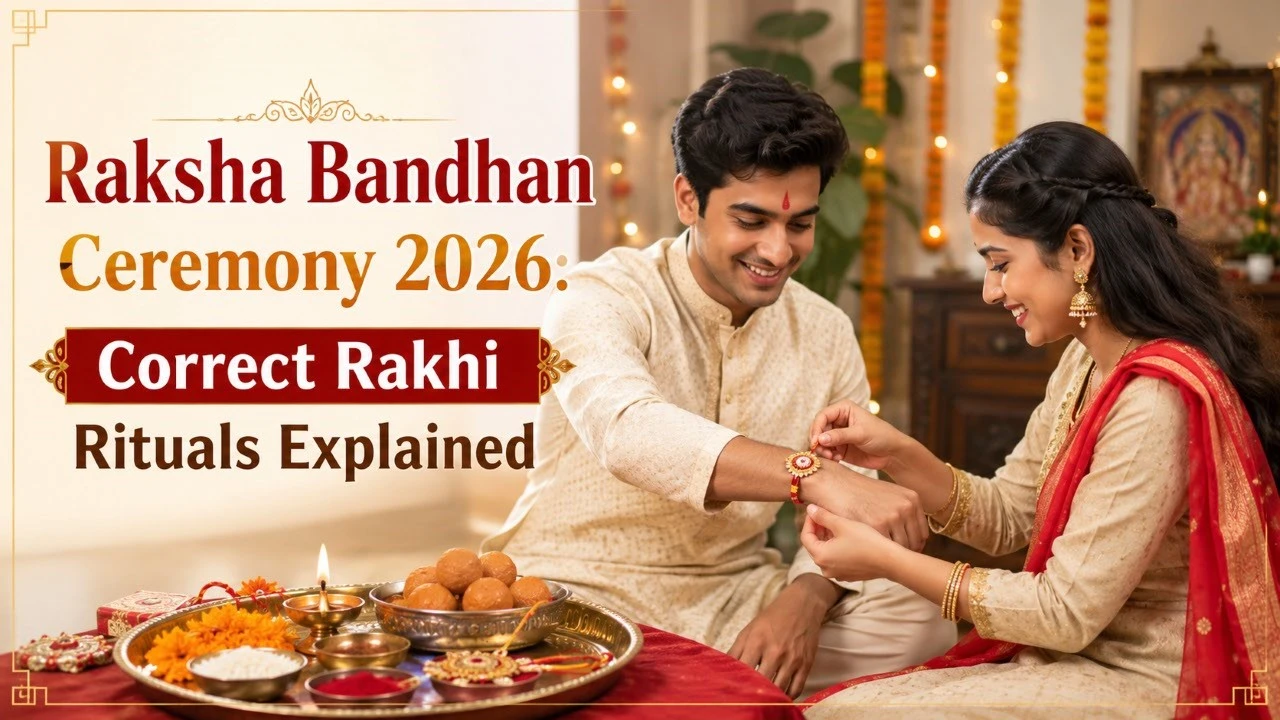
What Is the Raksha Bandhan Ceremony?
The Raksha Bandhan ceremony is the traditional ritual through which siblings celebrate their bond.
The word “Raksha” means protection, while “Bandhan” means bond or tie. The Rakhi therefore represents a sacred bond built on affection, blessings and mutual responsibility.
Traditionally, the sister prepares a puja thali containing the Rakhi and other auspicious items. She applies tilak to her brother, performs aarti and ties the Rakhi around his wrist. Sweets are exchanged and blessings are given.
However, Rakhi rituals can differ slightly between families and regions. Some families begin with prayers to their family deity, while others perform a short Ganesh or Lakshmi puja before tying Rakhi.
Despite these variations, the central purpose remains the same: strengthening the emotional and spiritual bond between siblings.
Design Your Destiny
Festivals remind us of sacred relationships—but real transformation begins when spiritual wisdom becomes part of everyday living. Join the Design Your Destiny program and discover practical spiritual principles that can help you develop greater awareness, clarity, emotional balance and purpose. Start your journey towards living with deeper awareness and consciously designing your destiny.
Start Your Journey Toady!Raksha Bandhan 2026 Date
The Raksha Bandhan ceremony 2026 will be observed on:
Date: Friday, August 28, 2026
Raksha Bandhan is traditionally celebrated during the full moon or Purnima of the Hindu month of Shravana.
For New Delhi:
Purnima Tithi begins: August 27, 2026 at 9:08 AM
Purnima Tithi ends: August 28, 2026 at 9:48 AM
Rakhi ceremony time: 5:57 AM to 9:48 AM
Bhadra: Ends before sunrise
Because muhurat calculations depend on location, always check the Panchang for your own city.
Why Are Raksha Bandhan Rituals Important?
The Raksha Bandhan rituals are not merely ceremonial actions. Each represents a deeper intention.
The tilak is traditionally associated with auspiciousness and blessings. Aarti is performed as a prayer for well-being. The Rakhi itself represents the sibling bond, while sweets signify happiness and goodwill.
The ceremony also provides families with an opportunity to reconnect, especially when siblings may otherwise be separated by work, study or distance.
Modern celebrations have expanded beyond the conventional brother-sister relationship as well. Rakhis may be exchanged among cousins, close friends or other loved ones as symbols of affection and protection.
Raksha Bandhan Mantra: Mantra to Chant While Tying Rakhi
Raksha Bandhan Puja Vidhi 2026: Step-by-Step Rituals
If you want to perform the Raksha Bandhan rituals step by step, the following traditional sequence can be followed.
Step 1: Clean and Prepare the Puja Area
Begin by cleaning the space where the Rakhi ceremony 2026 will take place.
Choose a peaceful and clean area in the home. Families that maintain a home temple may perform a short prayer there before beginning the main ceremony.
The participants should ideally bathe and wear clean clothes before the ceremony.
This creates a calm and auspicious atmosphere for the ritual.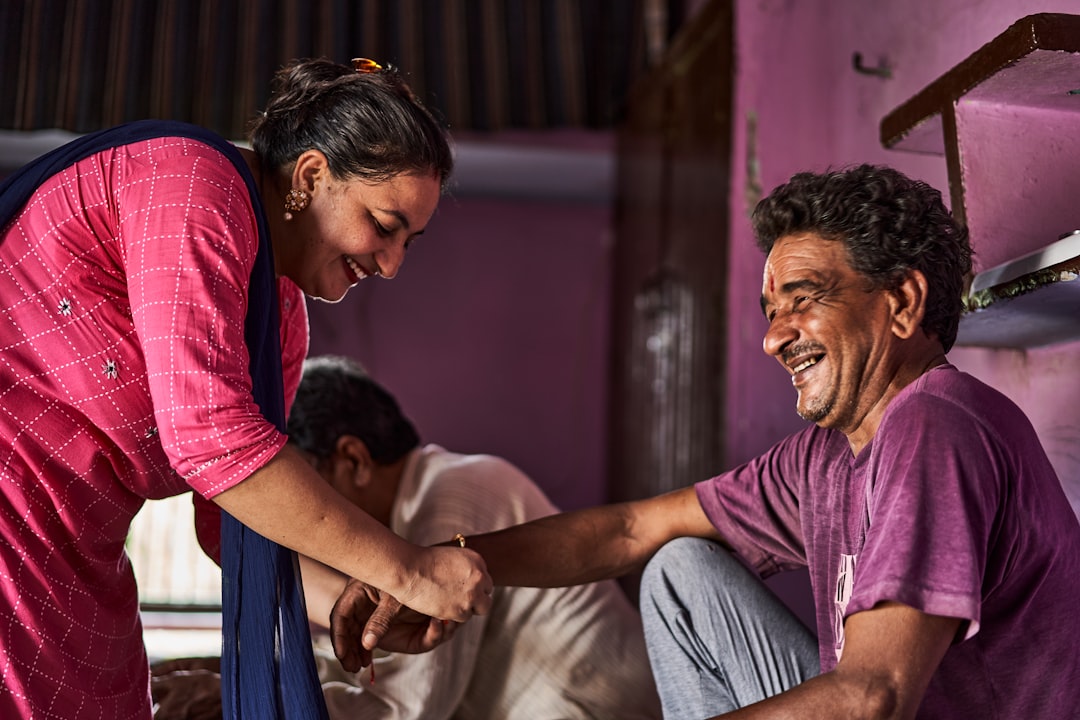
Step 2: Prepare the Raksha Bandhan Puja Thali
One of the most important parts of the Raksha Bandhan puja vidhi 2026 is preparing the Rakhi thali.
A traditional Rakhi puja thali may include:
Rakhi
Roli or kumkum
Akshat or unbroken rice grains
Diya
Sweets
Flowers
Sandalwood paste, if traditionally used
A small container of water
Some families may include additional items according to regional or family customs.
Arrange the items neatly before starting the Raksha Bandhan ceremony.
Step 3: Offer a Short Prayer
Before tying the Rakhi, many families begin the ceremony by remembering Lord Ganesha, their Ishta Devata or family deity.
A simple prayer may be offered for:
protection
harmony
health
prosperity
spiritual well-being
This prayer sets the intention behind the Rakhi rituals.
Step 4: Apply Tilak
The sister traditionally applies roli or kumkum tilak on her brother's forehead.
After applying the tilak, a few grains of akshat may be placed over it.
This part of the Rakhi ceremony steps symbolises blessings and auspiciousness.
Some families also apply sandalwood paste or kesar according to their traditions.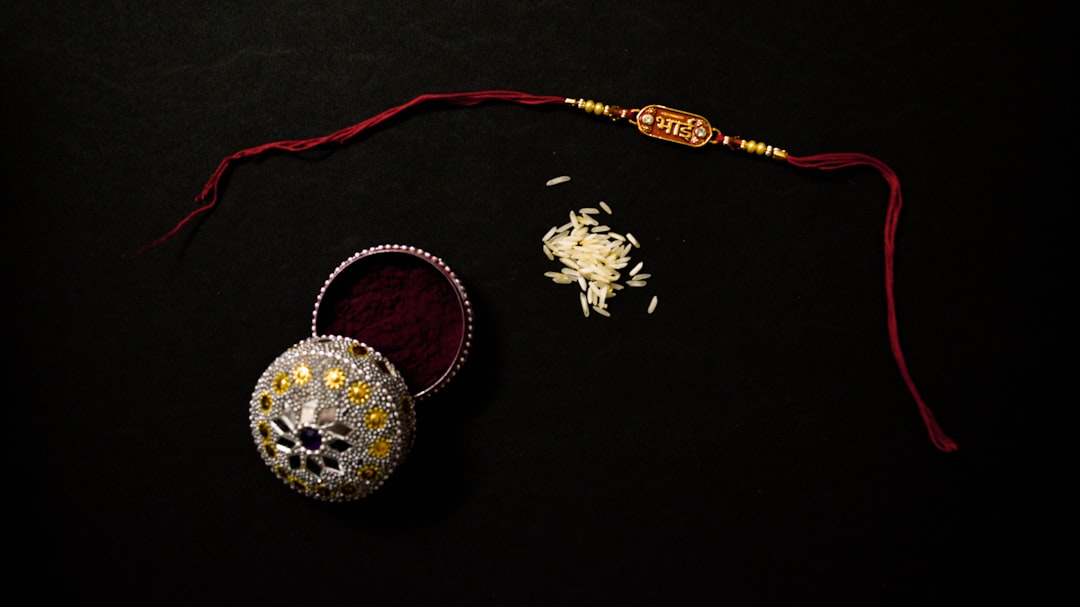
Step 5: Perform Aarti
After applying the tilak, the sister lights the diya and performs aarti.
The diya is traditionally moved gently in a circular motion while prayers are offered for the brother's well-being and happiness.
The aarti may be accompanied by a prayer, mantra or devotional song according to the family's tradition.
Fire or a lit diya should always be handled carefully, especially around children or decorative fabrics.
Step 6: Tie the Rakhi
Now comes the most important part of the Raksha Bandhan ceremony 2026—tying the Rakhi.
The sister ties the sacred thread around her brother's wrist while offering her blessings.
Traditionally, Rakhi is commonly tied on the brother's right wrist.
Rather than treating the action merely as a festive custom, families may use this moment to consciously offer wishes for health, protection and happiness.
This is the central act around which the entire Rakhi ceremony revolves.
Step 7: Chant a Rakhi Mantra or Prayer
Some families chant a traditional mantra while tying Rakhi.
One commonly associated Raksha Sutra mantra begins:
“Yena Baddho Bali Raja…”
The prayer invokes the symbolism of the sacred protective thread.
If the family does not traditionally chant Sanskrit mantras, a simple heartfelt prayer or blessing can also accompany the ritual.
The intention behind the ceremony remains more important than mechanically reciting words without understanding them.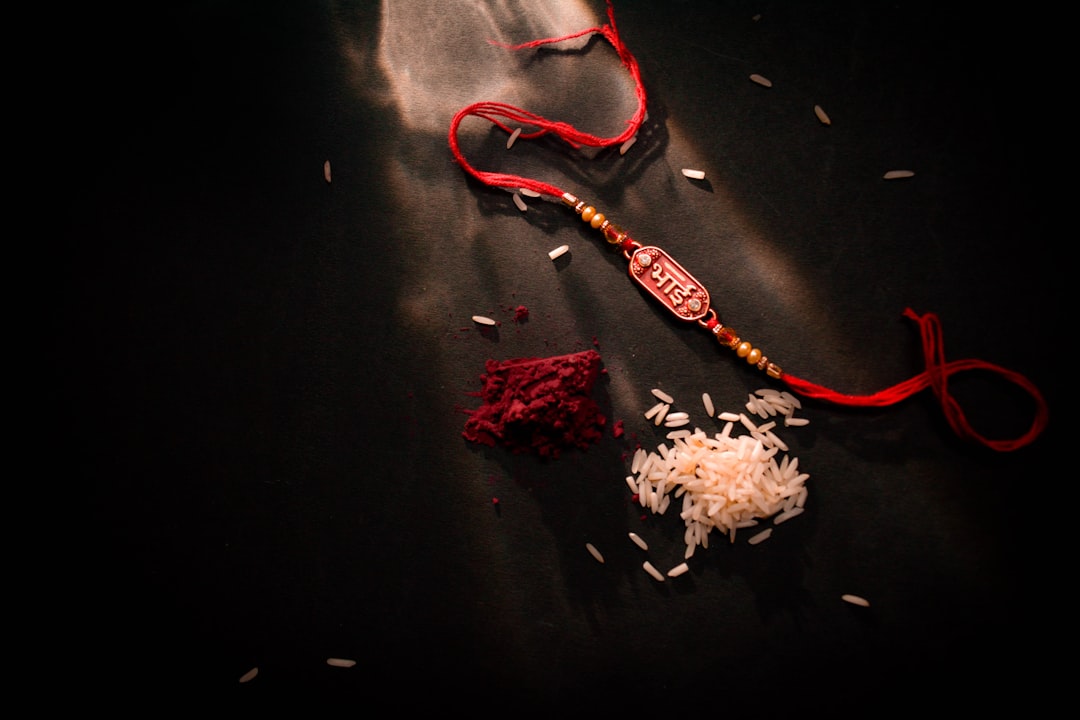
Step 8: Offer Sweets
After Rakhi is tied, the sister traditionally offers sweets to her brother.
The brother may then offer sweets to his sister as well.
Mithai such as laddoo, barfi, peda, kaju katli or homemade sweets are commonly used.
This sweet exchange symbolises happiness, goodwill and affection.
Step 9: Exchange Blessings and Gifts
After completing the Rakhi ceremony, the siblings exchange blessings.
Traditionally, younger siblings may seek blessings from elders by touching their feet according to family customs.
The brother may also give his sister a gift as a gesture of affection and appreciation.
Today, gifts can range from sweets and clothing to books, jewellery or personalised presents. However, the emotional meaning of Raksha Bandhan is more important than the monetary value of the gift.
Correct Rakhi Rituals: Important Rules to Remember
Understanding the correct Rakhi rituals can help families celebrate respectfully.
1. Check Bhadra Before Tying Rakhi
One of the most discussed rules surrounding Raksha Bandhan is avoiding Bhadra.
Traditional Panchang guidance recommends avoiding Rakhi rituals during Bhadra. Drik Panchang states that Raksha Bandhan rituals should not be performed during Bhadra and recommends checking local auspicious timings before tying Rakhi.
For Raksha Bandhan 2026 in New Delhi, Bhadra is listed as ending before sunrise.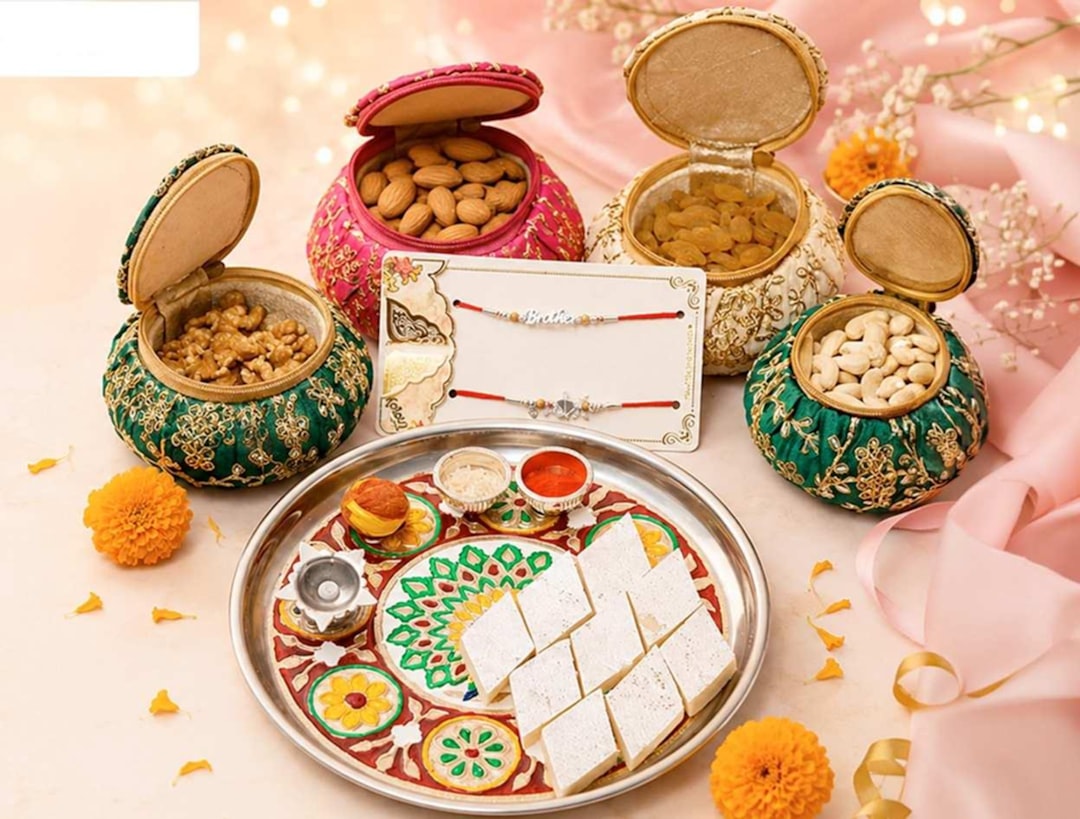
2. Keep the Puja Thali Ready Beforehand
Preparing everything in advance makes the Raksha Bandhan ceremony peaceful and organised.
Make sure the Rakhi, tilak, rice, diya and sweets are ready before starting.
3. Perform the Ritual with a Positive Intention
Festivals are ultimately meant to bring people together.
Avoid arguments or unnecessary stress around the ceremony. The spiritual value of the Raksha Bandhan rituals lies in affection, gratitude and good wishes.
4. Respect Different Family Traditions
There is no reason to worry if your family follows a slightly different sequence.
Regional customs naturally vary across India.
Some families perform elaborate puja, while others follow a simple ritual involving tilak, Rakhi and sweets.
The central symbolism remains the sacred bond between siblings.
Personal Session
If you are seeking clarity about relationships, inner conflicts, emotional patterns or your spiritual journey, personalised guidance can help you understand your situation from a deeper perspective. Book a Personal Session for focused one-to-one guidance designed around your individual questions and spiritual growth. Take the next step towards greater clarity, awareness and inner transformation.
Book NowTraditional Raksha Bandhan Ceremony vs Modern Celebration
Traditional Rakhi rituals 2026 can easily coexist with modern celebrations.
Siblings who live in different cities or countries often send Rakhis through courier services and perform video-call ceremonies.
Digital gifts and online celebrations have also become common.
However, families can preserve the spiritual essence of the festival by maintaining the fundamental elements of the ceremony:
prayer → tilak → aarti → Rakhi → blessings → sweets
The physical distance between siblings does not have to diminish the emotional meaning of Raksha Bandhan.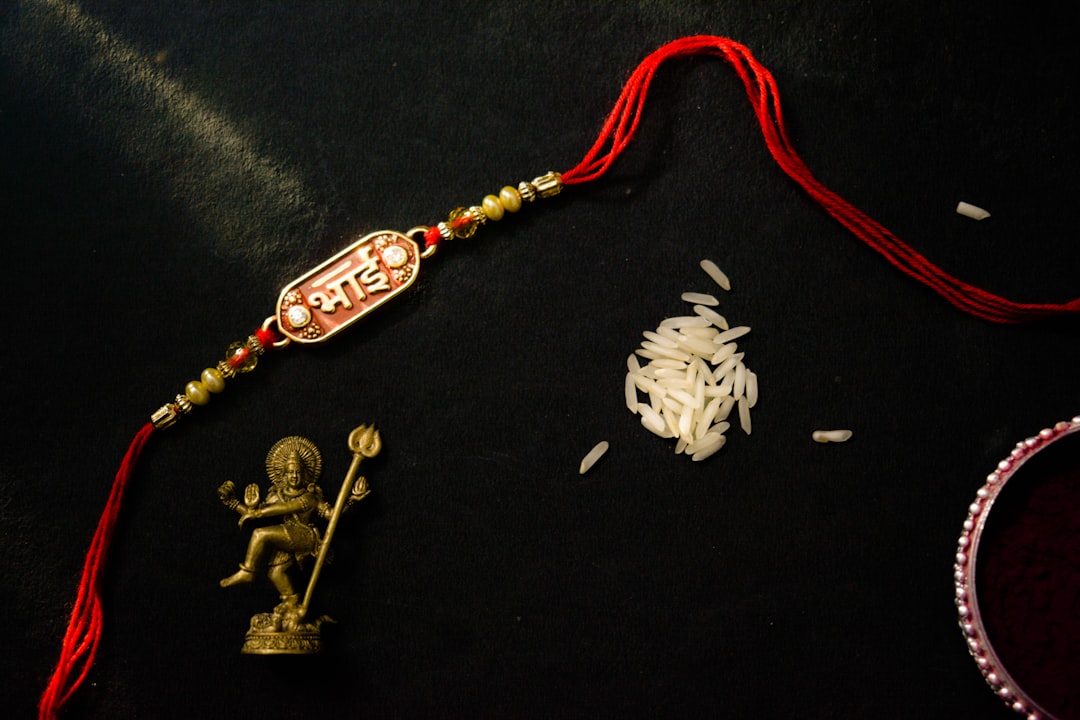
Spiritual Meaning of Raksha Bandhan Rituals
Beyond the celebration between siblings, Raksha Bandhan carries a broader spiritual message.
The sacred thread can remind us that meaningful relationships are built through responsibility, trust and compassion.
Protection should also not be understood as a one-sided promise. Modern interpretations increasingly recognise Raksha Bandhan as a celebration in which siblings support, respect and care for one another.
Thus, the deeper meaning of Raksha Bandhan traditions can be understood as mutual commitment rather than obligation.
The Rakhi becomes a symbolic reminder to protect relationships from anger, ego, resentment and misunderstanding.
How to Perform Raksha Bandhan Puja at Home: Puja Vidhi 2026
Raksha Bandhan Ceremony 2026 Checklist
Before starting your Rakhi ceremony 2026, make sure you have:
Rakhi
Roli or kumkum
Akshat
Diya
Flowers
Sweets
Puja thali
Gifts, if desired
Correct local Rakhi muhurat
Checking these items beforehand will make your Raksha Bandhan puja vidhi 2026 smoother and more meaningful.
The Raksha Bandhan ceremony 2026 is much more than simply tying a colourful thread around the wrist. Each part of the ritual, from preparing the puja thali and applying tilak to performing aarti, tying Rakhi and exchanging blessings, strengthens the spirit of affection and togetherness associated with the festival.
Following the Raksha Bandhan rituals 2026 with awareness can make the celebration more meaningful.
Whether your family follows an elaborate Raksha Bandhan puja vidhi 2026 or a simple Rakhi ceremony, the heart of the festival remains unchanged: love, respect, protection and responsibility towards one another.
This Raksha Bandhan, allow the sacred thread to become more than a ritual. Let it remind you to nurture relationships with kindness, gratitude and conscious living.