
Raksha Bandhan is one of India's most cherished festivals, celebrating the bond of affection, responsibility and goodwill between siblings. Traditionally observed on Shravan Purnima, the festival is marked by sisters tying a sacred Rakhi on their brothers' wrists and praying for their happiness and well-being. Brothers, in turn, traditionally express their affection, offer gifts and promise support and protection.
In 2026, Raksha Bandhan will be celebrated on Friday, August 28. The festival falls on the full-moon observance of the Hindu month of Shravan.
But Raksha Bandhan is more than simply tying a thread around the wrist. A traditional celebration usually involves preparing a puja thali, applying tilak, performing aarti, offering sweets and tying the Rakhi with prayerful intention.
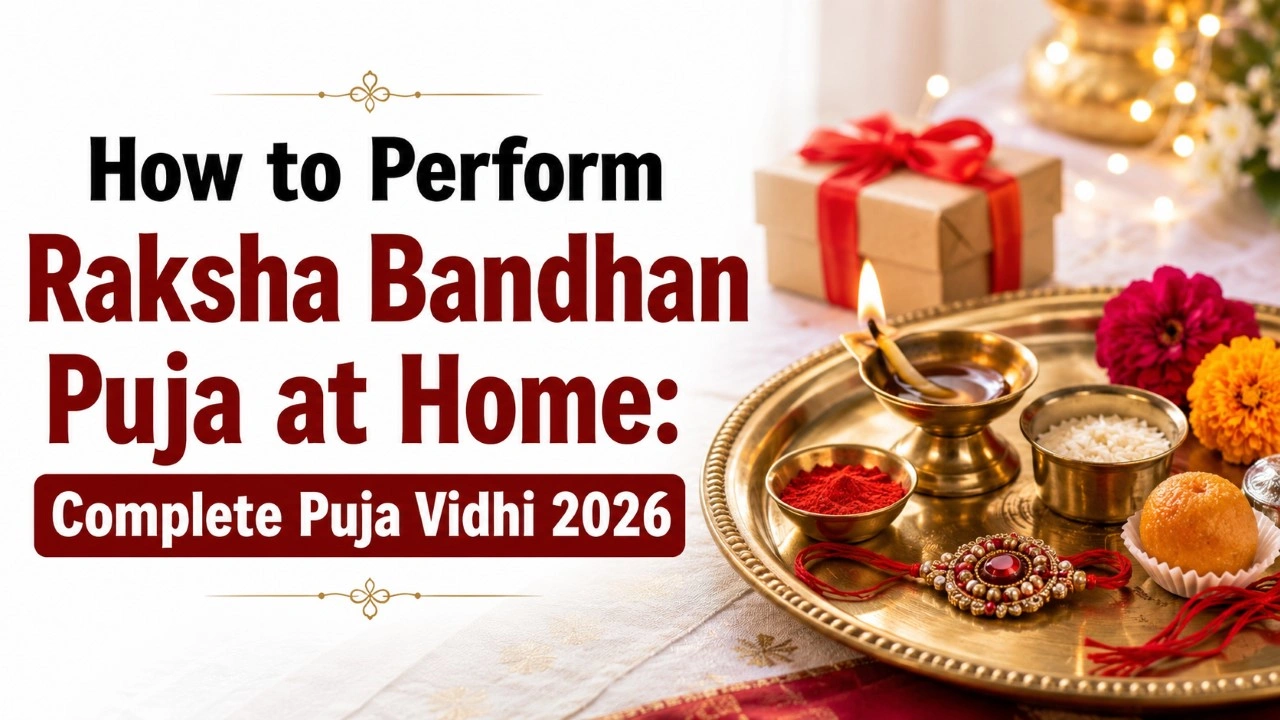
If you are wondering how to perform Raksha Bandhan puja at home in 2026, this detailed guide explains the complete Raksha Bandhan puja vidhi, essential puja items and step-by-step rituals you can follow with your family.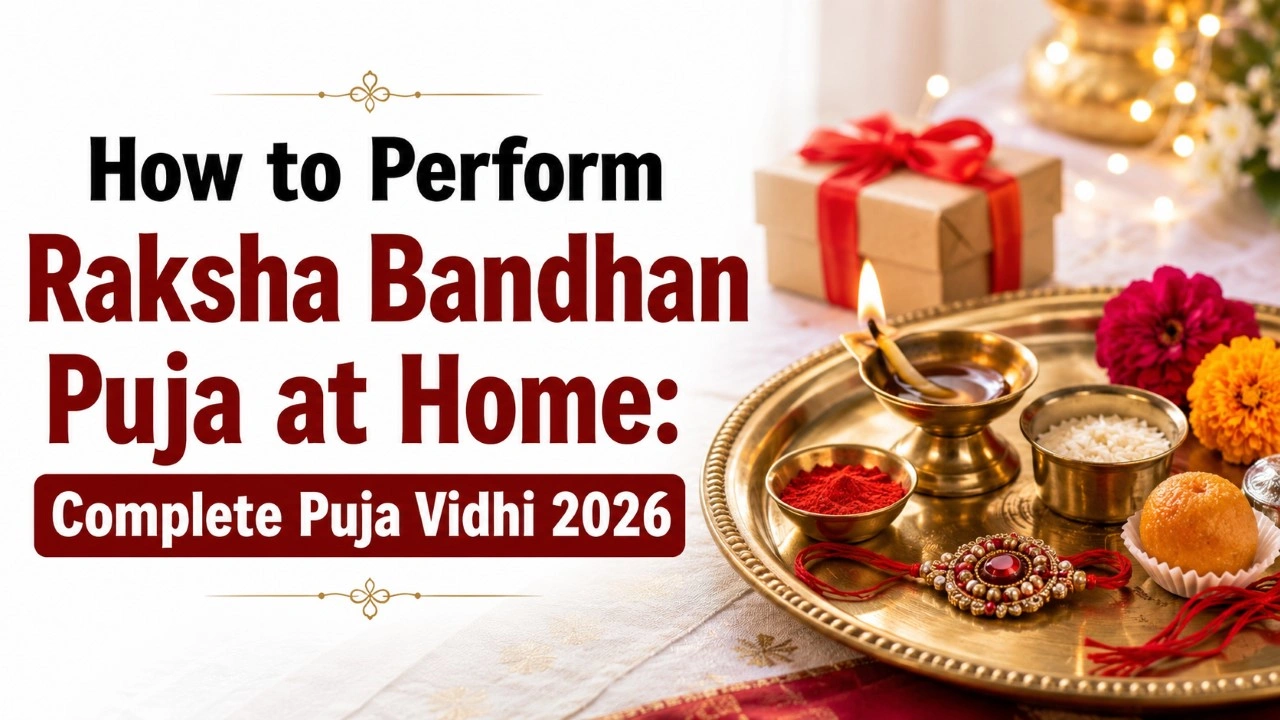
Raksha Bandhan 2026 Date
Raksha Bandhan 2026 Date: Friday, August 28, 2026
Raksha Bandhan is traditionally associated with Shravan Purnima, the full-moon day of the Shravan month. Calendrical sources list August 28 as the observance date for Raksha Bandhan in India in 2026.
For New Delhi, Drik Panchang lists the Raksha Bandhan thread ceremony period from approximately 5:57 AM to 9:48 AM on August 28. Festival muhurat calculations are location-dependent, so devotees should confirm the Panchang timings for their own city before performing time-sensitive rituals.
Design Your Destiny
Festivals remind us of sacred relationships—but lasting transformation begins with the relationship we have with ourselves. Design Your Destiny is an opportunity to understand your mind, break limiting patterns and move towards a more conscious, peaceful and purposeful life. Begin your journey of inner transformation with Design Your Destiny and discover how awareness can change the way you experience life.
Start Your Journey Today!What Is the Significance of Raksha Bandhan Puja?
The Sanskrit term Raksha Bandhan is commonly understood as a “bond of protection.”
The Rakhi tied during the ceremony represents affection, trust, responsibility and the desire for one another's well-being. Traditionally, a sister prays for her brother's health and prosperity while tying the Rakhi, while the brother expresses his commitment to care for and support his sister.
Over time, the celebration has expanded beyond a narrowly defined brother-sister ritual. Many families use Raksha Bandhan as an occasion to celebrate sibling bonds, family relationships and mutual care.
The Raksha Bandhan puja at home makes the ceremony more meaningful by turning the simple act of tying a Rakhi into a conscious family ritual filled with prayer, gratitude and blessings.
Raksha Bandhan Puja Samagri: What Should Be in the Rakhi Thali?
Before beginning the Raksha Bandhan puja vidhi 2026, prepare a clean puja thali.
A traditional Rakhi puja thali may contain:
Rakhi
Roli or kumkum
Akshat or unbroken rice grains
Diya
Cotton wick
Ghee or oil for the diya
Sweets or mithai
Flowers
Incense sticks or dhoop
A small container of water
Chandan, if traditionally used in your home
Coconut, where customary
A small offering for the deity
Gifts, if desired
The exact Rakhi puja vidhi differs between regions and families. Therefore, you do not need to add every item listed above if your family follows a simpler tradition.
The most important elements are usually the Rakhi, tilak materials, diya, rice and something sweet.
How to Perform Raksha Bandhan Puja at Home in 2026
Here is an easy step-by-step Raksha Bandhan puja vidhi that families can follow at home.Step 1: Clean the Puja Area
Begin the day by cleaning the place where you will perform the Raksha Bandhan rituals.
Take a bath, wear clean clothes and arrange the puja space neatly.
If your family has a home temple or dedicated prayer area, the ceremony can begin there.
The idea is to enter the ritual with cleanliness, calmness and positive intention.
Step 2: Prepare the Rakhi Puja Thali
Arrange all the necessary puja items neatly on a plate.
Place the Rakhi in the centre or at the front of the thali. Keep roli, akshat, diya, flowers and sweets nearby.
Light the diya carefully before beginning the main ceremony.
A well-prepared thali also makes the Raksha Bandhan puja at home easier because you will not need to interrupt the ritual to look for missing items.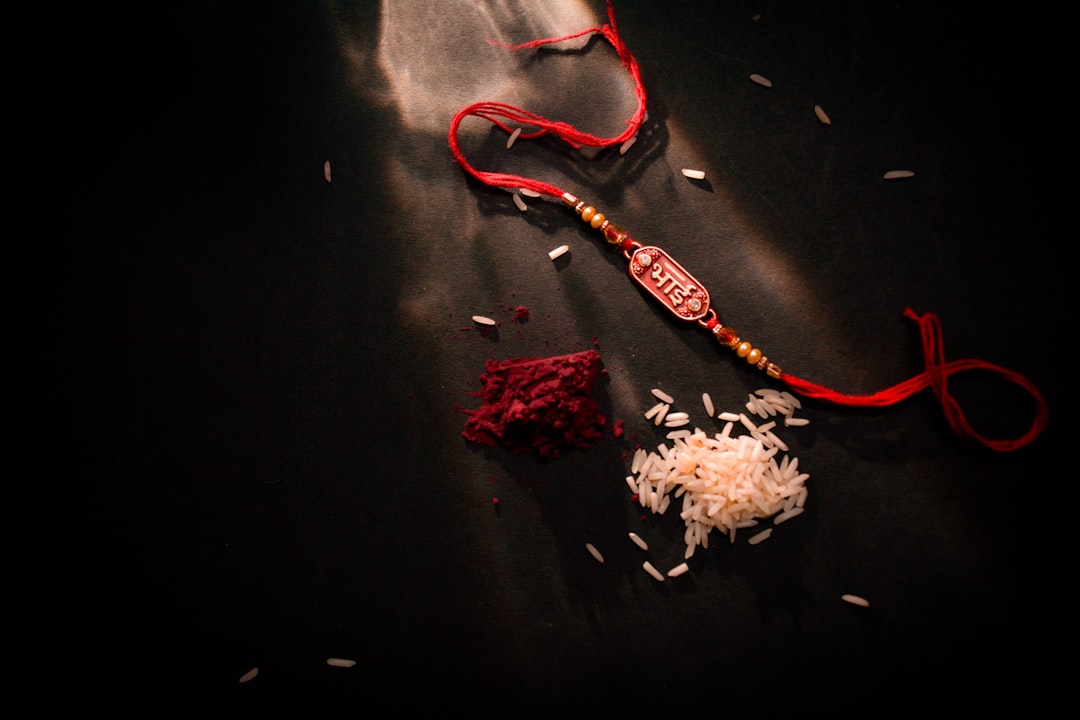
Step 3: Offer a Short Prayer
Before tying the Rakhi, many families begin with a short prayer to their chosen deity.
You may offer flowers, light incense and pray for happiness, harmony and protection for the whole family.
There is no need to make this unnecessarily complicated. The intention behind the prayer is more important than performing an elaborate ceremony.
Step 4: Seat the Brother Comfortably
Traditionally, the brother sits facing the sister while she performs the ceremony.
Depending upon family customs, elders may first give their blessings.
The sister then takes the prepared puja thali and begins the Rakhi ceremony.
Step 5: Apply Tilak
One of the most recognisable parts of the Raksha Bandhan pooja vidhi is applying tilak on the brother's forehead.
Take a small amount of roli or kumkum and apply it gently to the forehead.
Tilak is traditionally associated with auspiciousness and blessings.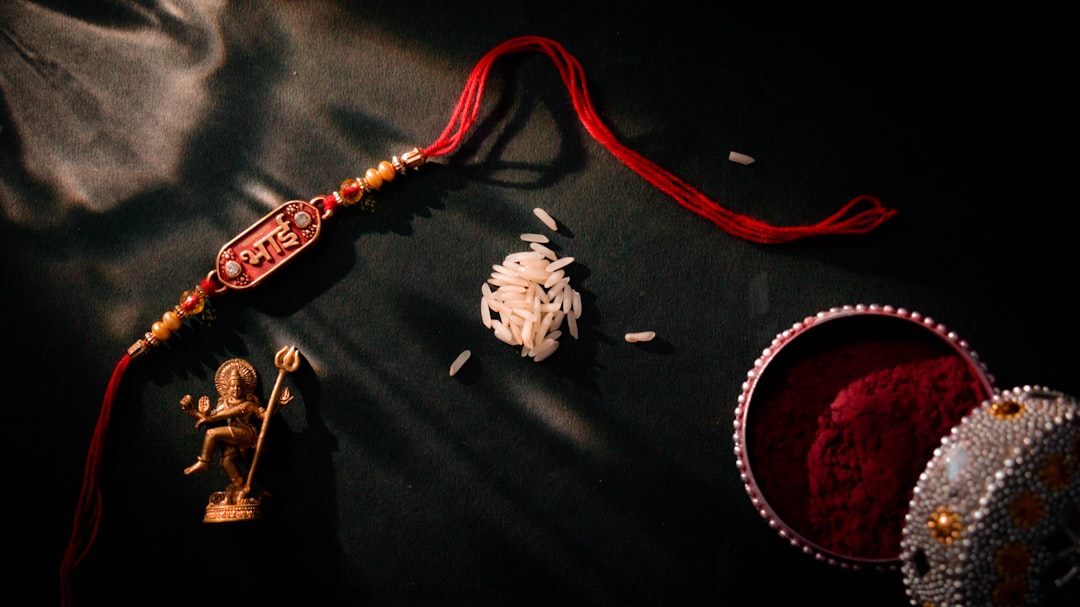
Step 6: Apply Akshat
After applying tilak, gently place a few grains of akshat, or unbroken rice, over the tilak.
Rice is widely used in Hindu puja traditions and is traditionally associated with auspiciousness and completeness.
Different households may perform this step differently, so following your established family tradition is perfectly appropriate.
Step 7: Perform Aarti
Next, light the diya and perform aarti.
Move the puja thali or diya gently in a circular motion while offering a prayer for the brother's health, happiness, success and well-being.
This can be accompanied by a family prayer or Raksha Bandhan mantra if your household traditionally recites one.
Step 8: Tie the Rakhi
Now comes the central ritual.
The sister ties the Rakhi around her brother's wrist while praying for his happiness and well-being.
The Rakhi represents the emotional and spiritual bond shared between siblings.
This is the heart of the entire Rakhi puja vidhi 2026.
Rather than treating it merely as a ceremonial step, take a moment to consciously appreciate the relationship and wish each other well.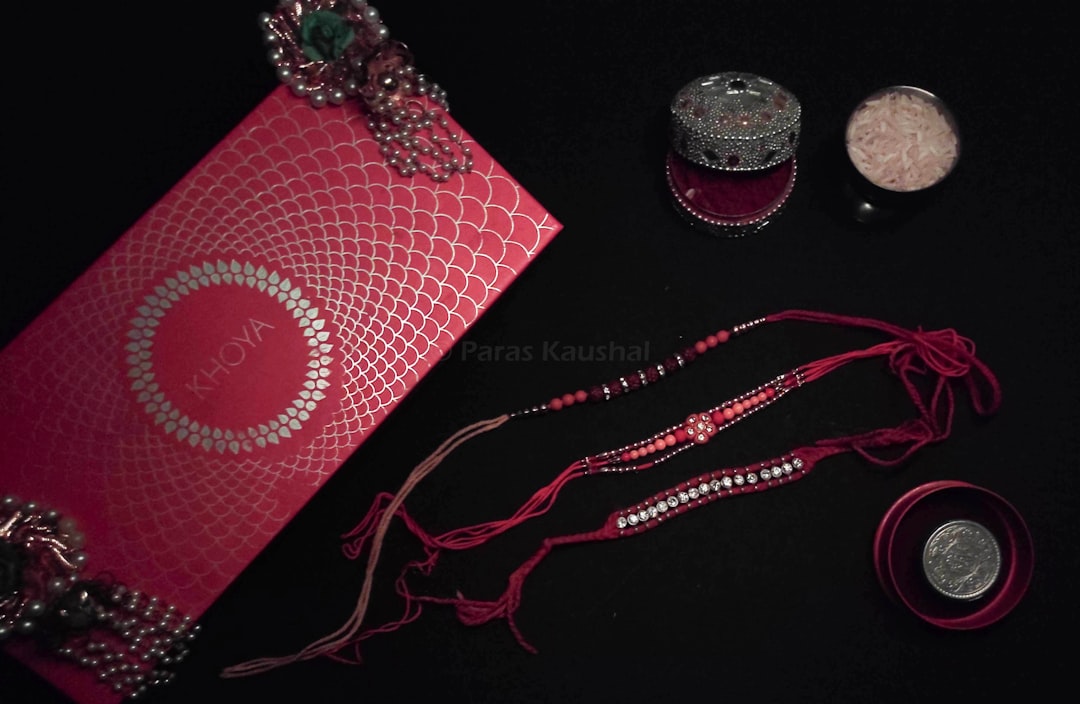
Step 9: Offer Sweets
After tying the Rakhi, the sister offers sweets to her brother.
The brother can also offer sweets to the sister.
Sharing sweets represents happiness and adds a celebratory element to the occasion.
Families may use traditional mithai such as laddoo, barfi, peda, kaju katli or whatever is prepared at home.
Raksha Bandhan Bhadra Timing 2026: Best Time to Tie Rakhi
Step 10: Exchange Blessings and Gifts
Traditionally, after the Rakhi ceremony, the brother gives his sister a gift and expresses his support and affection.
However, the gift itself is not the essence of Raksha Bandhan.
A thoughtful gesture, blessing or expression of gratitude can be equally meaningful.
Younger siblings may also seek blessings from elders after completing the ceremony.
Raksha Bandhan Puja Vidhi at Home: Correct Sequence
For readers looking for a quick summary, the Raksha Bandhan puja at home 2026 can be performed in this order:
Clean the puja area.
Take a bath and wear clean clothes.
Prepare the Rakhi puja thali.
Light the diya and incense.
Offer a short prayer.
Apply roli or kumkum tilak.
Place akshat on the tilak.
Perform aarti.
Tie the Rakhi.
Offer sweets.
Exchange blessings and gifts.
Spend time together as a family.
This sequence makes it easy for even first-time devotees to follow the Raksha Bandhan puja vidhi at home.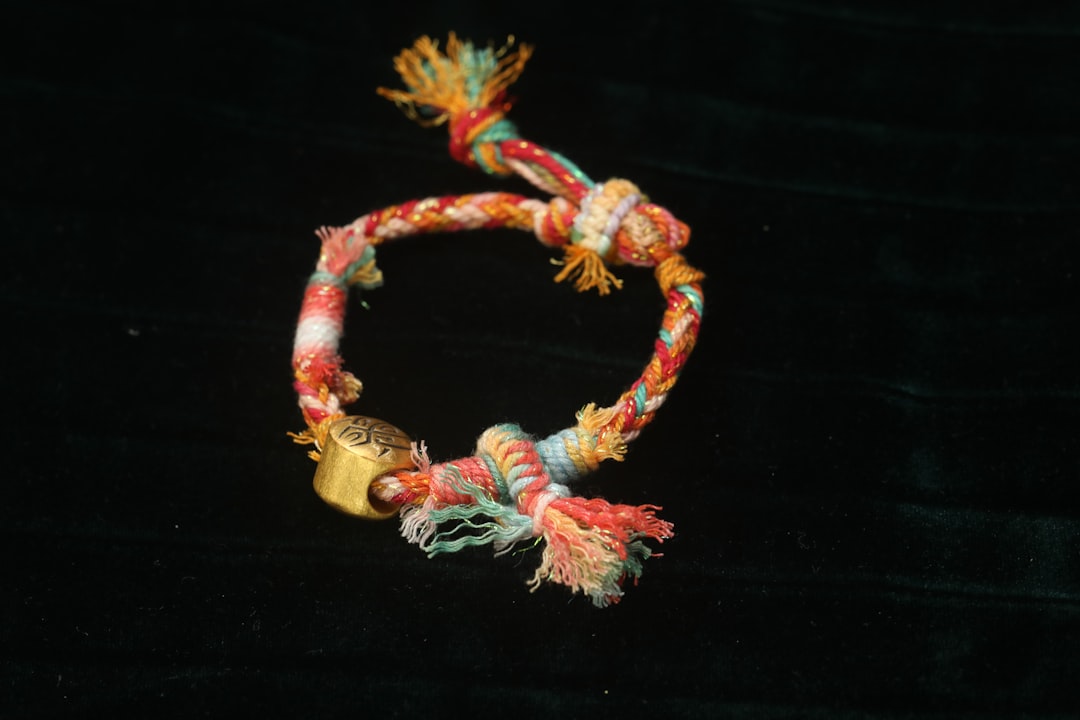
Important Raksha Bandhan Rituals at Home
Apart from the Rakhi-tying ceremony, families may follow additional customs.
Seek the Blessings of Elders
Many families begin or conclude festival celebrations by seeking blessings from parents and grandparents.
Prepare Festive Food
Traditional sweets and family meals are an important part of celebrations in many households.
Pray for the Entire Family
Although Raksha Bandhan focuses on siblings, the occasion can also be used to pray for peace, harmony and well-being within the entire family.
Celebrate With Sincerity
The essence of the ritual lies in affection, gratitude and goodwill rather than expensive decorations or gifts.
Raksha Bandhan Bhadra Timing 2026: Best Time to Tie Rakhi
Can Raksha Bandhan Puja Be Performed at Home?
Yes. Raksha Bandhan puja can easily be performed at home.
No elaborate arrangement is required for a simple family ceremony.
Prepare a small puja thali containing Rakhi, roli or kumkum, rice, a diya and sweets. Begin with a prayer, apply tilak, perform aarti, tie the Rakhi and exchange sweets and blessings.
Families can adapt the ceremony according to their regional and family traditions.
What If Your Brother or Sister Lives Far Away?
Distance does not have to remove the emotional significance of Raksha Bandhan.
If siblings live in different cities or countries, they can still connect through a video call, send Rakhi in advance or exchange messages and gifts.
Modern celebrations increasingly combine traditional customs with digital communication when family members cannot meet in person.
The central spirit remains the same: remembering the relationship and expressing love, gratitude and goodwill.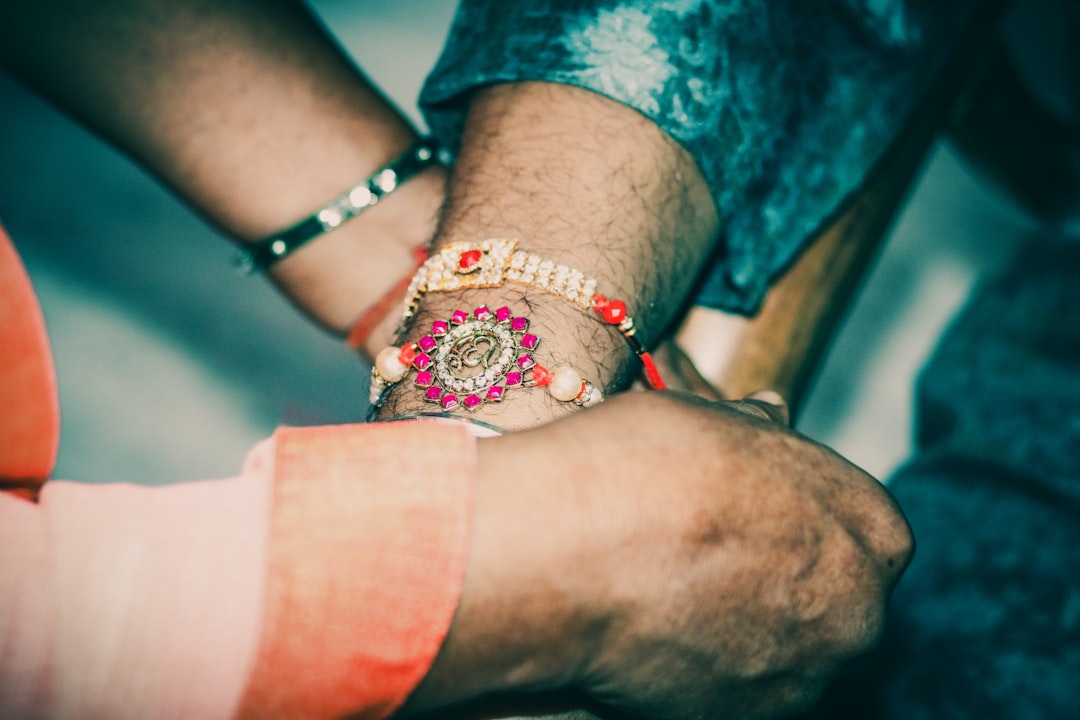
Common Mistakes to Avoid During Raksha Bandhan Puja
When performing Raksha Bandhan rituals at home, keep the ceremony simple and respectful.
Avoid rushing through the ritual merely to complete it.
Prepare the thali beforehand so the ceremony is not repeatedly interrupted.
If your family observes specific Panchang or muhurat traditions, check your local timings rather than assuming that timings published for another city apply to you.
Most importantly, do not become so focused on ritual details that the emotional meaning of Raksha Bandhan gets lost.
Spiritual Meaning of Raksha Bandhan
On the surface, Raksha Bandhan is a celebration between siblings.
At a deeper level, it can remind us of qualities that strengthen every meaningful relationship: responsibility, respect, trust, compassion and selfless care.
A sacred thread is simple, but what it represents can be profound.
The festival encourages us to ask:
Are we present for the people we love?
Do we support them when they need us?
Can our relationships move beyond expectations and become expressions of genuine care?
When the ritual is approached with awareness, the Raksha Bandhan puja at home becomes more than tradition, it becomes an opportunity to consciously renew a bond.
Performing Raksha Bandhan puja at home in 2026 does not require an elaborate setup. A simple Rakhi, diya, roli, rice, sweets and heartfelt prayer are enough to create a meaningful family celebration.
The complete Raksha Bandhan puja vidhi 2026 centres around prayer, tilak, aarti, tying the Rakhi, sharing sweets and exchanging blessings.
Beyond the rituals, Raksha Bandhan reminds us that relationships grow when they are nurtured with awareness, gratitude and genuine care.
This Raksha Bandhan, allow the sacred thread to become more than a tradition. Let it remind you to appreciate the people who stand beside you and to consciously strengthen the relationships that make life meaningful.
Personal Session
Sometimes reading and understanding spiritual principles is only the beginning. Personal challenges may require deeper clarity and individual guidance. A personal session can help you explore the thoughts, patterns and questions affecting your inner growth and discover a more conscious way forward. Take the next step towards clarity, balance and self-understanding.
Book Now