
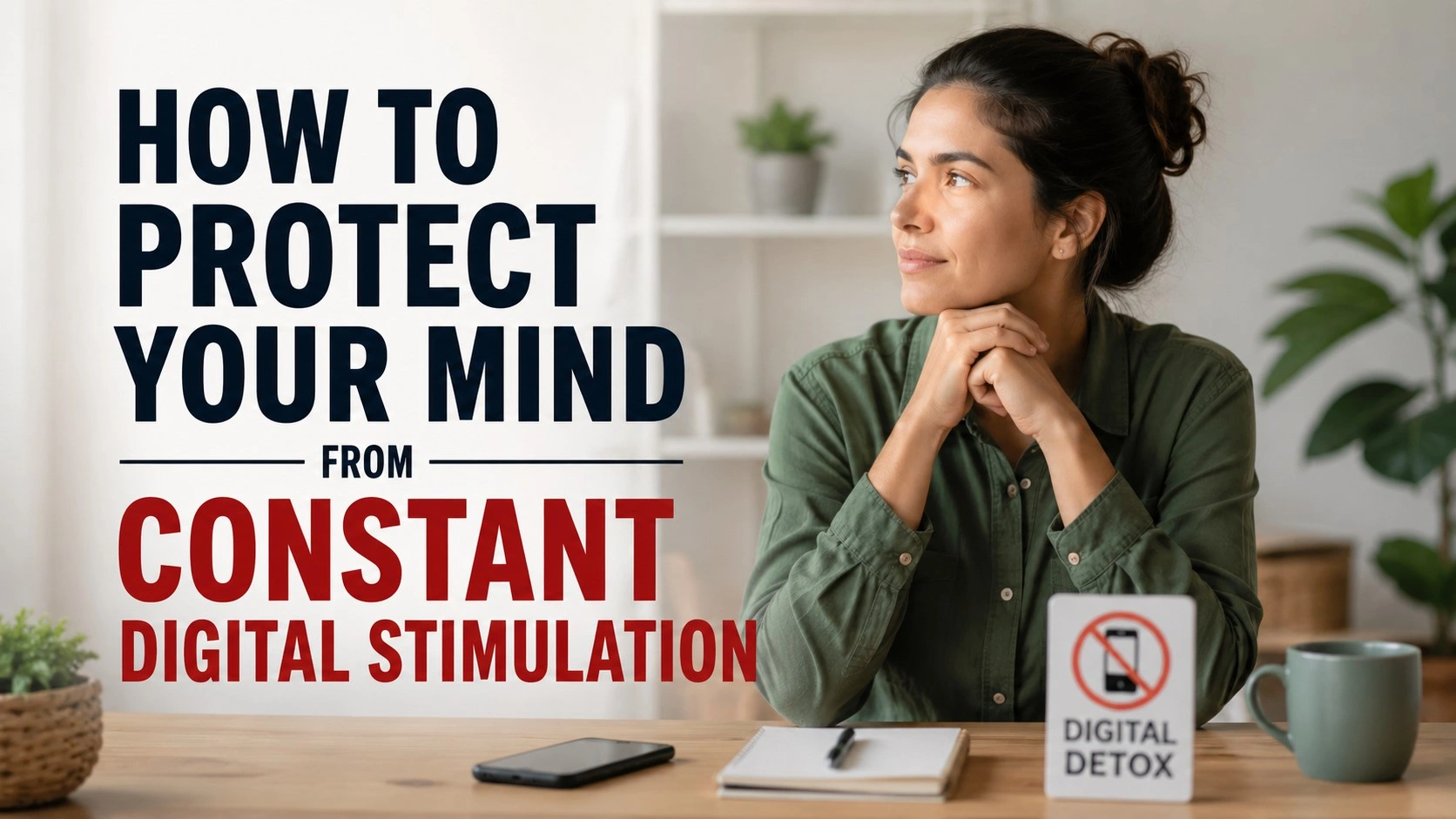
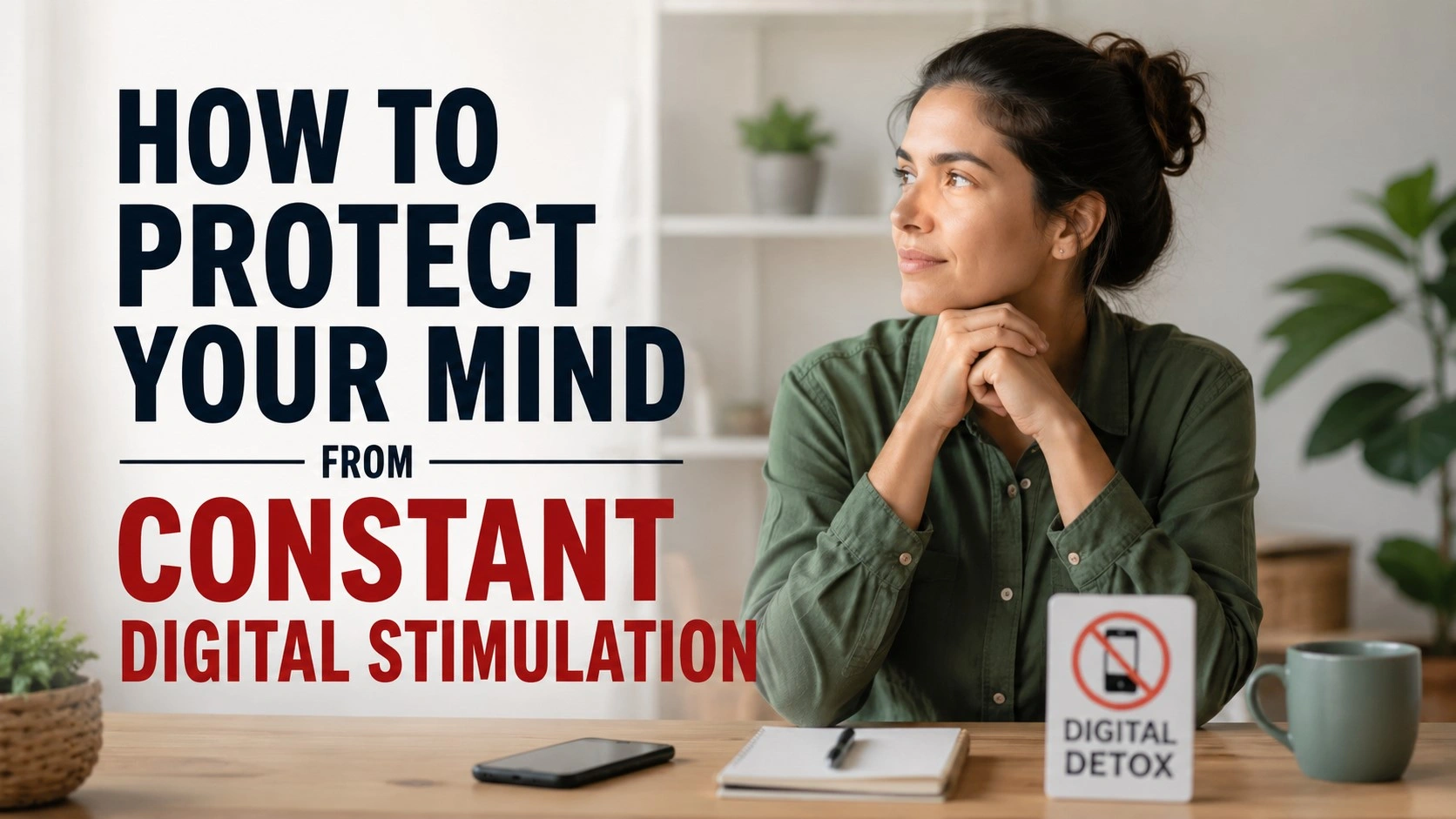
How to Protect Your Mind from Constant Digital Stimulation

Constant digital stimulation is silently exhausting the mind. Discover practical ways to reduce digital overload, improve mental clarity, reclaim focus, and create healthier digital habits for inner peace and productivity.

We live in a world where the mind rarely gets a moment of silence. Notifications, social media feeds, endless scrolling, emails, short videos, and constant online connectivity have created an environment of nonstop digital stimulation. While technology has made life easier, it has also increased digital overload, reduced our attention span, and contributed to rising levels of stress, anxiety, and mental exhaustion.

Today, many people experience symptoms like brain fog, lack of focus, emotional burnout, and mental fatigue without realizing that excessive screen exposure may be one of the biggest causes. Constant digital consumption overstimulates the brain and keeps the nervous system in a state of alertness. Over time, this can affect emotional balance, productivity, concentration, sleep quality, and overall mental health.

The good news is that protecting your mind from digital stimulation does not require abandoning technology completely. Small, mindful changes can help you regain focus, improve mental clarity, and restore inner peace.
We live in a world where the mind rarely gets a moment of silence. Notifications, social media feeds, endless scrolling, emails, short videos, and constant online connectivity have created an environment of nonstop digital stimulation. While technology has made life easier, it has also increased digital overload, reduced our attention span, and contributed to rising levels of stress, anxiety, and mental exhaustion.  Today, many people experience symptoms like brain fog, lack of focus, emotional burnout, and mental fatigue without realizing that excessive screen exposure may be one of the biggest causes. Constant digital consumption overstimulates the brain and keeps the nervous system in a state of alertness. Over time, this can affect emotional balance, productivity, concentration, sleep quality, and overall mental health.  The good news is that protecting your mind from digital stimulation does not require abandoning technology completely. Small, mindful changes can help you regain focus, improve mental clarity, and restore inner peace.  Understanding Digital Stimulation  Digital stimulation refers to the constant mental activity triggered by screens, notifications, online content, social media interactions, and rapid information consumption. Every time you check your phone, switch between apps, watch reels, or scroll endlessly, your brain processes new information.  This continuous input keeps the brain overstimulated. Instead of resting, the mind remains in a cycle of stimulation and distraction.  Common sources of digital stimulation include:  Social media scrolling Smartphone notifications Streaming platforms Short-form video content Gaming Constant messaging and emails News overload Multitasking between apps and devices  Over time, these habits contribute to digital burnout, cognitive overload, and mental exhaustion.  How Constant Screen Time Affects the Brain  Many people underestimate the effects of excessive screen time on mental health. Research and behavioral studies continue to show how digital overload impacts focus, emotions, and brain function.  Reduced Attention Span  Short-form content trains the brain to seek constant novelty. This makes it harder to focus deeply on tasks, conversations, reading, or creative work.  Dopamine Addiction  Social media platforms are designed to trigger dopamine release through likes, notifications, and endless scrolling. This creates a reward loop similar to addiction patterns.  Mental Fatigue  Constant exposure to digital information overwhelms the brain, leading to mental exhaustion and emotional burnout.  Anxiety and Overthinking  Digital overstimulation increases comparison, fear of missing out, and information overload, which contribute to anxiety and emotional stress.  Brain Fog and Lack of Clarity  When the brain never pauses, mental clarity decreases. Many people experience forgetfulness, low concentration, and scattered thinking due to excessive digital stimulation.  Signs Your Mind Is Digitally Overstimulated  Sometimes the symptoms appear slowly, making them easy to ignore. Here are some common signs of digital overload:  Feeling mentally exhausted after scrolling Difficulty focusing on one task Constant urge to check your phone Reduced attention span Trouble sleeping Anxiety when away from devices Doomscrolling late at night Feeling emotionally drained Brain fog and lack of concentration Difficulty staying present in real-life conversations  Recognizing these symptoms is the first step toward protecting your mental wellbeing.  Why Digital Detox Matters  A digital detox is not about rejecting technology. It is about creating healthier boundaries with devices and online content.  Your brain needs periods of silence and rest to recover from overstimulation. Just as the body requires sleep and recovery, the mind also needs breaks from constant input.  Benefits of digital detox include:  Improved focus and concentration Better emotional balance Reduced anxiety and stress Improved sleep quality Increased productivity Better mental clarity Stronger real-life relationships More mindfulness and inner peace  Even short periods away from screens can significantly improve mental wellbeing.  Powerful Ways to Protect Your Mind from Digital Stimulation 1. Create Screen-Free Mornings  Many people begin their day by immediately checking notifications and social media. This floods the brain with stimulation before the mind has fully awakened.  Instead:  Avoid screens for the first 30–60 minutes Practice meditation or deep breathing Journal your thoughts Stretch or go for a walk Drink water mindfully  A calm morning creates mental clarity for the rest of the day.  2. Limit Social Media Consumption  Social media overstimulation is one of the biggest causes of digital fatigue.  You do not have to quit social media entirely. Instead:  Set daily time limits Unfollow accounts that create negativity Avoid endless scrolling Take regular breaks Turn off unnecessary notifications  Mindful social media use protects attention and emotional energy.  3. Practice Digital Minimalism  Digital minimalism means using technology intentionally instead of compulsively.  Ask yourself:  Does this app improve my life? Am I consuming content consciously or mindlessly? Is this information necessary?  Reducing unnecessary digital clutter creates more mental peace and focus.  4. Train Your Brain for Deep Focus  Constant multitasking weakens concentration. To rebuild focus:  Work in distraction-free blocks Keep your phone away while working Use single-tasking instead of multitasking Practice reading without interruptions Take intentional breaks  Deep focus improves productivity and mental calmness.  5. Stop Doomscrolling at Night  Late-night scrolling overstimulates the nervous system and affects sleep quality.  To improve mental recovery:  Avoid screens 1 hour before sleep Keep devices away from the bed Replace scrolling with reading or meditation Dim screen brightness in the evening  Protecting your sleep is essential for brain health and emotional balance.  6. Spend More Time Offline  The brain naturally relaxes when exposed to slower, real-world experiences.  Helpful offline activities include:  Walking in nature Exercising Journaling Reading physical books Spending time with loved ones Meditation and mindfulness practices  Offline moments help calm an overstimulated mind.  7. Practice Mindfulness in the Digital Age  Mindfulness helps break automatic digital habits.  Simple mindfulness practices include:  Taking conscious breathing breaks Observing urges to check your phone Eating without screens Being fully present during conversations Watching thoughts without reacting immediately  Mindfulness trains the mind to slow down and regain control.  8. Protect Your Attention Like a Valuable Resource  Today, attention has become one of the most valuable assets. Every app, advertisement, and notification competes for it.  Protecting your attention means:  Choosing what deserves your energy Reducing unnecessary distractions Creating intentional digital habits Being conscious about content consumption  Where attention goes, energy follows.  The Connection Between Digital Overload and Mental Health  The relationship between technology and mental health is becoming increasingly important. Excessive digital stimulation affects emotional wellbeing in several ways:  Increased anxiety and stress Emotional burnout Reduced self-esteem through comparison Sleep disruption Reduced emotional presence Chronic overstimulation  Creating healthier digital boundaries supports both mental wellness and emotional stability.  Reclaiming Mental Clarity in a Hyperconnected World  Mental clarity does not come from consuming more information. It comes from creating space within the mind.  In today’s hyperconnected world, silence has become rare. But silence is necessary for creativity, emotional balance, and inner peace.  You do not need to disconnect from technology completely. You simply need to reconnect with yourself more intentionally.  Small daily habits can slowly transform your mental state:  Spend less time scrolling Protect your focus Create moments of stillness Practice mindfulness Prioritize real-life experiences  Over time, these changes strengthen concentration, improve emotional wellbeing, and restore inner calm.  Final Thoughts  Constant digital stimulation is reshaping the way we think, focus, and experience life. While technology offers incredible benefits, excessive digital exposure can lead to mental exhaustion, anxiety, reduced attention span, and emotional burnout.  Protecting your mind begins with awareness. By creating healthier digital habits, practicing mindfulness, limiting overstimulation, and intentionally reclaiming your attention, you can improve mental clarity and emotional wellbeing.  The goal is not perfection. The goal is balance.  In a world filled with endless noise, protecting your peace is a powerful act of self-care.


Understanding Digital Stimulation

Digital stimulation refers to the constant mental activity triggered by screens, notifications, online content, social media interactions, and rapid information consumption. Every time you check your phone, switch between apps, watch reels, or scroll endlessly, your brain processes new information.

This continuous input keeps the brain overstimulated. Instead of resting, the mind remains in a cycle of stimulation and distraction.

Common sources of digital stimulation include:

  • Social media scrolling

  • Smartphone notifications

  • Streaming platforms

  • Short-form video content

  • Gaming

  • Constant messaging and emails

  • News overload

  • Multitasking between apps and devices

Over time, these habits contribute to digital burnout, cognitive overload, and mental exhaustion.

Design Your Destiny

Your attention shapes your life. When you learn to protect your mind from distractions, you create space for clarity, peace, and conscious living. Join the Design Your Destiny journey and discover practical spiritual wisdom, mindfulness techniques, and life-transforming habits to reclaim your focus and inner power.

How Constant Screen Time Affects the Brain

Many people underestimate the effects of excessive screen time on mental health. Research and behavioral studies continue to show how digital overload impacts focus, emotions, and brain function.

Reduced Attention Span

Short-form content trains the brain to seek constant novelty. This makes it harder to focus deeply on tasks, conversations, reading, or creative work.

Dopamine Addiction

Social media platforms are designed to trigger dopamine release through likes, notifications, and endless scrolling. This creates a reward loop similar to addiction patterns.

Mental Fatigue

Constant exposure to digital information overwhelms the brain, leading to mental exhaustion and emotional burnout.

Anxiety and Overthinking

Digital overstimulation increases comparison, fear of missing out, and information overload, which contribute to anxiety and emotional stress.

Brain Fog and Lack of Clarity

When the brain never pauses, mental clarity decreases. Many people experience forgetfulness, low concentration, and scattered thinking due to excessive digital stimulation.

Signs Your Mind Is Digitally Overstimulated

Sometimes the symptoms appear slowly, making them easy to ignore. Here are some common signs of digital overload:

  • Feeling mentally exhausted after scrolling

  • Difficulty focusing on one task

  • Constant urge to check your phone

  • Reduced attention span

  • Trouble sleeping

  • Anxiety when away from devices

  • Doomscrolling late at night

  • Feeling emotionally drained

  • Brain fog and lack of concentration

  • Difficulty staying present in real-life conversations

Recognizing these symptoms is the first step toward protecting your mental wellbeing.

Why Digital Detox Matters

A digital detox is not about rejecting technology. It is about creating healthier boundaries with devices and online content.

Your brain needs periods of silence and rest to recover from overstimulation. Just as the body requires sleep and recovery, the mind also needs breaks from constant input.

Benefits of digital detox include:

  • Improved focus and concentration

  • Better emotional balance

  • Reduced anxiety and stress

  • Improved sleep quality

  • Increased productivity

  • Better mental clarity

  • Stronger real-life relationships

  • More mindfulness and inner peace

Even short periods away from screens can significantly improve mental wellbeing.

7 Ways to Balance Technology and Mental Health | by Syed Ahmed | The Road to Wellness | Medium

Powerful Ways to Protect Your Mind from Digital Stimulation

1. Create Screen-Free Mornings

Many people begin their day by immediately checking notifications and social media. This floods the brain with stimulation before the mind has fully awakened.

Instead:

  • Avoid screens for the first 30–60 minutes

  • Practice meditation or deep breathing

  • Journal your thoughts

  • Stretch or go for a walk

  • Drink water mindfully

A calm morning creates mental clarity for the rest of the day.

2. Limit Social Media Consumption

Social media overstimulation is one of the biggest causes of digital fatigue.

You do not have to quit social media entirely. Instead:

  • Set daily time limits

  • Unfollow accounts that create negativity

  • Avoid endless scrolling

  • Take regular breaks

  • Turn off unnecessary notifications

Mindful social media use protects attention and emotional energy.

3. Practice Digital Minimalism

Digital minimalism means using technology intentionally instead of compulsively.

Ask yourself:

  • Does this app improve my life?

  • Am I consuming content consciously or mindlessly?

  • Is this information necessary?

Reducing unnecessary digital clutter creates more mental peace and focus.

Transform Your Life

Order ‘Maha Mantras’ Today

4. Train Your Brain for Deep Focus

Constant multitasking weakens concentration. To rebuild focus:

  • Work in distraction-free blocks

  • Keep your phone away while working

  • Use single-tasking instead of multitasking

  • Practice reading without interruptions

  • Take intentional breaks

Deep focus improves productivity and mental calmness.

5. Stop Doomscrolling at Night

Late-night scrolling overstimulates the nervous system and affects sleep quality.

To improve mental recovery:

  • Avoid screens 1 hour before sleep

  • Keep devices away from the bed

  • Replace scrolling with reading or meditation

  • Dim screen brightness in the evening

Protecting your sleep is essential for brain health and emotional balance.

6. Spend More Time Offline

The brain naturally relaxes when exposed to slower, real-world experiences.

Helpful offline activities include:

  • Walking in nature

  • Exercising

  • Journaling

  • Reading physical books

  • Spending time with loved ones

  • Meditation and mindfulness practices

Offline moments help calm an overstimulated mind.

7. Practice Mindfulness in the Digital Age

Mindfulness helps break automatic digital habits.

Simple mindfulness practices include:

  • Taking conscious breathing breaks

  • Observing urges to check your phone

  • Eating without screens

  • Being fully present during conversations

  • Watching thoughts without reacting immediately

Mindfulness trains the mind to slow down and regain control.

8. Protect Your Attention Like a Valuable Resource

Today, attention has become one of the most valuable assets. Every app, advertisement, and notification competes for it.

Protecting your attention means:

  • Choosing what deserves your energy

  • Reducing unnecessary distractions

  • Creating intentional digital habits

  • Being conscious about content consumption

Where attention goes, energy follows.

The Connection Between Digital Overload and Mental Health

The relationship between technology and mental health is becoming increasingly important. Excessive digital stimulation affects emotional wellbeing in several ways:

  • Increased anxiety and stress

  • Emotional burnout

  • Reduced self-esteem through comparison

  • Sleep disruption

  • Reduced emotional presence

  • Chronic overstimulation

Creating healthier digital boundaries supports both mental wellness and emotional stability.

A woman meditating with a smartphone nearby, using a mindfulness or mental health app with a blank mobile screen

Reclaiming Mental Clarity in a Hyperconnected World

Mental clarity does not come from consuming more information. It comes from creating space within the mind.

In today’s hyperconnected world, silence has become rare. But silence is necessary for creativity, emotional balance, and inner peace.

You do not need to disconnect from technology completely. You simply need to reconnect with yourself more intentionally.

Small daily habits can slowly transform your mental state:

  • Spend less time scrolling

  • Protect your focus

  • Create moments of stillness

  • Practice mindfulness

  • Prioritize real-life experiences

Over time, these changes strengthen concentration, improve emotional wellbeing, and restore inner calm.

Constant digital stimulation is reshaping the way we think, focus, and experience life. While technology offers incredible benefits, excessive digital exposure can lead to mental exhaustion, anxiety, reduced attention span, and emotional burnout.

Protecting your mind begins with awareness. By creating healthier digital habits, practicing mindfulness, limiting overstimulation, and intentionally reclaiming your attention, you can improve mental clarity and emotional wellbeing.

The goal is not perfection. The goal is balance.

In a world filled with endless noise, protecting your peace is a powerful act of self-care.

Personal Session

Feeling mentally exhausted, distracted, or emotionally overwhelmed? Book a personal session for guidance on mindfulness, emotional balance, digital detox practices, and conscious living. Learn practical ways to restore mental clarity, regain focus, and create a peaceful, balanced life.

Read Latest Articles

  1. Feminine Energy Makes You Powerful Without Trying

  2. How Social Media Is Making You Feel Emotionally Empty

  3. Laughing Outside, Crying Within: A Spiritual Disconnect

FAQs

Share this post

Loading...