
Nirjala Ekadashi vrat is one of the most revered Ekadashi observances in the Hindu calendar. Devotees worship Lord Vishnu, practise restraint, prayer and charity, and seek to deepen their devotion. The word nirjala means “without water,” which is why this vrat is known for its disciplined form of fasting. Yet its real spirit is not only about giving up food or water. It is about simplifying the day, remembering the divine and letting go of habits that pull the mind away from peace.
This guide explains Nirjala Ekadashi puja vidhi, Nirjala Ekadashi rules, the traditional Nirjala Ekadashi vrat katha, parana guidance and the spiritual meaning people associate with the fast. Customs can differ from one home and region to another, so follow your family tradition or a trusted local priest or panchang for the exact observance details.
What Is Nirjala Ekadashi?
Nirjala Ekadashi is observed during the Shukla Paksha of the Jyeshtha month in many Hindu calendars. It is also called Bhima Ekadashi, Bhimseni Ekadashi or Pandava Ekadashi because of its association with Bhima from the Mahabharata.
Among the different Ekadashi fasts, this one is traditionally considered especially strict. Some devotees observe a complete fast without food and water, while others follow a modified vrat based on their family custom and personal capacity. The purpose remains the same: to spend the day in bhakti, self-discipline, prayer and remembrance of Lord Vishnu.
For people looking up Nirjala Ekadashi 2026, it is important to check a reliable panchang for their own city. The tithi and Nirjala Ekadashi parana time can differ by location, so local timing should always guide the vrat and its completion.
Design Your Destiny
Move beyond occasional rituals and bring spiritual understanding into daily life. Join Design Your Destiny to explore conscious living, inner balance and practical ways to apply timeless wisdom in your personal journey.
Start Your Journey Today!Nirjala Ekadashi Significance
Every Ekadashi is seen as a day of spiritual refinement. It encourages devotees to reduce distractions and direct their attention inward. Nirjala Ekadashi is especially remembered for the intensity of its vow. The fast becomes a symbolic way to practise control over comfort, cravings and restlessness.
The Nirjala Ekadashi significance also lies in devotion to Lord Vishnu. Devotees often spend more time with Vishnu mantras, bhajans, reading or listening to sacred stories and offering simple prayers. Many people use the day to reflect on their actions and renew a sincere spiritual intention.
Nirjala Ekadashi Vrat Katha: Why Is It Called Bhima Ekadashi?
The Nirjala Ekadashi vrat katha is commonly linked with Bhima, one of the Pandavas. Traditional retellings say that Bhima found it difficult to observe fasts because of his strong appetite. He wanted the spiritual merit associated with Ekadashi vrat but felt unable to keep every Ekadashi fast through the year.
He approached sage Ved Vyasa for guidance. The sage advised him to observe the Nirjala Ekadashi vrat with full devotion. By sincerely keeping this one demanding fast, Bhima could honour the essence of the Ekadashi discipline that he found difficult to practise regularly. Because of this story, the day came to be known as Bhima Ekadashi, Bhimseni Ekadashi and Pandava Ekadashi.
The lesson in this katha is relatable: spiritual practice begins with honesty. Bhima did not pretend to be perfect; he asked for a path he could follow with sincerity. A heartfelt vow, kept with humility, carries more meaning than a ritual performed only for appearance.
Nirjala Ekadashi Puja Vidhi
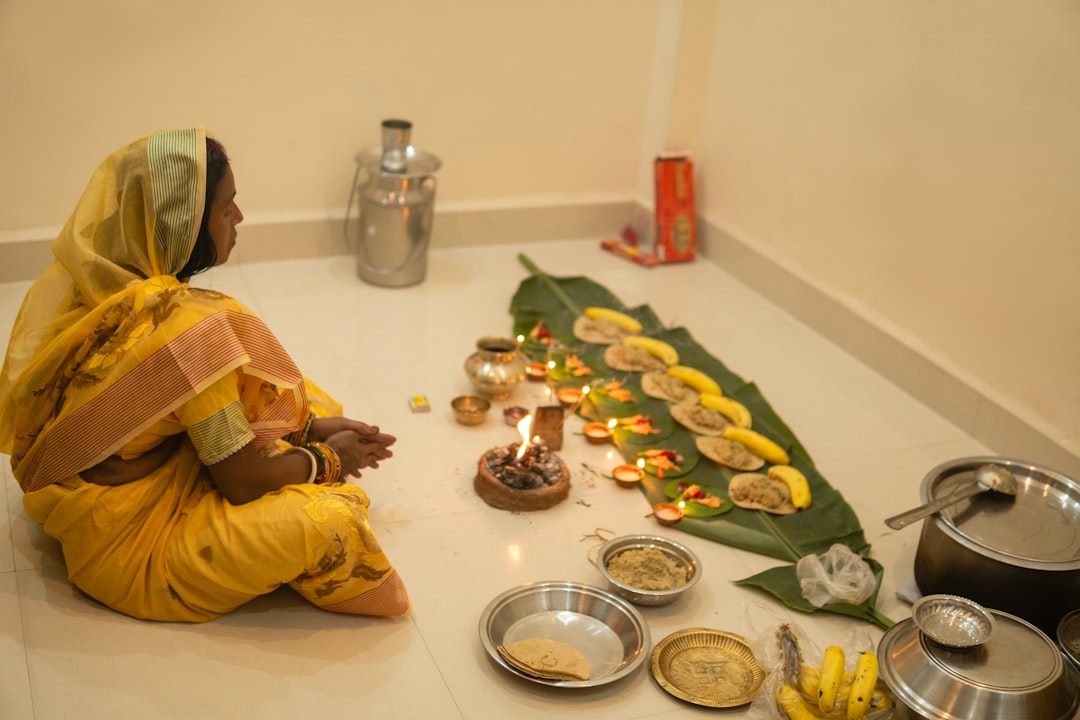
Nirjala Ekadashi puja vidhi is usually simple, clean and devotional. Begin the day with an early bath and wear clean clothes. Take a calm moment to make a sankalp, or inner resolve, for the fast. You may dedicate the vrat to Lord Vishnu and pray for steadiness of mind, forgiveness for mistakes and the strength to live with dharma.
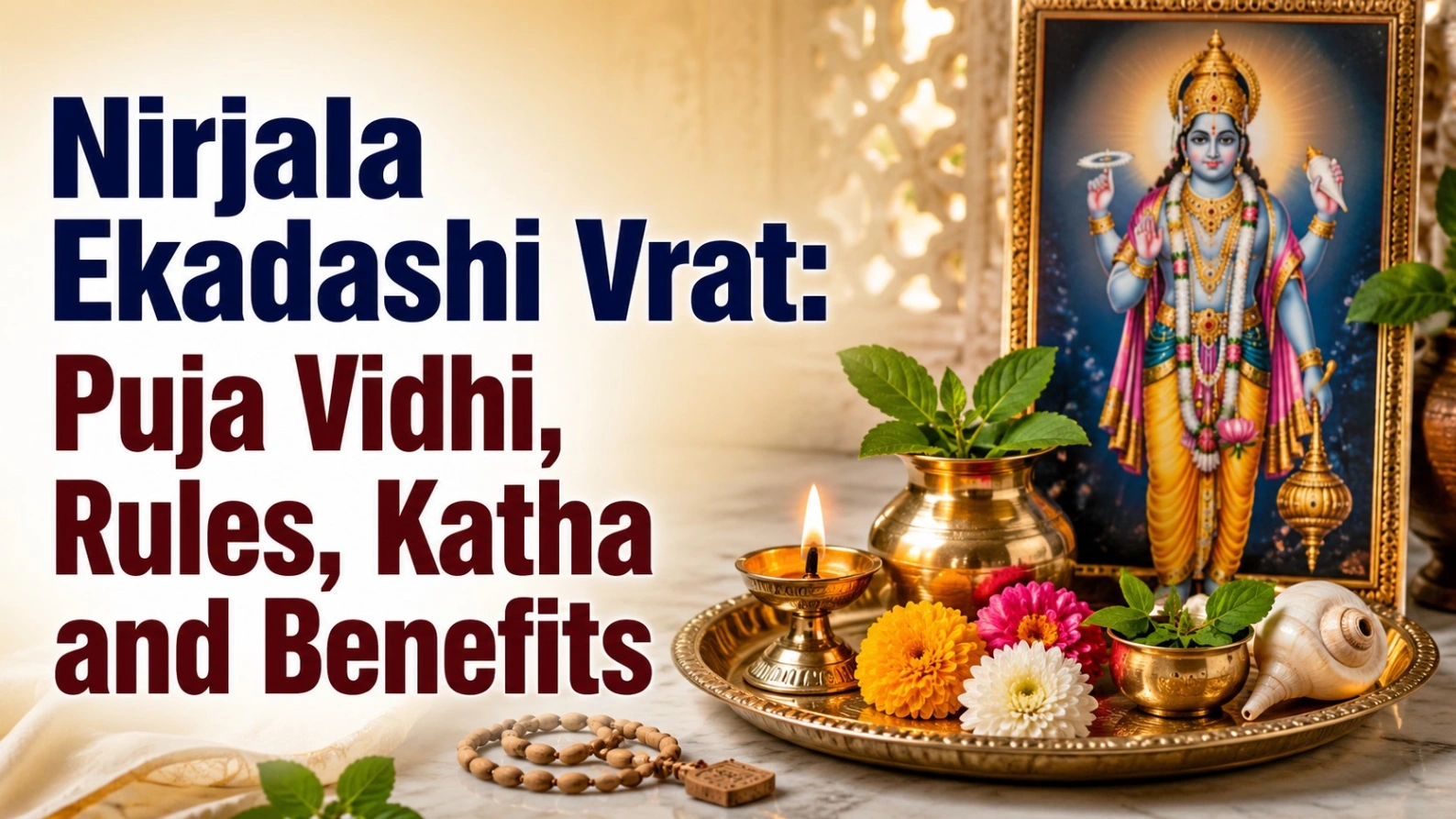
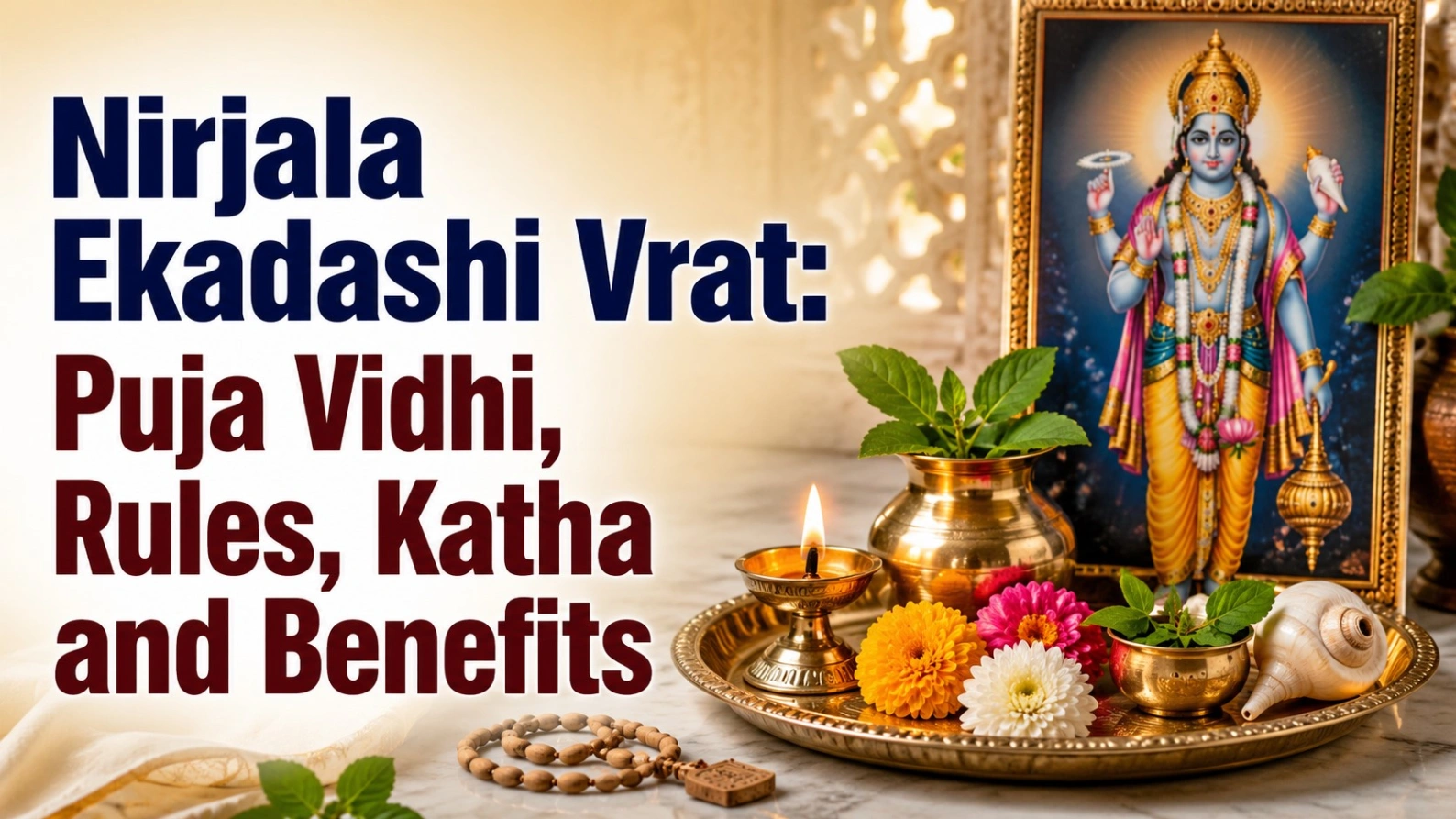
Prepare a clean puja space and place an image or idol of Lord Vishnu. Some devotees also worship Lakshmi Narayan. Offer flowers, tulsi leaves, fruits, incense or a simple diya according to the customs followed at home. Tulsi is traditionally associated with Vishnu worship, so devotees often include it in the offering where appropriate.
After the offering, chant a Nirjala Ekadashi mantra or recite Vishnu prayers. “Om Namo Bhagavate Vasudevaya” is widely used by devotees as a simple mantra of devotion. You may also listen to or read the Nirjala Ekadashi vrat katha with family members. Many homes conclude with an aarti and a prayer for the well-being of all.
Charity is also a meaningful part of the day. Nirjala Ekadashi daan may include water, food, clothes, grains, fans, umbrellas or other useful items, depending on personal ability and local tradition.
Nirjala Ekadashi Puja Samagri
Nirjala Ekadashi puja samagri can be arranged without making the ritual complicated. A clean altar, Lord Vishnu’s image or idol, flowers, tulsi leaves, incense, diya, cotton wick, kumkum or sandalwood paste, fruits and prasad are commonly used.
You may also keep a small bowl or kalash of clean water as part of the puja, even when observing a strict vrat. The offering is for worship and should be handled according to your family’s custom. Devotion, cleanliness and sincerity matter more than an elaborate setup.
Nirjala Ekadashi Rules to Follow
Nirjala Ekadashi rules are meant to support a peaceful and prayerful day. First, decide the form of fasting you are able and willing to observe according to your tradition. A complete waterless fast is associated with Nirjala Ekadashi, but not every household observes it in exactly the same way.
Avoid anger, gossip, harsh speech and unnecessary arguments. The vrat becomes more meaningful when the mind is also kept light. Try to reduce entertainment, excessive scrolling and activities that leave little room for prayer or self-reflection.
Many devotees avoid grains, rice, lentils and regular salt on Ekadashi. Those following a partial vrat may take fruits or traditional vrat foods according to their family practice. A sincere observance, done respectfully, is more valuable than forcing a rule without understanding it.
Nirjala Ekadashi Mein Kya Karein and Kya Nahi Karna Chahiye
Start the day with prayer, keep your thoughts gentle and make room for spiritual practice. You can visit a Vishnu temple if it is part of your tradition, recite mantras, listen to katha, offer tulsi leaves and help someone in need. Even a short period of silent reflection can make the day feel more meaningful.
People often ask, “Nirjala Ekadashi mein kya nahi karna chahiye?” The usual guidance is to avoid negative speech, intoxication, non-vegetarian food, quarrels and actions that hurt others. Many devotees also avoid consuming grains. More than a list of restrictions, the day is an invitation to choose purity in thought, word and action.
Another common question is, “Nirjala Ekadashi mein pani peena chahiye ya nahi?” Traditionally, a strict Nirjala Ekadashi vrat means abstaining from water. However, observance varies by personal capacity and family tradition. The spirit of the vrat should remain rooted in devotion, not in discomfort or comparison.
Nirjala Ekadashi Benefits: The Spiritual Meaning of the Fast
Nirjala Ekadashi benefits are often understood in spiritual rather than material terms. The vrat creates a pause in a fast-moving routine. It gives devotees a day to pray, simplify their choices and return to what feels sacred.
Fasting may also make a person more aware of automatic habits. When the usual routine changes, the mind can notice its cravings, impatience and attachments more clearly. This awareness can become an opportunity for self-control and gratitude.
Devotees believe that worshipping Lord Vishnu on this day brings inner peace, spiritual strength and blessings for a more dharmic life. Charity adds another layer of meaning because it turns personal prayer into care for others. The greatest benefit is the inner attitude cultivated by the day: faith without show, discipline without pride and devotion without expectation.
Nirjala Ekadashi Parana Vidhi
Nirjala Ekadashi parana means respectfully concluding the fast on Dwadashi. The Nirjala Ekadashi vrat todne ka samay should be checked from a local panchang because it depends on the relevant tithi and your location.
Traditionally, devotees first offer prayers to Lord Vishnu and then break the fast at the appropriate parana time. In many homes, the fast is opened gently with water, tulsi, fruit or a simple sattvic meal, according to family practice. Some devotees also feed others or offer daan before parana.
Nirjala Ekadashi vrat is not only about what you do not consume. It is about what you choose to nourish: faith, compassion, discipline and remembrance of the divine. Whether your puja is elaborate or simple, let it be honest and rooted in reverence.
Personal Session
For one-to-one spiritual guidance, book a personal session. Receive a focused space to reflect on your questions, challenges and next steps with greater clarity and inner direction.
Book Now