
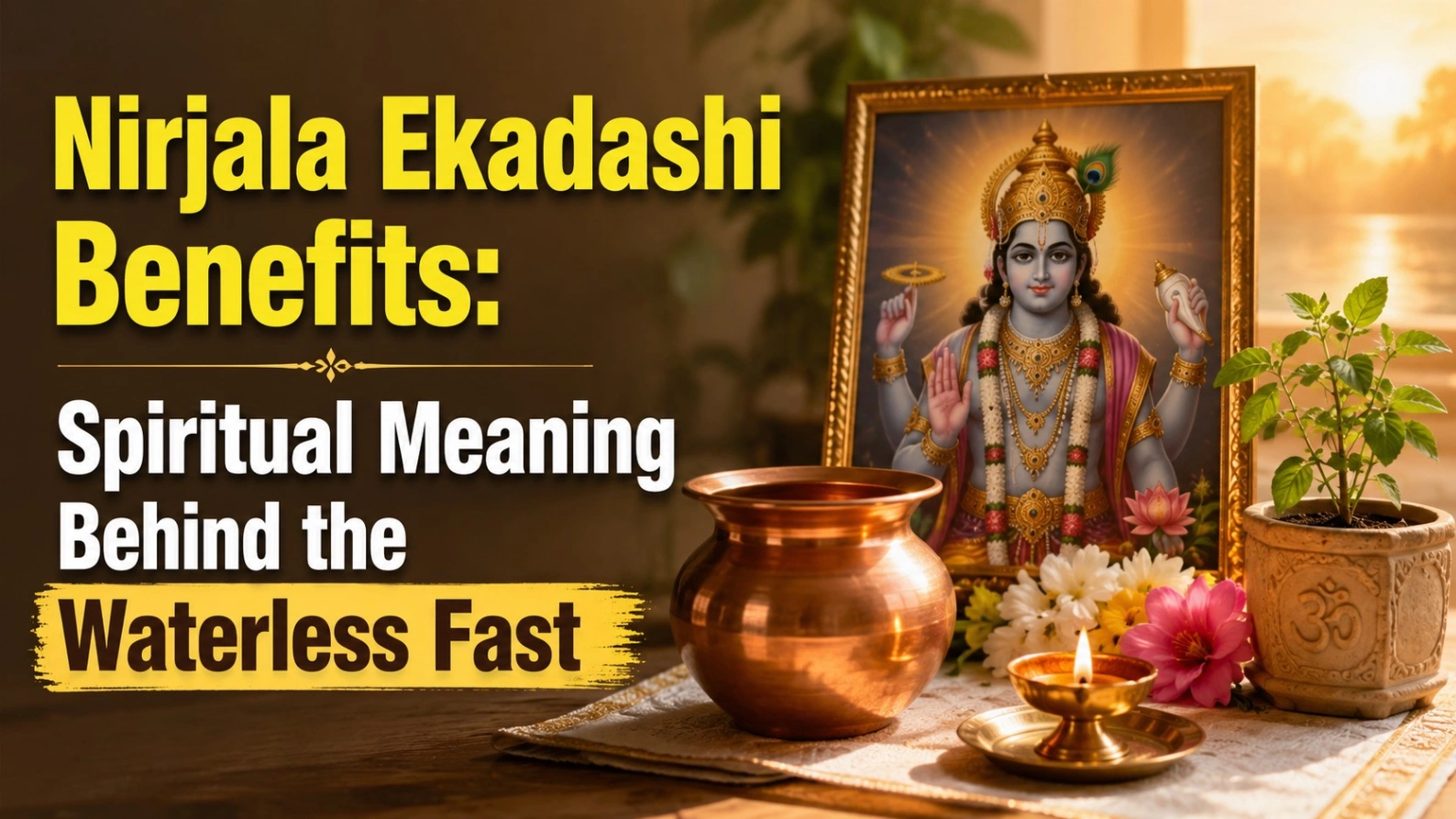
Nirjala Ekadashi benefits are traditionally understood through faith, discipline and devotion. Observed in the Shukla Paksha of the Jyeshtha month, this sacred Ekadashi is known for its waterless fast. “Nirjala” means “without water,” so a traditional Nirjala Ekadashi vrat involves abstaining from both food and water for the pledged period. Yet its purpose is not only physical restraint. It is an invitation to pause, turn inward and remember what truly sustains us.
For many devotees, the day is dedicated to Lord Vishnu through prayer, mantra japa, sacred reading, charity and self-reflection. It is also known as Pandava Nirjala Ekadashi, Bhim Ekadashi and Bhimseni Ekadashi because of its connection with Bhima in the Mahabharata tradition. Its strictness is why it is approached with reverence, but the vrat asks for sincerity, not performance.
Nirjala Ekadashi 2026: Date and Parana
For those searching “Nirjala Ekadashi kab hai 2026?”, the vrat falls on Thursday, June 25, 2026. Parana, the ceremonial breaking of the fast, is traditionally observed on Dwadashi, Friday, June 26. Nirjala Ekadashi parana time can vary by city and sampradaya, so check a local Panchang or consult your family priest before planning the observance.
Design Your Destiny
A vrat can create a pause, but lasting transformation comes from how we live every day. Join Design Your Destiny to explore practical spiritual tools for self-awareness, disciplined action, emotional balance and a life guided by inner clarity.
Start Your Journey Today!What Is Nirjala Ekadashi?
Ekadashi is the eleventh lunar day in each fortnight of the Hindu calendar. Nirjala Ekadashi falls in the waxing phase of the moon, or Shukla Paksha, in Jyeshtha. It usually comes during summer, making the discipline of a waterless fast particularly intense.
On many Ekadashis, devotees may follow a fruit-based fast, avoid grains or take water according to family practice. Nirjala Ekadashi is different. In its strict form, it means no food and no water. This makes it one of the most austere Ekadashi vrats.
Still, the heart of the observance is bhava, or inner intention. A person may be fasting physically but remain restless or unkind. Another may need a health-conscious modification yet remain fully prayerful. The spiritual value lies in devotion, honesty and conscious living.
Nirjala Ekadashi Significance: Why Is the Fast Waterless?
The waterless fast meaning is symbolic. Water is one of life’s most immediate needs. Stepping away from it for a limited ritual period can make a devotee more aware of desire, dependence and gratitude. Each moment of discomfort can become a reminder to return the mind to prayer.
In Hindu tradition, the vrat is associated with surrender to Lord Vishnu. It encourages the devotee to place spiritual remembrance above comfort for a day. The aim is not to punish the body or prove strength. It is to practise humility, self-restraint and steadiness of mind.
Daan, or giving, also has an important place in the day. Offering water, food, clothing or practical help to someone in need reflects the lesson of the fast. Many families include water donation, anna daan or seva in their Nirjala Ekadashi observance.
Why Is Nirjala Ekadashi Called Bhim Ekadashi?
The popular Nirjala Ekadashi vrat katha explains why the day is called Bhim Ekadashi or Pandava Ekadashi. In the traditional story, Bhima found it difficult to observe every Ekadashi fast because of his powerful appetite. He wanted to honour the discipline but struggled with regular fasting.
He approached Sage Vyasa for guidance and was advised to observe this one Nirjala Ekadashi vrat with complete sincerity. By following this demanding fast, Bhima could express his devotion even though he could not keep every Ekadashi in the year. This association gave the day the names Bhimseni Ekadashi and Pandava Nirjala Ekadashi.
The katha offers a compassionate message. Spiritual practice is not a competition. Bhima did not pretend that fasting was easy for him. He sought a path he could follow truthfully. For modern seekers, this is a reminder to choose devotion with honesty rather than ego.
Traditional belief holds that this vrat brings the merit associated with Ekadashi observance. This is a matter of faith, not a transactional promise. Its deeper lesson is that prayer, restraint and service can purify intention.
Nirjala Ekadashi Benefits: The Inner Meaning of the Vrat
The benefits of Nirjala Ekadashi vrat are spiritual and personal. They are not guaranteed outcomes or shortcuts for life’s problems. Rather, they are qualities a devotee may cultivate through sincere observance.
It Builds Self-Discipline
A fast makes us notice how quickly the mind reaches for comfort. Hunger, thirst, boredom and routine become teachers. When we pause instead of reacting immediately, self-control can grow. That discipline may slowly extend to speech, anger, spending and attention.
It Deepens Devotion
The Nirjala Ekadashi vrat gives dedicated time for remembering Lord Vishnu. Chanting “Om Namo Bhagavate Vasudevaya,” listening to bhajans, reading the Bhagavad Gita or hearing the Ekadashi vrat katha can make the day feel less like denial and more like an offering.

It Encourages Gratitude and Compassion
The absence of water can make ordinary gifts feel extraordinary: a glass of water, a simple meal, shade and the care of family. This renewed gratitude is among the most meaningful waterless fast benefits. When it is joined with charity or seva, fasting for spiritual growth becomes an expression of compassion rather than self-focus.
It Creates a Sacred Routine
Ekadashi fasting benefits are often found in the rhythm it creates. A recurring day of simplicity, prayer and service can gently bring a person back to faith, humility and a quieter mind.
Nirjala Ekadashi Puja Vidhi at Home
Nirjala Ekadashi puja vidhi differs across regions and family traditions, so simplicity is enough. Many devotees begin with a bath, clean clothes and a tidy prayer space. An image or murti of Lord Vishnu may be worshipped with flowers, incense, a diya and offerings according to household custom. Tulsi leaves may be offered where this is customary.
Take a simple sankalp, or inner resolve, for the vrat. You may pray for clarity, devotion, the well-being of loved ones or the strength to live by dharma. Chanting a Vishnu mantra, reciting Vishnu Sahasranama, reading the Bhagavad Gita or listening to the Nirjala Ekadashi vrat katha are common practices.
The deeper puja is in conduct. Avoid harsh speech, gossip, needless arguments and mindless distraction. Give time to aarti, bhajan, satsang, seva or silence. Vishnu puja on Ekadashi becomes more meaningful when the mind also becomes gentler.
Nirjala Ekadashi Fasting Rules: Can We Drink Water?
People often ask, “Nirjala Ekadashi me pani pi sakte hai?” In a strict Nirjala vrat, no food and no water are consumed during the vowed fasting period. That is what distinguishes it from other forms of Ekadashi fasting.
However, faith should never mean ignoring health needs. A dry fast can be difficult, particularly in hot weather. Anyone with a health condition, pregnancy or breastfeeding needs, medicines that require water or food, or concerns about dehydration should seek medical guidance before attempting a strict waterless fast. A modified Ekadashi observance with prayer, satvik food or water may be more appropriate.
If you feel unwell, dizzy, confused, severely weak or dehydrated, break the fast and seek help. Safety does not reduce devotion. It honours the body through which devotion is practised.
Nirjala Ekadashi Me Kya Khaye?
For a strict Nirjala Ekadashi vrat, no food or water is consumed until parana. That is the direct answer to “Nirjala Ekadashi me kya khaye?” during the actual fast: nothing.
Some people who cannot safely undertake a dry fast choose fruit, milk, simple vrat food or water while keeping prayer and grain-free discipline. This is a modified Ekadashi fast, not the strict nirjala form. Follow your health needs, household tradition and guidance from a trusted spiritual teacher.
How to Break Nirjala Ekadashi Fast
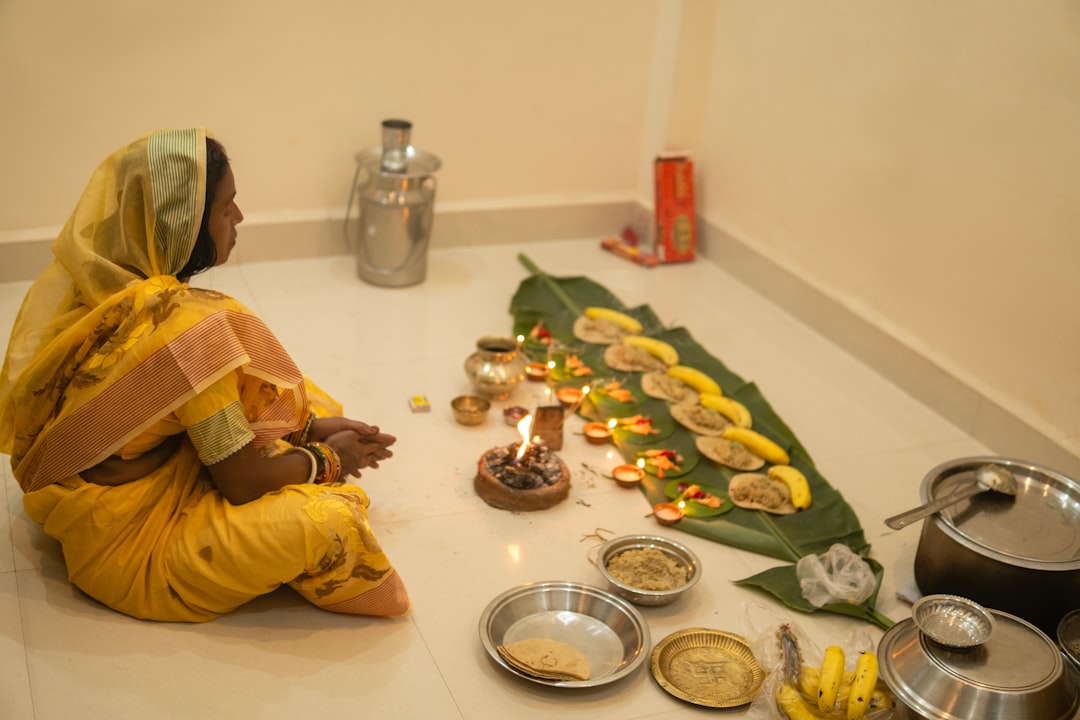
Nirjala Ekadashi parana is done on Dwadashi at the locally appropriate time. Begin with prayer and gratitude. Many devotees first offer worship to Lord Vishnu, remember the purpose of the vrat and then take water or prasad as per family custom. Keep the transition gentle rather than treating parana as a heavy feast.
The Real Spiritual Meaning of Nirjala Ekadashi
The real spiritual meaning of Nirjala Ekadashi is not that discomfort is automatically holy. It is that conscious restraint can reveal where the mind is attached. The vrat invites us to ask, “What kind of person am I becoming?”
When fasting is joined with mantra, seva, humility and compassion, it becomes more than a ritual rule. It becomes a living practice of awareness. Whether someone follows the complete waterless fast or a health-conscious modified observance, the most lasting Nirjala Ekadashi benefits arise when devotion makes us more grateful, gentle and grounded.
Personal Session
Seeking a more personal spiritual direction? Book a personal session to explore your questions, strengthen your daily practice and receive guidance for living with greater peace, purpose and awareness.
Book Now