We have forgotten how to stop.
If you are like most people reading this, you probably feel a nagging sense of guilt whenever you sit down without a phone, a book, or a plan. We live in an era of toxic productivity, where every moment must be "optimized" and every hobby monetized. The result? Emotional exhaustion and a frantic search for burnout recovery.
But what if the solution wasn't doing more yoga or downloading another meditation app? What if the solution was doing absolutely nothing?
Enter Niksen. It is the Dutch concept of doing nothing deliberately, purposelessly, and unapologetically. Unlike the structured focus of mindfulness or the cozy aesthetic of hygge, Niksen is the radical act of stopping. In this guide, we’ll explore how to master the art of doing nothing, why it’s the antidote to hustle culture, and how you can start slowing down today.
What is Niksen? (And What It Isn't)
Niksen (pronounced nik-sen) literally translates to "doing nothing."
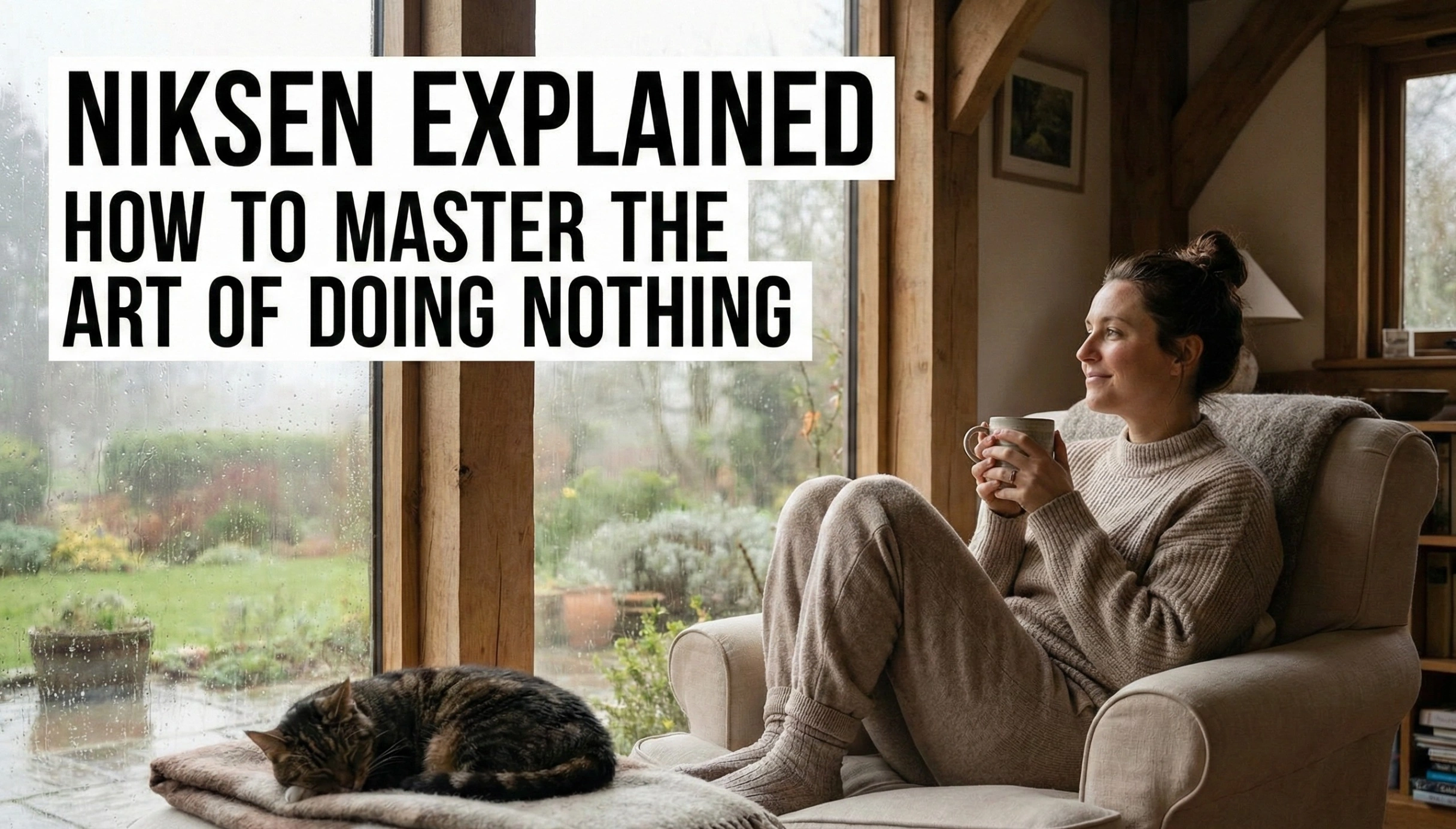
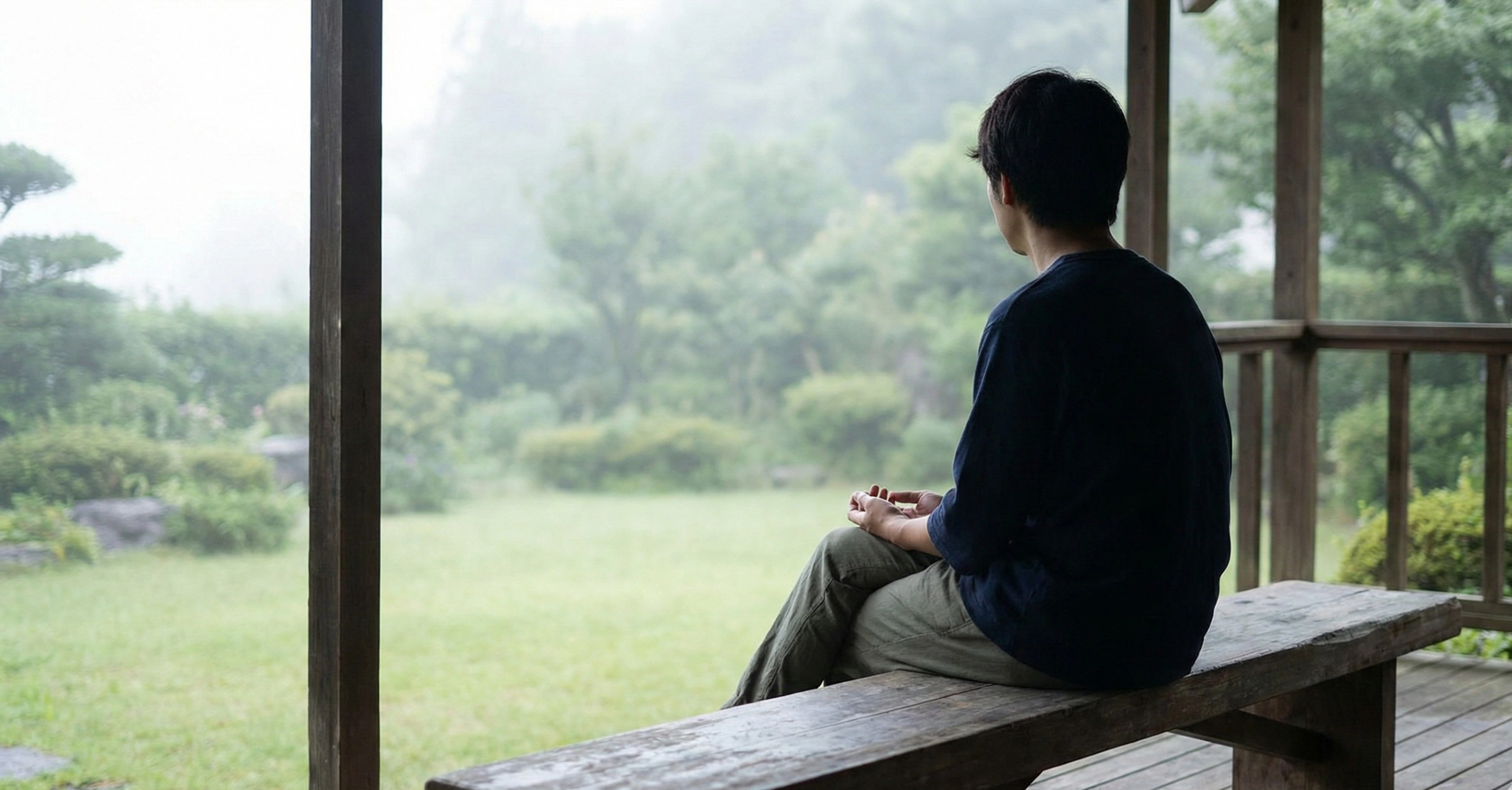
It isn’t about sleeping, and it isn’t about watching Netflix (which is passive consumption). Niksen is the state of being idle. It is staring out the window at the rain. It is sitting on your porch listening to traffic. It is letting your mind wander without a destination.
Is it the same as mindfulness?
Not quite. Meditation for beginners often focuses on mindfulness; the act of being intensely present and bringing your attention back to the breath. It requires effort and focus.
Niksen is the opposite. It is conscious relaxation without the work. You aren’t trying to clear your mind; you are letting it go wherever it wants. It is the ultimate mental reset because it demands zero output from you.
The Problem: Why Doing Nothing Feels Impossible
Why is restorative rest so difficult for us?
The answer lies in how we view our worth. We have internalized the idea that being busy equals being important. When we aren't producing, we feel we are failing. This inability to switch off is a hallmark of toxic productivity.
When you try to sit still, you might feel an itch. You check your email. You scroll social media. You mentally write a grocery list. This is decision fatigue in action; your brain is so used to processing data that silence feels dangerous.
Learning doing nothing without guilt is a skill. It requires unlearning the conditioning of hustle culture that tells us rest must be "earned."

The Science: Why Your Brain Needs Boredom
You might think boredom is the enemy, but neuroscientists disagree. The benefits of boredom are profound.
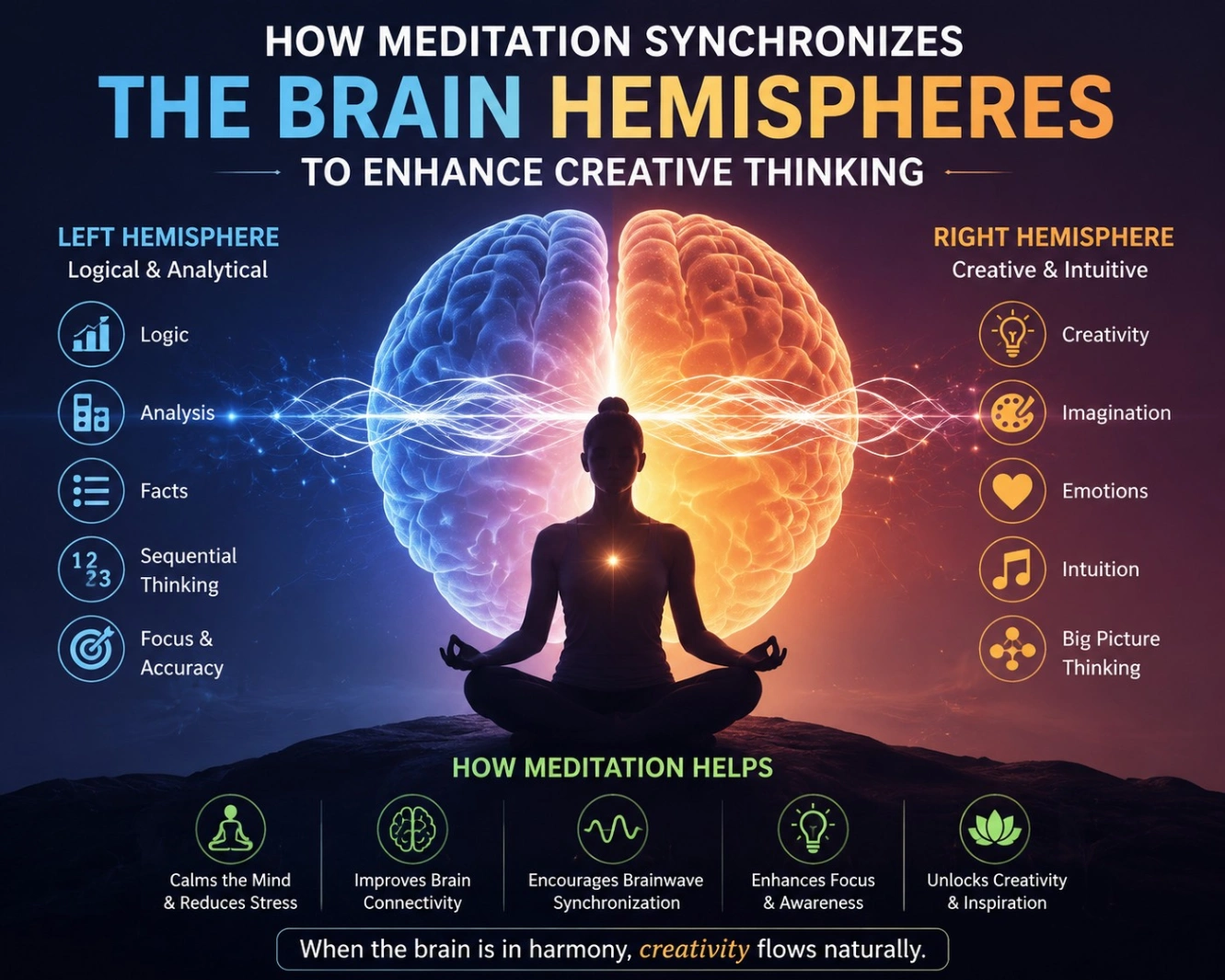
When you practice Niksen, you activate the brain's "Default Mode Network" (DMN). This is the network that lights up when we aren't focused on a specific task. While it sounds passive, the DMN is where the magic happens. It is responsible for:
Consolidating memories.
Connecting disparate ideas (creativity).
Processing emotions.
Restoring depleted neurotransmitters.
By denying ourselves downtime, we deny our brains the chance to clean house. Mental rest isn’t laziness; it’s biological maintenance. Without it, emotional exhaustion is inevitable.
Niksen vs. The World: A Global Perspective on Rest
The Dutch aren't the only ones who understand the value of slowing down. To truly grasp the art of doing nothing, it helps to look at related philosophies.
Dolce Far Niente (Italy)
This is the "sweetness of doing nothing." While Niksen is functional and plain, dolce far niente is pleasurable. It’s enjoying the moment perhaps with a glass of wine or a sunset. It frames rest as a joy rather than just a pause.
Wu Wei (China/Taoism)
Wu Wei translates to "inexertion" or "effortless action." It isn't about laziness, but about aligning with the flow of life rather than fighting against it. Niksen is a practical application of this; stop swimming upstream and just float for a while.
Slow Living & Quiet Luxury
The slow living movement and the trend of quiet luxury both point to the same truth: time is the ultimate wealth. Having the freedom to do nothing is a status symbol in a busy world.
How to Practice Niksen: A Step-by-Step Guide
Ready to try it? You don't need equipment, and you certainly don't need a subscription. Here is how to incorporate Niksen into your work life balance.
1. The Mini Digital Detox
You cannot practice Niksen with a phone in your hand. The dopamine hits from notifications interrupt the Default Mode Network.
Action: Leave your phone in the other room. Not just face down physically away from you. This mini digital detox creates the safety required for your brain to drift.
2. Find Your "Nothing" Spot
Designate a chair, a corner of the couch, or a spot by a window as your Niksen zone.
Action: Sit there. Don't bring a book. Don't bring a podcast. Just sit. Look at the dust motes floating in the light. Watch a tree sway in the wind.
3. Start Small (Really Small)
If you are recovering from burnout, 20 minutes of silence might induce anxiety.
Action: Start with 2 minutes. Set a timer if you must, but hide the clock. For two minutes, your only job is to exist.
4. Reframe the Guilt
When the "I should be doing X" thought arrives (and it will), greet it and let it pass.
Action: Remind yourself: "I am not wasting time; I am refueling." This is stress relief at its most fundamental level.
Moving From Burnout to Balance
Self care ideas often get complicated. We think we need a spa day or a vacation to recover. But true burnout recovery happens in the small, daily moments.
Niksen offers a way to integrate slow living into a fast life. It doesn't require you to quit your job or move to the countryside. It just asks for five minutes of your day where you surrender the need to be productive.
In a world that shouts, Niksen whispers. It grants you permission to drop the weight of the world, even if just for a moment, and simply be.
So, close this tab. Put down your phone. Look out the window.
Do absolutely nothing.