
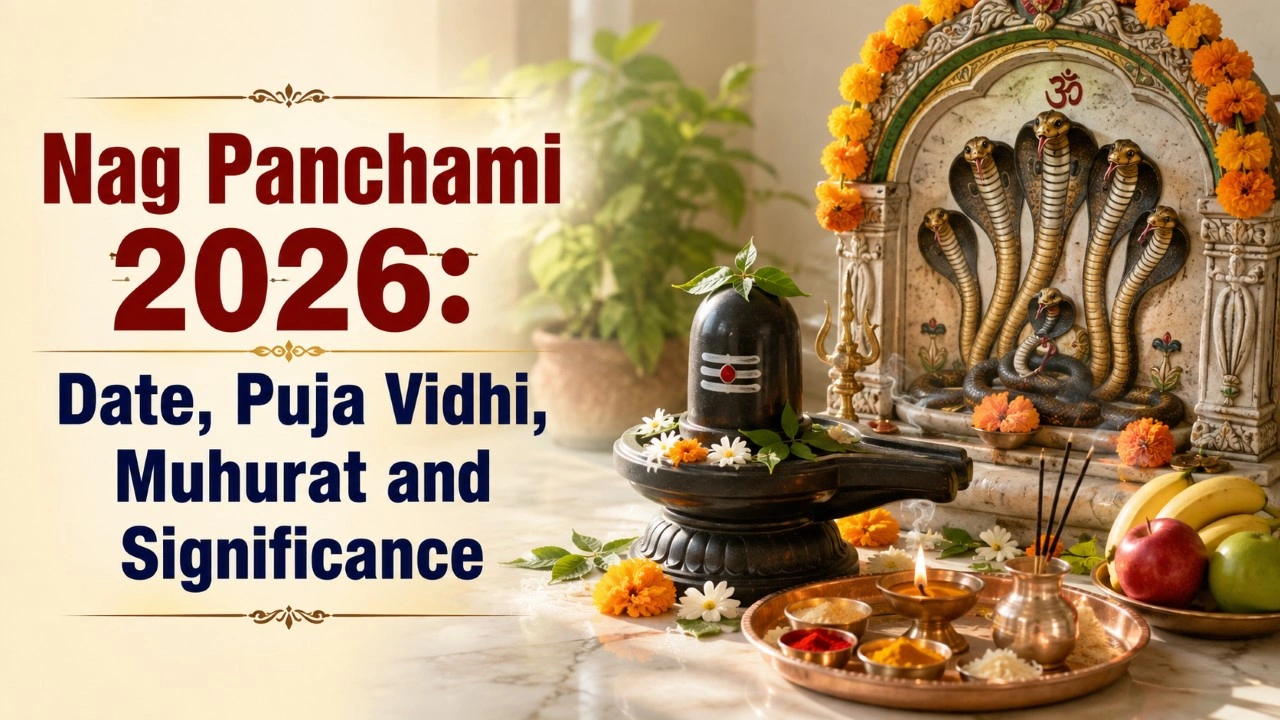
Nag Panchami is one of the most spiritually meaningful festivals observed during the sacred month of Shravan. In most parts of India, Nag Panchami 2026 will be celebrated on Monday, 17 August 2026.
For New Delhi, the recommended Nag Panchami puja muhurat is from 5:51 AM to 8:29 AM. Panchami Tithi begins at 4:52 PM on 16 August and ends at 5:00 PM on 17 August. Since Panchang timings depend on location, devotees should confirm the local muhurat for their city before beginning the puja.
This detailed guide explains the Nag Panchami date 2026, Nag Panchami 2026 date and time, puja samagri, Nag Panchami puja vidhi, shubh muhurat, vrat rules, sacred stories and Nag Panchami significance.
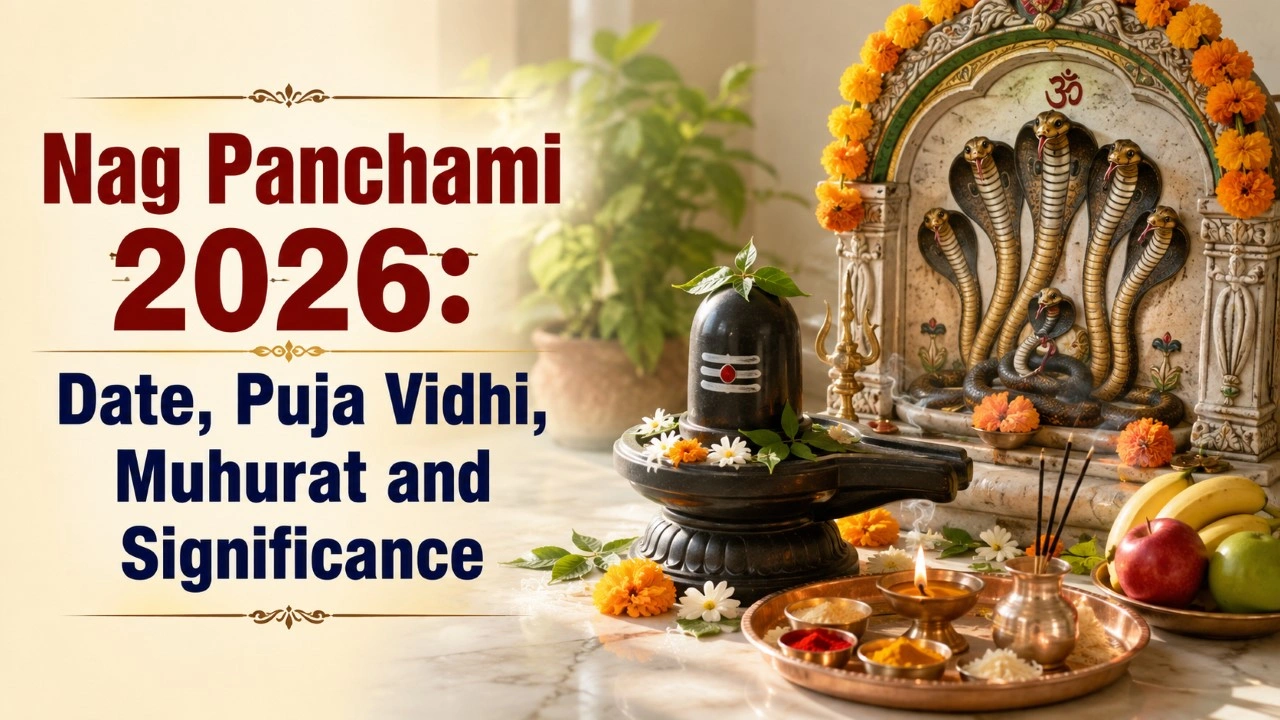
Nag Panchami 2026 Date and Time
Nag Panchami is generally observed on Shravana Shukla Panchami, the fifth lunar day of the bright fortnight of Shravan.
Nag Panchami 2026 details for New Delhi
Nag Panchami date: Monday, 17 August 2026
Panchami Tithi begins: 4:52 PM on Sunday, 16 August 2026
Panchami Tithi ends: 5:00 PM on Monday, 17 August 2026
Nag Panchami puja muhurat: 5:51 AM to 8:29 AM
Muhurat duration: Approximately 2 hours and 37 minutes
Regional calendars and customs may differ. Gujarat, for example, follows a different lunar-calendar convention for Nag Pancham and observes it later than most other Indian states. Families should follow the Panchang and tradition customary to their region.
Design Your Destiny
The deeper message of Nag Panchami is the transformation of fear through consciousness. Take the next step in your spiritual journey with the Design Your Destiny program and learn practical methods to understand your mind, overcome limiting patterns and create a life guided by awareness, balance and purpose.
Start Your Journey Today!What Is Nag Panchami?
Nag Panchami is a traditional festival honouring Nagas, the sacred serpent beings found throughout Hindu mythology. Devotees usually worship an image, idol or drawing of Nag Devta and offer water, flowers, sandalwood, turmeric, sweets and prayers.
Many families also worship Lord Shiva because Vasuki, the serpent around Shiva’s neck, is closely associated with him. Serpent symbolism is also found in depictions of Lord Vishnu resting upon Sheshnag and Lord Krishna subduing Kaliya.
The festival occurs during the monsoon season, when snakes may emerge from waterlogged burrows and appear closer to fields and homes. Traditional reverence for snakes also reflects their role in controlling rodents and supporting ecological balance.
Why Is Nag Panchami Celebrated?
Nag Panchami is celebrated to honour serpent deities and pray for protection, peace and family welfare. Snakes appear in several sacred narratives.
Lord Shiva wears Vasuki around his neck, Lord Vishnu rests upon Sheshnag, and Lord Krishna’s victory over Kaliya represents the restoration of purity and balance. These sacred associations make Nag Devta an important symbol of protection, strength and divine energy.
Story of King Janamejaya and Sage Astika
A major legend associated with Nag Panchami comes from the Mahabharata.
King Janamejaya began the Sarpa Satra, a serpent sacrifice, to avenge the death of his father, King Parikshit, who had been bitten by Takshaka. Sage Astika intervened and persuaded the king to stop the sacrifice, thereby saving the serpent race.
The story is traditionally remembered as a lesson in compassion, restraint and the ending of revenge. It teaches that uncontrolled anger creates destruction, while wisdom and forgiveness restore balance.
Nag Panchami Significance
1. Reverence for Divine Serpent Energy
Nagas are traditionally associated with water, fertility, hidden wisdom, strength and protection. They represent powerful aspects of nature that must be approached with awareness and respect.
2. Connection With Lord Shiva
Nag Panchami falls during Shravan, a month closely associated with Lord Shiva.
The serpent around Shiva’s neck is often interpreted as mastery over fear, ego and mortality. Worshipping Shiva and Nag Devta together encourages steadiness, awareness and self-control.
3. Harmony With Nature
The festival also carries an ecological message. Snakes help agricultural ecosystems by controlling rodent populations. Respecting them supports balance in farms and forests and reminds devotees that human life is deeply connected with nature.
4. Family Well-Being
In several regions, women perform Nag Panchami puja for the welfare of their brothers, children and families.
Devotees may also pray for protection from fear and misfortune. These are matters of religious faith and regional tradition rather than guaranteed outcomes.
5. Transformation of Fear
The snake is widely feared, yet Nag Panchami transforms fear into reverence.
Spiritually, the festival invites devotees to meet inner anxiety and insecurity with awareness instead of aggression. It teaches that fear can be transformed through understanding, compassion and self-control.
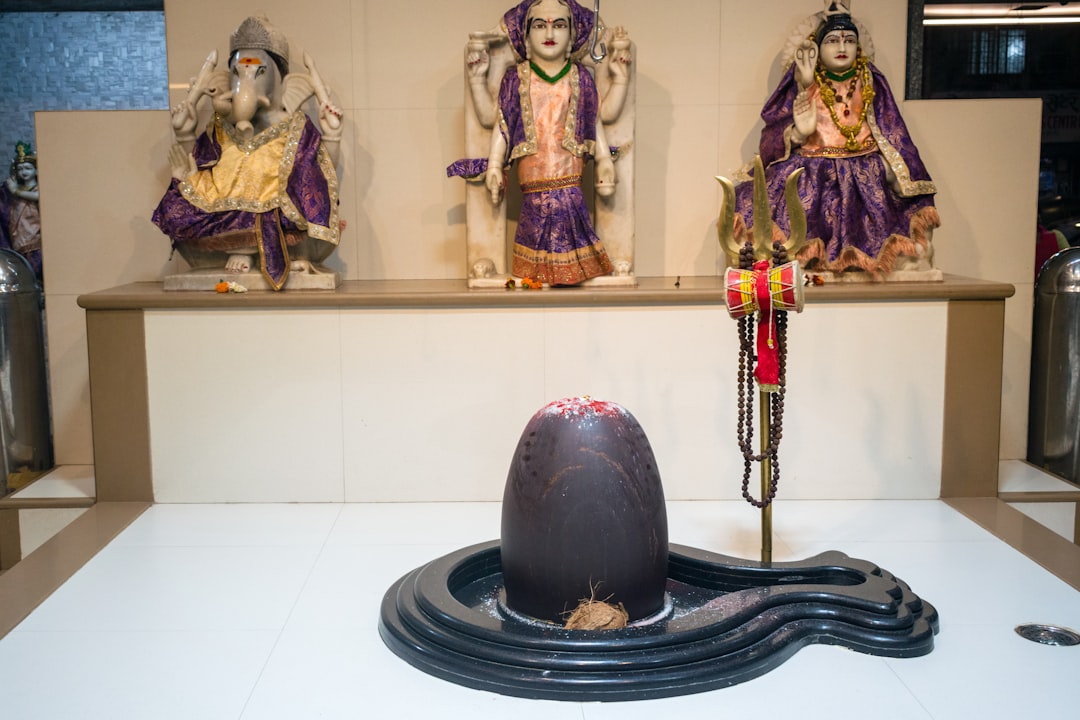
Nag Panchami Puja Samagri
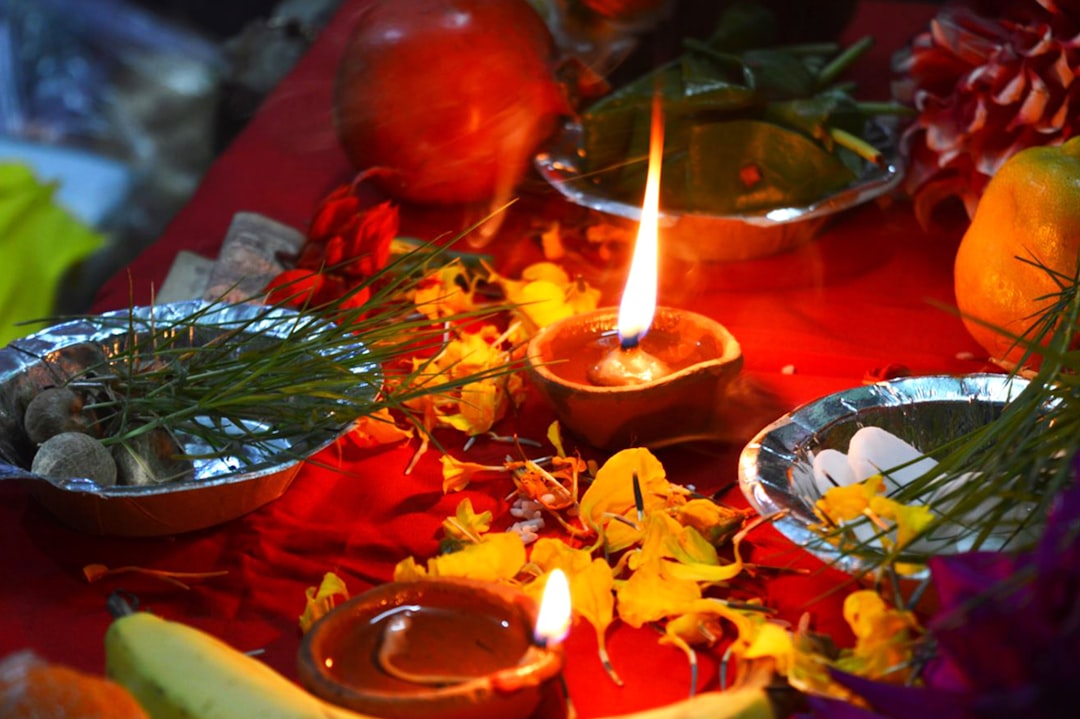
Keep the following items ready before beginning the Nag Panchami puja vidhi:
Image, idol or symbolic drawing of Nag Devta
Image or Shivling of Lord Shiva
Clean water and Gangajal
Turmeric, kumkum, sandalwood and akshat
Flowers, durva grass and bel leaves
Incense, lamp, cotton wick and ghee or oil
Fruits, sweets, kheer or another satvik naivedya
Sacred thread or roli
Puja plate, bell and kalash
Nag Panchami vrat katha or prayer text
Nag Panchami Puja Vidhi at Home
1. Clean the Worship Area
Wake up early, bathe and wear clean clothes. Clean the home temple or chosen puja space.
Spread a clean cloth and place the image or idol of Nag Devta. A traditional serpent symbol may also be drawn using turmeric, sandalwood or natural colours.
2. Take a Sankalp
Sit calmly and take a sankalp to perform the Nag Panchami puja with devotion.
State your name and intention mentally, and pray for wisdom, compassion, family welfare and harmony with all living beings.
3. Invoke Lord Ganesha
Begin the puja by remembering Lord Ganesha.
Offer flowers and chant a simple Ganesha mantra so that the worship may proceed peacefully and without obstacles.
4. Worship Lord Shiva
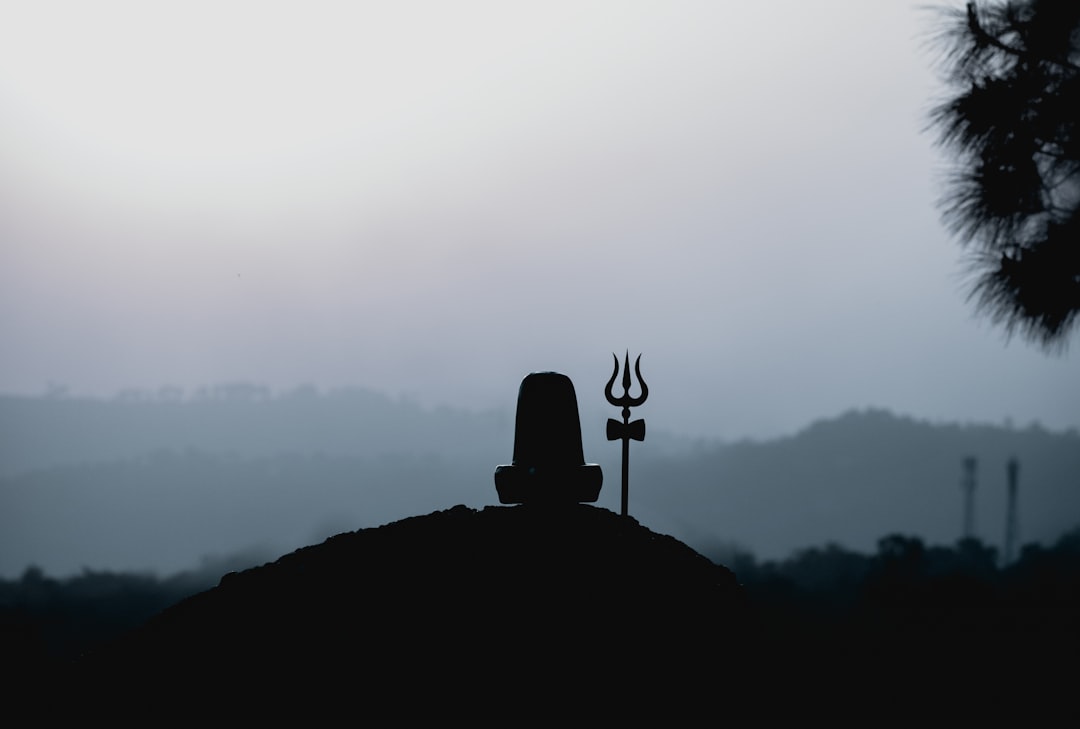
Offer water, bel leaves, flowers and sandalwood to Lord Shiva or the Shivling.
Chant “Om Namah Shivaya” with attention and devotion. This step is meaningful because Nag Devta is closely associated with Lord Shiva.
5. Worship Nag Devta
Sprinkle clean water on the Nag Devta image or idol. Apply turmeric, kumkum and sandalwood.
Offer flowers, akshat, durva and sacred thread. A small symbolic milk offering may be made to the deity according to family custom.
Worship should be performed through an image, idol or established temple tradition. Do not catch, touch or force-feed a live snake. Snakes do not naturally drink milk, and milk can harm them. Contact a trained wildlife rescuer if a snake enters your home.
6. Offer Naivedya
Offer fruits, sweets, kheer or another satvik preparation.
Do not taste the food before offering it to the deity. After the puja is completed, distribute it respectfully among family members as prasad.
7. Chant Nag Devta Mantras
A simple Nag Devta mantra is:
Om Nag Devtaya Namah
Devotees may also remember the traditional names:
Ananta, Vasuki, Shesha, Padma, Kambala, Shankhapala, Dhritarashtra, Takshaka and Kaliya.
These names appear in traditional Nag Devta prayers. Chant calmly and with awareness instead of focusing only on the number of repetitions.
Om Namah Shivaya Chanting Benefits for Peace and Positivity
8. Read the Nag Panchami Vrat Katha
Read or listen to the story of King Janamejaya and Sage Astika.
Reflect on its central lesson: anger and revenge cause destruction, while wisdom, forgiveness and compassion restore balance.
9. Perform Aarti
Light the lamp and perform aarti.
Ask forgiveness for any mistakes made during the ritual. Conclude by praying for the safety of all creatures and harmony between humanity and nature.
Nag Panchami Vrat Rules
Fasting customs differ according to family and region. Some devotees keep a complete fast, while others take fruits, milk or one satvik meal.
Anyone who is pregnant, elderly, unwell or taking regular medication should avoid restrictive fasting without appropriate medical guidance.
Common Nag Panchami vrat rules include:
Begin the day with bathing, prayer and sankalp.
Eat simple satvik food.
Avoid alcohol, tobacco, meat and eggs.
Maintain calm speech and avoid anger.
Refrain from digging soil where this is part of local tradition.
Help someone in need or offer food as charity.
Break the fast according to family practice after worship.
The purpose of the vrat is discipline, purity of intention and self-awareness. A fast that harms the body or creates irritation misses the deeper spiritual purpose.
What to Do on Nag Panchami
Perform puja during the appropriate local Nag Panchami shubh muhurat.
Chant Lord Shiva and Nag Devta mantras, read the vrat katha and spend time reflecting on humanity’s relationship with nature.
Families may also support a wildlife-conservation organisation or teach children how to respond safely when they encounter a snake.
What Not to Do on Nag Panchami
Do not handle live snakes, encourage unsafe displays or pour milk into snake holes.
Do not attempt to capture or relocate a snake without professional training. Keep children and pets at a safe distance and contact a recognised wildlife rescuer.
In the event of a snakebite, seek hospital treatment immediately. Religious rituals and home remedies are not substitutes for medical treatment.
Spiritual Meaning of Nag Panchami
Beyond ritual, Nag Panchami offers a powerful inner teaching.
The serpent can symbolise instinct, fear and hidden energy. When these forces remain unconscious, they may become anxiety, anger or aggression. When guided by awareness, they become alertness, courage and transformation.
Lord Shiva wearing the serpent conveys fearlessness without violence. Lord Vishnu resting on Sheshnag symbolises stability within infinite existence. Krishna subduing Kaliya represents the restoration of balance.
Sage Astika stopping Janamejaya’s sacrifice reminds us that cycles of anger and revenge can end only through wisdom.
Thus, Nag Panchami significance is not limited to seeking external protection. It also encourages devotees to recognise fear and anger within themselves and transform these emotions through meditation, compassion and right action.
Nag Panchami 2026 will be observed on Monday, 17 August in most parts of India.
For New Delhi, Panchami Tithi runs from 4:52 PM on 16 August to 5:00 PM on 17 August, while the Nag Panchami puja muhurat is from 5:51 AM to 8:29 AM. Local timings should always be checked before worship.
By following a simple Nag Panchami puja vidhi, chanting with devotion, reading the vrat katha and respecting living snakes from a safe distance, devotees can honour both spiritual tradition and ecological responsibility.
The festival ultimately reminds us that genuine worship is expressed not only through offerings but also through compassion, awareness and harmonious living.
Personal Session
Are recurring fears, emotional patterns or unanswered questions preventing you from experiencing inner peace? Book a personal session for one-to-one spiritual guidance tailored to your present challenges. Gain clarity, understand the deeper cause of your struggles and discover practical steps for living with greater awareness, confidence and inner balance. Book your personal session and begin moving from confusion to clarity.
Book Now