
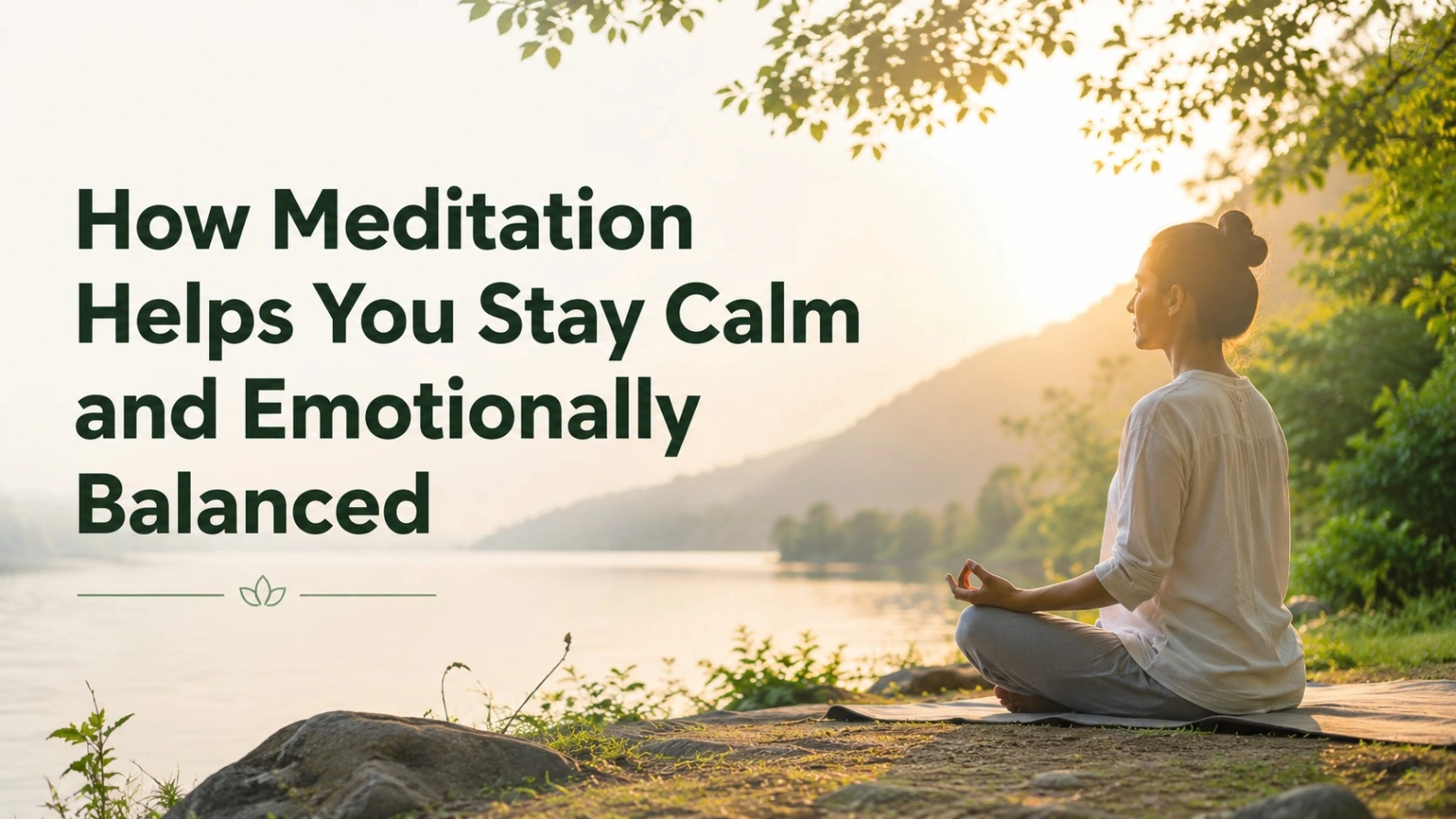
In today’s fast-moving world, meditation for emotional balance has become more important than ever. Most people are constantly surrounded by pressure, responsibilities, distractions, and emotional ups and downs. One moment, you may feel peaceful, and the next, a small situation can disturb your entire mood. This is where meditation becomes a powerful spiritual practice.
Meditation is not just about sitting quietly with closed eyes. It is a way to train the mind, understand emotions, and return to your natural state of calmness. When practiced regularly, meditation helps you stay calm, respond wisely, and create inner peace even when life feels uncertain.
Many people begin meditation for stress relief or anxiety relief, but slowly they discover deeper meditation benefits. It improves mental peace, emotional healing, self awareness, and spiritual growth. It teaches you how to observe your thoughts instead of becoming trapped in them. This simple shift can completely change the way you experience life.
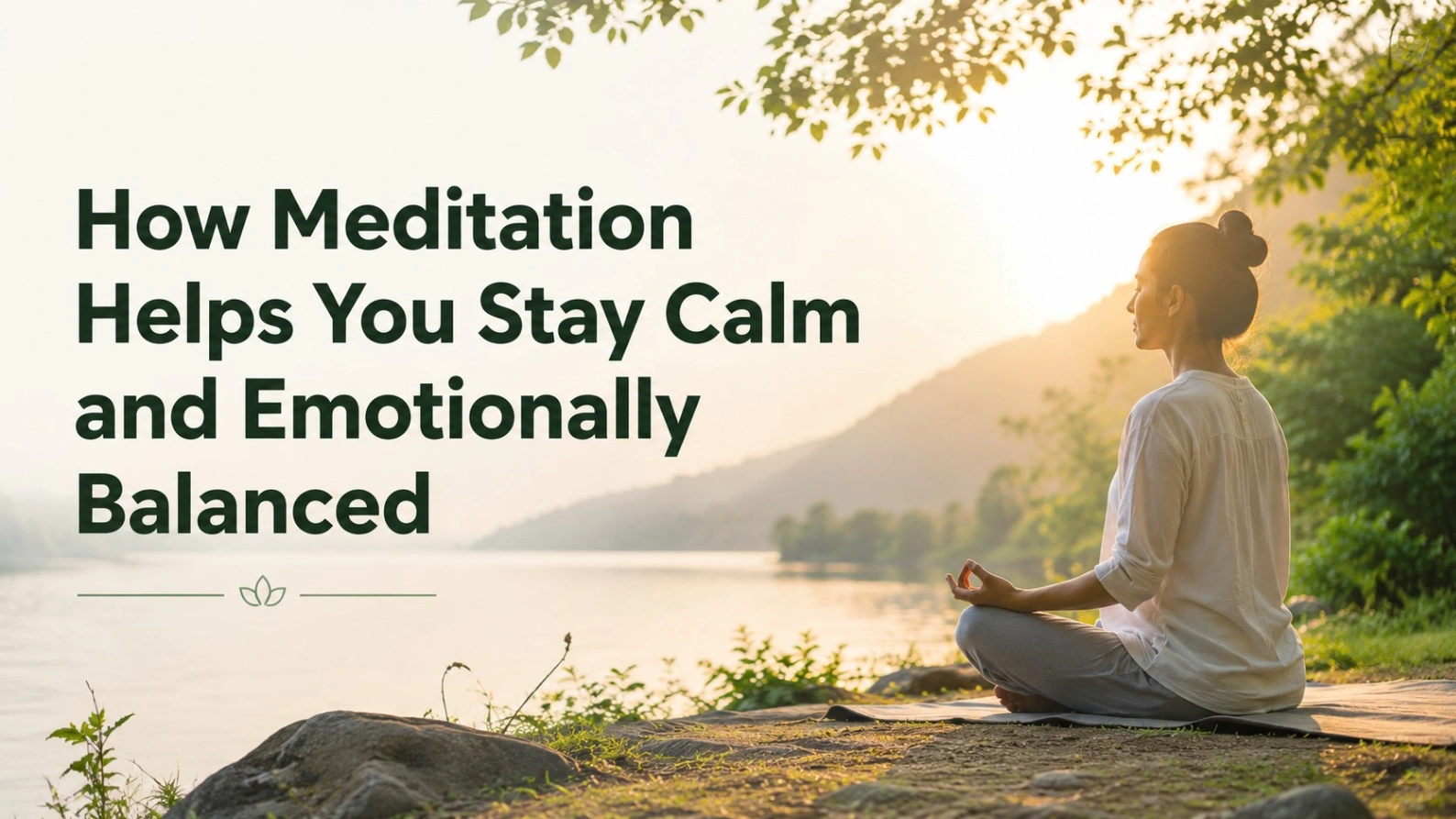
What Is Meditation?
Meditation is the practice of bringing your attention inward. It helps you become aware of your thoughts, emotions, breath, and inner state. Instead of running behind every thought, meditation allows you to pause and observe.
For beginners, meditation may seem difficult because the mind keeps wandering. But this is natural. Meditation does not mean forcing the mind to stop thinking. It means learning how to watch the mind without getting disturbed by it.
When you sit in silence and gently focus on your breath, mantra, or awareness, your mind slowly begins to settle. Over time, this practice creates a calm mind, improves emotional balance, and brings a deeper sense of peace of mind.
CTA for Design Your Destiny
Ready to bring more peace, clarity, and emotional balance into your life? Join Design Your Destiny and learn how to use meditation, self awareness, and spiritual wisdom to create a calmer, more meaningful life from within.
Start Your Journey!Why Emotional Balance Is Important
Emotional balance means being able to feel your emotions without being controlled by them. It does not mean you never feel anger, sadness, fear, or stress. It means you know how to handle these emotions with awareness.
Without emotional balance, small problems can feel very big. A simple disagreement can lead to overthinking. A stressful day can disturb your sleep. A negative comment can stay in your mind for hours. This happens because the mind reacts quickly when it is not trained.
Meditation helps you create a gap between emotion and reaction. In that gap, you get the power to choose your response. This is one of the biggest reasons why meditation is important for mental peace and emotional wellness.
How Meditation Helps You Stay Calm
Meditation helps you stay calm by reducing mental noise. Every day, the mind produces countless thoughts. Some are useful, but many are repetitive, fearful, or unnecessary. When these thoughts continue without pause, they create stress and emotional restlessness.
Through daily meditation, you learn to slow down this mental activity. You become more aware of what is happening inside you. Instead of immediately reacting to stress, you start observing it.
For example, when anger arises, meditation helps you notice, “I am feeling angry,” rather than instantly speaking harshly. When anxiety appears, you can observe your breath and calm your nervous system before the emotion becomes overwhelming.
This is how meditation helps you stay calm in real-life situations. It does not remove every challenge, but it gives you the inner strength to face challenges peacefully.
Meditation for Stress Relief
Stress is one of the most common reasons people turn to meditation. Work pressure, family responsibilities, financial worries, and constant digital distractions can make the mind feel heavy.
Meditation for stress works because it brings your attention back to the present moment. Most stress comes from thinking too much about the future or replaying the past. Meditation gently brings you back to now.
When you focus on your breath, your body begins to relax. Your thoughts slow down. Your emotions become softer. Even a few minutes of mindfulness meditation can help you feel lighter and more centered.
Regular meditation practice can also help you understand the root of your stress. Sometimes the problem is not the situation itself, but the way the mind keeps repeating it. Meditation helps you break this cycle.
Meditation for Anxiety and Overthinking
Anxiety often comes from imagining negative outcomes. The mind starts creating stories about what may go wrong. This leads to fear, restlessness, and overthinking.
Meditation for anxiety helps by teaching the mind to return to the present. Instead of believing every fearful thought, you begin to see thoughts as temporary mental events. They come and go.
This awareness is very powerful. When you realize that you are not your thoughts, anxiety loses some of its control over you. You stop fighting the mind and start observing it.
Guided meditation can be especially helpful for beginners dealing with anxiety. A calm voice, breathing instructions, and gentle awareness can make it easier to relax. Over time, meditation helps you respond calmly instead of reacting from fear.
Meditation and Emotional Healing
Emotional healing does not happen by ignoring pain. It happens when you become aware of your emotions with kindness. Meditation creates a safe inner space where emotions can be seen, accepted, and released.
Many people carry old hurt, guilt, fear, or sadness without realizing it. These emotions silently affect their behavior, relationships, and peace of mind. Spiritual meditation helps bring these hidden emotions into awareness.
When you sit quietly, emotions may come up. Instead of judging them, you simply observe. This gentle observation begins the healing process. You understand your emotions better, and slowly, their intensity reduces.
Meditation for emotional healing teaches you compassion toward yourself. You stop blaming yourself for feeling deeply. You begin to accept that emotions are part of being human.
Meditation for Inner Peace
Inner peace is not the absence of problems. It is the ability to remain centered even when problems exist. Meditation for inner peace helps you connect with the quiet space within you.
This inner space is always present, but it gets covered by thoughts, worries, and emotional reactions. Meditation removes these layers slowly.
When you meditate daily, you start feeling peaceful without needing perfect outer conditions. You may still have responsibilities, deadlines, and challenges, but they do not disturb you as deeply as before.
This is the beauty of meditation. It shifts your source of peace from the outside world to your inner awareness.
Mindfulness Meditation for Emotional Balance
Mindfulness meditation means being fully present in the moment. It can be practiced while sitting, walking, eating, or even working. The main idea is to bring complete awareness to whatever you are doing.
For emotional balance, mindfulness is very useful because it helps you notice emotions early. Instead of realizing you are stressed after hours of tension, mindfulness helps you catch the emotion when it begins.
For example, you may notice your shoulders becoming tight, your breath becoming fast, or your thoughts becoming negative. This awareness gives you the chance to pause and relax before stress grows.
Mindfulness for emotional balance can be practiced in simple ways. Take a few conscious breaths before answering a difficult message. Eat your meal without scrolling your phone. Listen to someone fully without planning your reply. These small acts build emotional stability.
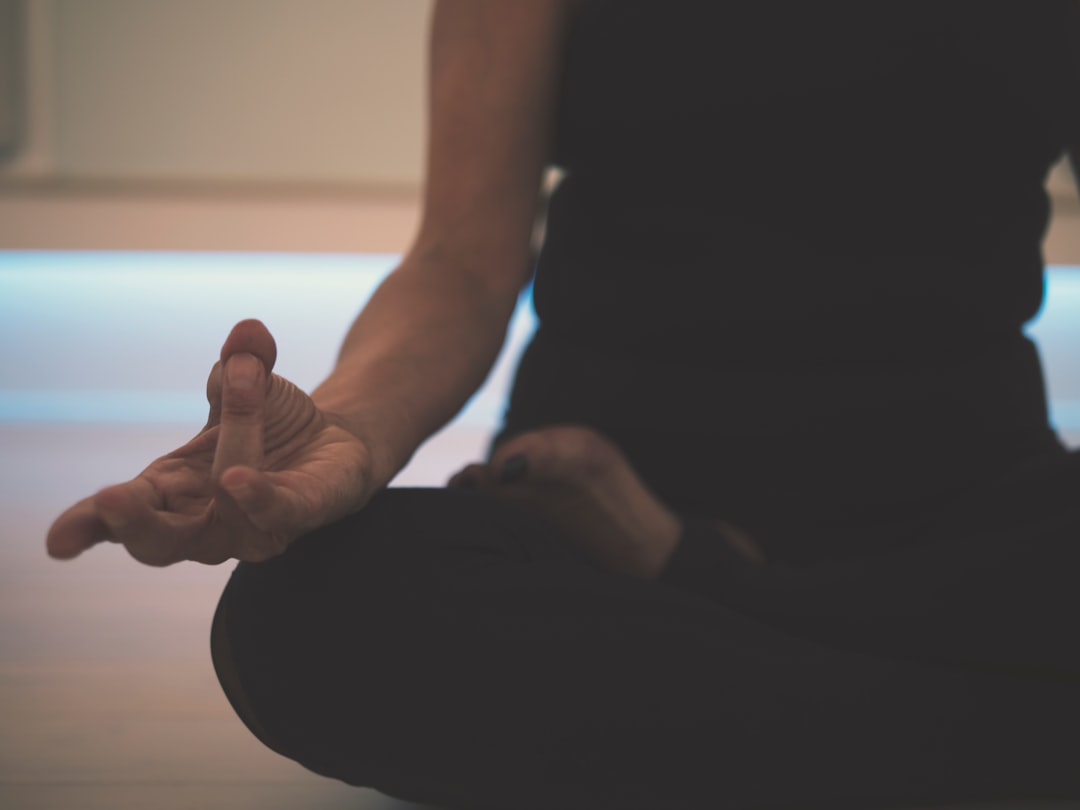
Daily Meditation for Emotional Control
Emotional control does not mean suppressing emotions. Suppression can create more stress. True emotional control means understanding emotions and expressing them wisely.
Daily meditation strengthens this ability. Just like exercise trains the body, meditation trains the mind. The more regularly you practice, the easier it becomes to stay calm.
A simple daily meditation practice can begin with 10 minutes. Sit comfortably, close your eyes, and focus on your breath. Whenever the mind wanders, gently bring it back. Do not judge yourself. This returning is the practice.
With time, you will notice that you are less reactive. You may still feel emotions, but they will not overpower you. This is emotional balance in action.
Spiritual Meditation and Self Awareness
Spiritual meditation goes beyond relaxation. It helps you understand who you are beyond thoughts, emotions, and external identity. It connects you with your deeper self.
Self awareness is one of the greatest benefits of meditation. When you become aware of your inner patterns, you can change them. You begin to notice what triggers you, what drains your energy, and what brings you peace.
This awareness supports spiritual growth. You stop living automatically and start living consciously. You become more patient, compassionate, and peaceful.
Spiritual meditation also helps you understand that calmness is not something you need to create from outside. It already exists within you. Meditation simply helps you return to it.
Simple Meditation Techniques for Beginners
If you are new to meditation, start simple. You do not need a perfect place, special clothes, or long hours. What matters most is consistency.
One easy technique is breath awareness. Sit comfortably and observe your natural breathing. Feel the air entering and leaving your body. If thoughts come, let them pass and return to the breath.
Another technique is guided meditation. This is helpful when the mind feels too active. You can listen to a guided meditation for calmness, stress relief, or emotional healing.
You can also try mantra meditation. Repeating a peaceful word or spiritual mantra can help focus the mind and create positive energy.
The goal is not to force peace. The goal is to gently create space within yourself.
How Long Should You Meditate to Feel Calm?
Many beginners wonder how long they should meditate to feel calm. The answer is simple: start with what feels possible. Even 5 to 10 minutes daily can make a difference.
Long meditation sessions are not necessary in the beginning. A short, sincere practice is better than an irregular long practice. As your comfort grows, you can slowly increase the time.
The real benefit comes from consistency. When meditation becomes part of your daily routine, calmness becomes more natural. You begin to carry peace with you throughout the day.
Meditation Helps You Respond, Not React
One of the most beautiful meditation benefits is that it helps you respond instead of react. Reaction comes from unconscious emotion. Response comes from awareness.
When someone says something hurtful, the untrained mind reacts immediately. But a meditative mind pauses. It observes the emotion, understands the situation, and then chooses the right response.
This does not make you weak. In fact, it gives you inner strength. You are no longer controlled by every situation or every person’s behavior. You become centered within yourself.
This is how meditation improves emotional health and relationships.
How Meditation Brings Peace of Mind
Peace of mind comes when the mind is not constantly fighting with life. Meditation teaches acceptance. It helps you see things more clearly instead of through fear, anger, or stress.
When your mind becomes peaceful, your decisions improve. Your relationships become softer. Your communication becomes calmer. Your body also feels more relaxed.
Meditation for peace of mind is not an escape from life. It is preparation for life. It gives you the clarity to handle daily situations with balance and maturity.
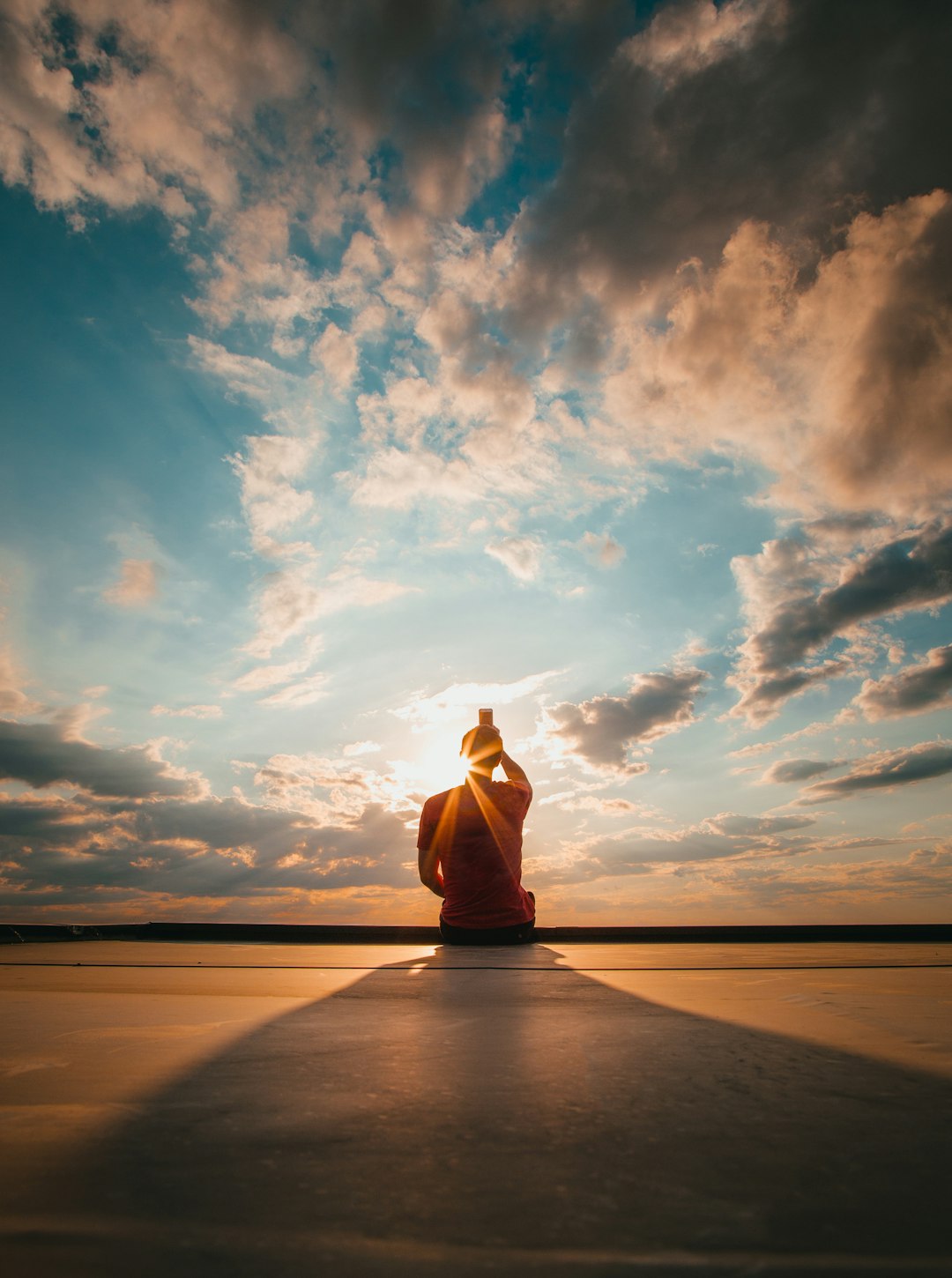
Meditation is one of the simplest and most powerful practices for staying calm and emotionally balanced. It helps reduce stress, manage anxiety, calm overthinking, support emotional healing, and create inner peace.
Through meditation for emotional balance, you learn to observe your thoughts, understand your emotions, and respond to life with awareness. You become less controlled by outer situations and more connected to your inner strength.
Whether you are a beginner or already on a spiritual path, daily meditation can transform the way you think, feel, and live. Start small, stay consistent, and allow meditation to guide you toward a calm mind, peaceful heart, and balanced life.
CTA for Personal Session
If you feel emotionally stuck, stressed, or unable to find inner peace, book a personal session for guided support. A one-on-one session can help you understand your inner patterns, calm your mind, and move toward emotional healing with clarity.
Book Now