
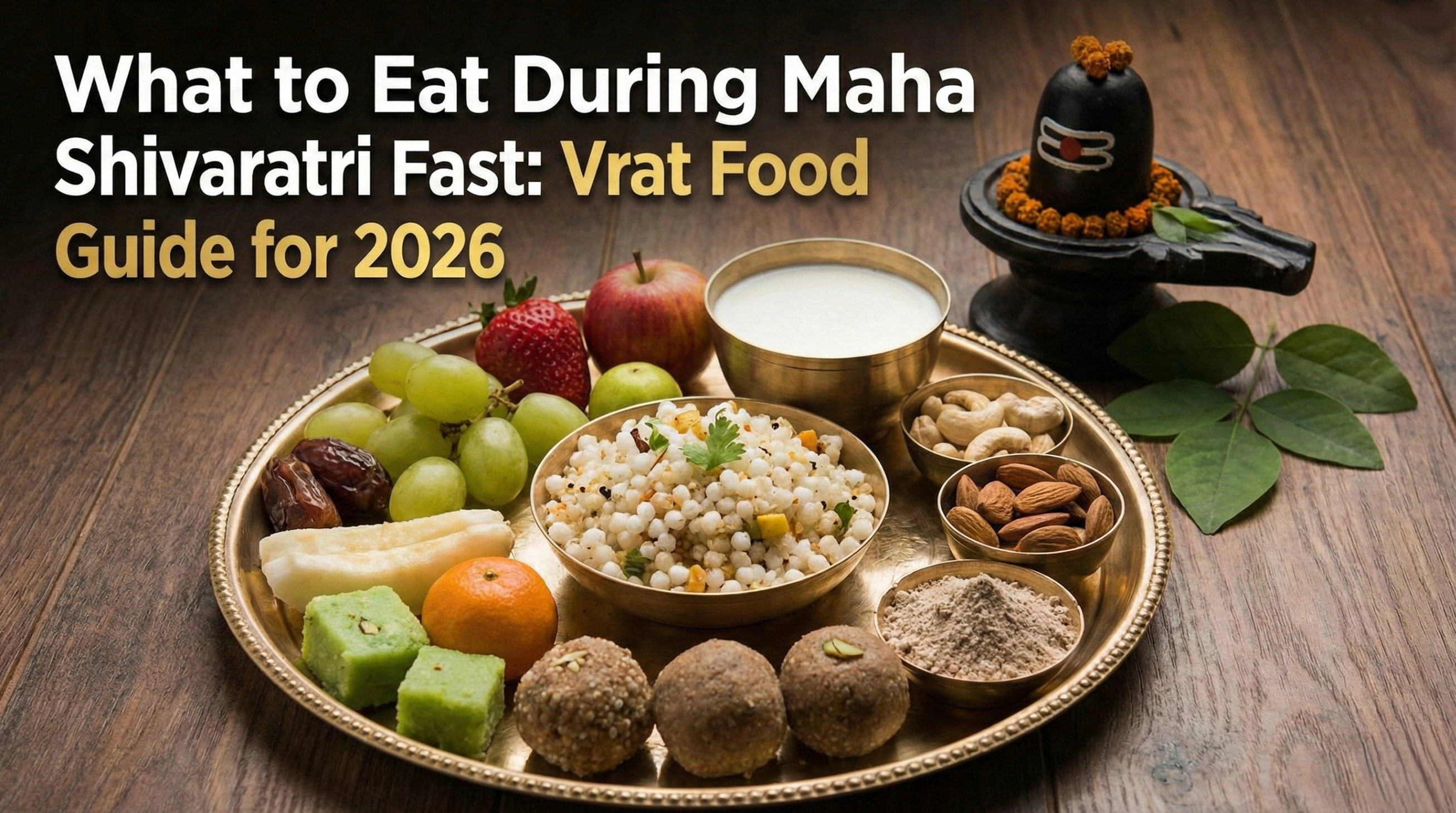
Maha Shivaratri is one of the most sacred nights dedicated to Lord Shiva, observed with fasting, meditation, and mindful eating. If you’re searching for what to eat during Maha Shivaratri fast, this detailed Maha Shivaratri vrat food guide for 2026 will help you observe the fast with clarity, devotion, and balance without confusion or food mistakes.
In the first 100 words itself, let’s be clear: Maha Shivaratri vrat food is all about sattvic, light, and pure foods that support spiritual focus rather than indulgence. Whether you’re keeping a nirjal vrat, a phalahari vrat, or a simple fasting routine with fruits and milk, knowing the right foods and rulesmatters.
Spiritual Meaning Behind Shivratri Fasting
Before jumping into food lists, it’s important to understand why fasting is done on Maha Shivaratri.
Shivratri fasting is not meant to punish the body; it is meant to purify the system, calm the senses, and create inner stillness. According to yogic and Ayurvedic understanding, the digestive fire slows down during fasting, allowing energy to move upward, supporting meditation and prayer.
That’s why sattvic food during fasting, simple ingredients, and mindful eating are emphasized.
Maha Shivaratri Fast 2026: Date & Fasting Basics
Maha Shivaratri 2026 falls in February (exact tithi depends on lunar calendar).
The fast usually begins at sunrise and continues until the next morning after night-long worship.
Devotees may observe:
Nirjal vrat (no food, no water)
Phalahari vrat (fruits, milk, nuts)
Upvas with vrat food (sabudana, kuttu, singhara)
What Food Is Allowed During Maha Shivaratri Fast
Here’s a clear, no-confusion list of what to eat in Shivratri fast without grains.
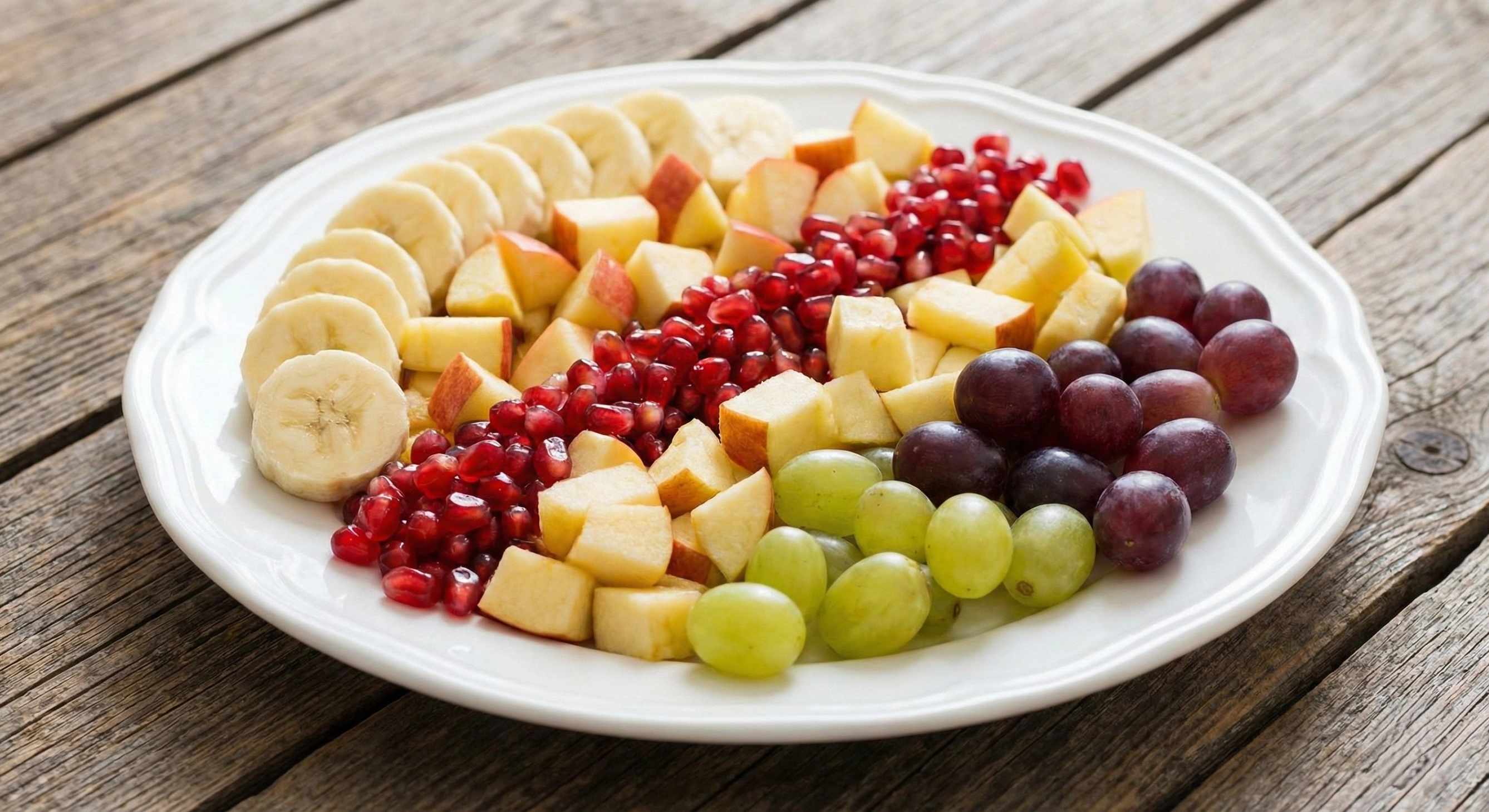
1. Fruits (Fresh & Seasonal)
Yes, you can eat fruits during Shivratri fast.
Best fruits for Shivratri fast:
Banana
Apple
Papaya
Pomegranate
Pear
Watermelon
Coconut (especially coconut water)
Fruits are light, hydrating, and ideal for maintaining energy during long fasting hours.
2. Milk & Milk Products
A common question: Is milk allowed in Maha Shivaratri fast?
Yes, absolutely.
Allowed dairy items:
Milk
Curd (plain)
Buttermilk
Paneer (lightly prepared)
Homemade butter
Ghee
Milk is deeply associated with Lord Shiva and is considered sattvic and nourishing.
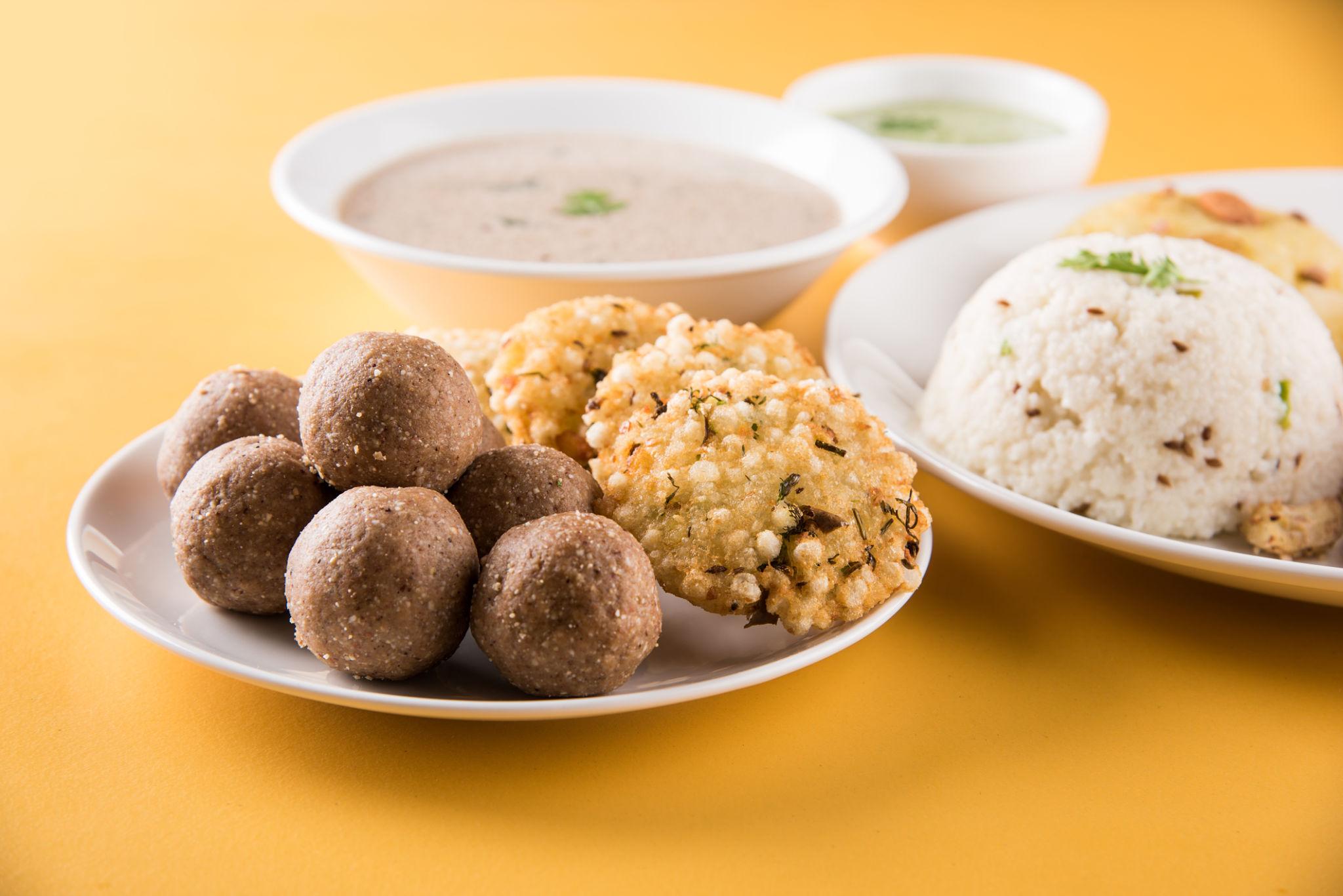
3. Sabudana (Sago)
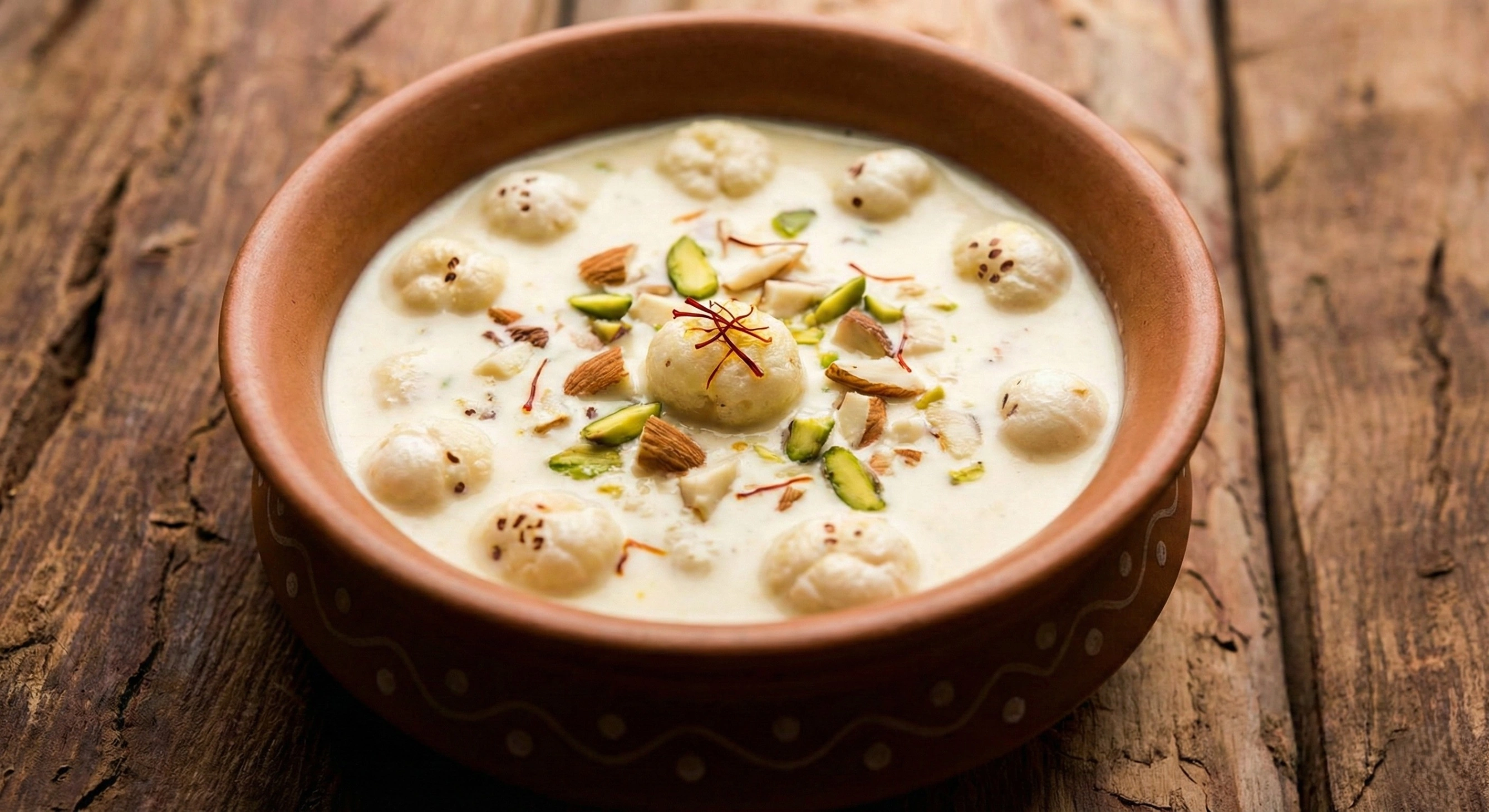
Sabudana food for Shivratri is one of the most popular vrat options.
You can prepare:
Sabudana khichdi
Sabudana kheer
Sabudana vada (light, minimal oil)
Sabudana provides energy and keeps you full without grains.
4. Vrat Flours (Falahari Atta)
For those who want a proper meal-like feeling:
Allowed flours include:
Kuttu atta (buckwheat flour)
Singhara atta (water chestnut flour)
Rajgira atta (amaranth)
These are not grains and are traditionally permitted during Shivratri vrat.
5. Vegetables Allowed During Shivratri Fast
Only select vegetables are considered fasting-friendly.
Allowed vegetables:
Potato
Sweet potato
Arbi (colocasia)
Pumpkin
Bottle gourd
All vegetables must be cooked without onion and garlic, keeping the food sattvic.
6. Nuts & Dry Fruits
Great for energy and mental clarity.
Allowed:
Almonds
Cashews
Raisins
Dates
Walnuts
Peanuts
Use them in moderation; fasting is about balance, not heavy snacking.
Can We Eat Salt During Shivratri Vrat?
This depends on your vrat type.
Sendha namak (rock salt) – Allowed
Regular table salt – Avoided by most devotees
If you’re following Shivratri vrat niyam strictly, use only rock salt or skip salt entirely.
What Not to Eat During Maha Shivaratri Fast
Equally important is knowing what to avoid.
Foods to Avoid Completely:
Rice
Wheat
Lentils (dal)
Pulses
Regular flour
Onion & garlic
Packaged snacks
Tea & coffee (for strict fasts)
Alcohol & non-veg (strictly forbidden)
These foods are considered tamasic or rajasic, disturbing spiritual focus.
Shivratri Fasting Rules: Dos and Don’ts
Dos
Eat light, fresh, and home-cooked food
Stay hydrated with water or coconut water
Chant Shiva mantras
Practice mindfulness while eating
Maintain purity in thoughts and actions
Don’ts
Overeat vrat food
Use onion, garlic, or regular salt
Eat out or consume packaged “fasting” foods
Treat vrat food as indulgent cheat meals
Ayurvedic View on Shivratri Fasting Food
From an Ayurvedic lens, spiritual fasting food should:
Be easy to digest
Support gut rest
Reduce toxins (ama)
Balance vata and pitta
That’s why fruits, milk, and simple falahari foods are ideal during Maha Shivaratri fasting day.
Mindful Eating During Maha Shivaratri
Instead of asking only “what to eat”, also ask “how to eat”.
Eat slowly
Offer food mentally to Lord Shiva
Avoid eating late at night unless needed
Observe silence or reduced speech if possible
Mindful fasting transforms the vrat into a spiritual practice not just a dietary rule.
Simple Vrat Food Ideas for Maha Shivaratri
If you’re planning meals, here are easy ideas:
Morning: Fruit bowl + milk
Midday: Sabudana khichdi
Evening: Sweet potato chaat (rock salt)
Night (if needed): Kheer or fruits
Keep it simple. Shiva loves simplicity.
Maha Shivaratri vrat food 2026 is not about perfection; it’s about intention. Whether you fast fully or partially, choose sattvic foods, respect your body, and stay spiritually aligned.
A pure heart matters more than a perfect plate.
Not sure about the exact date, puja timings, or fasting rules for Maha Shivaratri 2026?
Get the full details here:
Maha Shivaratri 2026: Date, Significance, Puja Vidhi & Fasting Rules