
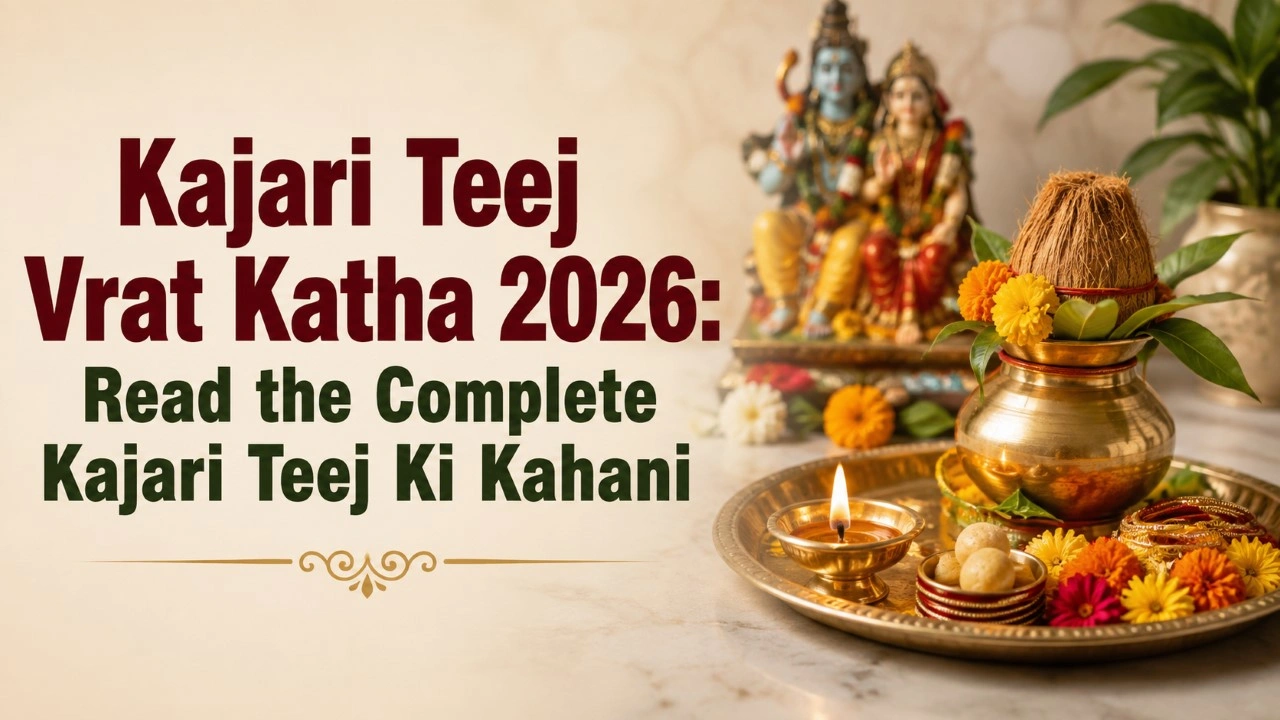
Kajari Teej is a sacred Hindu festival associated with devotion, marital well-being, family prosperity and the worship of Lord Shiva and Goddess Parvati. One of the most important traditions connected with the festival is reading or listening to the Kajari Teej Vrat Katha.
The Kajari Teej Vrat Katha 2026 tells a simple yet meaningful story about a poor Brahmin couple, their devotion towards the vrat, the importance of sattu and an unexpected act of compassion that transforms their circumstances.
Kajari Teej is also known regionally as Kajri Teej, Kajali Teej, Badi Teej and Satudi Teej. It is especially observed across Rajasthan, Uttar Pradesh, Madhya Pradesh and Bihar. In the North Indian Hindu calendar, the festival falls on Krishna Paksha Tritiya of the Bhadrapada month.
In 2026, Kajari Teej will be observed in India on Monday, 31 August 2026. For the cited Indian Panchang location, Tritiya Tithi begins at 9:36 AM on 30 August and ends at 8:50 AM on 31 August 2026. Panchang timings can vary slightly by city, so devotees should check their local Panchang for location-specific timings.
But beyond dates and rituals, what makes this festival memorable is the Kajari Teej ki kahani and the spiritual values hidden within it.
What Is Kajari Teej?
Kajari Teej is one of the important Teej festivals celebrated during the monsoon season. It comes after Hariyali Teej and is followed later by Hartalika Teej.
The festival is traditionally associated with women praying for happiness, harmony and well-being in married and family life.
Devotees worship Goddess Parvati and Lord Shiva, observe fasting according to their family tradition, perform puja and listen to the Kajari Teej vrat story.
Sattu also has a distinctive place in the traditional observance, which is why Kajari Teej is called Satudi Teej in some regions. The importance of sattu is also central to the most widely circulated version of the Kajari Teej Vrat Katha.
Design Your Destiny
Are your habits, thoughts and reactions shaping the life you truly want? Design Your Destiny helps you move beyond simply knowing spiritual principles and begin applying deeper awareness to your everyday life. Take the next step toward living with greater clarity, awareness and purpose. Explore Design Your Destiny.
Start Your Journey Today!Complete Kajari Teej Vrat Katha 2026
The following is the widely narrated Kajari Teej vrat ki kahani associated with the festival. Regional versions can differ slightly in their details.
Long ago, there lived a poor Brahmin and his wife in a small village.
The couple lived a very simple life. Their financial condition was so difficult that arranging even their daily food could sometimes become challenging.
Despite their poverty, the Brahmin's wife remained deeply devoted to her spiritual practices and religious traditions.
When Kajari Teej arrived in the month of Bhadrapada, she decided to observe the sacred Teej vrat.
She told her husband that she had taken the vow of Kajari Teej and needed sattu for the traditional observance.
The Brahmin became worried.
He had no money with which to purchase sattu and did not know how he could fulfil his wife's request.
His wife, however, was determined to complete her vrat according to tradition.
Seeing her devotion and determination, the Brahmin left home in search of sattu.
He searched for a way to obtain it but was unable to arrange the necessary ingredients. Eventually, late at night, he entered the shop of a wealthy merchant.
Inside the shop were ingredients from which sattu could be prepared.
According to the commonly narrated Katha, the Brahmin measured gram, ghee and sugar and prepared only the amount required for his wife's Kajari Teej ritual.
While he was doing so, the noise inside the shop alerted the people nearby.
The merchant's servants woke up and believed that a thief had entered the shop.
They quickly caught the Brahmin and brought him before the merchant.
The merchant naturally wanted to know why the Brahmin had entered his shop at night.
The frightened Brahmin explained his situation truthfully.
Sawan Remedies for Job & Career: Success & New Paths
He said that his wife was observing the Kajari Teej vrat and had asked him to bring sattu for the ritual. Because he was extremely poor and had no money, he had been unable to purchase it.
He explained that he had not come with the intention of stealing wealth or valuables. His purpose was only to arrange the sattu needed for his wife's vrat.
The merchant decided to check his statement.
When the Brahmin was searched, nothing except the ingredients or sattu required for the vrat was found with him.
The merchant was moved by the Brahmin's situation and his honesty.
Instead of punishing him, he showed compassion.
According to the traditional story, the merchant accepted the Brahmin's wife as his dharma-sister and sent gifts for her.
Along with the sattu she needed for Kajari Teej, he gave items such as clothes, ornaments, mehendi and money according to different versions of the tradition.
The Brahmin returned home with these gifts.
His wife completed her Kajari Teej worship with devotion, and the family's circumstances changed for the better.
This story of the Brahmin, Brahmani, sattu and merchant is one of the most consistently circulated versions of the Kajari Teej Vrat Katha.
Spiritual Meaning of Kajari Teej Ki Kahani
The Kajari Teej ki complete kahani may appear simple, but its symbolism goes beyond the external ritual.
1. Devotion During Difficult Times
The Brahmin's wife did not abandon her spiritual commitment because her circumstances were difficult.
Spiritually, this represents the idea that devotion is not dependent on material comfort.
Faith becomes particularly meaningful when life does not unfold according to our expectations.
2. Honesty Matters More Than Material Wealth
A central turning point in the Kajari Teej Vrat Katha occurs when the Brahmin explains the truth to the merchant.
Although his circumstances drove him to enter the shop, he did not attempt to hide his purpose once confronted.
The merchant's response reminds devotees of the importance of truthfulness and integrity.
3. Compassion Can Transform Another Person's Life
The merchant could have reacted only with anger or punishment.
Instead, after understanding the Brahmin's situation, he chose compassion.
His act of giving transforms the moment from one of fear into one of generosity.
The story therefore reminds us that spirituality is not merely about performing rituals, it should also express itself through kindness and empathy.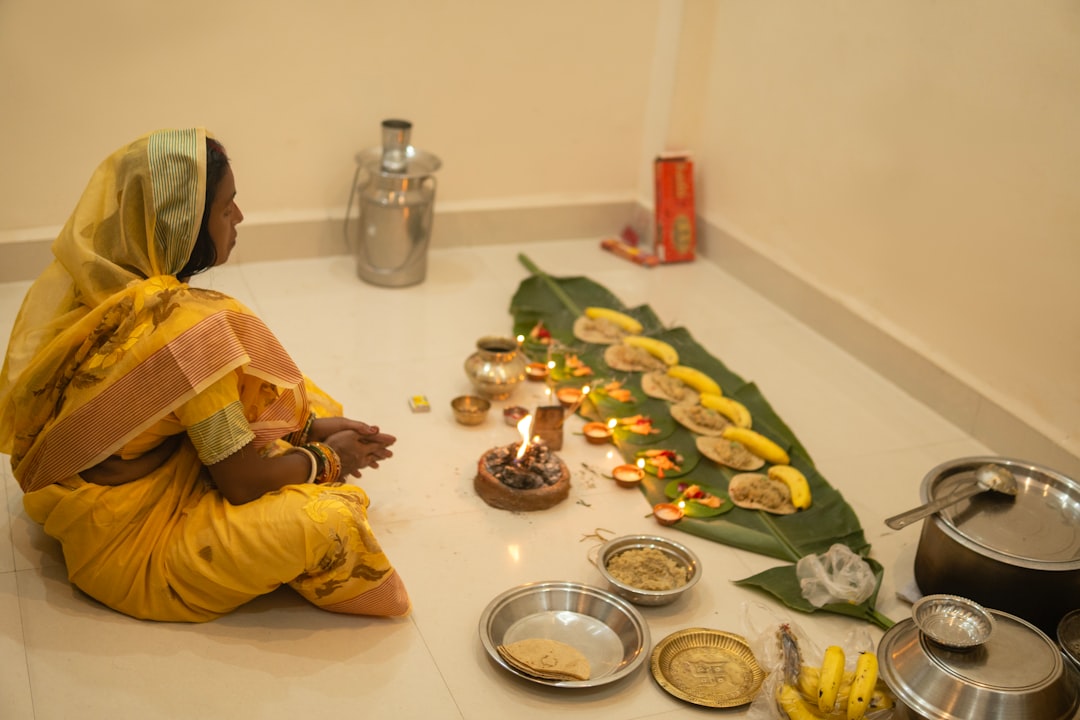
4. Sattu Represents Simplicity
The story does not revolve around an extravagant offering.
It revolves around something simple: sattu.
This gives the Katha a powerful spiritual message. Devotion is ultimately about sincerity of intention rather than the monetary value of an offering.
Sattu remains an important part of Kajari or Satudi Teej traditions in several regions.
Living the Gita Movement
The Bhagavad Gita is not merely something to be read or listened to. It is the art of awakening within oneself and experiencing the truth of life. The vision of the Living the Gita Movement is to bring the wisdom of the Gita out of books and transform it into a lived experience.
Join NowWhy Is Kajari Teej Vrat Katha Read?
Reading or listening to a vrat katha is traditionally treated as an important part of many Hindu vrat observances.
For Kajari Teej, devotees listen to the story to remember the values connected with the festival like devotion, marital commitment, honesty, compassion, gratitude and faith.
Families may narrate different versions of the story depending on their regional or ancestral traditions.
The purpose should therefore not be reduced to simply completing another ritual.
Listening consciously to the Kajari Teej Katha 2026 can also become an opportunity to ask:
How strong is my faith when circumstances become difficult?
Do I remain honest when I am under pressure?
Can I respond compassionately to someone else's struggle?
Am I grateful for simple things?
Is my spiritual practice changing the way I live?
These questions make an ancient Katha personally relevant even today.
Shravan Purnima: Sacred Full Moon Is Spiritually Powerful
Kajari Teej and the Worship of Shiva-Parvati
Kajari Teej traditions are also associated with the worship of Lord Shiva and Goddess Parvati.
Goddess Parvati is revered as a symbol of devotion, strength, patience and marital harmony. Shiva-Parvati worship during Teej therefore carries a deeper symbolism: a relationship should be supported not merely by attachment but by understanding, commitment and spiritual maturity.
During puja, devotees may offer flowers, fruits and traditional offerings and listen to the Kajari Teej 2026 Vrat Katha.
Practices differ considerably across families and regions, so inherited household traditions should be respected rather than assuming that one ritual method is universal.
Kajari Teej 2026 Date
For devotees searching Kajari Teej 2026 ki kahani as well as the festival date:
Kajari Teej 2026 Date: Monday, 31 August 2026
Tritiya begins: 9:36 AM, 30 August 2026
Tritiya ends: 8:50 AM, 31 August 2026
These timings are from an Indian Panchang location and can differ based on the devotee's city.
How to Read Kajari Teej Vrat Katha
A simple devotional approach can be followed:
Bathe and prepare the puja space.
Remember Lord Shiva and Goddess Parvati.
Perform the Kajari Teej puja according to your family tradition.
Keep the mind calm and attentive.
Read or listen to the complete Kajari Teej Vrat Katha.
Reflect on the message of faith, integrity and compassion.
Offer your prayers for harmony and well-being.
Complete the remaining rituals or vrat according to your traditional practice.
The outer ritual becomes more meaningful when accompanied by inner awareness.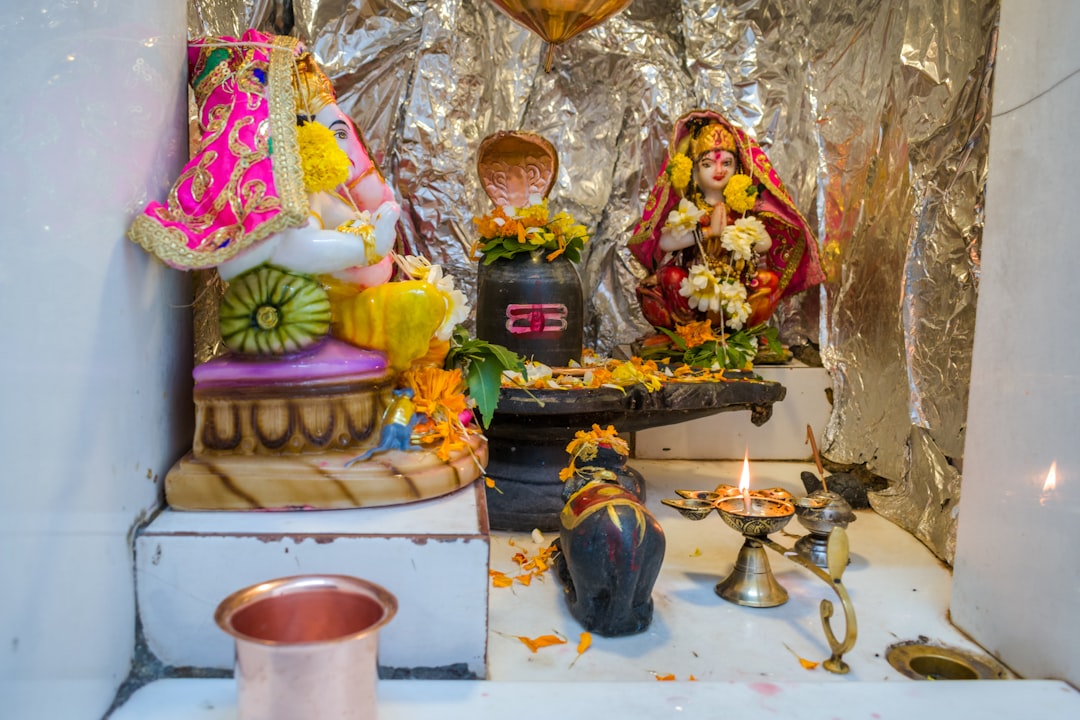
What Does Kajari Teej Teach Us Today?
The deepest value of the Kajari Teej vrat story lies in its ability to connect an ancient tradition to daily life.
We may not face the same circumstances as the poor Brahmin couple, but everyone encounters moments of uncertainty, limitation and fear.
The Katha asks us to remember our values during those moments.
Devotion without honesty is incomplete.
Ritual without compassion loses its spirit.
Prosperity without gratitude becomes empty.
Kajari Teej can therefore become more than a yearly festival. It can serve as a reminder that true spirituality is reflected in how consciously we respond to the circumstances of life.
Personal Session
Every person's inner journey is different. Sometimes the challenge is not a lack of information, but understanding how spiritual wisdom applies to your specific circumstances. A Personal Session can offer dedicated space to explore your questions, patterns and direction with greater clarity. Book a Personal Session and take a conscious step toward deeper understanding and inner growth.
Book Now
Read Latest Articles
What You Experience After Fasting Every Monday in Sawan
Frequently Asked Questions
What is the Kajari Teej Vrat Katha?
The Kajari Teej Vrat Katha tells the traditional story of a poor Brahmin couple who need sattu for the wife's Teej vrat. After the Brahmin enters a merchant's shop to obtain it, his truthful explanation moves the merchant to compassion. The story highlights devotion, honesty, generosity and faith and is traditionally heard during Kajari Teej observances.When is Kajari Teej in 2026?
Kajari Teej will be observed in India on Monday, 31 August 2026. Tritiya Tithi begins on 30 August and ends on the morning of 31 August. Exact local Panchang timings should be checked for your city.What is the Kajari Teej ki kahani?
The widely narrated Kajari Teej story concerns a poor Brahmin couple. When the wife observes Kajari Teej and needs sattu, her husband is unable to afford it. His circumstances lead him to a merchant's shop, where his truthful explanation ultimately inspires compassion and generosity.Why is sattu important on Kajari Teej?
Sattu is traditionally associated with Kajari Teej in several regions. Its importance is so strong that the festival is also known as Satudi Teej in some communities. Sattu also plays a central role in the popular Kajari Teej Vrat Katha.Is Kajari Teej also called Badi Teej?
Yes. Kajari Teej is also known as Badi Teej, while Hariyali Teej is sometimes described as Chhoti Teej. Other names include Kajali Teej, Kajri Teej and Satudi Teej.Whom do devotees worship on Kajari Teej?
Kajari Teej traditions commonly include worship of Lord Shiva and Goddess Parvati, with prayers associated with marital harmony, family well-being and devotion.