

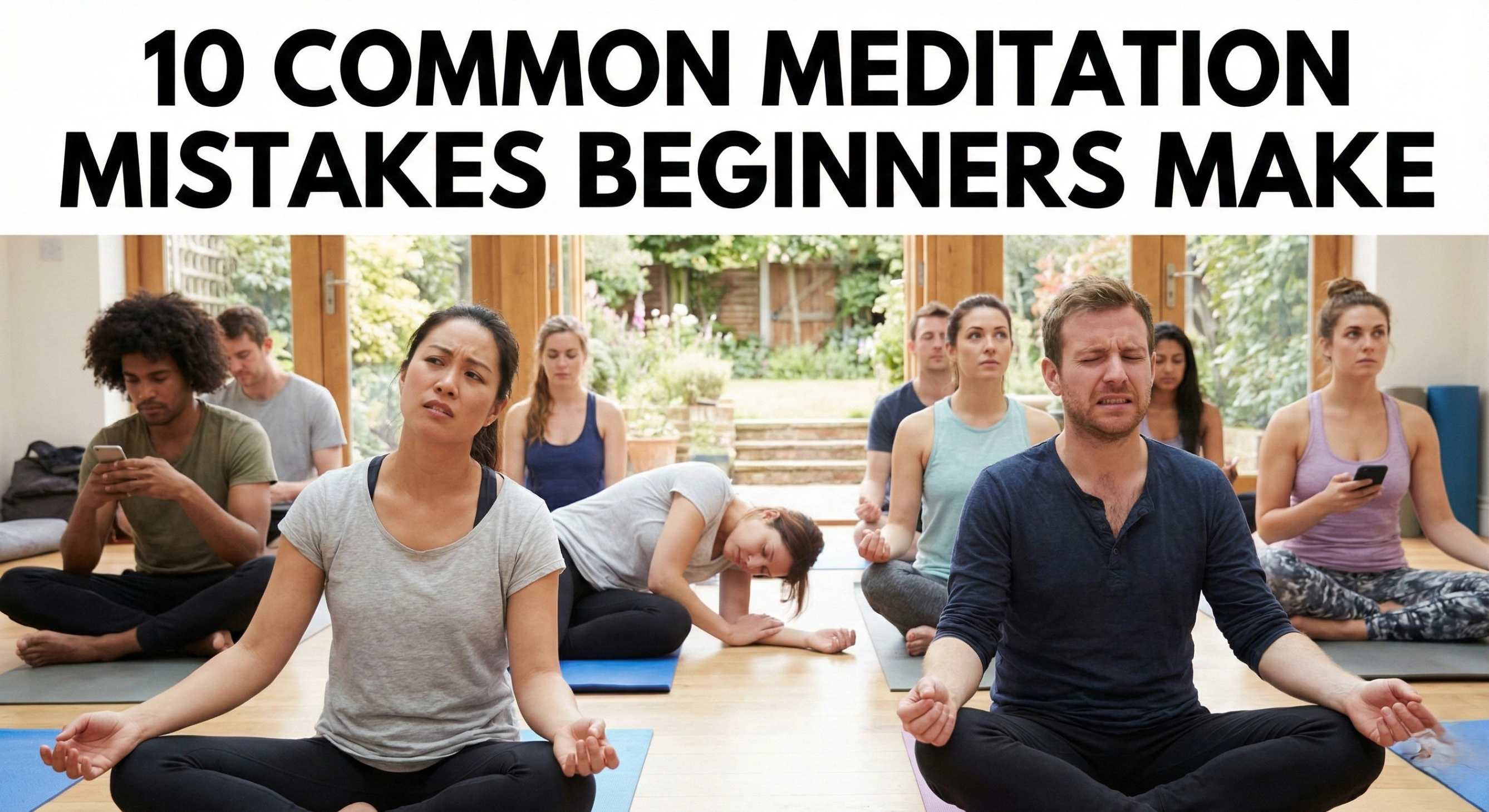
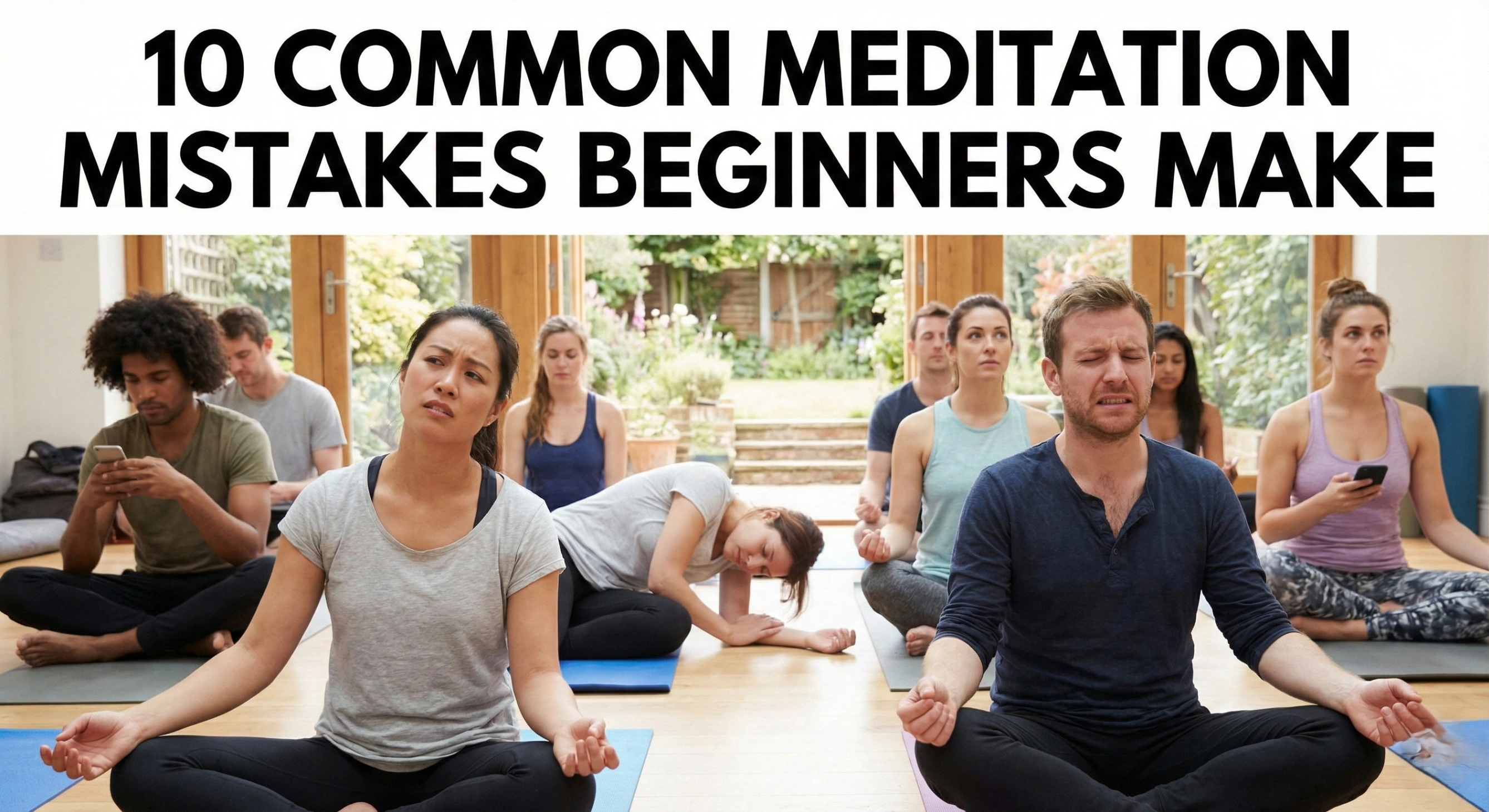
Meditation has grown immensely popular in recent years, and for good reason. It helps reduce stress, improves focus, enhances emotional well-being, and even boosts overall health. Yet, despite its benefits, many beginners find meditation confusing or frustrating. The main reason is that beginners often make common meditation mistakes that hinder progress, sometimes even causing them to quit.
In this comprehensive guide, we’ll explore why meditation doesn’t work for many people, what meditation is not, the myths surrounding it, the mistakes beginners make, and most importantly, how to meditate correctly for maximum benefit.
Why Meditation Doesn’t Work for Many People
Meditation is not a magic solution. Many beginners struggle to see results because of misunderstandings about what meditation is and how it works.
Expecting Instant Results:
One of the biggest mistakes is expecting meditation to immediately reduce stress, cure anxiety, or provide inner peace. Meditation is a gradual process. Like learning a musical instrument or developing a fitness habit, it requires patience, time, and consistent practice. Beginners often get discouraged when the results are not immediate.Judging the Mind:
Beginners often feel like they are failing when their mind keeps wandering. The truth is, a wandering mind is completely normal. Meditation is not about eliminating thoughts; it’s about observing them without attachment.Overcomplicating Meditation Techniques:
With so many styles available mindfulness, mantra-based, guided, transcendental, or loving-kindness—beginners often feel confused about which technique is correct. Trying to do too much too soon can cause unnecessary stress.Not Understanding Meditation Myths:
Misconceptions like “meditation is only spiritual” or “you must meditate for hours” create unrealistic expectations and pressure, which often lead beginners to give up.
CTA: Feeling stuck in your meditation practice? Download our free beginner meditation guide to learn how to meditate effectively without stress!
Common Misunderstandings About Meditation
Before diving into the mistakes, it’s crucial to clarify some misunderstandings beginners often have:
Meditation Requires a Blank Mind:
Many beginners think meditation is about completely stopping thoughts. In reality, meditation is about being aware of your thoughts without reacting or getting attached to them. It’s perfectly normal for the mind to wander—it’s part of the process.Meditation is Only for Stress Relief:
While stress reduction is one of meditation’s benefits, it also enhances focus, emotional regulation, creativity, and self-awareness. Limiting meditation to just stress relief can restrict its potential impact.You Must Meditate for Long Hours:
Short, consistent sessions are often more effective than sporadic long sessions. Even 5–15 minutes daily can produce meaningful benefits if practiced consistently.Meditation is Only Spiritual or Religious:
Meditation is a mental exercise that can be practiced by anyone, regardless of beliefs. Focusing on mindfulness or breathwork is sufficient to experience benefits.Meditation Brings Instant Happiness or Calm:
Beginners may expect immediate relief from anxiety or stress, which is unrealistic. Meditation gradually develops resilience, focus, and inner calm over time.
Top Meditation Mistakes Beginners Make (Detailed)
Here’s a long-format, detailed explanation of the most common mistakes beginners make and how to avoid them:
1. Not Following a Consistent Schedule
Many beginners meditate only when they feel stressed or have free time. This irregularity makes it hard for the brain to adapt to the practice. Consistency is key—even short, daily sessions can create long-lasting changes in mental clarity and emotional regulation.
How to Avoid:
Set a fixed time daily for meditation, preferably morning or evening.
Treat it like brushing your teeth—non-negotiable and habitual.
Even 5 minutes daily is better than 60 minutes once a week.
2. Expecting Meditation to Solve Everything
Meditation is beneficial but it’s not a cure-all. Beginners often get frustrated when meditation doesn’t eliminate all their problems immediately.
How to Avoid:
View meditation as a supportive tool, not a magical solution.
Focus on small improvements like better focus, calmness, or stress reduction.
Combine meditation with other healthy practices like exercise, sleep, and journaling.
3. Forcing Thoughts to Stop
One of the most common mistakes is thinking that meditation means stopping all thoughts. This creates tension and frustration.
How to Avoid:
Allow thoughts to come and go naturally.
Gently bring your attention back to your breath or focus point without judgment.
Remember, meditation is about observation, not control.
4. Overthinking the Technique
Beginners often feel pressured to meditate perfectly, especially after seeing social media videos or advanced techniques. This overthinking creates mental resistance.
How to Avoid:
Start simple with breath-focused meditation for 5–10 minutes.
Gradually explore other techniques like guided meditation, body scans, or mindfulness.
Focus on consistency over complexity.
5. Poor Posture and Environment
Sitting in an uncomfortable posture or meditating in a noisy environment can reduce the effectiveness of meditation. Physical discomfort often distracts the mind.
How to Avoid:
Sit upright but relaxed, with shoulders loose.
Find a quiet, calm space.
Use props like cushions or chairs if needed.
6. Skipping Preparation or Cool-Down
Jumping straight into meditation without preparing the mind or abruptly ending the session can reduce benefits.
How to Avoid:
Start with a few deep breaths or gentle stretches to settle the mind.
Conclude meditation with a few moments of reflection or gratitude.
7. Comparing Yourself with Others
Watching experienced meditators online can make beginners feel inadequate, creating frustration.
How to Avoid:
Remember that meditation is personal.
Focus on your own progress.
Avoid comparing session length, depth, or calmness with others.
8. Neglecting Breath Awareness
Breath is the anchor of many meditation techniques. Beginners often forget this focus, leading to mind wandering.
How to Avoid:
Observe each inhale and exhale.
Count your breaths if it helps maintain focus.
Return attention to breath whenever distraction arises.
9. Inconsistent Expectations vs Reality
Many beginners expect meditation to eliminate stress or negative thoughts immediately. When reality does not meet these expectations, they quit.
How to Avoid:
Adjust expectations to focus on gradual improvement.
Celebrate small wins like reduced anxiety or better focus.
Understand meditation is about the journey, not instant results.

10. Believing Meditation Myths
Misconceptions like “meditation is only spiritual” or “you must sit for hours” create unnecessary pressure and lead to mistakes.
How to Avoid:
Learn about meditation myths and facts.
Stick to science-backed meditation techniques.
Focus on mindfulness, breath awareness, or guided meditation for beginners.
How to Avoid Meditation Mistakes (Summary)
Practice consistently – daily short sessions are better than occasional long sessions.
Keep expectations realistic – meditation takes time and patience.
Focus on the breath – it’s the most reliable anchor for beginners.
Meditate in a comfortable, quiet space – posture and environment matter.
Don’t judge your thoughts – observation, not control, is the goal.
Educate yourself – learn the facts and myths about meditation.
Start simple – progress gradually, explore techniques later.
By avoiding these mistakes, beginners can enjoy meditation fully and gradually experience inner calm, focus, and self-awareness.
Meditation is a journey, not a quick fix. Beginners often make mistakes due to misunderstandings, myths, or unrealistic expectations. By being aware of common meditation mistakes and learning how to meditate correctly, you can develop a consistent practice that brings real mental and emotional benefits over time.