

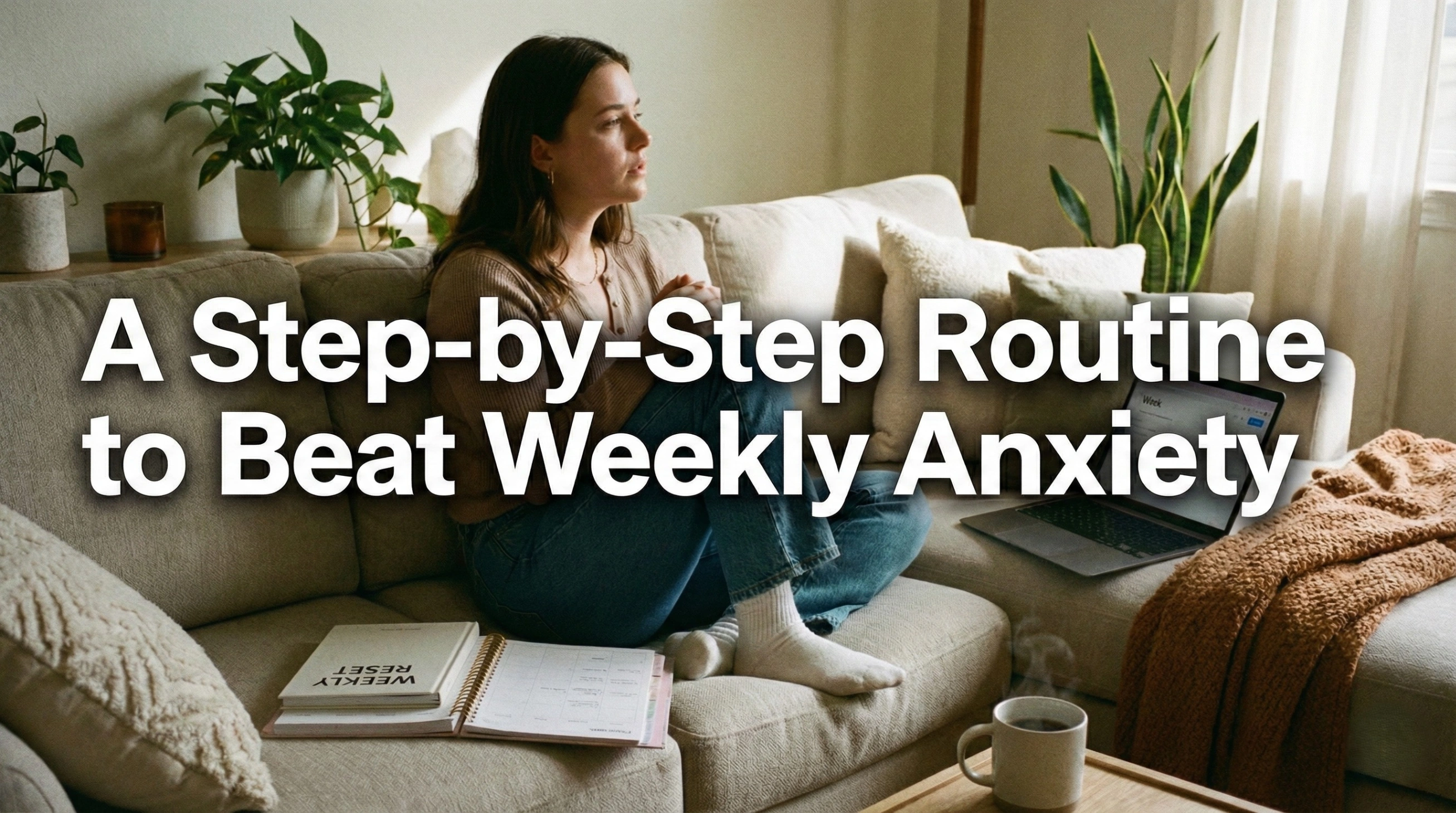
It’s 4:00 PM on a Sunday. The lighting in your living room changes slightly, the weekend starts to feel like a distant memory, and suddenly, it hits you. That tight chest. The shallow breathing. The racing thoughts about an email you might have missed or a meeting you’re not ready for.
You are experiencing the Sunday Scaries.
Whether you call it Sunday anxiety, Sunday depression, or just the Sunday blues, that distinct drop in your stomach as the weekend winds down is a nearly universal experience. But here is the good news: you don't have to live your life in 5-day cycles of survival and 2-day cycles of dread.
This isn't just about "thinking positive." It’s about biology. This guide is a step-by-step routine to beat weekly anxiety, designed to help you regulate your body, calm your mind, and actually enjoy your Sunday evening again.
Why Do I Get Anxiety on Sundays?
Before we dive into the fix, let's validate the feeling. If you’ve ever Googled "Why do I get anxiety on Sundays?" you aren't alone, and you aren't broken.
The "Scaries" are often a physiological response known as "anticipatory anxiety." Your brain perceives the upcoming work week as a threat. After two days of letting your guard down perhaps sleeping in late, eating differently, or having a few drinks—your body's rhythm is shifted. When the realization of Monday hits, your brain floods your system with cortisol and adrenaline to prepare for "battle."
If you are already prone to work anxiety or high-functioning stress, this transition can feel jarring. It’s not just that you hate your job (though dreading work is a trigger); it’s that your nervous system is struggling to switch gears from "rest" to "action" smoothly.
Phase 1: The Sunday Reset Routine (12:00 PM – 5:00 PM)
The mistake most people make is waiting until they feel anxious to start managing it. The secret to how to stop Sunday Scaries is pre-emption. We want to lower the friction of the upcoming week before the panic sets in.
The "Low-Stakes" Prep
A massive driver of anxiety is decision fatigue. By Sunday night, your brain is tired. If you haven't planned for Monday, your brain views the unknown as a danger. Your Sunday reset routine should be simple, mechanical, and non-emotional.
Pick the outfit: Lay out exactly what you are wearing for Monday morning anxiety prevention.
The "Brain Dump": Get a piece of paper. Write down every single task swirling in your head. Once it is on paper, your brain can stop expending energy trying to "hold" it.
Meal Prep Lite: You don’t need to cook a 5-course meal. Just knowing what you are eating for lunch tomorrow removes a stressor.
Journal Prompts for Sunday Anxiety
If your mind is looping on "what ifs," you need to interrupt the pattern. Sit down for ten minutes with these journal prompts for Sunday anxiety:
What is the evidence that I cannot handle this week? (Usually, there is none).
What are three things that went right this weekend?
If Monday goes perfectly, what would that look like?
Phase 2: The Evening Regulation (5:00 PM – 9:00 PM)
As the sun goes down, the Sunday depression feelings often get louder. This is the critical window. Most people cope by scrolling TikTok or drinking wine both of which actually increase anxiety the next morning.
Instead, we are going to focus on nervous system regulation exercises.
Somatic Exercises for Anxiety Relief
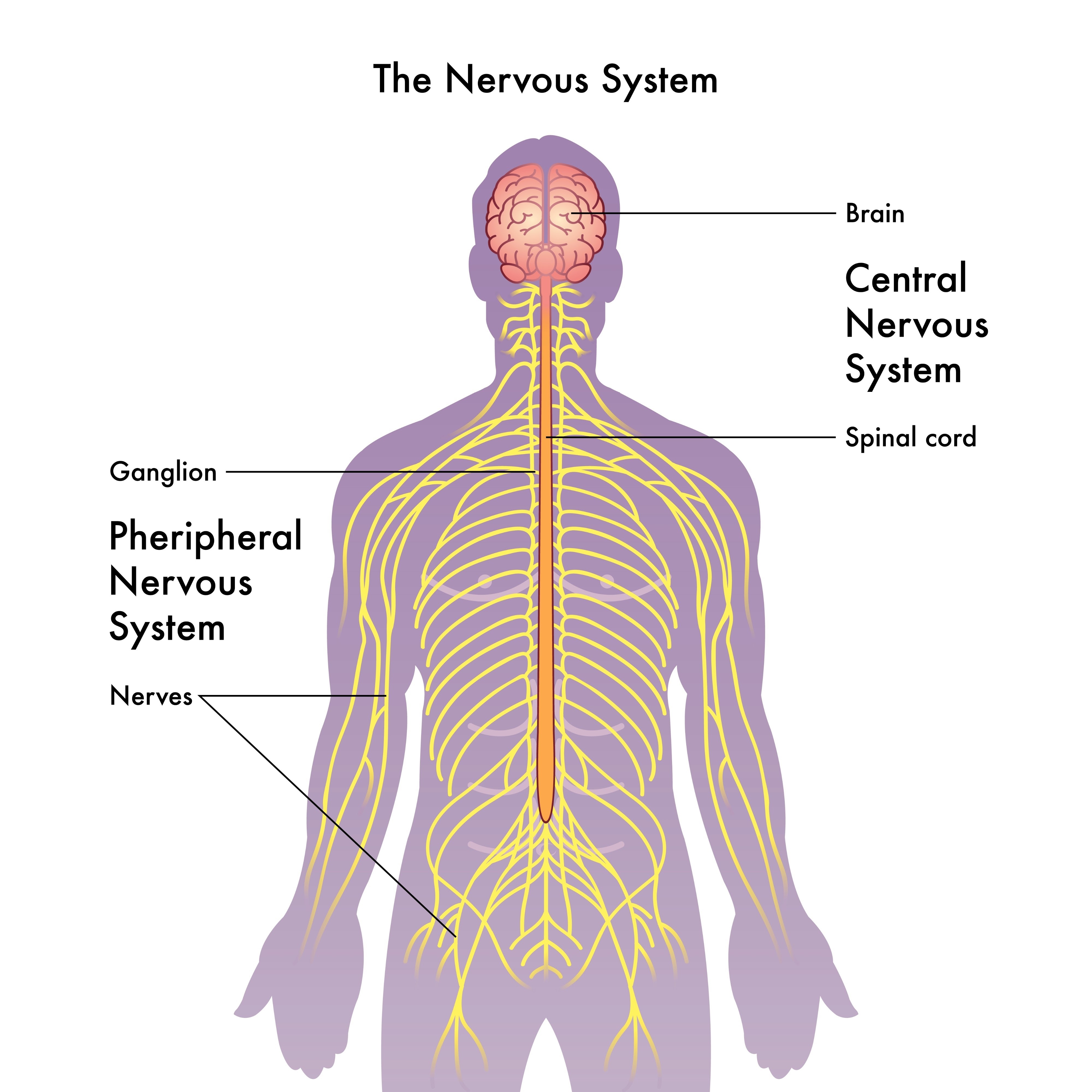
You cannot think your way out of a feeling that is stuck in your body. Somatic exercises for anxiety relief work by signaling safety directly to your brainstem.
Try "The Shake": Stand up. Start shaking your hands, then your arms, then bounce on your heels. Shake your whole body for 60 seconds. It feels ridiculous, but animals do this instinctively after a threat to discharge adrenaline. It is one of the fastest ways to reset a "frozen" nervous system.
Vagus Nerve Activation: The Vagus nerve is your body’s "chill out" button. You can stimulate it by humming. Take a deep breath and on the exhale, make a low, rumbling "Voooooo" sound. Feel the vibration in your chest. Do this for 2 minutes.
Digital Sunset & Cortisol Detox
Blue light from screens mimics daylight, keeping your cortisol levels high when they should be dropping. If you want to know how to reset your nervous system before the week, the answer is darkness.
Create a "Digital Sunset" at 8:00 PM. Put the phone in another room. This is non-negotiable if you struggle with Sunday blues. Replace the scroll with low-dopamine activities: reading a physical book, stretching, or listening to slow music.
Phase 3: The Nighttime Routine for Anxiety
Sleep is your armor against stress. A solid nighttime routine for anxiety isn't about luxury skincare; it's about physiology.
Temperature Drop: Keep your room cool (around 65°F/18°C). A drop in core body temperature signals sleep to the brain.
Supplements: Consider the best supplements for anxiety and stress. Magnesium Glycinate is highly praised for relaxation without drowsiness. L-Theanine can also help quiet a racing mind. Note: Always check with your doctor first.
The "Worry Time" Technique: If you are lying in bed and can't stop thinking about work, tell yourself: "I have already written these worries down. I am allowed to worry about them tomorrow at 9:00 AM, but not right now."
Phase 4: Conquering Monday Morning Anxiety
The alarm goes off. It’s Anxious Monday. This is often the hardest moment of the week. Your cortisol is naturally highest in the morning (the Cortisol Awakening Response), but for anxious people, this feels like a panic attack.
The "No-Phone" Rule
Do not check your email in bed. I repeat: Do not check your email in bed. Seeing a work request while you are still horizontal triggers an immediate stress response, setting you up for Blue Monday. Give yourself a 15-minute buffer.
A 5-Minute Mindfulness Routine
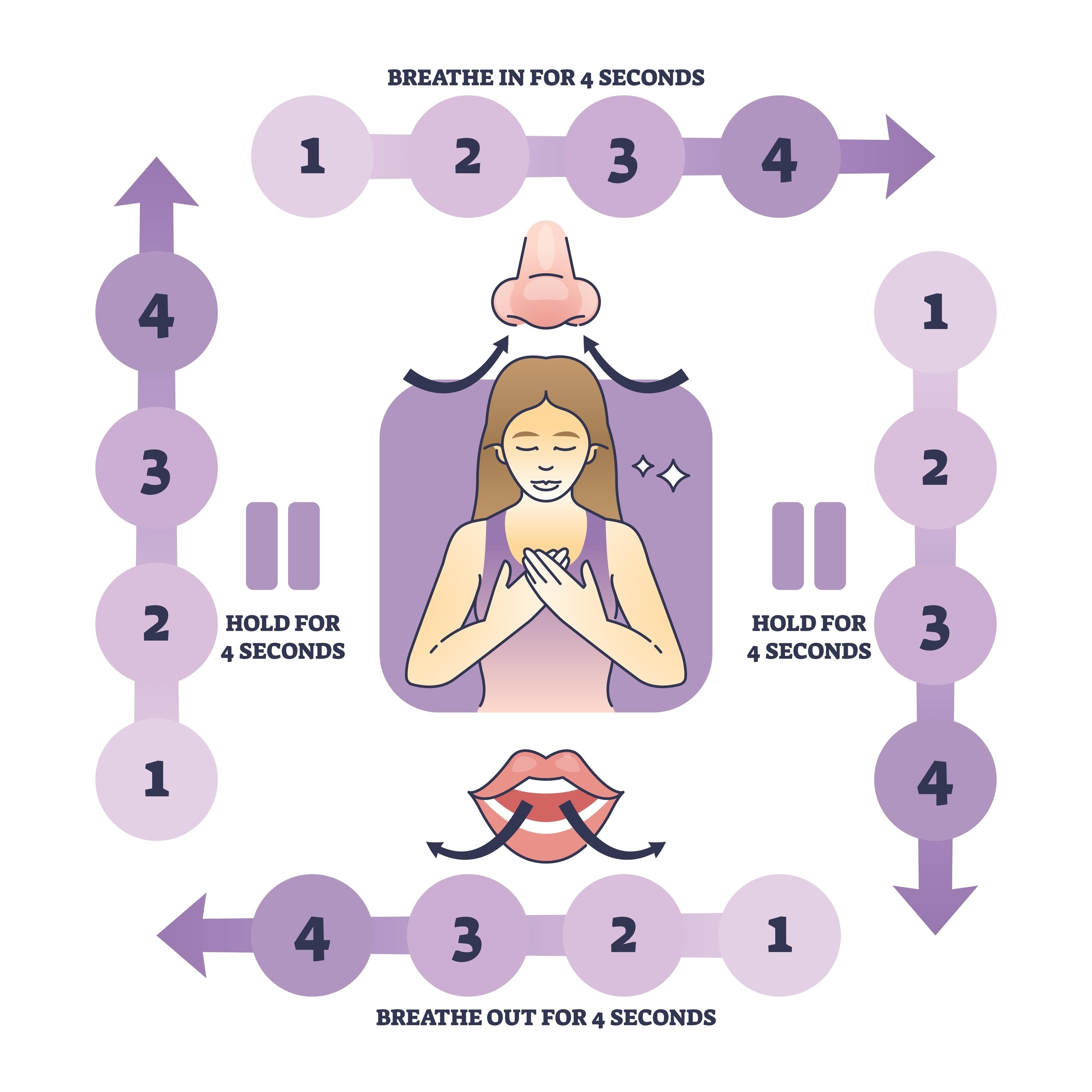
You don't need to meditate for an hour. A 5-minute mindfulness routine is enough to anchor you. Try Box Breathing:
Inhale for 4 seconds.
Hold for 4 seconds.
Exhale for 4 seconds.
Hold for 4 seconds. Repeat this four times. This forces your heart rate to slow down.
Grounding Techniques for Anxiety
If you feel floaty or dizzy (dissociated), use grounding techniques for anxiety:
5-4-3-2-1 Method: Identify 5 things you see, 4 you can touch, 3 you hear, 2 you smell, and 1 you taste.
Cold Water: Splash freezing water on your face. This triggers the "Mammalian Dive Reflex," instantly slowing your heart rate.
Phase 5: Building a Sustainable Daily Routine for Mental Health
Beating the Scaries isn't just about Sunday; it's about how you live Monday through Friday. A rigid daily routine for mental health helps prevent the burnout that makes Sundays so scary in the first place.
Managing "High-Functioning" Stress
If you deal with morning anxiety symptoms every single day, you might be running on a cortisol detox deficit. You need to close the stress cycle daily.
Move the energy: Exercise isn't about weight loss here; it's about processing stress hormones.
Joy Pockets: How to start the week positive? Schedule something you actually like on Monday night. A movie, a favorite meal, a call with a friend. Give your brain a reward to look forward to so Monday isn't just about labor.
Acceptance and Self-Compassion
Sometimes, despite your best morning routine for anxiety and depression, the feelings will still be there. That is okay. You are not failing.
Say to yourself: "I am feeling anxious right now, and that is uncomfortable, but I am safe."
You don't have to be a victim of your calendar. By implementing a Sunday reset routine and understanding the biology behind your work anxiety, you can take the power back.
Start small. Maybe this Sunday you just do the "brain dump." Maybe next week you try the somatic shaking. Over time, these tools compound, turning the Sunday Scaries into just... Sunday.