

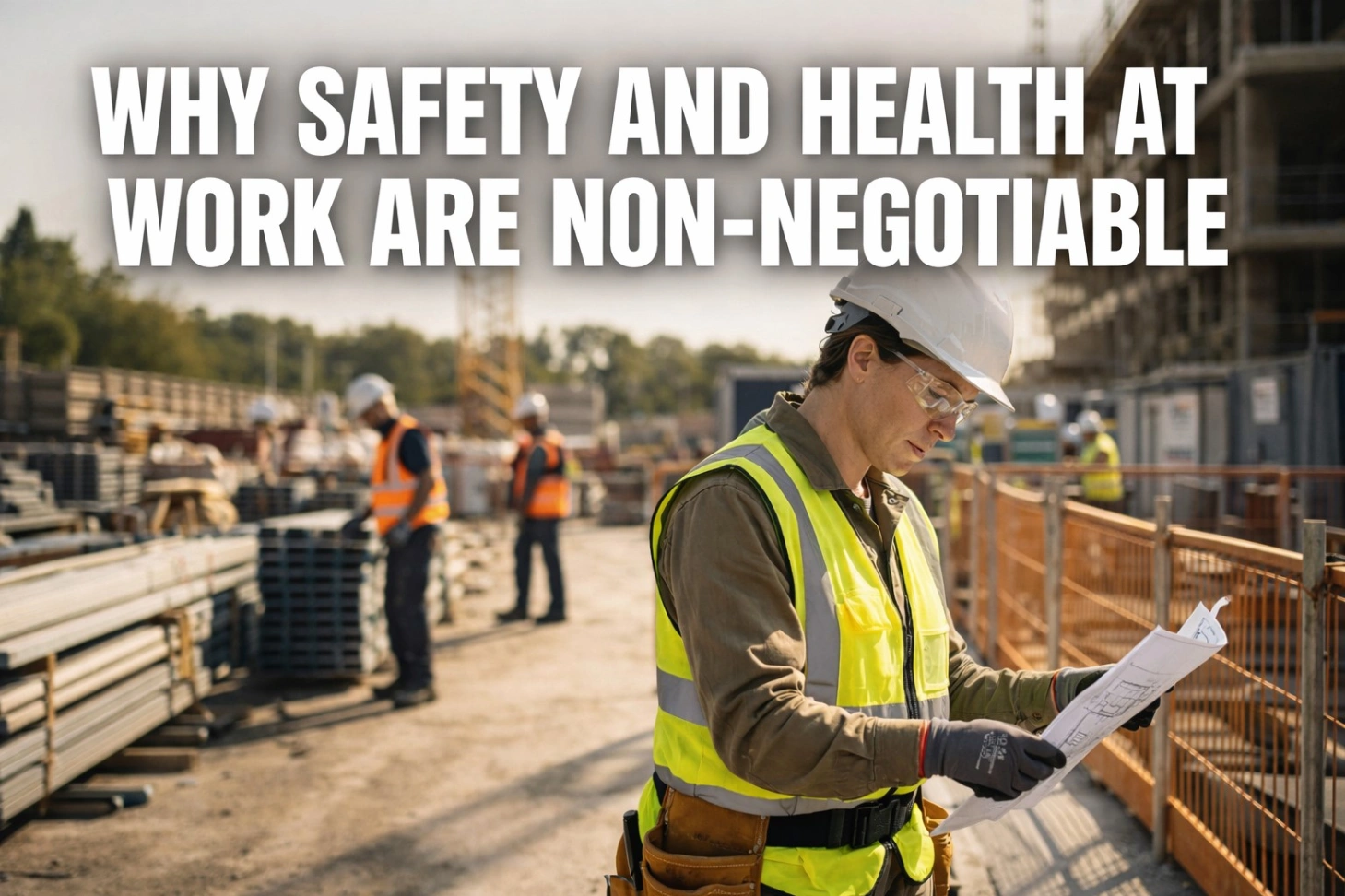
Workplace safety is no longer just a compliance requirement, it’s a necessity. In today’s fast-paced world, workplace safety and health and safety at work are directly linked to employee wellbeing, productivity, and long-term business success. Ignoring workplace safety doesn’t just risk accidents it impacts mental health, performance, and even company culture.
Let’s understand why workplace safety is truly non-negotiable and what it means in real life.
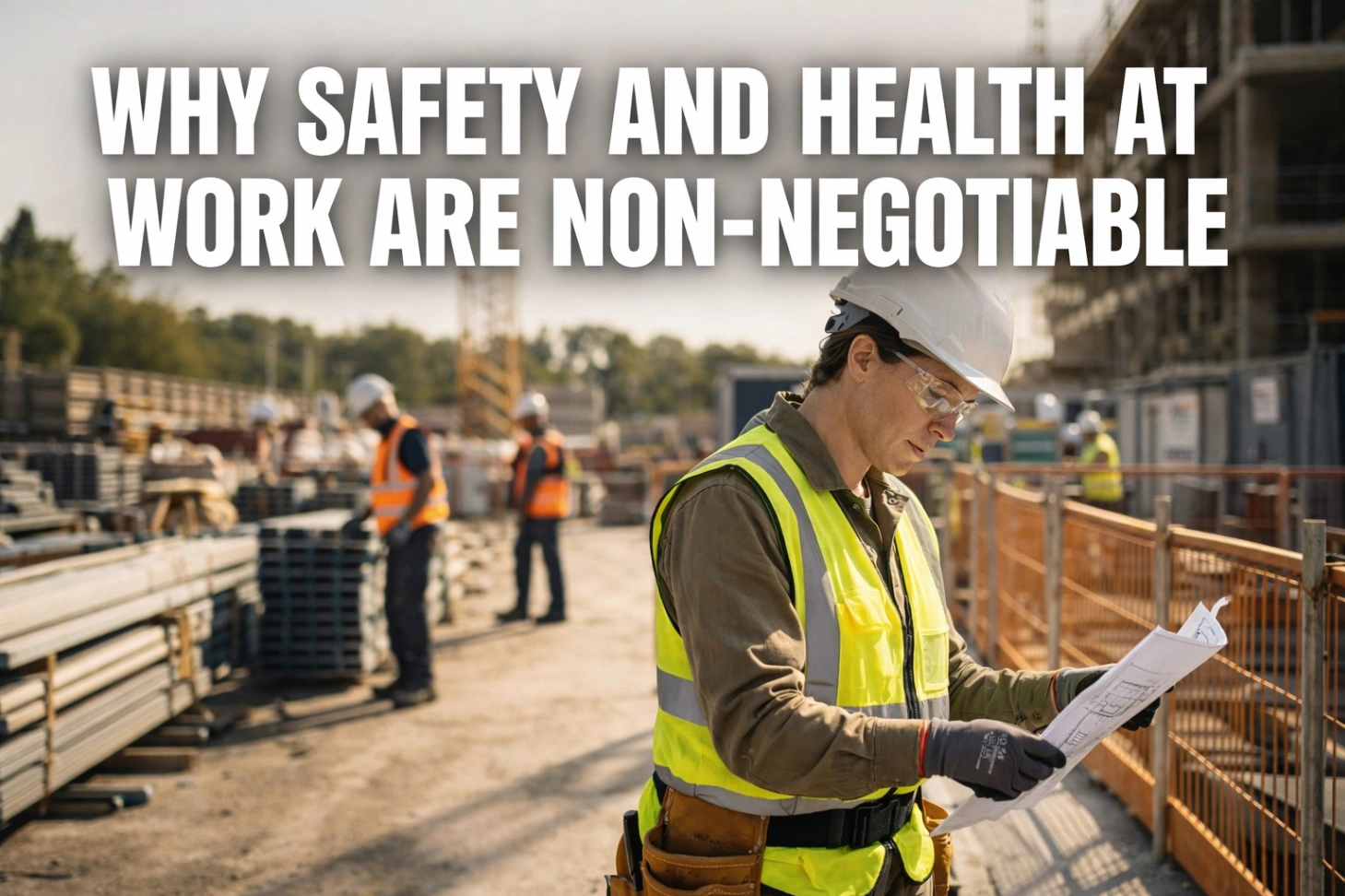
The Real Cost of Ignoring Workplace Safety
Many organizations still treat workplace safety as a checklist rather than a culture. But the consequences of ignoring it can be severe.
From workplace accidents causes like poor training or lack of awareness to common workplace injuries, even small negligence can lead to long-term damage.
Here’s what happens when safety is ignored:
Increased workplace hazards
Higher risk of injuries and accidents
Reduced employee morale
Legal and financial consequences
Decline in productivity
When employees don’t feel safe, they can’t perform at their best.
Personal Session CTA
Feeling stuck, stressed, or disconnected? Book a personal guidance session with Sakshi Shree and get clarity on your life, mindset, and inner journey.
Book NowWorkplace Safety Is More Than Physical Protection
When we talk about health and safety at work, it’s not just about helmets and fire exits.
It includes:
Mental health at workplace
Emotional safety
Stress management at work
Work-life balance
In fact, workplace stress and safety issues are deeply connected. A stressed employee is more likely to make mistakes, increasing risks.
True safety = Physical + Mental + Emotional wellbeing
Why Workplace Safety Matters More Than Ever
Modern workplaces are evolving remote work, digital stress, long working hours.
This makes employee health and safety even more important.
Here’s why:
1. Boosts Productivity
A safe environment improves focus and efficiency.
2. Builds Trust
Employees feel valued when their safety is prioritized.
3. Improves Retention
People stay where they feel secure.
4. Reduces Risks
Fewer accidents = lower costs and liabilities.

Common Workplace Hazards You Must Know
Understanding workplace hazards examples is the first step toward prevention.
Physical Hazards:
Slippery floors
Poor lighting
Unsafe equipment
Ergonomic Hazards:
Poor posture
Improper seating
Lack of breaks
Psychological Hazards:
Workplace stress
Toxic culture
Overwork
Even work from home safety tips are now essential due to remote work setups.
Best Workplace Safety Practices
Creating a safe workplace isn’t complicated—it’s about consistency.
1. Safety Training for Employees
Regular safety training for employees ensures awareness.
2. Clear Safety Guidelines
Implement workplace safety rules and policies.
3. Use Safety Checklists
A workplace safety checklist helps track risks.
4. Promote Safety Culture
Encourage open communication and reporting.
5. Focus on Ergonomics
Follow workplace ergonomics tips to avoid long-term issues.

Workplace Safety Regulations & Compliance
Following workplace safety regulations is not optional.
Organizations must:
Follow occupational health and safety guidelines
Maintain a health and safety policy at workplace
Ensure compliance with global standards like OSHA safety standards
But remember, compliance is the minimum. True safety goes beyond rules.
How to Improve Workplace Safety
If you’re wondering how to improve workplace safety, start with these steps:
Identify risks regularly
Encourage employee feedback
Invest in training and tools
Prioritize mental health
Build a safety-first culture
Even small actions can create a safe working environment.
The Link Between Safety and Employee Wellbeing
Employee wellbeing and safety are deeply connected.
A safe workplace:
Reduces stress
Improves mental clarity
Enhances job satisfaction
And when employees feel safe, they perform better and leading to better workplace productivity and safety outcomes.

Safety Is a Mindset, Not a Rule
Most people think safety is about avoiding accidents.
But the truth is:
Safety is about awareness.
Safety is about responsibility.
Safety is about caring, for yourself and others.
When organizations adopt this mindset, safety becomes natural.
In a world driven by speed and performance, it’s easy to overlook safety. But the reality is simple:
Workplace safety and health are not optional, they are essential.
Whether it’s preventing accidents, improving mental health, or building a positive culture, safety plays a crucial role.
Because at the end of the day:
A safe workplace is a successful workplace.
Design Your Destiny
Ready to go beyond external safety and build inner clarity, awareness, and balance? Join the “Design Your Destiny” program by Sakshi Shree and learn how to align your mind, emotions, and life direction.
Start Your Journey!