
Why Pongal is celebrated is rooted in gratitude to the Sun, the Earth, cattle, and the farmers who make harvest possible while when Pongal is celebrated aligns with a powerful solar transition that marks abundance and renewal. Celebrated every year in mid-January, Pongal is among the most cherished harvest festivals of India, especially across Tamil Nadu. Unlike festivals fixed to the lunar calendar, Pongal follows the Sun, making it a deeply agrarian and nature-centric celebration. Over four days, families clean their homes, draw kolams, cook the sacred Pongal dish, honor cattle, and gather in joy turning a seasonal milestone into a spiritual thanksgiving.
When Is Pongal Celebrated?
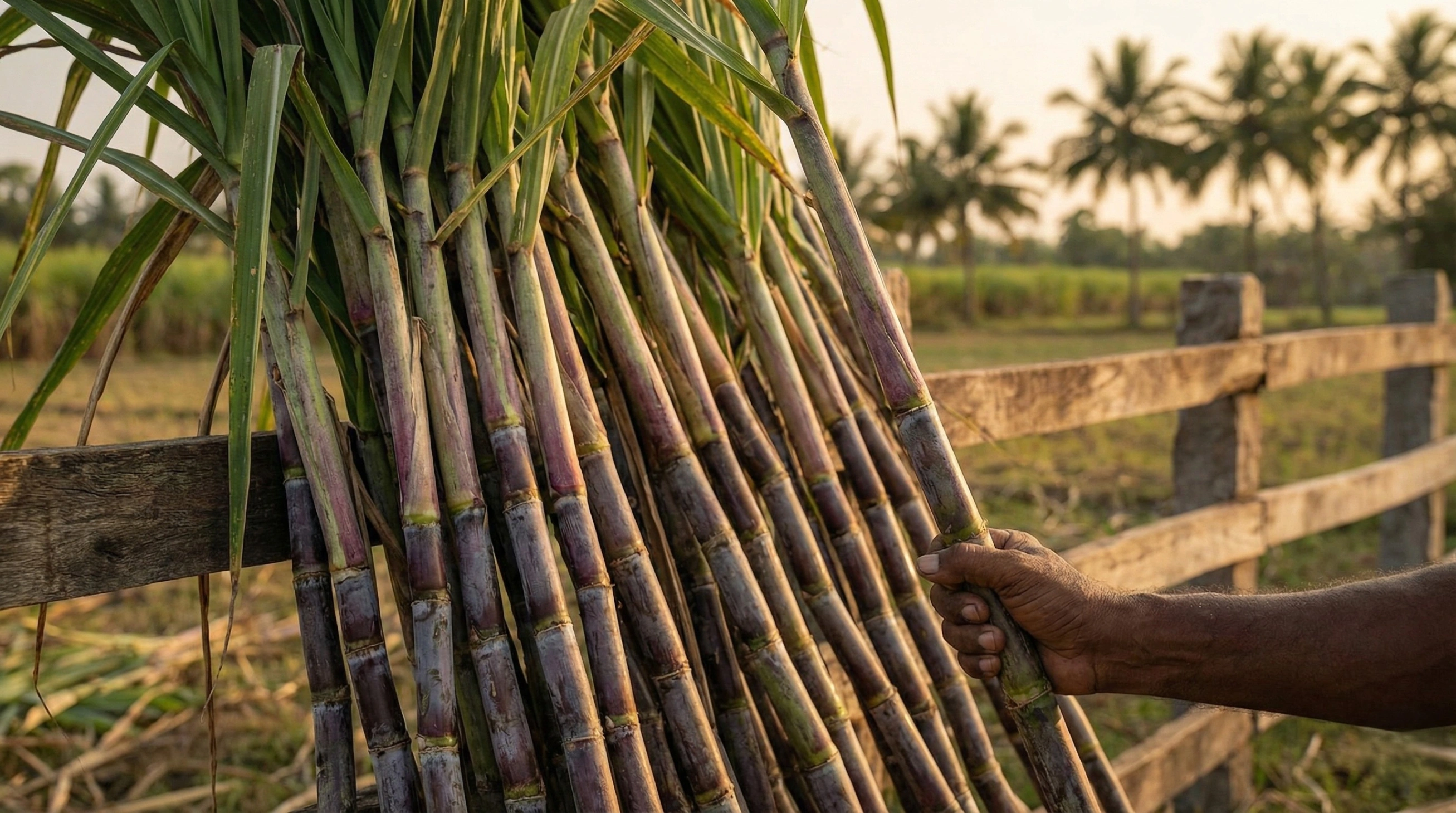
Pongal is celebrated from January 14 to January 17 each year, coinciding with Makara Sankranti, the Sun’s entry into Capricorn (Makara). This solar event signals longer days and the end of winter, a time when freshly harvested rice, sugarcane, and pulses arrive from the fields. Because the festival follows the solar calendar, the Pongal festival date remains remarkably consistent usually January 14 making it predictable and agriculturally meaningful.
The four days of Pongal are:
Bhogi Pongal
Surya Pongal
Mattu Pongal
Kaanum Pongal
Each day highlights a different relationship home, Sun, cattle, and community together forming a complete harvest celebration.
Why Pongal Is Celebrated in India
At its heart, Pongal is a festival of gratitude to nature. The word “Pongal” literally means “to boil over”, symbolizing prosperity that spills beyond limits. Farmers thank the Sun for energy, the Earth for nourishment, rain for life, and cattle for labor. This gratitude-first philosophy explains why Pongal is celebrated in India as a sacred harvest festival rather than just a cultural event.
Pongal also reinforces values of simplicity and balance. Homes are cleansed, old items are let go, and intentions are renewed. The rituals are practical yet spiritual; rooted in everyday life, aligned with seasons, and shared collectively.
Meaning of the Pongal Festival
The meaning of the Pongal festival in Hindu culture is inseparable from agriculture. It marks the successful completion of the harvest cycle and the promise of sustenance for the year ahead. By cooking the first rice of the season outdoors under the open sky, families acknowledge their dependence on natural forces. The overflowing pot is not just celebratory; it is a prayer for continued abundance.
Pongal’s meaning extends beyond fields to family bonds. Relatives reunite, neighbors exchange greetings, and communities come alive with music, kolams, and laughter reminding everyone that prosperity is shared.
Pongal Festival Rituals Explained (Day by Day)
Bhogi Pongal Rituals
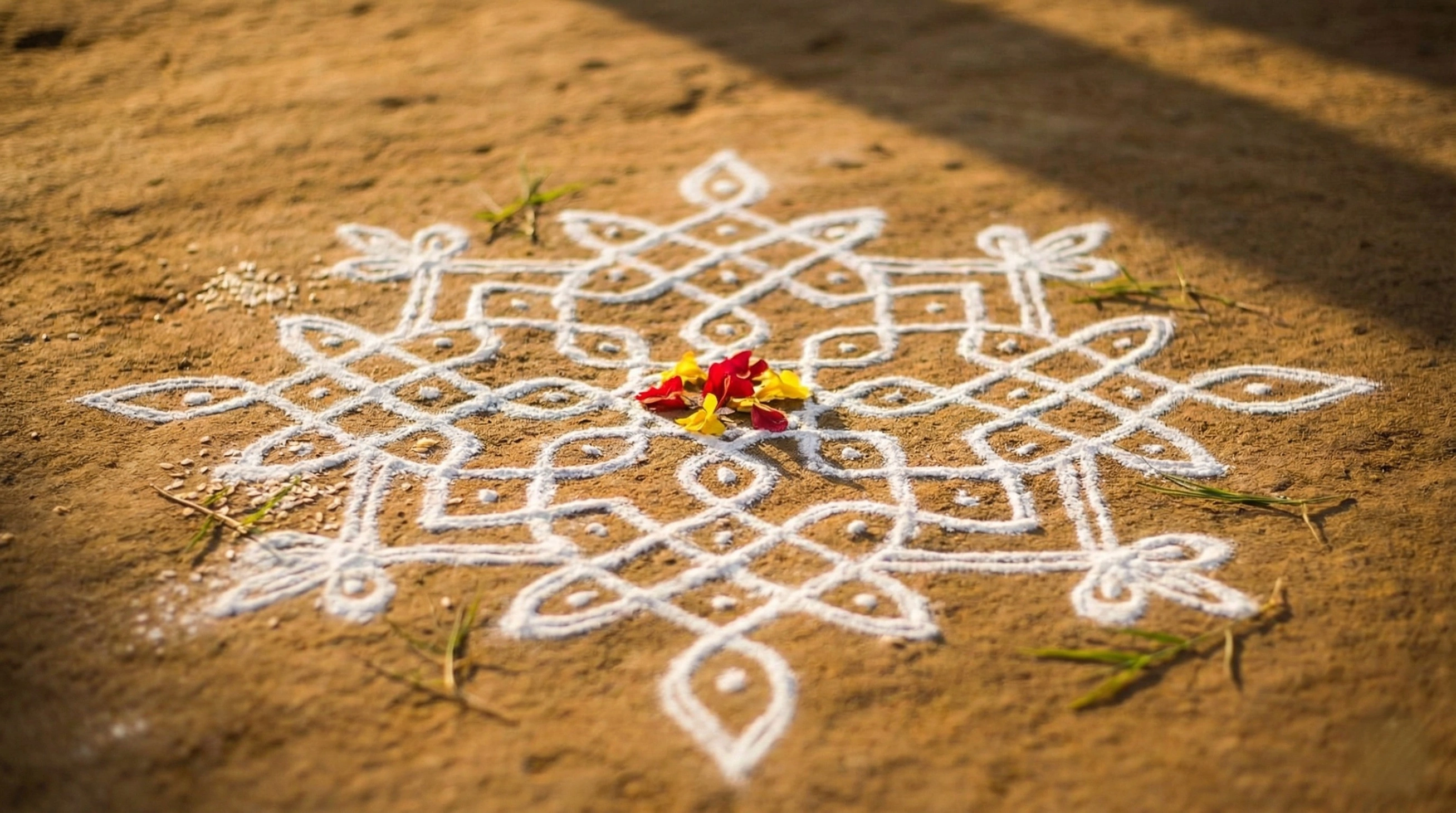
Bhogi opens the festival with renewal. Homes are cleaned, and old belongings are respectfully discarded in a small bonfire, symbolizing the release of the past. At dawn, fresh kolams adorn thresholds, welcoming positivity. Bhogi honors Indra, the god of rain, acknowledging water’s role in agriculture.
Surya Pongal Significance
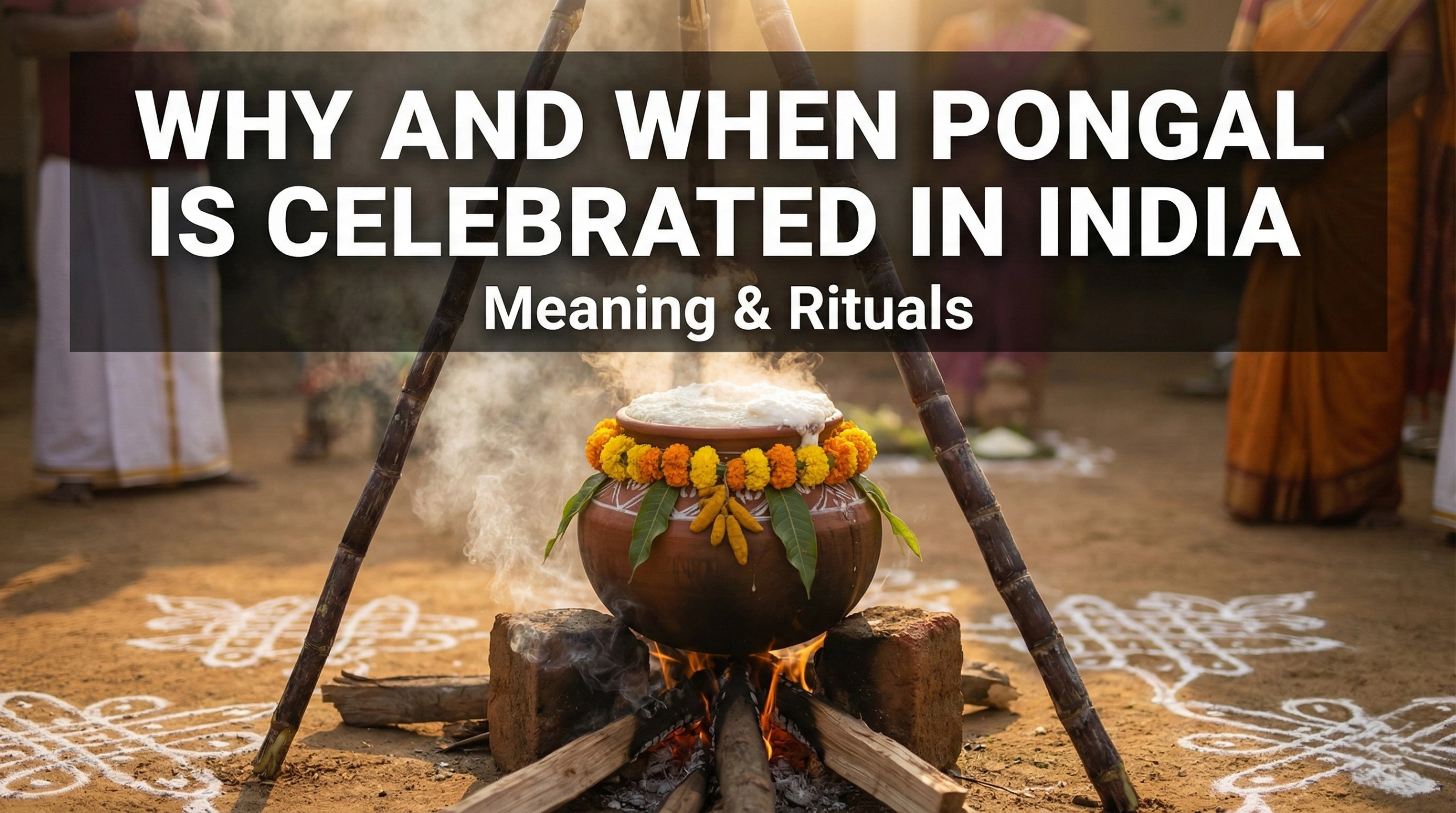
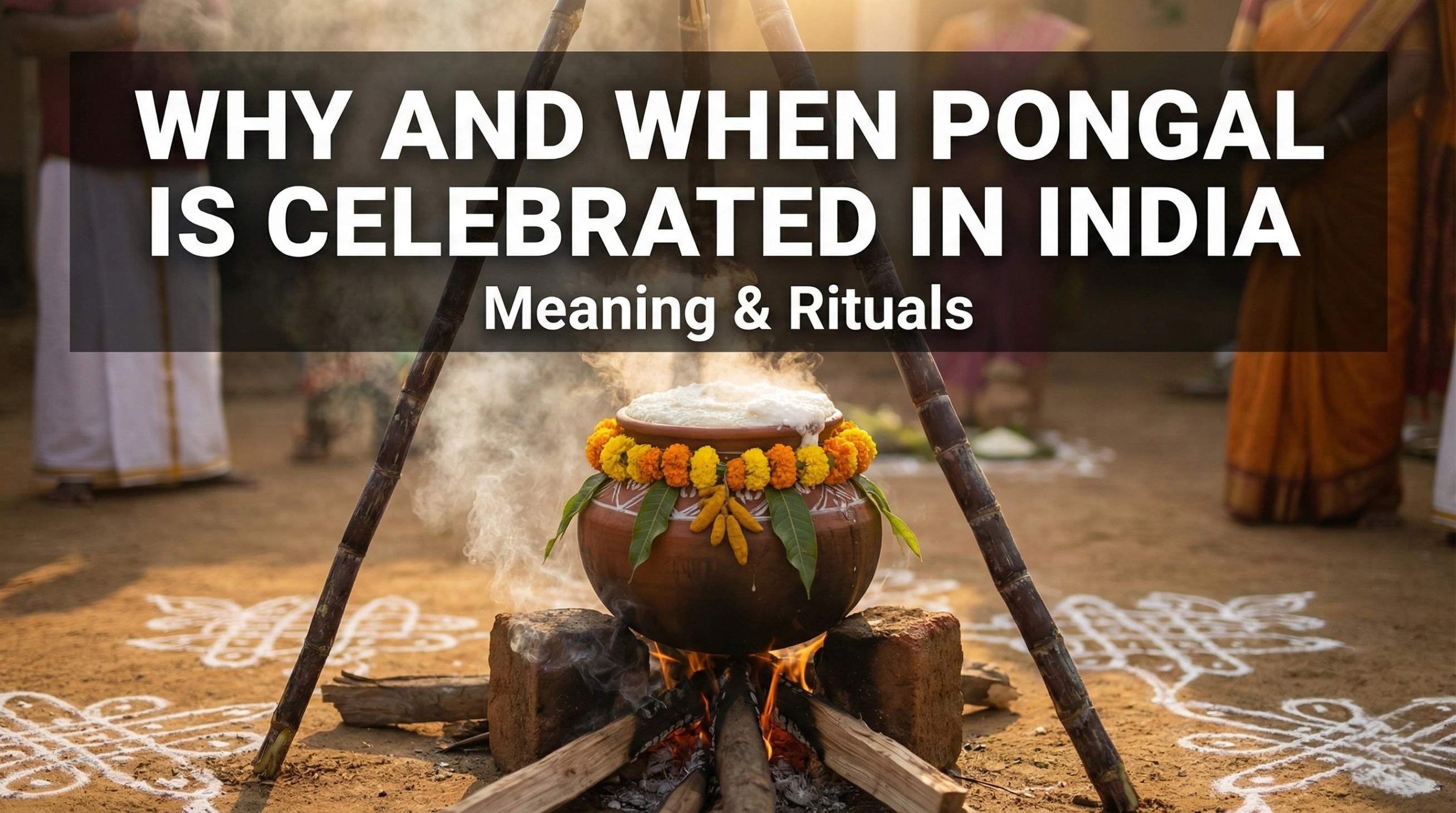
Surya Pongal is the main day. Families cook Pongal; a dish of rice, lentils, jaggery, ghee, and nuts—in a new clay pot as the Sun rises. When the pot boils over, chants of “Pongalo Pongal!” fill the air. This ritual thanks Surya, the Sun God, for warmth, growth, and life.
Mattu Pongal Rituals
Mattu Pongal honors cattle; the backbone of traditional farming. Cows and bulls are bathed, decorated with flowers and bells, and fed special treats. In villages, games and processions celebrate the animals’ contribution, reinforcing respect for all living beings.
Kaanum Pongal Meaning
Kaanum Pongal is about togetherness. Families visit relatives, picnic outdoors, and reconnect with nature. Traditionally, women pray for family well-being, while children enjoy festivities closing the four-day celebration on a joyful note.
How Pongal Is Celebrated Across India
While Pongal is most closely associated with Tamil culture, variations appear across South India. In Andhra Pradesh and Telangana, it aligns with Sankranti; in Karnataka, it parallels Suggi; in Kerala, it resonates with harvest observances. Despite regional names, the spirit remains the same; gratitude, harvest, and harmony with nature.
In urban areas, celebrations adapt with community events and temple gatherings, while villages preserve age-old customs. This adaptability explains the enduring relevance of the Pongal festival in South India.
Traditional Pongal Food and Customs
Food is central to Pongal celebrations. Alongside the sweet Pongal, families prepare savory Pongal, sugarcane, coconut dishes, and seasonal vegetables. Meals are shared on banana leaves, reinforcing sustainability and tradition. Wearing new clothes, exchanging greetings, and decorating homes with kolams are integral Pongal festival customs that blend beauty with meaning.
Spiritual Significance of Pongal
Beyond harvest, Pongal reflects a spiritual truth: abundance flows when humans live in alignment with nature. The festival emphasizes humility recognizing that human effort alone is not enough without the Sun, rain, and soil. This philosophy places Pongal among the most profound agricultural festivals in India, where spirituality and daily life meet.
Pongal Festival Traditions: Then and Now
Historically, Pongal rituals were entirely community-driven; fields, cattle sheds, and courtyards served as sacred spaces. Today, while lifestyles have changed, the essence remains. Whether celebrated in apartments or ancestral homes, the importance of the Pongal festival lies in remembrance: honoring roots while welcoming progress.
Why Pongal Still Matters Today
In a fast-paced world, Pongal reminds us to pause and give thanks. It reconnects people with food sources, seasons, and each other. This relevance grounded in gratitude explains why Pongal continues to thrive across generations, remaining a living tradition rather than a relic.
So, why and when Pongal is celebrated in India comes down to a beautiful balance of time and meaning. Celebrated in mid-January, Pongal honors the Sun’s journey, the harvest’s success, and the community’s shared prosperity. Through simple rituals and deep symbolism, it teaches gratitude to nature, to labor, and to life itself.