

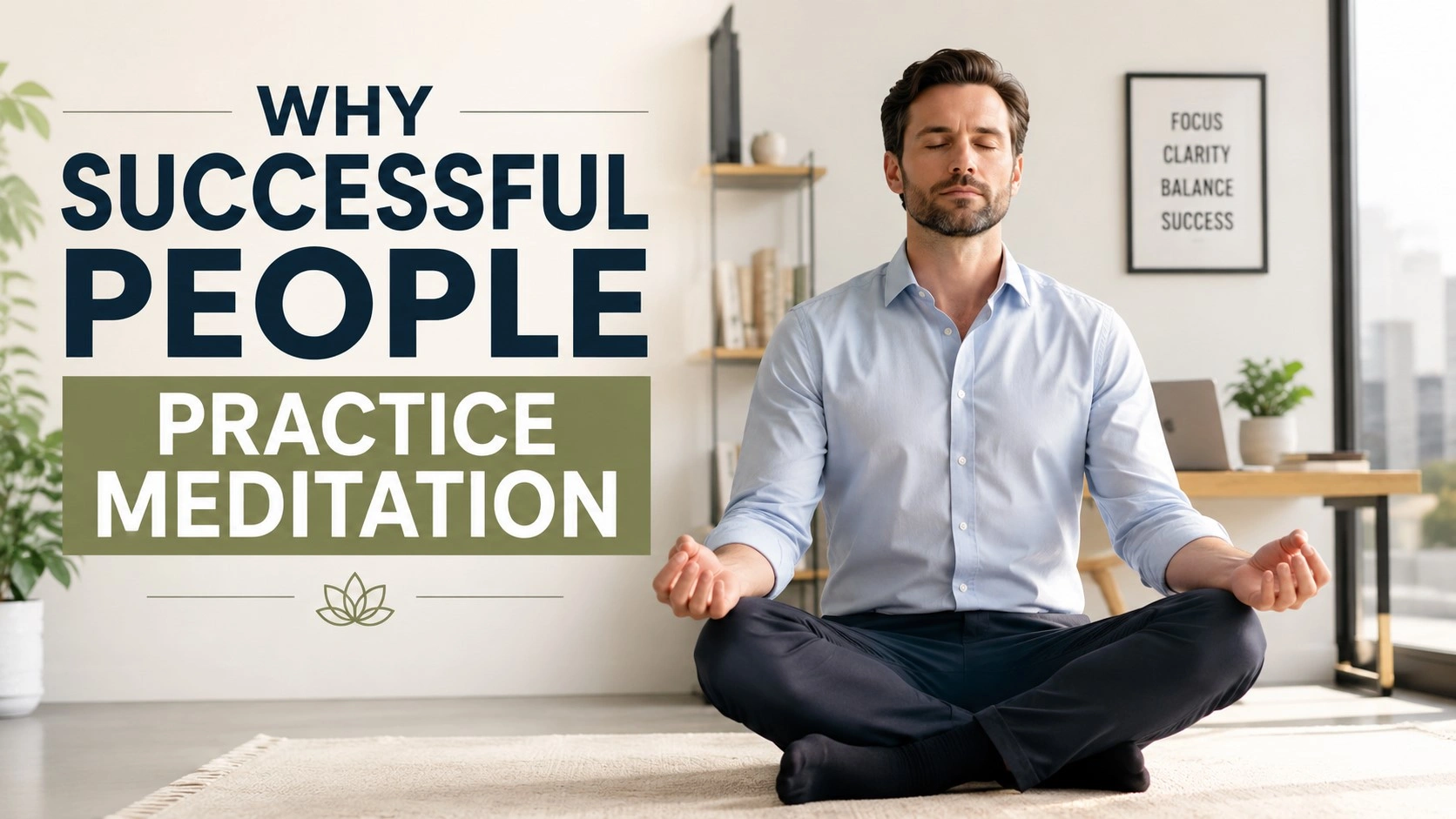
Meditation for success is not about avoiding ambition or becoming detached from the real world. It is about learning to meet a demanding life with a clearer, calmer mind. Many people pursue growth in their work, business, relationships, and personal goals, but they also carry constant notifications, pressure, comparison, and unfinished tasks. This is why successful people practice meditation. They understand that attention, emotional balance, and thoughtful action are not simply personality traits. They are inner abilities that can be developed with practice.
Success also means different things to different people. It may mean professional progress, financial stability, meaningful relationships, better health, or the freedom to live according to your values. Meditation does not guarantee achievement, wealth, or recognition. Yet the benefits of meditation can support the qualities that make achievement feel more sustainable: focus, patience, self-awareness, discipline, and inner peace.
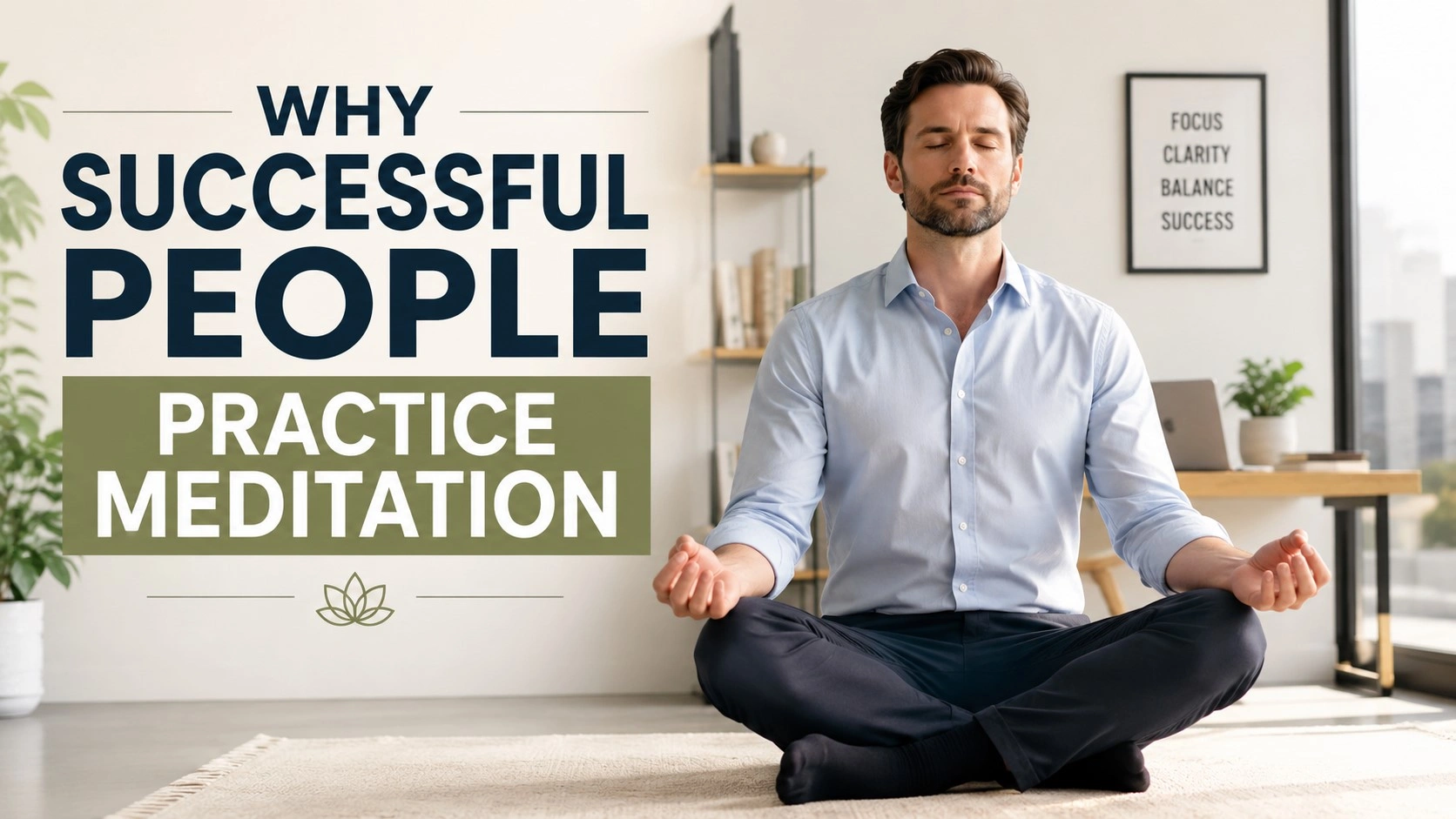
Meditation Helps You Reclaim Your Focus
A busy mind can be active all day and still lose sight of its most important work. Messages, meetings, social media, deadlines, and other people’s opinions compete for attention. Meditation for focus gives the mind a chance to pause and notice where that attention is going.
During mindfulness meditation, you may return your awareness to the breath, a mantra, a sound, or a guided meditation. The mind will wander, and that is normal. Each gentle return is part of the training. Over time, this simple practice can support meditation for concentration because you become more aware of distraction instead of following it automatically.
This is also why meditation for productivity is not only about getting more done. It is about doing meaningful work with presence. When you can stay with one task, listen properly during a conversation, and reduce constant mental switching, you may work with greater quality and less unnecessary exhaustion. For many people, this is how meditation improves focus in daily life.
Design Your Destiny
Your outer life is shaped by the inner state from which you act. Through Design Your Destiny, learn practical meditation, self-awareness, and conscious-living tools that can help you build focus, emotional balance, and a clearer direction for your life. Begin creating success that feels meaningful from the inside out.
Start Your Journey Today!Clearer Decisions Begin With a Pause
Important choices often become difficult because fear, urgency, old habits, and outside expectations create noise. A mind under pressure may choose whatever brings the quickest relief instead of what is actually wise.
Meditation for decision making creates a small pause between what happens and how you respond. In that pause, you can ask whether your next step is coming from clarity, insecurity, anger, or the need to prove yourself. Meditation will not make decisions for you, but it can help you see your own thinking more honestly.
This is one reason meditation for mental clarity matters in leadership and work. Many successful people habits involve planning, learning, setting goals, and working consistently. Meditation adds another useful habit: observing the mind that is making those plans. That observation can help you separate a real priority from a temporary distraction.
Emotional Intelligence Is a Quiet Strength
Success often comes with criticism, competition, uncertainty, delayed results, and difficult conversations. Emotional health can suffer when every setback becomes a personal emergency. Mindfulness for success is valuable because it helps you notice emotions without letting them completely take over your actions.
Meditation for emotional intelligence does not remove disappointment, anger, fear, or frustration. It gives you room to recognise those feelings before reacting. You may become more able to say, “I am stressed right now,” rather than sending a rushed message, making a harsh decision, or carrying that stress into every relationship.
This is especially important for meditation for leadership. A calm leader does not need to be emotionless. They need the ability to listen, respond thoughtfully, set boundaries, and remain steady when others feel uncertain. The same quality supports stronger personal relationships, because it becomes easier to hear someone fully instead of preparing a defensive reply.
Daily Meditation Builds Self-Discipline
People often think discipline means force and constant self-control. Real discipline is usually quieter. It is the ability to return to what matters, even when the mood is not perfect. Daily meditation can become one small promise you keep with yourself, and that consistency often strengthens meditation and self discipline in other areas of life.
Some days you may sit peacefully. On other days, your thoughts may feel restless from beginning to end. The aim is not to create a perfectly blank mind. The aim is to show up, observe without judgment, and begin again. These daily meditation habits can gently influence how you handle procrastination, distraction, and impulsive reactions.
The meditation habits of successful people do not all look the same. Some choose a morning meditation, while others pause between meetings or meditate before sleep. The best practice is the one you can genuinely continue.
Why Morning Meditation Can Change the Tone of Your Day
A morning meditation routine for success gives you a moment before external demands take over. Rather than beginning with messages and urgency, you can start by becoming present. Sit comfortably, follow your breath for a few minutes, and choose an intention such as focus, patience, courage, or calm.
This is one of the simplest answers to how to build a meditation habit. Connect it to something you already do each morning, such as having water, making tea, or sitting at your desk. Start with five minutes instead of waiting for a perfect thirty-minute routine. A small practice that lasts is more valuable than an ambitious plan that disappears in one week.
Morning meditation is not compulsory. The best time is the one you can protect consistently.

Meditation for Stress, Anxiety, and Inner Peace
When stress becomes constant, thoughts can repeat endlessly and even small tasks can feel heavy. Meditation for stress brings attention back to the present moment, where you can notice that not every thought needs immediate action. A meditation for a calm mind may be as simple as following the breath and letting thoughts pass without arguing with them.
Many people use meditation for anxiety, sleep, or mental peace when mentally overloaded. It can be supportive, but it does not replace professional care for severe or persistent anxiety, insomnia, or emotional distress.
The deeper gift is the ability to return to yourself. Inner peace does not always mean life becomes silent or easy. It means you have a practice that helps you remain connected to your centre, even on a difficult day. This can be one of the most valuable meditation benefits for people carrying high responsibility.
Self-Awareness Keeps Ambition Meaningful
Meditation for self awareness helps you look beyond surface goals. You may ask why you want a certain achievement or whether your definition of success still feels true. Without reflection, it is easy to chase something impressive that does not bring fulfilment.
This is how meditation helps successful people remain connected to their values. It may encourage them to protect their energy, say no more clearly, make space for relationships, or choose work that reflects their strengths. The benefits of meditation for success are not limited to professional performance. They can also help a person live with greater integrity and peace.
A Simple Meditation Practice for Beginners
Meditation for beginners does not need to be complicated. Choose a quiet place, sit in a relaxed but alert posture, and set a timer for five minutes. Bring attention to the natural movement of your breath. When a thought appears, quietly notice it and come back to the breath. There is nothing else you need to achieve.
Guided meditation is useful when you prefer direction. You can also repeat a meaningful phrase, observe sounds, or notice bodily sensations. Choose the method that helps you feel present.
With time, meditation for focus and productivity can move beyond the cushion. You may practise it while walking, eating, waiting, or listening to someone you care about. That is where meditation becomes less of a task and more of a way of living.

Why successful people meditate is not really a mystery. They are not searching for a shortcut to achievement. They are searching for a way to remain clear, focused, emotionally steady, and connected to what matters while they pursue their goals. Meditation for success supports the inner side of outer achievement.
Begin with the practice you can do today. A few conscious breaths, a short morning meditation, or a guided session before sleep can become a meaningful starting point. As you continue, you may discover that the most powerful success is not only what you accomplish, but how peacefully and consciously you live while accomplishing it.
Personal Session
If you feel mentally overwhelmed, disconnected from your goals, or unsure where to begin, a personal session can offer compassionate, one-to-one guidance. Explore a meditation practice suited to your present needs, understand the patterns holding you back, and take a calmer, more conscious step forward.
Book Now