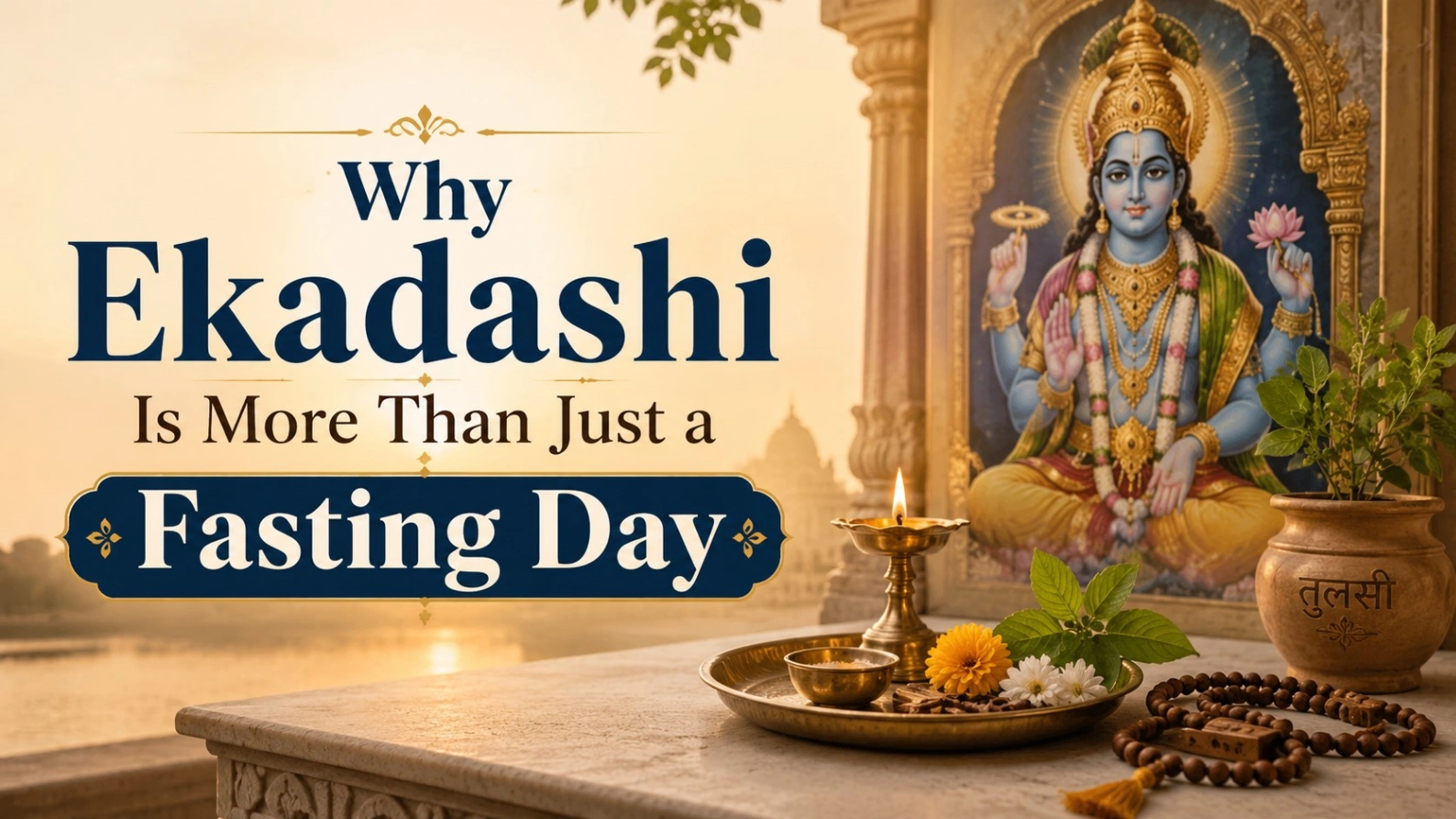
Ekadashi fasting is one of the most respected spiritual practices in Hinduism, but it is often understood only as a day of avoiding certain foods. In reality, Ekadashi is much deeper than a food restriction. It is a sacred opportunity to discipline the body, purify the mind, strengthen devotion and reconnect with the divine.
For many devotees, Ekadashi vrat is a regular reminder that spiritual growth begins with self-control. When the mind is usually busy with desires, habits and distractions, Ekadashi creates a pause. It asks us to slow down, become more aware and turn our attention toward prayer, mantra, meditation and Lord Vishnu.
The word Ekadashi refers to the eleventh lunar day, or the 11th tithi, in the Hindu lunar calendar. It comes twice in a lunar month: once during Shukla Paksha, the waxing phase of the moon, and once during Krishna Paksha, the waning phase of the moon. This is why there are usually two Ekadashi vrats every month and around 24 Ekadashis in a year. In some years, when there is Adhik Maas, extra Ekadashis may also occur.
But the true importance of Ekadashi is not just in the date. It is in the inner shift it creates.
What Is Ekadashi?
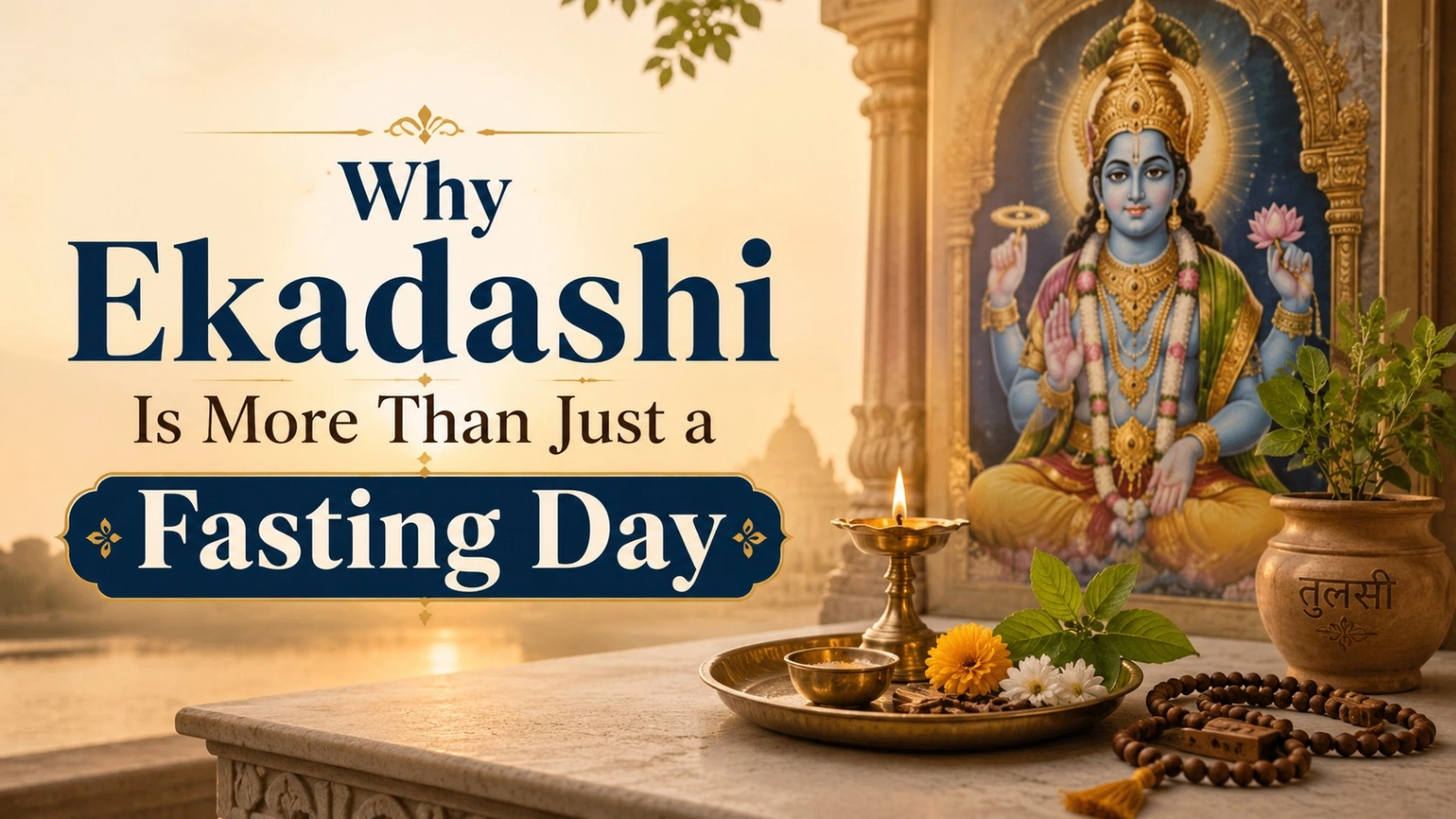
Ekadashi is a sacred tithi dedicated mainly to Lord Vishnu. Devotees observe Ekadashi vrat with fasting, prayer, chanting, meditation, charity and spiritual reflection. Some people follow a complete fast, while others eat simple sattvik food such as fruits, milk, nuts or vrat-friendly meals.
The practice may vary from family to family and region to region, but the central purpose remains the same: to reduce worldly indulgence and increase spiritual awareness.
When people search for “What is Ekadashi” or “Why is Ekadashi celebrated,” they often expect a simple answer. Ekadashi is celebrated as a day of devotion, self-purification and surrender. It is believed to help the devotee move closer to Lord Vishnu by controlling the senses and calming the mind.
In Hindu tradition, food is not seen only as fuel for the body. It also influences the mind. So, on Ekadashi, the choice of food becomes a spiritual tool. By eating less, eating simply or fasting completely, the devotee learns to rise above cravings.
CTA for Design Your Destiny
Do you want to bring more clarity, discipline and spiritual direction into your life? Join Design Your Destiny and learn how ancient wisdom, meditation and conscious living can help you create a more meaningful future from within.
Start Your Journey Today!Why Ekadashi Is More Than Just Fasting
Many people think Ekadashi fasting is only about not eating rice or grains. But the deeper meaning of Ekadashi lies in what happens internally.
The body may fast from food, but the mind is expected to fast from negativity. The tongue may avoid grains, but speech should also avoid harsh words. The stomach may remain light, but the heart should become full of devotion.
That is why Ekadashi is more than a fasting day. It is a discipline of the whole being.
It invites us to ask important questions: Am I controlled by my habits? Can I stay peaceful without instant comfort? Can I remember God even during daily responsibilities? Can I use one day for inner cleansing instead of outer consumption?
When observed with awareness, Ekadashi becomes a powerful practice for self-control, mind purification and devotion.
Ekadashi and Lord Vishnu
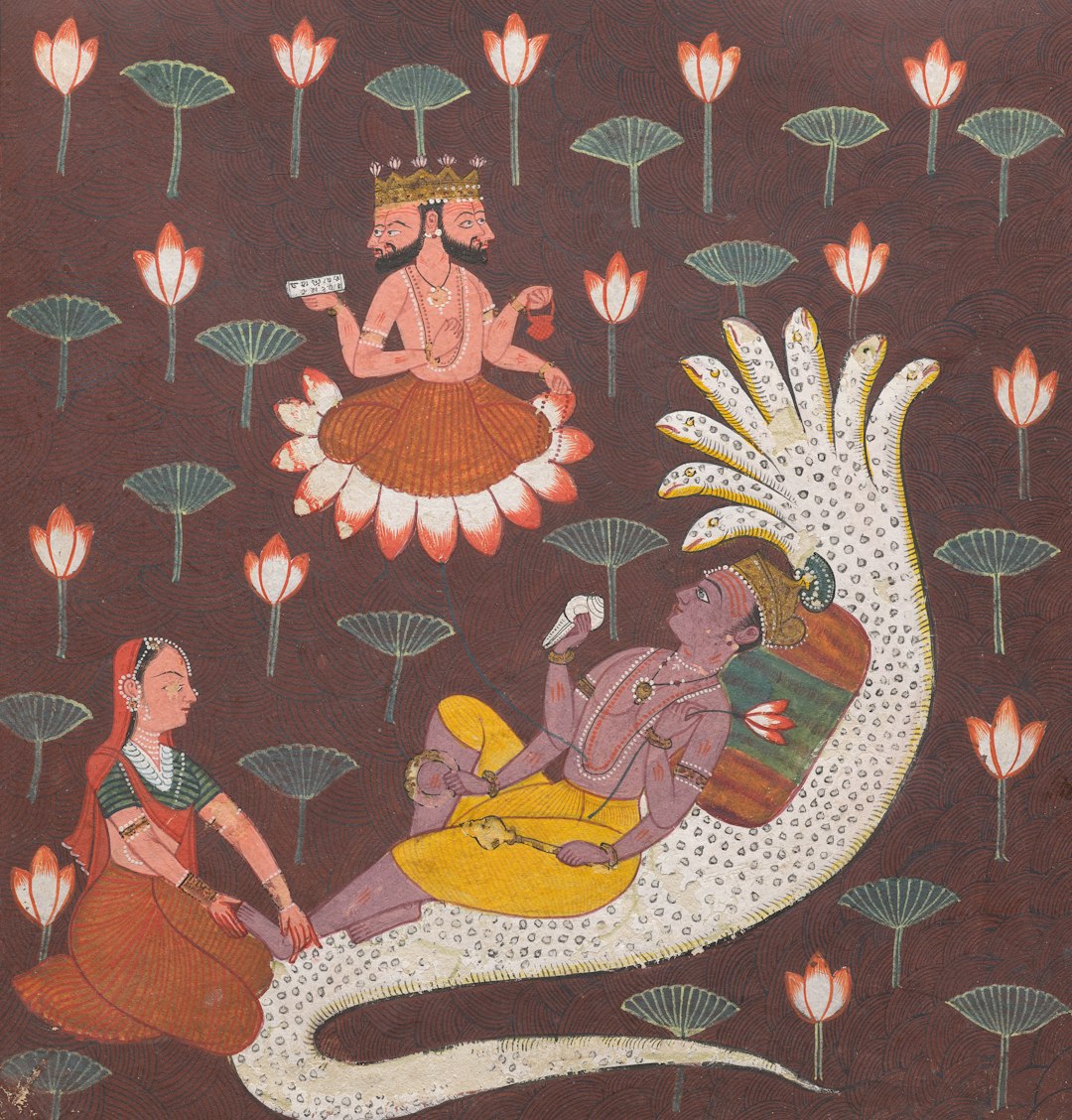
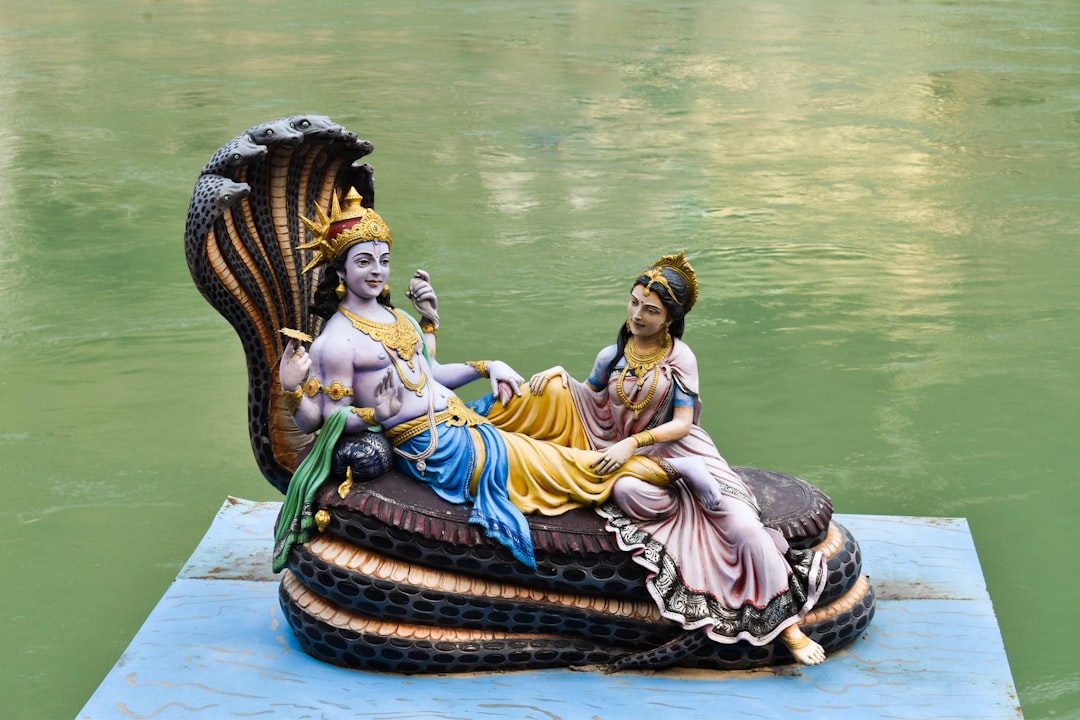
Ekadashi is closely connected with Lord Vishnu, who is worshipped as the preserver and protector of the universe. Devotees observe Lord Vishnu Ekadashi with prayers, Vishnu Sahasranama, bhajans, mantra chanting and reading sacred stories known as Ekadashi vrat katha.
The spiritual message behind this connection is beautiful. Lord Vishnu represents balance, preservation, dharma and protection. Ekadashi helps the devotee align with these qualities. By fasting, one preserves energy. By praying, one protects the mind from negativity. By practicing self-control, one returns to dharma.
Many devotees also chant names of Lord Vishnu or Krishna on this day. The purpose is not only ritual performance but remembrance. Ekadashi becomes a day where the mind, which is usually scattered, is brought back to the divine center.
Ekadashi Fasting Rules: What to Eat and What to Avoid
Ekadashi fasting rules can differ depending on tradition, health condition and family practice. However, the most commonly followed rule is to avoid grains, rice and certain pulses. Many devotees also avoid onion, garlic and heavy tamasic food.
Common Ekadashi food options include fruits, milk, curd, nuts, makhana, sabudana, singhara flour, kuttu flour, potatoes and simple vrat-friendly meals. Some people observe nirjala fast, which means fasting without water, especially on Nirjala Ekadashi. However, such strict fasting should be done only if one is physically able and guided by tradition or elders.
The question “Can we eat rice on Ekadashi” is one of the most searched queries. Traditionally, rice and grains are avoided on Ekadashi because the vrat is meant to reduce heaviness and increase sattvik awareness. Many families follow this rule strictly, while others follow modified fasting based on health.
The main idea is not to punish the body. The idea is to create discipline without harming oneself. A person with medical conditions, pregnancy, weakness or health concerns should follow a suitable version of Ekadashi vrat after proper guidance.
Ekadashi Parana: Breaking the Fast Correctly
Parana means breaking the fast after Ekadashi. It is usually done on the next day, Dwadashi, during a specific time. People often search for “Ekadashi parana time” or “How to break Ekadashi fast” because the timing may differ according to location and Panchang.
Spiritually, Parana teaches balance. Just as fasting should not be done with ego, breaking the fast should not be done with greed. A gentle, sattvik meal is preferred. The devotee may offer prayers, remember Lord Vishnu and then eat with gratitude.
This completes the vrat in a mindful way.
Spiritual Benefits of Ekadashi
Ekadashi spiritual benefits go beyond the physical act of fasting. The day helps create space between desire and action. It trains the mind to pause before reacting. It reminds us that we are not slaves to every craving.
One of the biggest benefits of Ekadashi is self-control. In modern life, people are surrounded by constant stimulation: food cravings, social media, stress, comparison, overthinking and emotional reactions. Ekadashi gives the mind a spiritual reset.
It also supports devotion. When the body is light, prayer becomes easier. When food is simple, thoughts become clearer. When the senses are controlled, the heart becomes more receptive.
This is why Ekadashi is often described as a day for inner purification. It helps cleanse not only the body but also the intention behind our actions.
Ekadashi and the Mind
The mind is deeply connected with habits. If we give in to every desire, the mind becomes restless. If we train it gently, it becomes peaceful. Ekadashi works like a spiritual training day.
By observing Ekadashi vrat, the devotee practices saying no to unnecessary indulgence. This simple act strengthens willpower. Over time, it can help a person become more mindful in speech, food, emotions and daily choices.
Ekadashi for mind purification does not mean the mind becomes perfect in one day. It means we create one sacred day where we become more aware of what enters our body, our senses and our thoughts.
Even if someone cannot fast strictly, they can still observe Ekadashi by avoiding anger, gossip, overconsumption, negative content and unnecessary distractions.
Ekadashi and Karma
Ekadashi and karma are connected through the idea of conscious action. Karma is not only about big life events. It is also created through daily choices, habits, speech and thoughts.
On Ekadashi, a devotee becomes more intentional. Eating less, praying more, speaking gently, helping others and remembering God are all conscious karmas. These actions refine the inner personality.
Ekadashi reminds us that spiritual growth is not only about belief. It is about practice. It is about choosing purity when the world offers distraction. It is about choosing devotion when the mind wants comfort.
Important Ekadashis in Hinduism
There are many important Ekadashis observed throughout the year. Each has its own vrat katha, significance and spiritual message.
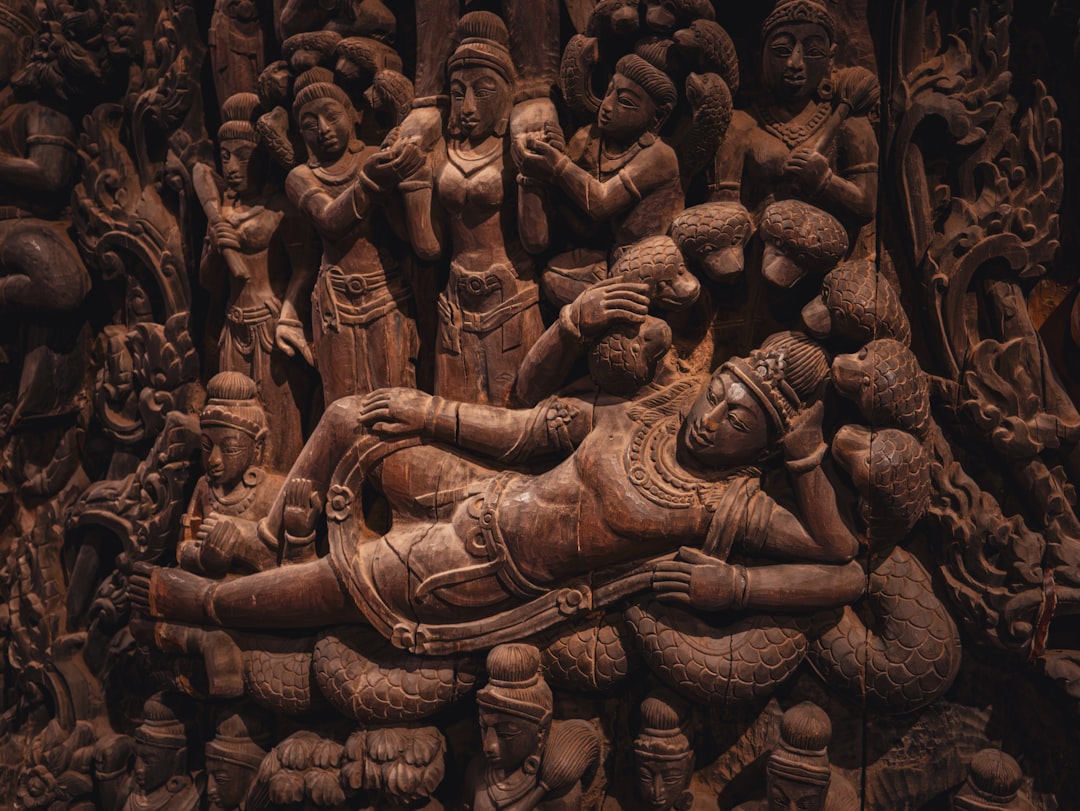
Nirjala Ekadashi is considered one of the strictest forms of Ekadashi fasting because many devotees observe it without food and water. Devshayani Ekadashi marks the beginning of Chaturmas in many traditions. Vaikuntha Ekadashi is especially significant for devotees of Lord Vishnu. Mokshada Ekadashi is associated with spiritual liberation and is also connected with the day of the Bhagavad Gita in many traditions.
Other important Ekadashis include Kamada Ekadashi, Mohini Ekadashi, Apara Ekadashi, Varuthini Ekadashi, Padmini Ekadashi and Parama Ekadashi.
For date-based searches such as Ekadashi 2026, Ekadashi dates 2026, Ekadashi calendar 2026, today Ekadashi, next Ekadashi or Ekadashi kab hai, it is always better to check a location-specific Panchang. This is because Ekadashi date and time may depend on sunrise, sunset and local calculations.
Ekadashi for Modern Life
In today’s fast life, Ekadashi is more relevant than ever. People may not always have time for long spiritual practices, but Ekadashi offers a simple structure. Twice a month, it gives us a chance to reset.
It can become a day to eat light, pray more, reduce screen time, read spiritual wisdom, chant mantras and reflect on life. It can also become a day to practice gratitude and simplicity.
For working professionals, students and householders, Ekadashi does not have to be complicated. The essence is awareness. If you cannot do a strict fast, do a mindful fast. If you cannot spend hours in puja, spend a few minutes in sincere remembrance. If you cannot avoid all duties, avoid unnecessary negativity.
The goal is not to impress others. The goal is to purify yourself.
Common Mistakes to Avoid on Ekadashi
One common mistake is treating Ekadashi only as a food challenge. If a person fasts but remains angry, restless or egoistic, the deeper purpose is missed.
Another mistake is overeating vrat food. Many people avoid grains but eat too much fried or heavy fasting food. This can make the body dull instead of light.
A third mistake is comparing fasting practices. Some people observe nirjala fast, some eat fruits and some follow a simple sattvik diet. The sincerity of devotion matters more than comparison.
Finally, one should not ignore health. Ekadashi vrat should bring clarity, not harm. If strict fasting is not suitable, a gentle version can still be spiritually meaningful.
How to Observe Ekadashi with Devotion
Start the day with a simple prayer to Lord Vishnu. Decide your fasting method according to your capacity. Eat sattvik food if needed. Avoid grains if your tradition follows that rule. Spend some time chanting, reading, meditating or listening to bhajans.
Try to speak less and observe more. Avoid unnecessary arguments. Do charity if possible. Before sleeping, reflect on how the day changed your mind.
The next day, break the fast at the proper Parana time according to your local Panchang. Eat with gratitude and carry the discipline forward.
Ekadashi is more than just a fasting day because it works on the body, mind and soul together. It teaches self-control, devotion, simplicity and inner purification. It reminds us that spiritual life is not separate from daily life. It begins with small choices.
When we observe Ekadashi with awareness, fasting becomes more than not eating. It becomes a way of remembering Lord Vishnu, calming the mind, purifying karma and returning to our higher self.
Whether you observe a strict fast or a simple sattvik routine, the heart of Ekadashi remains the same: less indulgence, more awareness, less distraction, more devotion.
CTA for Personal Session
If you feel confused, emotionally stuck or spiritually disconnected, book a personal session and receive one-on-one guidance to understand your inner patterns, restore balance and move forward with clarity.
Book Now