

Fear is one of the most powerful emotions humans experience. From the fear of darkness and heights to fear of failure, rejection, or the unknown, we all feel fear in different ways. But why do we fear certain things, even when there’s no real danger in front of us? The answer lies deep inside the human brain, shaped by survival instincts, psychology, and learned experiences. Understanding the psychology of fear not only helps us manage it better but also reveals why fear exists in the first place and why it feels so real.
Why Do We Fear Certain Things?
At its core, fear is a survival mechanism. Humans evolved to fear threats that could endanger life; predators, heights, darkness, or sudden loud noises. This instinct helped early humans stay alive. Over time, however, fear evolved beyond physical danger. Today, we fear emotional pain, social rejection, uncertainty, and even imagined threats.
The reasons for fear are not random. The human brain constantly scans the environment, asking one question: Is this safe? If the answer feels uncertain, fear steps in even if the threat isn’t real.
The Psychology of Fear Explained Simply
The psychology of fear shows that fear is not just an emotion; it’s a response. When the brain perceives danger, it triggers a chain reaction that prepares the body to either fight, flee, or freeze. This response happens automatically, often before conscious thinking begins.
This is why fear can feel overwhelming. It bypasses logic. Even when we know something isn’t dangerous, our brain may still react as if it is.
How Fear Works in the Brain
To truly understand why humans fear, we need to look inside the brain. Fear is controlled primarily by a small almond-shaped structure called the amygdala.
Amygdala and Fear
The amygdala and fear are closely connected. The amygdala acts like an alarm system. When it detects a possible threat, it sends signals throughout the body, releasing stress hormones like adrenaline and cortisol.
This creates the fear response in humans, which includes:
Faster heartbeat
Shallow breathing
Muscle tension
Heightened alertness
This entire process happens in milliseconds, which explains why fear feels instant and uncontrollable.

The Science of Fear and Survival
The science of fear shows that fear exists to protect us. The fight or flight response prepares the body for survival. Even today, when most threats are psychological rather than physical, the brain still reacts the same way.
This is where fear and survival instinct overlap. Fear once protected us from predators; now it tries to protect us from emotional harm even when the threat is imagined.
Why Fear Feels Real Even Without Danger
One of the most confusing aspects of fear is fear without danger. Why does fear feel real when nothing bad is happening?
The answer lies in memory and learning. The brain does not always distinguish between real danger and remembered or imagined danger. If something once caused pain, embarrassment, or fear, the brain stores it as a threat.
This is why:
A past failure can create fear of trying again
A childhood scare can lead to lifelong fear
Emotional pain can trigger physical fear responses
Irrational Fears and the Fear of the Unknown
Many people struggle with irrational fears; fears that don’t make logical sense. These often come from uncertainty. The fear of the unknown is one of the strongest fears humans experience because the brain dislikes unpredictability.
When we don’t know what will happen next, the mind fills the gap with worst-case scenarios. This creates anxiety, tension, and fear even when no real threat exists.
Childhood Fears and Learned Fears
A large part of human fear psychology is shaped early in life. Childhood fears psychology shows that many fears are learned through observation, experience, or repetition.
For example:
A child seeing adults panic may learn fear
Negative experiences can imprint lasting fear
Cultural beliefs can shape what we fear
These learned fears often follow us into adulthood unless consciously addressed.
Emotional Fear Triggers
Fear isn’t always triggered by events. Sometimes, emotions themselves become threats. Emotional fear triggers include:
Fear of rejection
Fear of failure
Fear of judgment
Fear of abandonment
These fears activate the same brain regions as physical danger, making emotional pain feel just as intense.
Fear vs Anxiety: What’s the Difference?
Many people confuse fear and anxiety, but they’re not the same. The fear and anxiety difference lies in timing. Fear responds to an immediate threat, while anxiety anticipates future danger.
Fear says, “Something is happening now.”
Anxiety says, “Something bad might happen.”
Both activate the brain’s fear system, which is why anxiety can feel exhausting and constant.
Why Fear Controls the Mind
Fear has a powerful grip because it prioritizes survival over logic. The brain is designed to protect, not to comfort. This explains why fear controls the mind so strongly.
When fear is active:
Rational thinking decreases
Emotional reactions increase
Avoidance feels safer than action
Understanding this helps remove self-judgment. Fear isn’t weakness; it’s wiring.
The Shocking Reason Behind Fear
The shocking reason behind fear is simple: fear isn’t trying to harm you; it’s trying to protect you. Even when fear feels irrational or overwhelming, its intention is safety.
The problem arises when fear overreacts or misinterprets situations. Modern life triggers ancient survival systems that were never designed for constant stress, social pressure, or emotional threats.
How to Manage Fear Without Fighting It
Learning how to manage fear starts with understanding it. Fighting fear often strengthens it. Instead, awareness reduces its power.
Helpful approaches include:
Observing fear without judgment
Slowing the breath to calm the nervous system
Questioning whether the threat is real
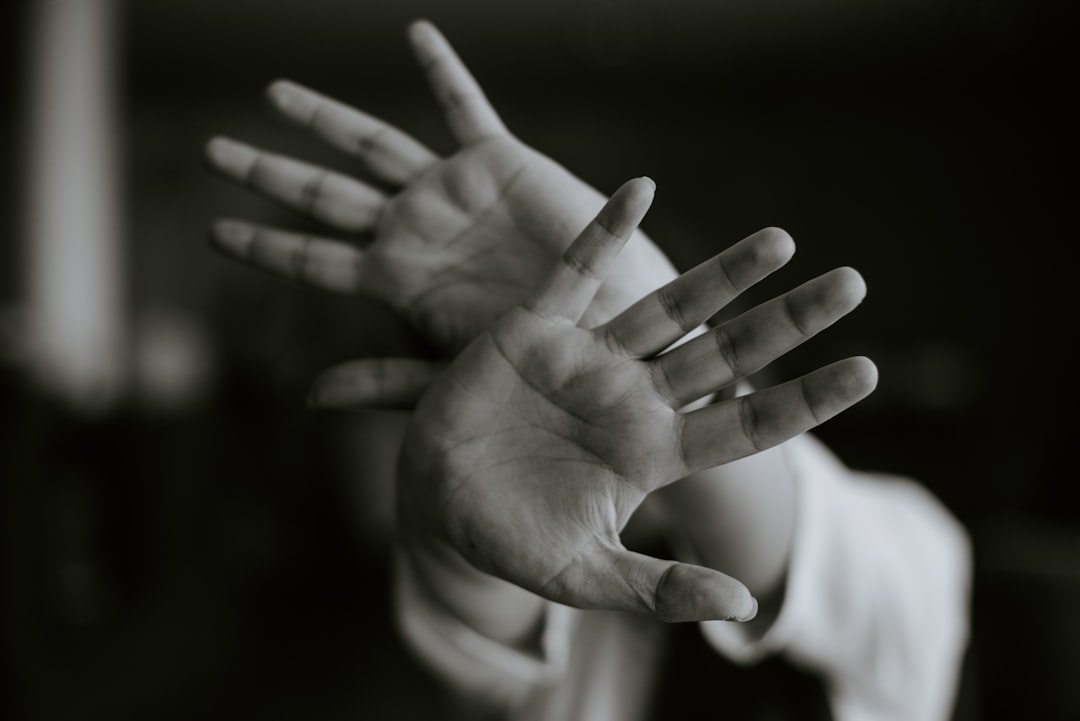
Gently facing fear instead of avoiding it
This process supports fear and emotional healing over time.
Understanding Fear Changes Everything
True understanding fear transforms your relationship with it. Fear stops being an enemy and becomes information. It shows where healing, growth, or attention is needed.
Fear doesn’t mean stop. Sometimes, it means proceed gently.
What Causes Fear in the Brain?
So, what causes fear in the brain? A combination of biology, memory, emotion, and perception. The brain reacts not only to what is happening but to what might happen based on past experiences.
This explains why fear is hard to control; it operates faster than conscious thought. But with awareness and practice, it becomes manageable.
Final Thoughts: Fear Is a Teacher, Not a Trap
Fear is not your enemy. It’s a messenger shaped by evolution, memory, and emotion. By understanding why do we fear certain things, we gain the power to respond rather than react.
Fear doesn’t disappear overnight but it loosens its grip when understood. And sometimes, the very fear we resist holds the key to growth, healing, and inner freedom.