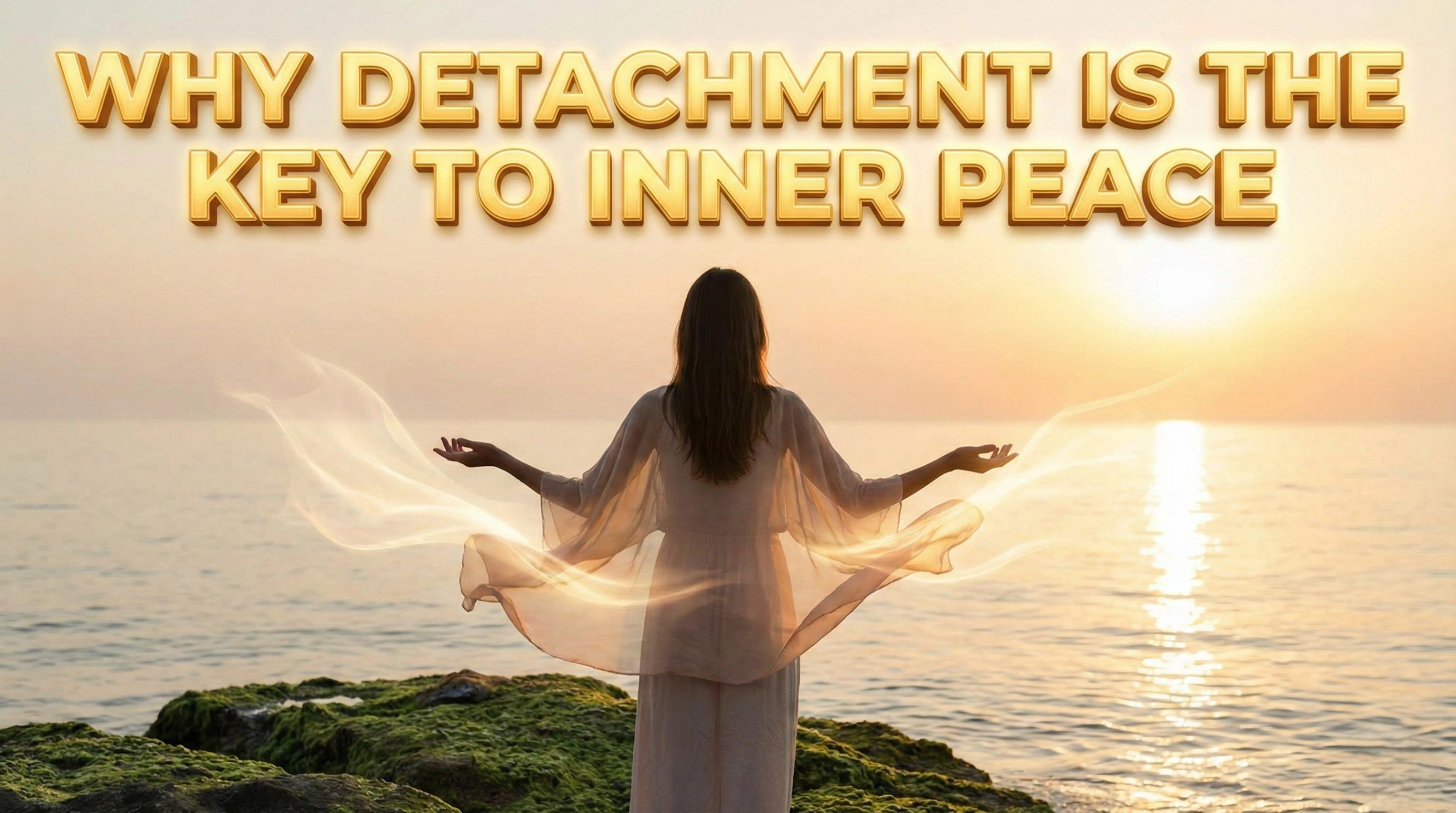
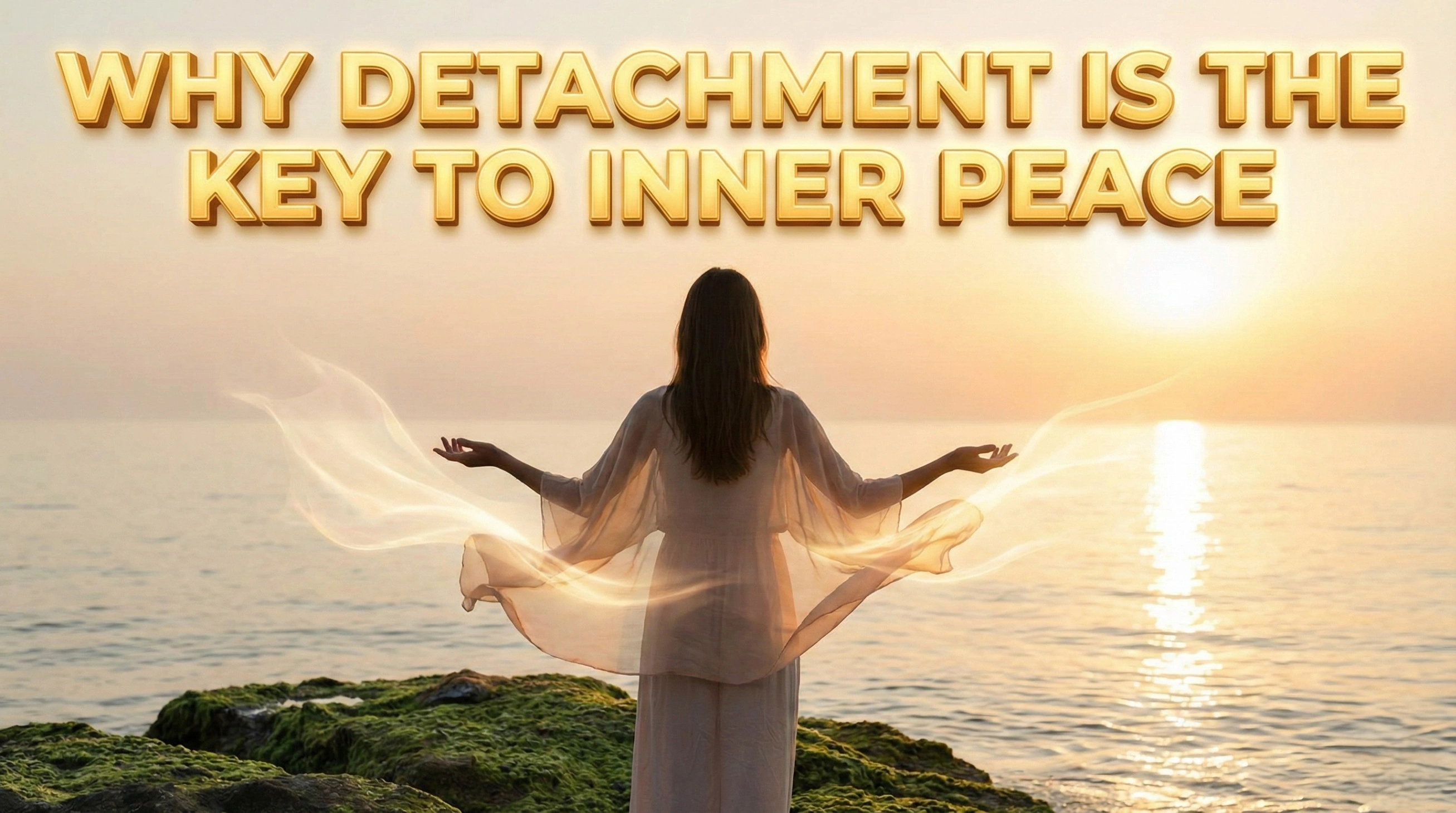
In a world driven by constant desires, emotional attachment, and mental noise, many people are searching for one thing above all else: inner peace. Yet despite success, relationships, and material comfort, peace often feels fleeting. This is where the concept of detachment and inner peace comes into focus. Detachment is not about giving up life or becoming cold; it is about learning how to live fully without being emotionally enslaved by outcomes, expectations, or fear.
When we understand the true detachment meaning, we realize it is one of the most powerful spiritual tools for mental peace, emotional clarity, and long-lasting happiness.
What Is Detachment? Understanding the Real Meaning
Detachment is often misunderstood as emotional distance or lack of care. In reality, detachment in spirituality means engaging deeply with life while remaining inwardly free. You still love, work, dream, and care but without clinging, obsession, or fear of loss.
At its core, detachment is the ability to experience life without allowing emotions, people, or circumstances to control your inner state. This is why spiritual traditions across the world emphasize non-attachment philosophy as the foundation of peace.
Detachment does not remove love. It removes suffering.
Why Detachment Is Important for Inner Peace
Most mental suffering arises not from events themselves, but from our attachment to how things should be. When expectations are unmet, attachment turns into frustration, anxiety, or emotional pain. This is why emotional attachment causes suffering.
By practicing detachment:
You stop reacting impulsively
You gain mental peace and clarity
You experience freedom from emotional pain
You reduce anxiety rooted in control and fear
This is how detachment leads to inner peace by dissolving resistance to reality.
Detachment vs Indifference: A Crucial Difference
One of the biggest fears people have is that detachment will make them indifferent. This confusion between detachment vs indifference keeps many stuck in emotional dependency.
Indifference is avoidance and numbness
Detachment is awareness and emotional maturity
Detachment allows you to love deeply while staying rooted in awareness. It is possible—and essential—to practice detachment without becoming cold.
How Attachment Creates Emotional Suffering
Attachment binds happiness to external factors; people, validation, achievements, or control. When these change, the mind resists, leading to:
Overthinking
Fear of loss
Emotional dependency
Anxiety and restlessness
Understanding why attachment causes pain is a turning point in spiritual growth. Attachment creates an illusion that something outside you is responsible for your peace.
Detachment breaks this illusion.
Emotional Detachment: Healing Without Closing Your Heart
Emotional detachment does not mean suppressing emotions. It means observing emotions without letting them define you. When emotions arise, you allow them to pass instead of clinging or resisting.
This practice helps in:
Overcoming attachment anxiety
Letting go for mental peace
How to stop overthinking emotionally
Freedom from emotional pain
True detachment creates emotional intelligence, not emotional distance.
Detachment in Daily Life: Practical Examples
Many people ask how to practice detachment in daily life. The answer lies in small, conscious shifts:
Doing your best without obsessing over results
Loving without possessiveness
Working without ego attachment
Accepting change without resistance
This is living with awareness; fully involved, yet inwardly free.
Detachment from People and Relationships
One of the hardest areas to practice detachment is in relationships. Detachment from people and emotions does not mean withdrawing love; it means removing dependency.
Healthy detachment allows:
Love without fear
Boundaries without guilt
Presence without control
This is how to detach without losing love by replacing attachment with conscious connection.
Detachment from Expectations and Control
Expectations are silent contracts we create in our minds. When broken, they generate disappointment. Detachment from expectations is the doorway to peace.
Similarly, letting go of control allows life to flow naturally. Control creates tension; surrender creates calm.
This balance of acceptance and surrender brings inner calm and balance.
Mindfulness and Detachment: Living in Awareness
Mindfulness and detachment work together. When you are mindful, you observe thoughts instead of identifying with them. Detachment naturally follows.
This practice leads to:
Inner peace through awareness
Self awareness and peace
Conscious living
Mental clarity and emotional stability
Mindfulness is not escaping life; it is meeting life without resistance.

Detachment in the Bhagavad Gita and Spiritual Traditions
The Bhagavad Gita teaches detachment through the concept of Vairagya. Vairagya meaning is freedom from compulsive desire; not renunciation of life.
Krishna emphasizes action without attachment to results, which is the foundation of spiritual freedom and detachment.
This wisdom teaches that liberation does not come from withdrawal, but from inner independence.
Ego, Attachment, and Inner Conflict
The ego thrives on attachment; status, identity, comparison, and validation. Ego and attachment go hand in hand.
Detachment dissolves ego-driven suffering by shifting focus from “me and mine” to awareness and acceptance. This leads to liberation through detachment.
Can Detachment Bring Happiness?
Yes; but not the temporary happiness of excitement or validation. Detachment brings a deep, stable joy rooted in inner freedom.
This is why many spiritual seekers experience detachment and happiness simultaneously. When desires lose control, peace becomes the default state.
Is Detachment Necessary for Inner Peace?
If peace depends on external conditions, it is fragile. Detachment removes this dependency. That is why many ask, is detachment necessary for inner peace? The answer is yes because peace must come from within, not from circumstances.
What Does It Mean to Live Detached?
To live detached does not mean withdrawing from life. It means engaging fully while remaining inwardly free. What does it mean to live detached? It means:
Loving without fear
Acting without ego
Accepting without resistance
Living without inner conflict
This is the essence of non attachment spiritual meaning.
Detachment as the Path to Inner Calm
Detachment is not a loss; it is a return to freedom. When attachment falls away, clarity arises. When resistance dissolves, peace flows naturally.
By embracing detachment, you move closer to inner calm and balance, freedom from desires, and a life lived in awareness.
Detachment is not the end of love; it is the end of suffering.