
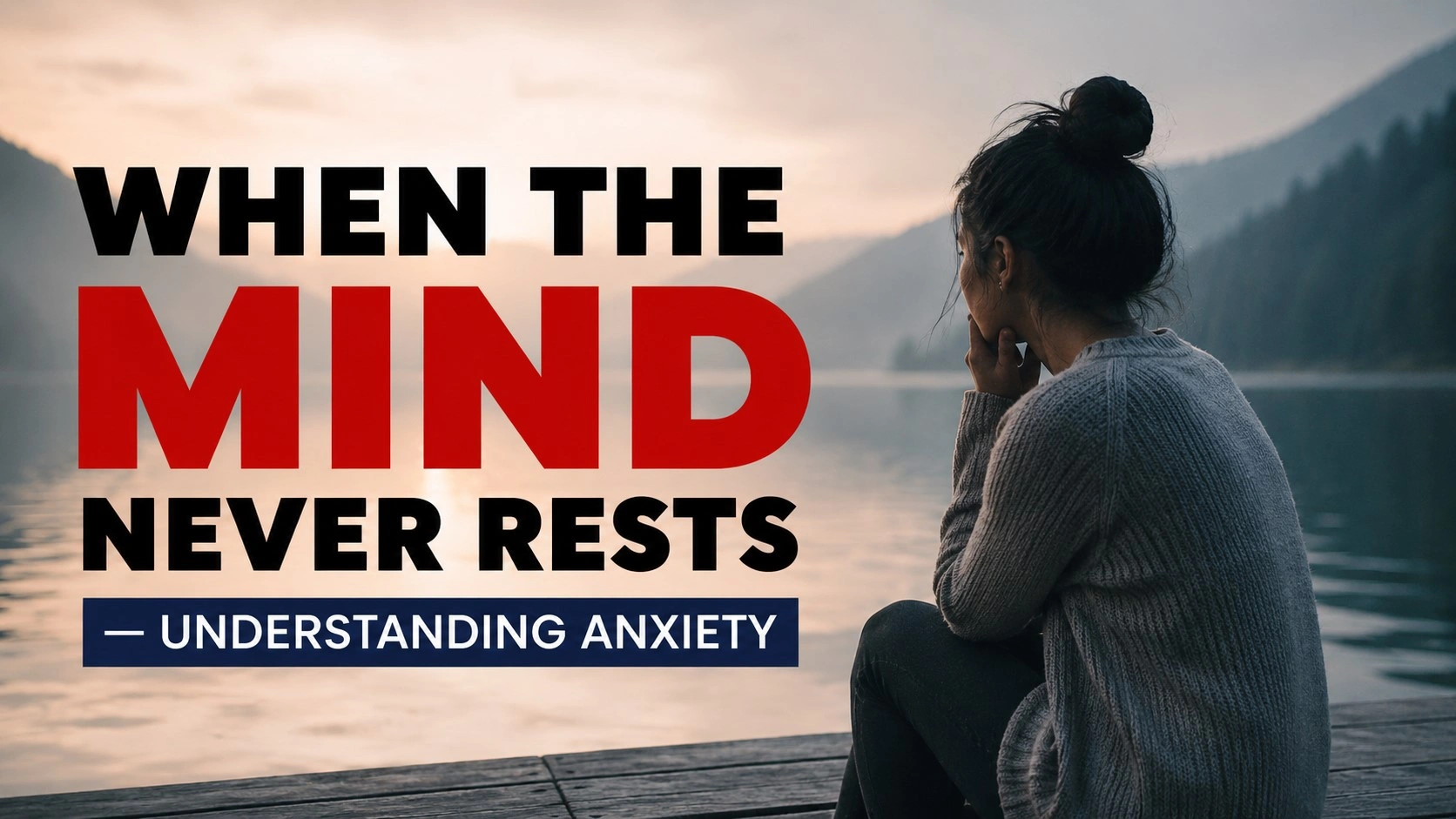
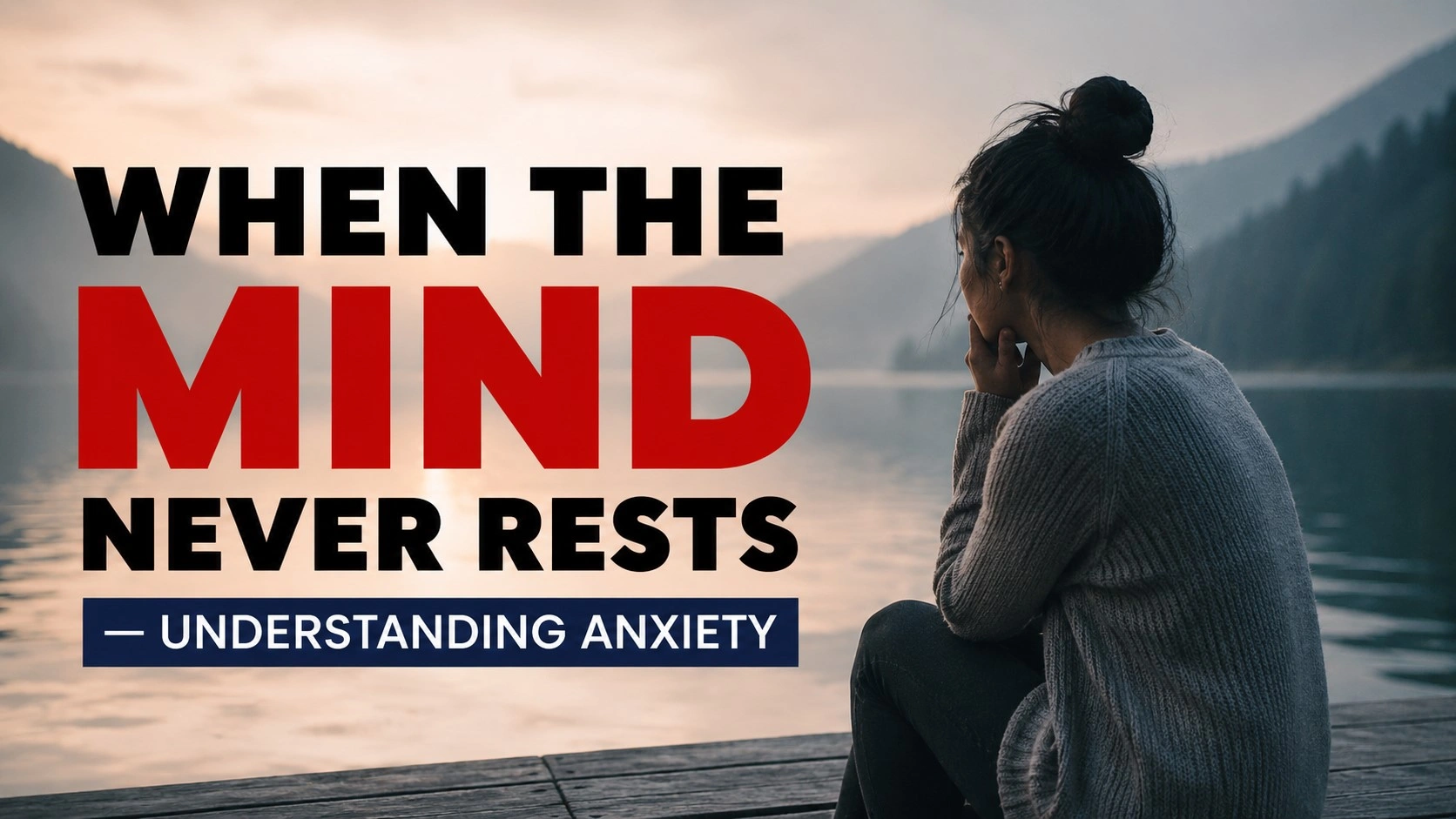
Anxiety has quietly become one of the most common emotional struggles in modern life. For many people, the mind never truly rests. Thoughts keep racing, worries repeat endlessly, and even moments of silence feel mentally exhausting. Whether it appears as overthinking, emotional tension, sleepless nights, or a constant feeling of unease, anxiety affects both the mind and body in powerful ways.
Understanding anxiety is the first step toward healing it. Anxiety is not always loud or dramatic. Sometimes it hides behind a smile, productivity, or a busy schedule. Many people experience high functioning anxiety where they appear calm externally while internally battling mental restlessness and emotional exhaustion.
In today’s digital world, stress and anxiety have become deeply connected to our lifestyle. Constant notifications, comparison on social media, pressure to succeed, and emotional overload can leave the mind feeling overstimulated all the time. This creates a restless mind that struggles to experience true peace.
But anxiety is not your identity. It is a state of the mind and like every state, it can change.
What Is Anxiety?
Anxiety is the body and mind’s response to fear, uncertainty, or stress. It often creates emotional and physical symptoms that interfere with daily life. While occasional anxiety is normal, chronic anxiety can leave a person feeling mentally drained and emotionally overwhelmed.
Common anxiety symptoms include:
Racing thoughts at night
Difficulty concentrating
Constant overthinking
Restlessness and irritability
Tightness in the chest
Fatigue and mental exhaustion
Difficulty sleeping
Negative thinking patterns
Fear about the future
Many people searching for anxiety relief often ask, “Why does my mind never stop thinking?” The answer lies in how the brain responds to stress. When the mind feels unsafe or uncertain, it stays alert constantly. Over time, this creates mental restlessness and emotional fatigue.
Design Your Destiny Program
Your thoughts shape your reality. Learn how to break free from anxiety, overthinking, and emotional exhaustion through powerful spiritual wisdom and practical inner transformation techniques. Join the “Design Your Destiny” program and begin creating a calmer, happier, and more conscious life.
Start Your Journey!The Connection Between Overthinking and Anxiety
Overthinking is one of the biggest signs of anxiety. The mind keeps replaying conversations, imagining worst-case scenarios, and worrying about things that may never happen. This cycle creates more stress and anxiety, making it harder to relax.
Chronic overthinking can affect:
Sleep quality
Relationships
Emotional health
Productivity
Self-confidence
Physical energy
A person trapped in anxiety often lives inside their thoughts rather than the present moment. Even during peaceful situations, the mind searches for problems. This is why learning how to calm the mind becomes essential for emotional healing.
Overthinking also disconnects people from inner peace. Instead of experiencing life directly, the anxious mind constantly analyzes, predicts, and worries. The more attention given to fearful thoughts, the stronger anxiety becomes.
Why Modern Life Increases Anxiety
Anxiety in modern life has increased because the human mind rarely gets rest anymore. Digital stress and anxiety are now common experiences. People wake up and immediately check notifications, emails, and social media. The brain remains overstimulated throughout the day.
Modern lifestyle factors that contribute to anxiety include:
1. Constant Digital Exposure
Social media comparison creates insecurity and emotional pressure. People begin comparing their lives, success, appearance, and relationships with unrealistic online standards.
2. Lack of Mental Rest
The brain needs silence and stillness to recover. Constant stimulation keeps the nervous system active all day.
3. Fear About the Future
Financial pressure, career uncertainty, and relationship stress often create anxiety about what might happen next.
4. Emotional Suppression
Many people avoid expressing emotions openly. Suppressed emotions eventually turn into anxiety, frustration, or burnout.
5. Disconnection From the Present
A restless mind lives either in the past or future. Anxiety grows when awareness leaves the present moment.
High Functioning Anxiety: The Hidden Struggle
Not all anxiety looks obvious. Some people manage careers, responsibilities, and relationships successfully while silently struggling internally. This is often called high functioning anxiety.
Signs of high functioning anxiety include:
Perfectionism
Constant need for productivity
Difficulty relaxing
Fear of disappointing others
Overthinking every decision
Trouble saying no
Emotional exhaustion despite achievements
These individuals often appear successful externally but experience inner chaos privately. Since they continue functioning normally, their anxiety may go unnoticed for years.
Understanding this hidden form of anxiety is important because emotional healing begins when people stop ignoring their inner struggles.
How Anxiety Affects the Body
Anxiety is not just mental. It affects the entire nervous system. When the brain perceives danger, the body activates its stress response. This can create symptoms such as:
Rapid heartbeat
Muscle tension
Digestive issues
Headaches
Fatigue
Shallow breathing
Sweating
Restlessness
Long-term stress and anxiety can leave the body exhausted. Mental exhaustion symptoms often appear after prolonged emotional pressure and overthinking.
This is why anxiety relief requires caring for both the mind and body together.
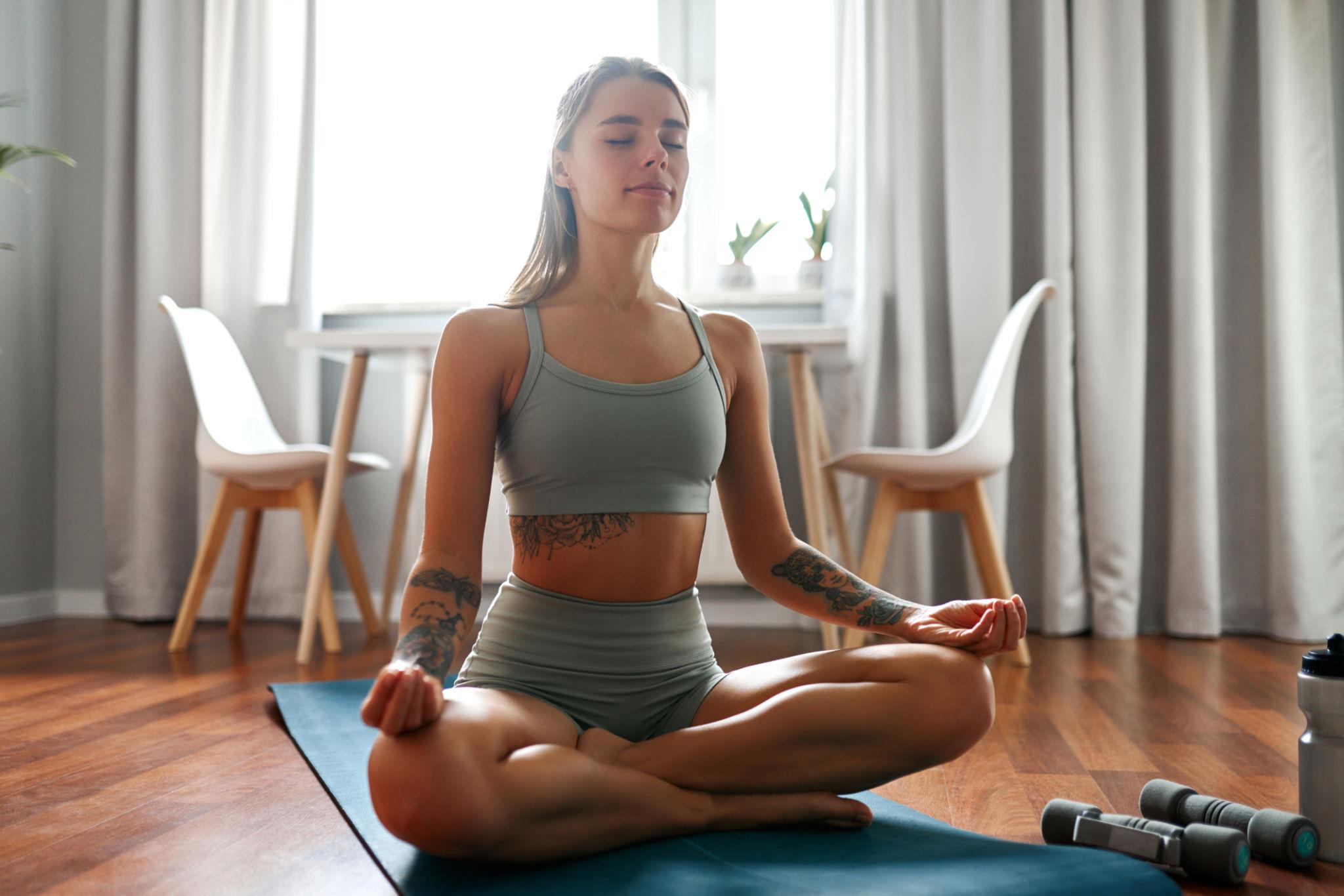
How to Calm an Anxious Mind Naturally
Healing anxiety does not happen overnight, but small daily practices can create major emotional shifts over time. Learning how to quiet the mind starts with slowing down and becoming aware of your thoughts rather than believing every thought automatically.
1. Practice Mindfulness for Anxiety
Mindfulness helps bring awareness back to the present moment. Instead of getting lost in anxious thoughts, mindfulness teaches observation without judgment.
Simple mindfulness practices include:
Deep breathing
Observing surroundings
Mindful walking
Silent sitting
Focusing on physical sensations
Mindfulness for anxiety helps reduce mental noise and emotional overwhelm.
2. Meditation for Anxiety
Meditation is one of the most powerful tools for calming an overactive mind. Even ten minutes daily can improve emotional balance.
Meditation for anxiety works by slowing thought patterns and relaxing the nervous system. Over time, it creates greater self awareness and emotional clarity.
Many people notice that regular meditation helps reduce racing thoughts at night and improves sleep quality.
3. Reduce Digital Overload
Too much information creates mental clutter. Taking breaks from screens and social media helps the nervous system reset.
Try:
Limiting screen time before sleep
Spending time in nature
Creating silent moments during the day
Avoiding unnecessary negative content
Mental peace often begins when external noise decreases.
4. Stop Fighting Every Thought
One of the biggest mistakes people make is trying to force anxious thoughts away. The more thoughts are resisted, the stronger they become.
Instead:
Observe thoughts calmly
Let them pass naturally
Avoid overanalyzing every emotion
Focus on the present moment
Emotional healing begins when thoughts lose their power over you.
5. Create Space for Rest
A restless mind needs intentional rest. Slow down occasionally without guilt. Silence, reflection, journaling, prayer, or meditation can help restore inner peace.
Peace of mind is not found through constant productivity. It grows in moments of stillness.
Spiritual Healing for Anxiety
Many people today are exploring spiritual wellness to heal anxiety naturally. Spiritual healing does not mean escaping life. It means reconnecting with inner stability and awareness.
Spiritual practices that support emotional healing include:
Meditation
Gratitude practices
Conscious breathing
Prayer
Self reflection
Spending time in silence
A restless mind constantly searches outside for certainty. Spiritual awareness teaches people to reconnect with calmness within themselves.
Inner peace grows when attention shifts from fear toward awareness.

Anxiety and Negative Thoughts
Anxiety often feeds on negative thought patterns. The mind begins imagining failure, rejection, danger, or disappointment repeatedly.
These thoughts feel real because anxiety activates emotional fear. However, not every thought is truth.
Learning to separate yourself from anxious thinking is important. Thoughts are temporary mental events, not permanent reality.
This shift creates emotional freedom and reduces mental suffering.
Finding Inner Peace in a Busy World
Many people believe peace only comes when problems disappear. But true peace of mind develops internally, even during uncertainty.
Inner peace grows when:
You stop overidentifying with thoughts
You slow down mentally
You practice mindfulness
You accept uncertainty calmly
You prioritize emotional health
The goal is not to eliminate every anxious thought completely. The goal is to build a calmer relationship with your mind.
Healing anxiety means learning that thoughts do not control you unless you give them power.
When the mind never rests, life can feel emotionally exhausting. Anxiety, overthinking, and mental restlessness slowly drain energy, peace, and joy. But healing is possible.
Understanding anxiety helps people realize they are not broken. The anxious mind is often a mind carrying too much fear, pressure, stimulation, or emotional overload.
With mindfulness, meditation, emotional awareness, and intentional rest, it becomes possible to calm the mind naturally. Small daily changes create long-term emotional transformation.
Inner peace is not something far away. It begins the moment you stop fighting yourself and start listening to what your mind truly needs.
Book a Personal Session
Feeling mentally exhausted or emotionally overwhelmed? Book a personal session for personalized guidance on anxiety, emotional healing, mindfulness, and inner peace. Take the first step toward calming your mind and reconnecting with yourself.
Book Now