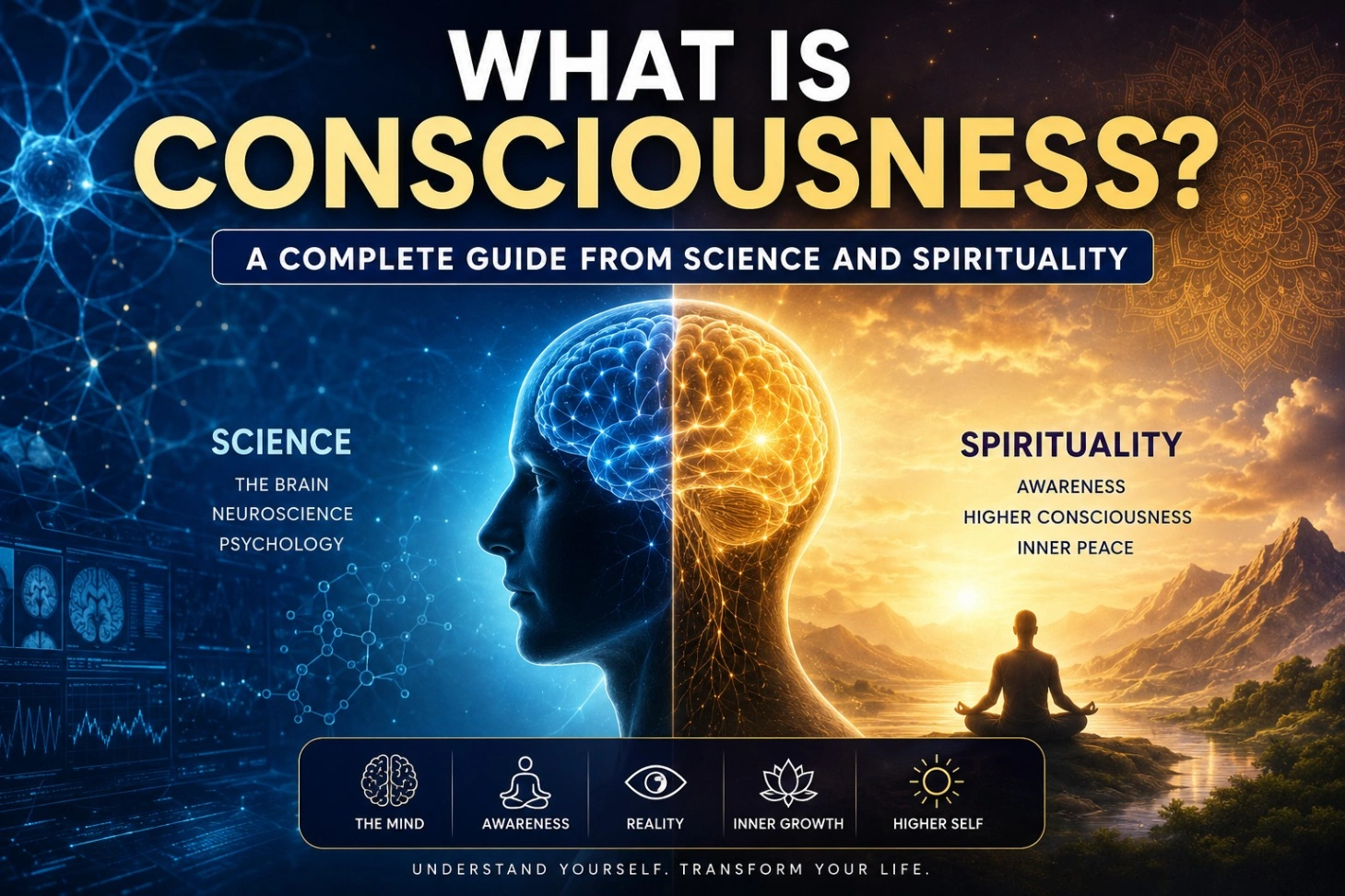
,What is consciousness? It is the mystery behind the simple fact that you are here, experiencing this moment. You notice a thought, feel an emotion, hear a sound, remember the past, and sense that these experiences are happening to you. Yet consciousness remains one of the hardest subjects in science, psychology, philosophy, and spirituality.
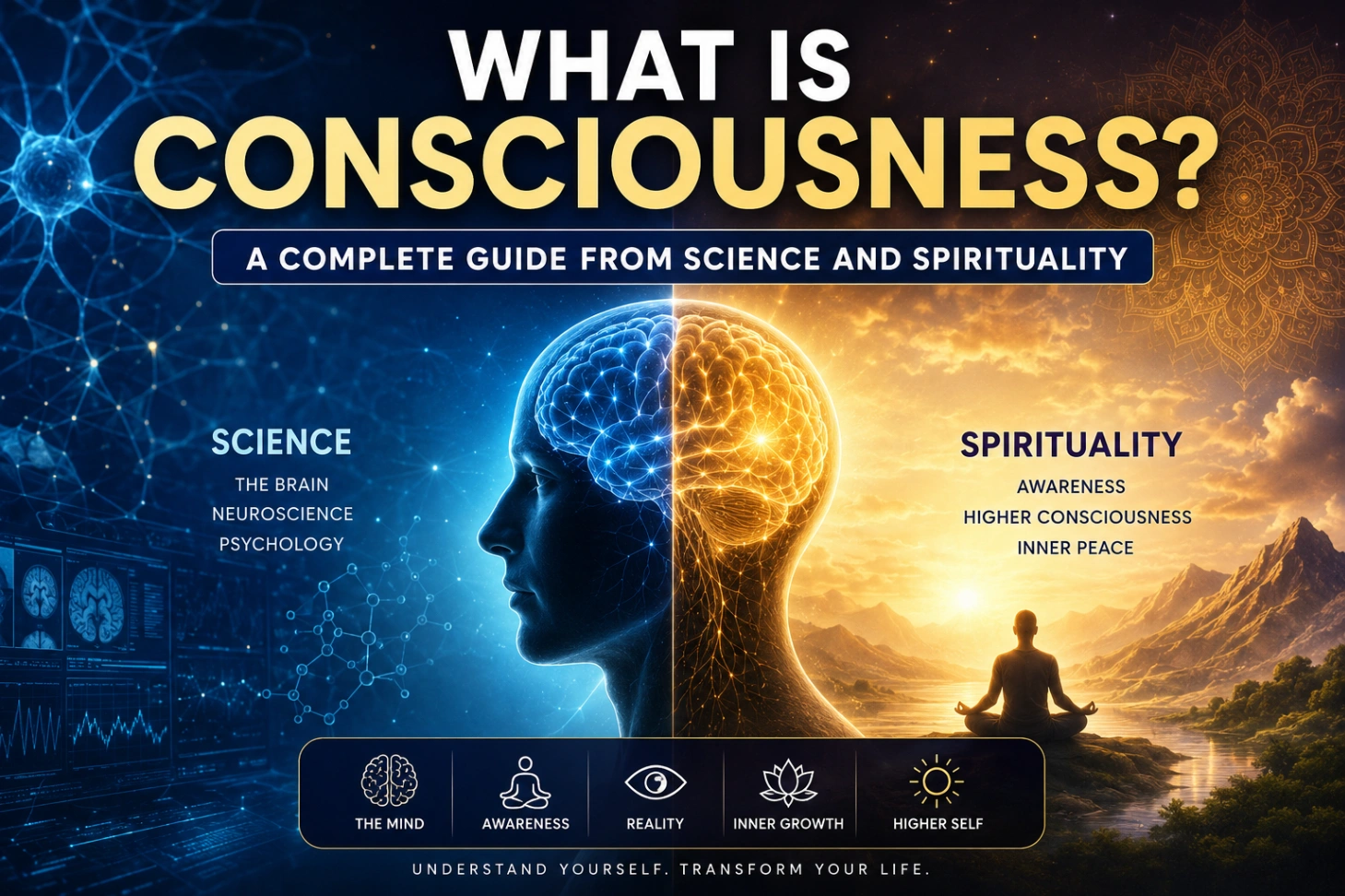
Science studies the brain processes linked to awareness and experience. Spirituality explores the meaning of awareness and the possibility of living with deeper presence. These approaches do not need to compete. They ask different but connected questions.
What Is Consciousness?
A clear consciousness definition is the capacity to be aware of yourself, your inner experiences, and the world around you. It includes sensations, thoughts, feelings, memories, intentions, and the sense of being present.
The meaning of consciousness shifts by context. In medicine, it may mean wakefulness and responsiveness. In psychology, it includes awareness of mental processes and surroundings. In philosophy, it raises the question of subjective experience: why does seeing red or feeling pain have an inner quality? In spirituality, it often points to the witnessing awareness that notices the mind.
Consciousness is therefore more than simply being awake. You can be awake but distracted, emotionally reactive, self-aware, reflective, calm, or deeply present. These are different states of consciousness.
Design Your Destiny
Ready to understand your mind, awaken your inner strength, and live with greater clarity? Explore Design Your Destiny and begin creating a life guided by awareness, purpose, and conscious choices.
Start Your JourneyConsciousness, Awareness, and the Mind
The mind is the flow of thinking, imagining, remembering, judging, and planning. Awareness is the ability to notice what is happening, such as a tight chest, an anxious thought, or a sound in the room. Consciousness is the wider condition in which both awareness and mental activity appear.
This difference matters. A thought may say, “I am not doing enough.” Awareness notices that thought. When you see it as a thought rather than unquestioned truth, you have more freedom to respond wisely.
Levels and States of Consciousness
People often speak about levels of consciousness, states of consciousness, or types of consciousness. In clinical settings, these terms can refer to changes in wakefulness and responsiveness, such as sleep, sedation, coma, or recovery after brain injury. In everyday and spiritual language, they may describe attention, self-awareness, emotional reactivity, flow, contemplation, or presence.
These uses should not be mixed carelessly. There is no universally accepted scientific ladder that ranks people as “more evolved.” A useful approach is simpler: notice whether you are acting on autopilot or responding with awareness.
Conscious Mind and Subconscious Mind
The conscious mind includes what you can deliberately attend to now, such as choosing words, solving a problem, or making a decision. The subconscious mind is a popular term for processes that influence behaviour outside immediate awareness, including habits, learned associations, emotional triggers, and fast judgments.
Greater self consciousness does not mean analysing every action. It means noticing automatic patterns early enough to choose a better response. This is why awareness and consciousness are valuable in relationships, work, and personal growth.
What Does Science Say About Consciousness?
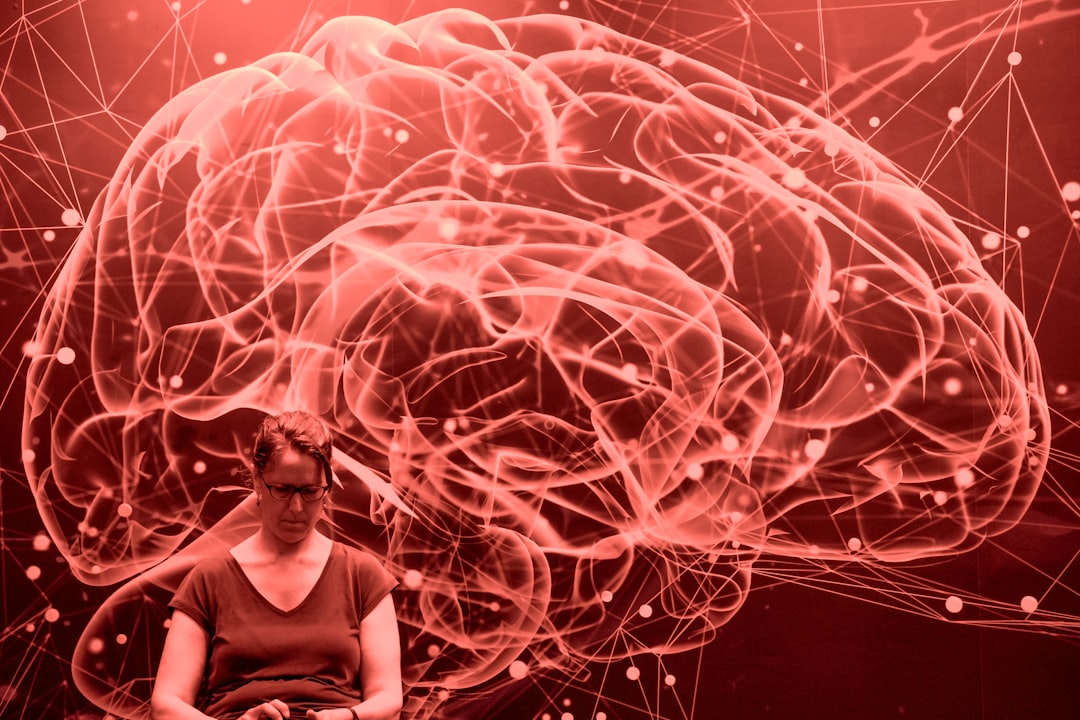
The science of consciousness studies how brain activity relates to experience. Researchers examine perception, attention, sleep, anaesthesia, memory, brain injury, and disorders of consciousness. They look for neural processes that reliably accompany awareness, often called the neural correlates of consciousness.
A useful distinction is between arousal and awareness. Arousal concerns wakefulness and responsiveness. Awareness concerns the contents of experience, such as recognising a face, feeling pain, or noticing a thought. Both are important.
Brain research does not identify one tiny “consciousness centre.” Conscious experience appears to depend on coordinated activity across systems, including brainstem structures that support arousal and large-scale networks involving the thalamus and cerebral cortex. This is progress, not a final answer. Researchers are still working out which processes are necessary for different aspects of experience.
Major Theories of Consciousness
There is no final scientific theory of consciousness. Instead, several theories explain different parts of the puzzle.
Global Neuronal Workspace Theory
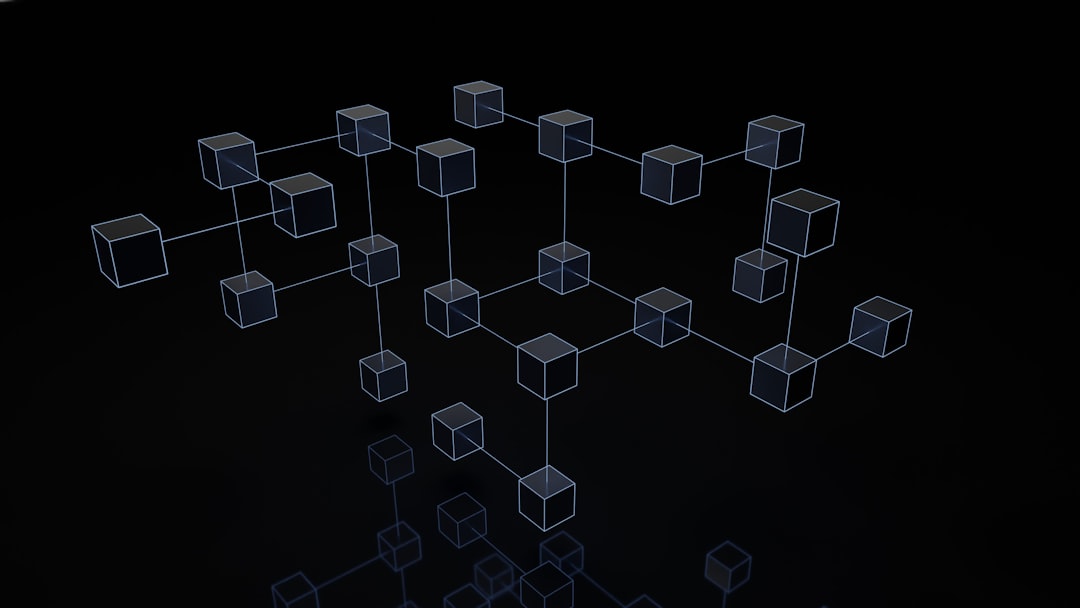
Global Neuronal Workspace Theory suggests that information becomes conscious when it is amplified and made widely available across brain networks. A sight, sound, or thought may become consciously reportable when systems involved in attention, memory, decision-making, and action can access it.
This helps explain why the brain processes some information without you noticing it, while other information reaches conscious attention.
Integrated Information Theory
Integrated Information Theory focuses on how information is unified within a system. A conscious experience is not a collection of disconnected fragments. Colour, shape, sound, memory, and emotion arrive as a meaningful whole.
IIT has sparked debate because it tries to describe consciousness through a system’s internal causal organisation. Critics and supporters continue to debate how its ideas should be tested and what they imply.
Higher-Order and Predictive Approaches
Higher-order approaches suggest that a mental state becomes conscious when the mind represents or recognises that state. Predictive approaches emphasise that the brain continually builds and updates models of what is happening inside and outside the body.
A large open-science study published in 2025 directly tested predictions from Global Neuronal Workspace Theory and Integrated Information Theory. It found results consistent with some predictions of both but also challenged key claims in each. Consciousness research is active, rigorous, and far from settled.
The Hard Problem of Consciousness
The “hard problem of consciousness” asks why physical brain processes produce a first-person experience at all. Science can measure neural signals, behaviour, and self-reports. But it is harder to explain why music feels moving, why pain hurts from the inside, or why there is an inner point of view.
Some researchers believe stronger neuroscience will eventually close this gap. Others think we may need new concepts. Intellectual humility is appropriate: not knowing the final answer is different from having no meaningful evidence.
Consciousness in Psychology
Psychology of consciousness examines attention, perception, emotion, memory, identity, and behaviour. It shows how thought patterns shape the reality you experience, even though thoughts do not magically control every outside event.
For example, someone who believes “I always fail” may avoid opportunities and treat that avoidance as proof. When they become aware of the belief, they can question it and try a different action. This is a practical form of expanding consciousness: noticing assumptions, emotional triggers, and habits so you can respond with clarity rather than autopilot.
Consciousness in Spirituality
Consciousness in spirituality often points beyond the thinking mind. Many traditions describe a deeper awareness that remains present while thoughts, emotions, and circumstances change. It may be called pure awareness, witnessing consciousness, spirit, the Self, or presence.
These are spiritual interpretations, not established scientific conclusions. Yet they invite a valuable inner question: Are you only the changing content of your mind, or can you also notice the awareness in which that content appears?
Higher consciousness is not about feeling superior or escaping responsibilities. At its best, spiritual growth encourages compassion, honesty, responsibility, and less ego-driven reactivity. A spiritual awakening may begin quietly, when you realise that a thought is not a command and an emotion is not a permanent identity.
Is Consciousness the Soul or Something Beyond the Brain?
Questions such as “Is consciousness the soul?”, “Is consciousness energy?”, and “Is consciousness beyond the brain?” sit between science, philosophy, and faith.
Science can study relationships between brain states and conscious states. It does not currently settle metaphysical questions about the soul or prove that consciousness exists independently of the brain. Spiritual traditions may offer their own answers through scripture, contemplation, and personal experience.
It is helpful not to confuse the categories. A spiritual belief may be deeply meaningful without being presented as laboratory proof. A scientific account of the brain also does not answer every question about purpose, value, or inner meaning.
Meditation, Mindfulness, and Consciousness
Meditation and mindfulness are practical ways to explore consciousness in daily life. Mindfulness involves paying attention to the present moment with openness and less judgment. You might notice the breath, body sensations, thoughts, sounds, or emotions without immediately trying to fix them.
A simple practice is to sit for five minutes, follow the breath, and gently return whenever the mind wanders. The aim is not an empty mind. It is a more conscious relationship with the mind.
Research suggests mindfulness-based approaches can help some people manage stress, anxiety, mood, sleep, or pain, but effects differ by person and condition. Evidence is not equally strong for every claim, and meditation can sometimes feel uncomfortable or destabilising when difficult emotions surface.

How to Develop Greater Consciousness in Daily Life
You do not need to leave ordinary life behind to grow in awareness. Start with small, repeatable practices:
Pause before reacting. Take one slow breath before replying to a message or argument.
Name what you feel. Say, “I am noticing frustration,” rather than becoming fully identified with it.
Question automatic stories. Ask whether a thought is a fact, a fear, or an old habit.
Give one activity full attention. Eat, walk, or listen without multitasking.
Choose values-based action. Let awareness guide kindness, courage, responsibility, and clear choices.
Why Consciousness Matters
Consciousness is not only an abstract mystery. It shapes how you experience every moment, relate to people, handle fear, and make decisions.
Science of consciousness continues to explore the brain mechanisms linked with awareness. Spirituality invites reflection on presence, identity, and inner freedom. Both can deepen our understanding when we avoid turning either into a simplistic answer.
Perhaps the most useful question is not only, “What is consciousness?” It is also, “How consciously am I living today?”
Personal Session
Feeling stuck, emotionally overwhelmed, or disconnected from your true self? Book a personal session to gain clarity, understand your inner patterns, and take the next step towards a more conscious and fulfilling life.
Book Now