

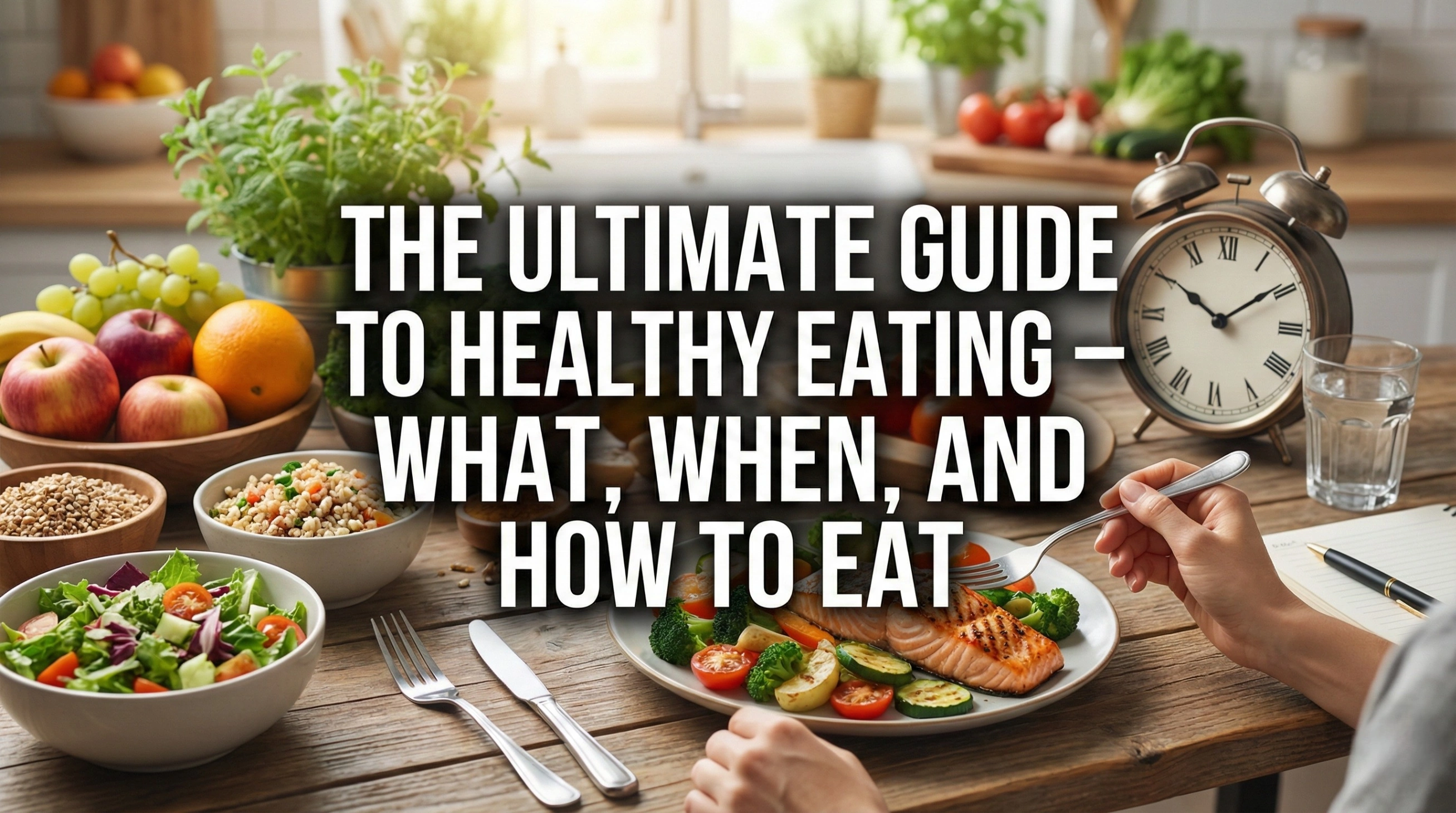
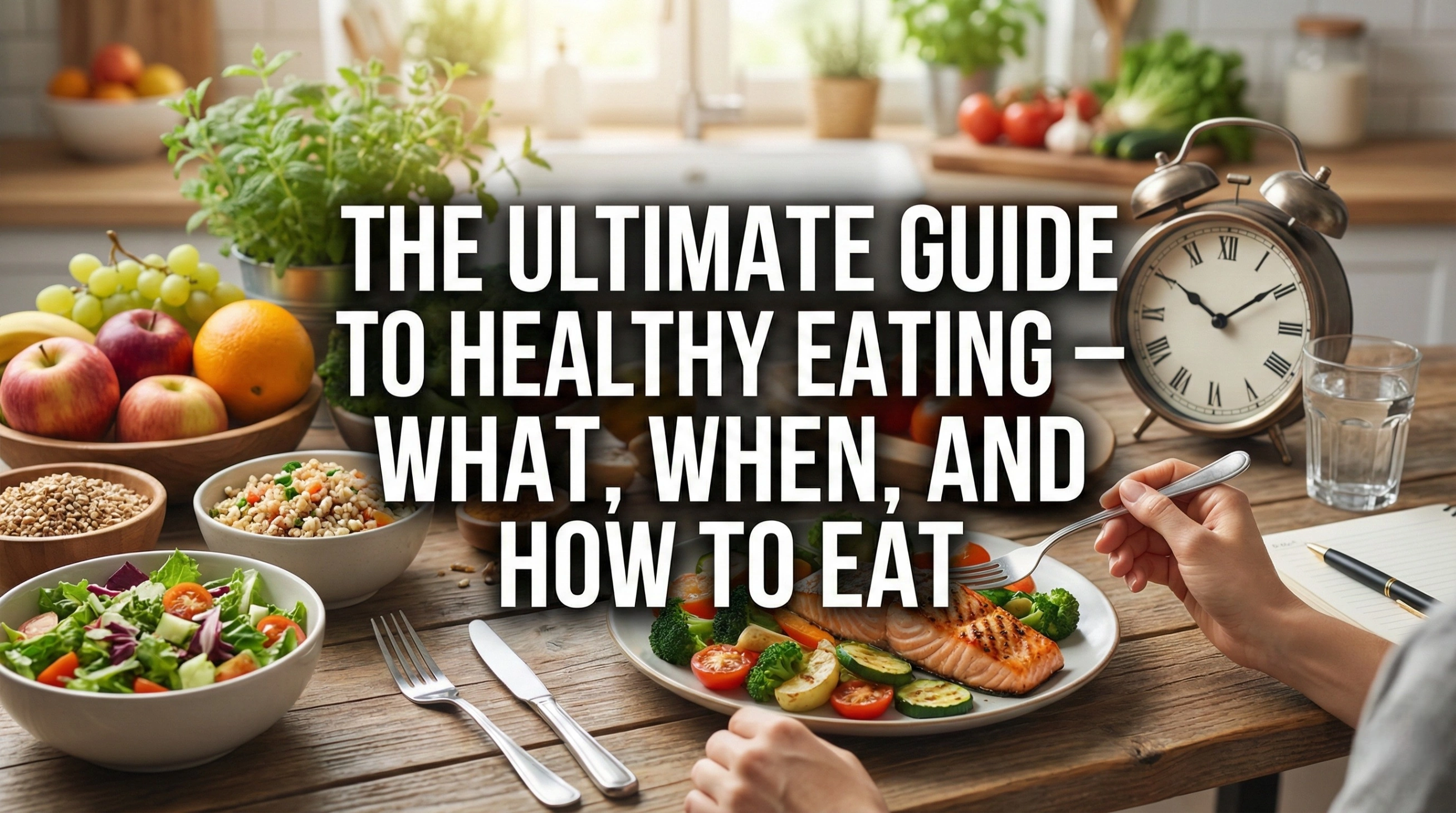
Let’s be honest: trying to figure out the "right" way to eat these days can feel like a full-time job. One day you’re told to skip breakfast; the next, it’s the most important meal of the day. Some experts shout about cutting carbs, while others preach the benefits of whole grains. It’s noisy, it’s confusing, and it makes healthy eating feel unnecessarily complicated.
But nutrition doesn’t have to be a puzzle. In fact, the most effective approach to a balanced diet comes down to three simple questions: What are you eating? When are you eating it? And perhaps most importantly, how are you eating it?
This nutrition guide strips away the fads and gets back to basics. Whether you are looking for a diet plan for weight loss or just want more energy to get through the workday, this is your blueprint.
Part 1: What to Eat (The Foundation)
Before we worry about the clock, we have to look at the fuel. You can have the perfect schedule, but if you’re fueling a Ferrari with sludge, it’s not going to run well.
The Power of Whole Foods
The golden rule of nutrition is simple: aim for a whole foods diet. This means eating ingredients that look like they came from nature, not a factory. These are nutrient dense foods; items packed with vitamins, minerals, and antioxidants relative to their calorie count.
When you fill your plate with whole foods, you naturally reduce processed sugars and empty calories. You don't need a strict "no-list"; you just need to crowd out the bad stuff with the good.
Understanding Macronutrients
You hear people talk about "macros" all the time. Macronutrients are simply the three main categories of fuel your body needs:
Protein: The building block of muscle and satiety. Including foods high in protein (like eggs, chicken, tofu, lentils, and Greek yogurt) in every meal helps control cravings.
Carbohydrates: Your body’s primary energy source. Focus on complex carbs like oats, quinoa, and veggies rather than white bread.
Fats: Essential for brain health and hormones. Think avocados, nuts, and olive oil.
The "Superfoods" Strategy
While no single food is a magic bullet, a healthy food list should include variety. A superfoods list might feature things like blueberries (antioxidants), salmon (omega-3s), and spinach (iron). However, don't get hung up on expensive trends. Frozen berries and canned beans are just as nutritious and much easier to fit into a strategy of how to eat healthy on a budget.
Don’t Forget Fiber
If there is one unsung hero in nutrition, it’s fiber. Fiber rich foods like beans, broccoli, apples, and chia seeds regulate your digestion and keep your blood sugar stable. If you are constantly hungry, you likely aren't eating enough fiber.
Part 2: When to Eat (The Timing)
Once you know what to eat, the next level of optimization is timing. This is where concepts like meal timing and the circadian rhythm diet come into play.
Syncing with Your Body Clock
Your body has an internal clock, or circadian rhythm, that dictates when it’s best at digesting food. Generally, our bodies handle food better during daylight hours.
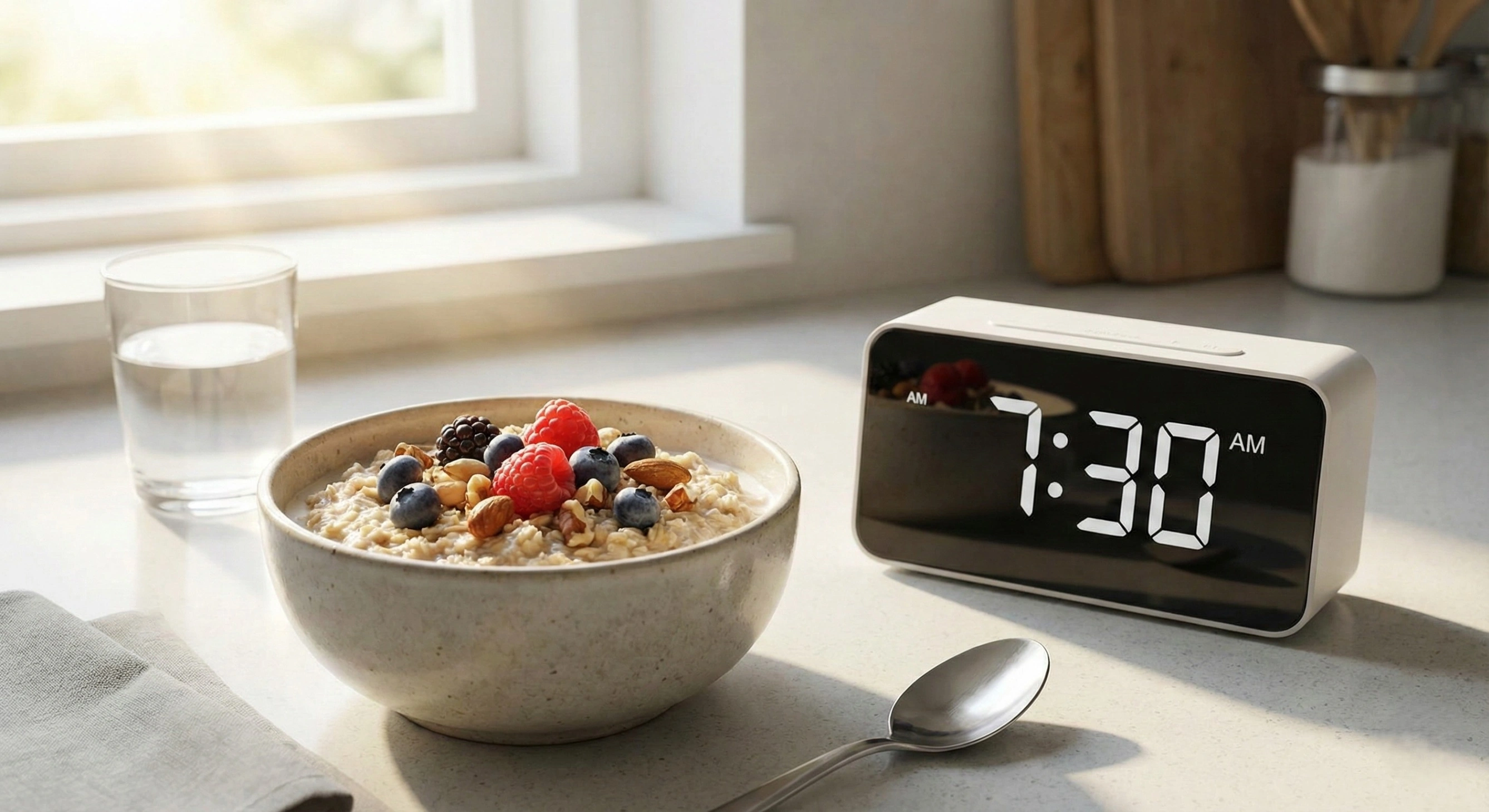
Best time to eat breakfast: Ideally within an hour of waking up. This signals to your body that the fast is over and revs up your metabolism.
Best time to eat dinner: Try to finish your last meal at least 3 hours before bed. Eating heavy meals too late can disrupt sleep and digestion.
Is Intermittent Fasting for You?
Intermittent fasting has exploded in popularity because it simplifies the "when." By restricting your eating schedule to a specific window (like 8 hours), you give your digestive system a break.
Fasting benefits can include improved insulin sensitivity and cellular repair. However, it’s not for everyone. If fasting makes you binge later, a consistent schedule of 3 meals and 1 snack might be better.
Fueling Your Workouts
For those who are active, timing is crucial for performance.
Pre-workout meal: Eat 1–2 hours before exercise. Focus on carbs for quick energy (e.g., a banana or toast).
Post-workout meal: This is recovery time. Within 45 minutes of finishing, eat foods high in protein to repair muscle and carbs to refill energy stores.
Part 3: How to Eat (The Habits)
You can eat broccoli and salmon every day, but if you inhale it in two minutes while stressed out in front of your laptop, you aren't getting the full benefit. The "How" is about psychology and habit formation.
The Art of Mindful Eating
We live in a distracted world. Mindful eating is the practice of slowing down and paying attention to your food. Chew slowly. Put your fork down between bites. Notice the textures and flavors.
This isn’t just "woo-woo" advice; it takes your brain about 20 minutes to register that your stomach is full. By slowing down, you naturally stop overeating without needing to count every calorie.
Portion Control without the Scale
You don't need to carry a food scale everywhere. Use your hand as a guide for portion control:
Protein: Palm-sized.
Carbs: Cupped hand.
Veggies: Fist-sized (or two!).
Fats: Thumb-sized.
Meal Prep: The Secret Weapon
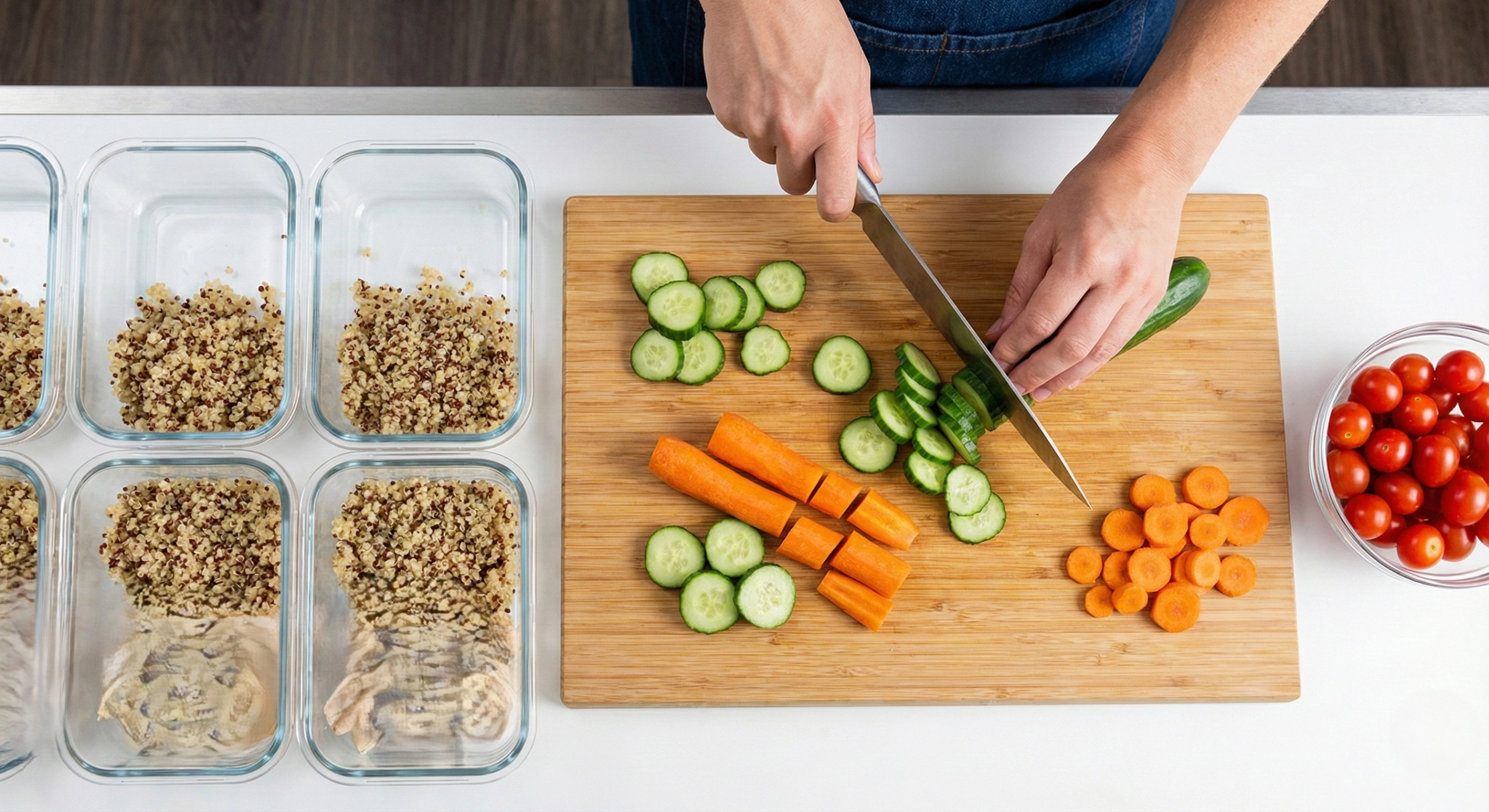
Willpower is a limited resource. By Wednesday night, you’re tired, and ordering pizza is easier than cooking. This is where meal prep ideas save the day.
You don't have to prep for the whole week. Even prepping ingredients chopping veggies, boiling eggs, cooking a batch of quinoa sets you up for success. A solid healthy meal plan is your insurance policy against bad decisions.
Part 4: Putting It All Together
Building a Balanced Plate
So, what is a balanced diet in practice? Visualizing your plate is the easiest method.
50% Vegetables & Fruit: Greens, peppers, berries.
25% Lean Protein: Chicken, fish, beans, tofu.
25% Complex Carbs: Brown rice, sweet potato, oats.
Add a dash of healthy fats: Olive oil dressing, seeds.
Addressing the Calorie Question
"How many calories should I eat a day?" This is a common question, but the answer varies wildly based on your age, size, and activity level. Instead of obsessing over a specific number or a strict calorie deficit, focus on the quality of calories. 500 calories of salmon and veggies affects your body very differently than 500 calories of soda.
Starting for Beginners
If you are wondering how to start eating healthy for beginners, don't try to change everything overnight. That is a recipe for burnout.
Start with one meal. Fix your breakfast first. Is breakfast the most important meal of the day? Maybe, maybe not—but a healthy breakfast sets a positive tone for the rest of the day.
Drink water. Often, we mistake thirst for hunger.
Add, don't subtract. Instead of banning chocolate, focus on adding a serving of vegetables to dinner.
Intuitive Eating vs. Diet Plans
Strict diets often fail because they are rigid. Intuitive eating teaches you to trust your body’s hunger and fullness signals. It moves you away from "good food vs. bad food" thinking and towards a healthier relationship with what you eat. However, in the beginning, having a structure like clean eating guidelines can help you re-calibrate those signals.
Healthy eating habits aren't built in a day, and they certainly aren't built by suffering through a diet you hate. It’s about creating a lifestyle where you prioritize nutrient dense foods, respect your body’s timing, and eat with intention.
Whether you are exploring low calorie meals to shed a few pounds or diving into intermittent fasting for mental clarity, remember that consistency beats perfection. Start with the next meal. Make it real, make it colorful, and take your time enjoying it.
Ready to take the next step? Try planning just your breakfasts for the upcoming week and notice how your energy levels change.