

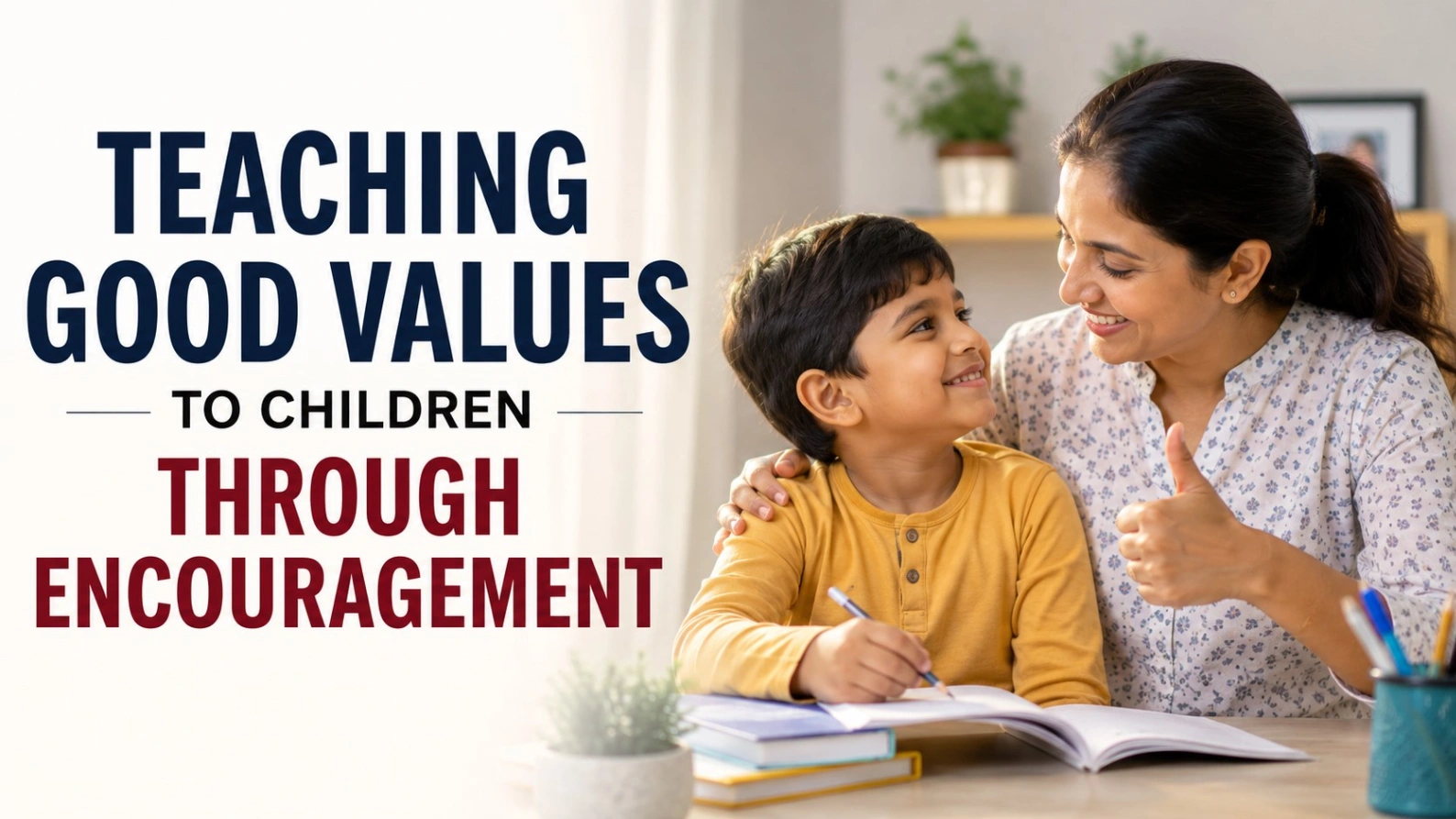
In today’s fast-moving world, many parents worry about how to raise respectful, emotionally strong, and kind children. While discipline and rules are important, one of the most effective ways of teaching values to children is through encouragement, appreciation, and positive parenting. Children learn faster when they feel loved, supported, and understood.
Developing good values for children is not only about telling them what is right or wrong. It is about helping them experience kindness, honesty, gratitude, compassion, and respect in everyday life. When parents use encouragement instead of fear, children naturally become more confident, emotionally secure, and responsible.
Modern research in child development and child psychology also shows that positive reinforcement and emotional connection play a major role in shaping a child’s behavior. A child who feels appreciated is more likely to repeat positive actions and develop stronger moral values over time.
Why Encouragement Works Better Than Fear
Many parents grow up believing that strictness alone builds discipline. But children learn values more deeply through emotional connection than punishment. Constant criticism can create fear, insecurity, and emotional distance, while encouragement builds trust and confidence.
For example, when a child shares toys with others and receives appreciation for it, they begin to associate kindness with positive feelings. Over time, kindness becomes part of their natural personality.
This is the power of positive reinforcement for children.
Encouragement helps children:
Build self-esteem
Feel emotionally safe
Develop confidence
Learn responsibility naturally
Improve emotional intelligence
Strengthen family relationships
Children who grow up in supportive environments often become emotionally strong adults who can handle challenges with maturity and compassion.
Design Your Destiny
A child’s future is shaped by the values they learn today. Join the Design Your Destiny journey to discover practical wisdom, conscious parenting insights, and life-transforming guidance that helps create emotionally strong and value-based families.
Start Your JourneyThe Importance of Moral Values in Children
Teaching moral values is one of the most important responsibilities of parenting. Values guide children in making decisions, building relationships, and understanding right from wrong.
Some important life values for children include:
Honesty
Respect
Gratitude
Compassion
Discipline
Responsibility
Patience
Kindness
When these values are taught with love and encouragement, children absorb them naturally instead of feeling forced.
Parents often ask, “How do I teach good values to children?” The answer lies in daily behavior. Children learn more from what parents do than what they say. If parents speak respectfully, express gratitude, and show compassion, children imitate those behaviors automatically.
Positive Parenting Creates Emotionally Strong Children
Positive parenting focuses on guidance, communication, emotional connection, and appreciation rather than fear or punishment. It helps children feel valued while teaching them accountability.
Children raised with positive parenting techniques are more likely to:
Express emotions openly
Respect others
Develop empathy
Handle stress better
Become independent thinkers
Build healthy relationships
One of the most effective parenting habits is acknowledging small positive actions. Simple words like:
“I’m proud of you.”
“That was very kind.”
“Thank you for being honest.”
“You handled that situation well.”
can deeply influence a child’s emotional growth.
These moments build confidence and encourage good behavior repeatedly.

How to Encourage Children Positively
Parents often wonder how to motivate children without shouting or punishment. Encouragement does not mean overpraising everything. It means recognizing effort, progress, and positive intention.
Here are simple ways to encourage children positively:
1. Appreciate Effort, Not Just Results
Instead of only praising success, appreciate the effort behind it.
For example:
“You worked very hard on this.”
“I appreciate your patience.”
This teaches children that growth matters more than perfection.
2. Listen Without Judgment
Children open up more when they feel heard. Listening calmly improves emotional connection and trust.
3. Encourage Kindness Daily
Teach kindness through small habits like helping others, sharing, and expressing gratitude.
4. Avoid Constant Comparison
Comparing children with others damages confidence and emotional security.
5. Lead by Example
Children imitate behavior. Parents who practice honesty, discipline, and compassion naturally inspire children to do the same.
Teaching Discipline Without Fear
One of the biggest misconceptions in parenting is that discipline requires anger. In reality, positive discipline for kids focuses on guidance rather than control.
Discipline means teaching children responsibility and self-awareness. Calm communication works better than shouting because children learn through emotional safety.
Healthy discipline methods include:
Setting clear boundaries
Explaining consequences calmly
Encouraging responsibility
Rewarding positive behavior
Maintaining consistency
Children who understand “why” behind rules are more likely to follow them willingly.
How Encouragement Affects Child Development
The emotional environment at home directly impacts a child’s mental and emotional development.
A supportive environment helps children:
Build emotional intelligence
Develop problem-solving skills
Feel secure and confident
Improve communication skills
Handle social situations better
Negative environments filled with criticism can create fear, anxiety, and emotional withdrawal.
This is why appreciation matters so much in parenting. Encouragement creates emotional safety, and emotional safety creates growth.
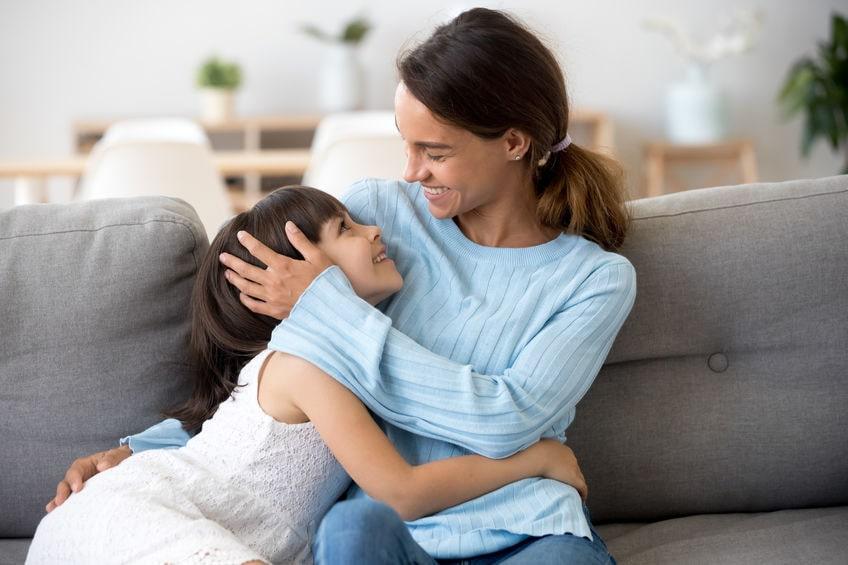
Building Confidence in Children Naturally
Confidence is not built through pressure. It grows through acceptance, encouragement, and opportunities to learn.
To build self-esteem in children:
Allow them to make small decisions
Encourage creativity
Appreciate their uniqueness
Avoid harsh criticism
Celebrate progress
Teach them that mistakes are part of learning
Confident children are more likely to express themselves honestly and stand up for what is right.
Teaching Gratitude and Compassion
Gratitude and compassion are essential family values that help children become emotionally balanced human beings.
Parents can teach gratitude by:
Encouraging children to say thank you
Discussing the importance of appreciation
Practicing gratitude together daily
Compassion can be taught through:
Helping others
Listening empathetically
Showing care toward animals and people
Teaching forgiveness
These habits shape children into kind and respectful individuals.
Parenting Without Shouting
Many parents struggle with frustration and emotional exhaustion. However, constant shouting can create fear instead of understanding.
Children respond better to calm communication because it helps them process emotions safely.
Tips for parenting without shouting:
Pause before reacting
Speak calmly and clearly
Focus on solutions instead of blame
Understand the child’s emotions
Maintain patience during difficult situations
When children feel emotionally safe, they are more willing to listen and cooperate.

Raising Respectful and Kind Children
Respect begins at home. Children who are treated respectfully often learn to respect others naturally.
Teach respect by:
Speaking politely
Listening attentively
Respecting children’s emotions
Encouraging empathy
Teaching responsibility
Children who feel valued become more compassionate toward others.
Kindness is not learned through lectures alone. It is developed through daily experiences, emotional connection, and positive role models.
The Long-Term Impact of Positive Parenting
The values taught during childhood shape adult personality and behavior. Encouragement-based parenting creates adults who are:
Emotionally secure
Compassionate
Confident
Responsible
Mentally resilient
Children remember how they were made to feel. A home filled with appreciation, emotional support, and understanding becomes the foundation of lifelong emotional strength.
Positive parenting is not about being perfect. It is about creating a loving environment where children can grow into their best selves.
Personal Session
Looking for deeper guidance on parenting, emotional healing, or family growth? Book a personal session to receive personalized insights and practical solutions for raising confident, compassionate, and emotionally balanced children.
Book Now