
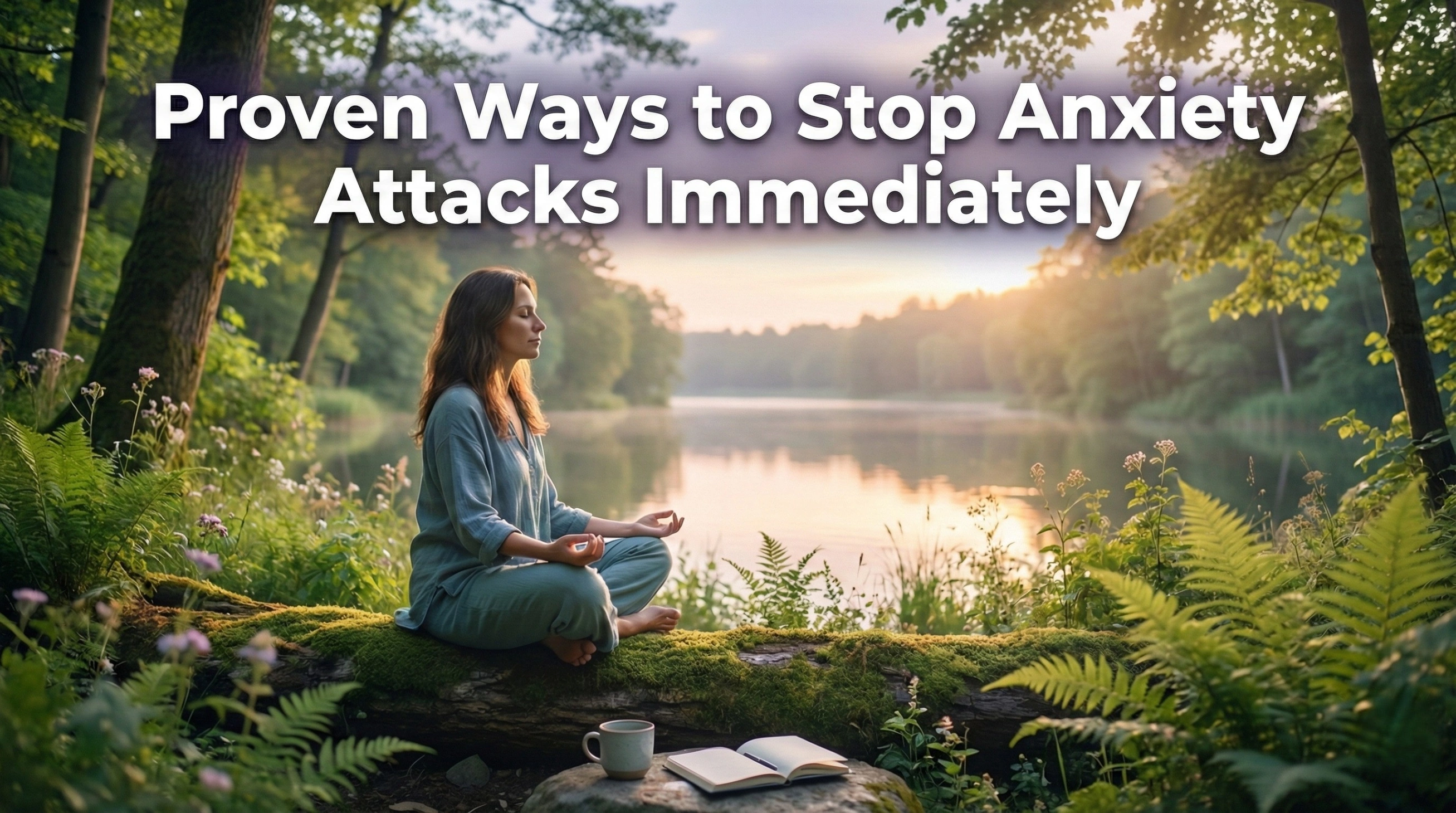
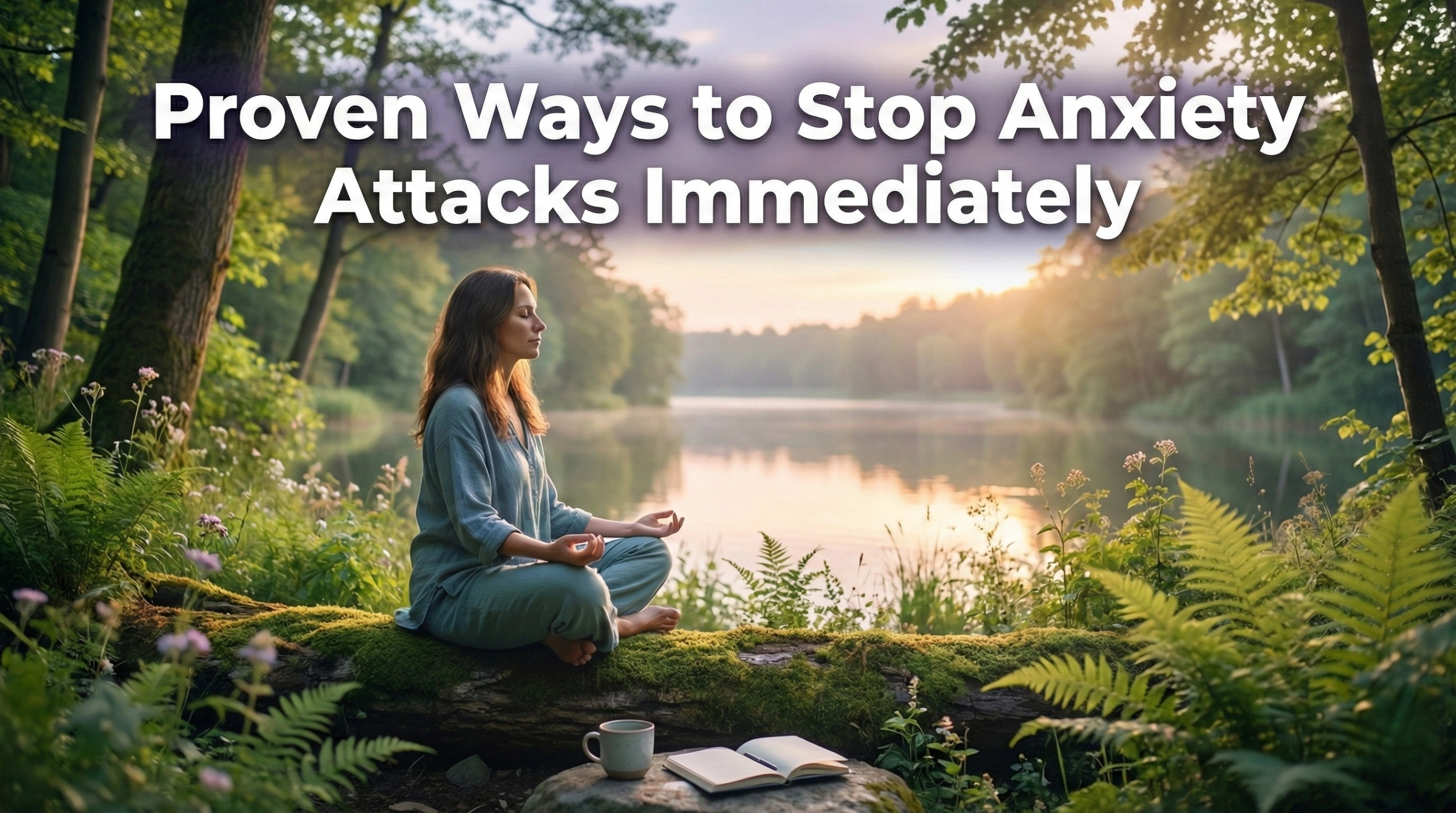
Anxiety attacks can strike unexpectedly, leaving you feeling overwhelmed, panicked, and physically unwell. Anxiety attacks affect millions worldwide, making it essential to know how to stop anxiety attacks when they occur. Fortunately, there are proven strategies and techniques that can provide panic attack relief quickly and naturally, allowing you to regain control of your mind and body. In this guide, we’ll explore effective methods, tips, and practical steps you can take to manage and reduce the intensity of anxiety attacks.
Understanding Anxiety Attacks
Before learning how to stop anxiety attacks, it’s important to understand what they are. Anxiety attacks, also known as panic attacks, are sudden periods of intense fear or discomfort. They may include symptoms such as rapid heartbeat, shortness of breath, trembling, sweating, and a sense of impending doom. While these attacks can be frightening, they are usually not physically harmful and can be managed with proper techniques.
Recognizing anxiety attack symptoms is the first step in gaining control. Common signs include:
Racing heart or palpitations
Shaking or trembling
Shortness of breath
Feeling dizzy or lightheaded
Chest tightness or discomfort
Sweating or chills
Fear of losing control
Being aware of these symptoms helps you act quickly and implement strategies for panic attack relief.
Quick Techniques to Calm Anxiety Attacks
When an anxiety attack strikes, having a toolkit of effective methods can make a huge difference. Here are some of the best techniques for calming anxiety attacks fast:
1. Deep Breathing
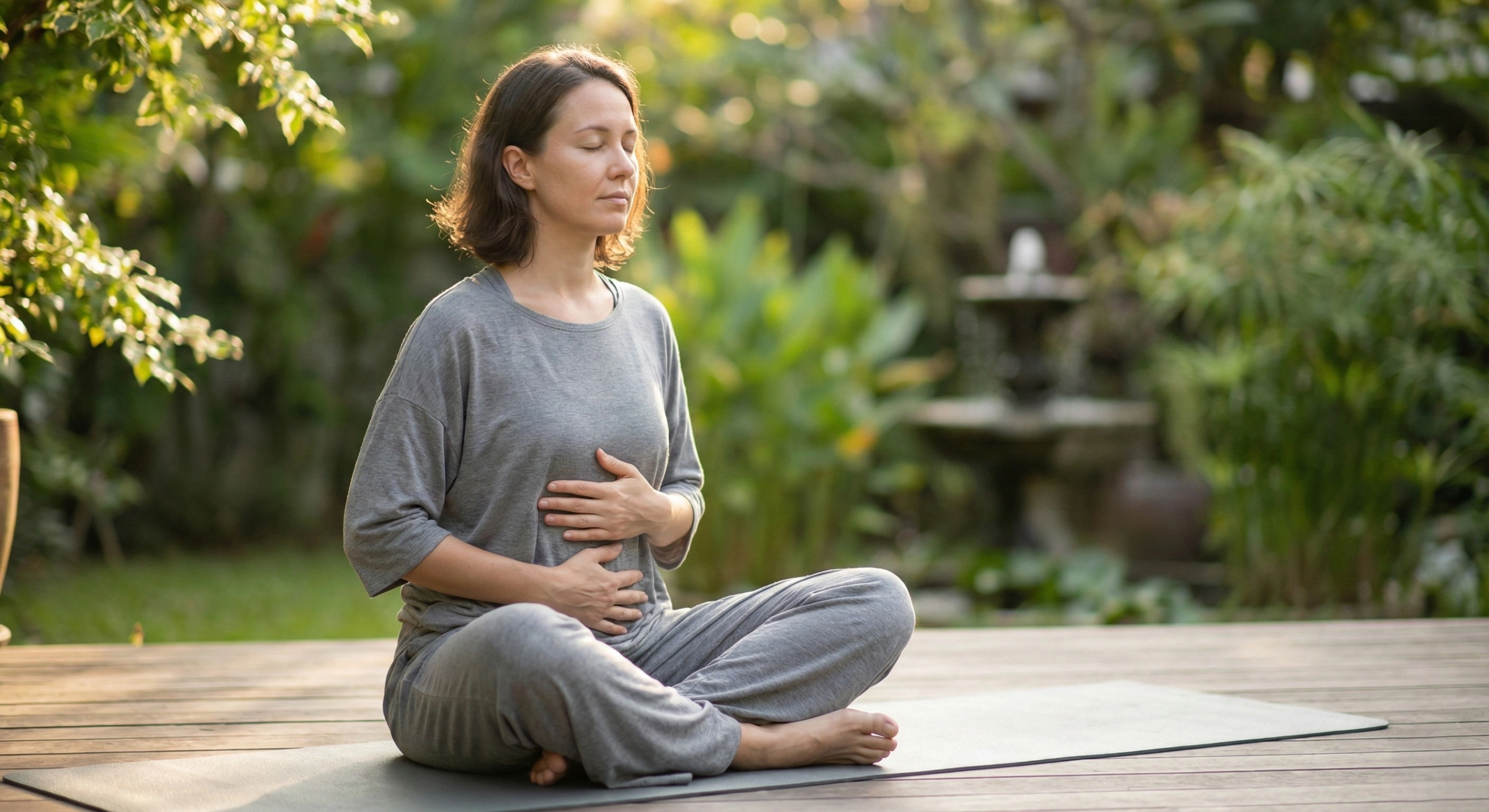
Controlled breathing is one of the most effective ways to stop anxiety attacks naturally. Try the 4-7-8 technique:
Inhale for 4 seconds
Hold your breath for 7 seconds
Exhale slowly for 8 seconds
Focusing on your breath helps slow your heart rate and reduces feelings of panic.
2. Grounding Exercises
Grounding exercises redirect your attention from anxious thoughts to the present moment. For example:
Identify 5 things you can see
4 things you can touch
3 things you can hear
2 things you can smell
1 thing you can taste
This method is excellent for quick relief for panic attacks and can be done anywhere.
3. Muscle Relaxation
Progressive muscle relaxation involves tensing and releasing different muscle groups, which can help calm your body and mind. Start with your toes and work upward, focusing on letting go of tension.
4. Positive Self-Talk
Repeating reassuring phrases like, “This will pass,” or “I am safe,” can reduce the fear associated with panic. Using affirmations is a simple yet effective way to calm anxiety quickly.
5. Change Your Environment
If possible, move to a quiet space or step outside for fresh air. Reducing sensory overload often helps reduce the intensity of the attack.
Natural Remedies for Anxiety Attacks
Alongside immediate techniques, some natural remedies may help prevent or reduce the severity of future attacks:
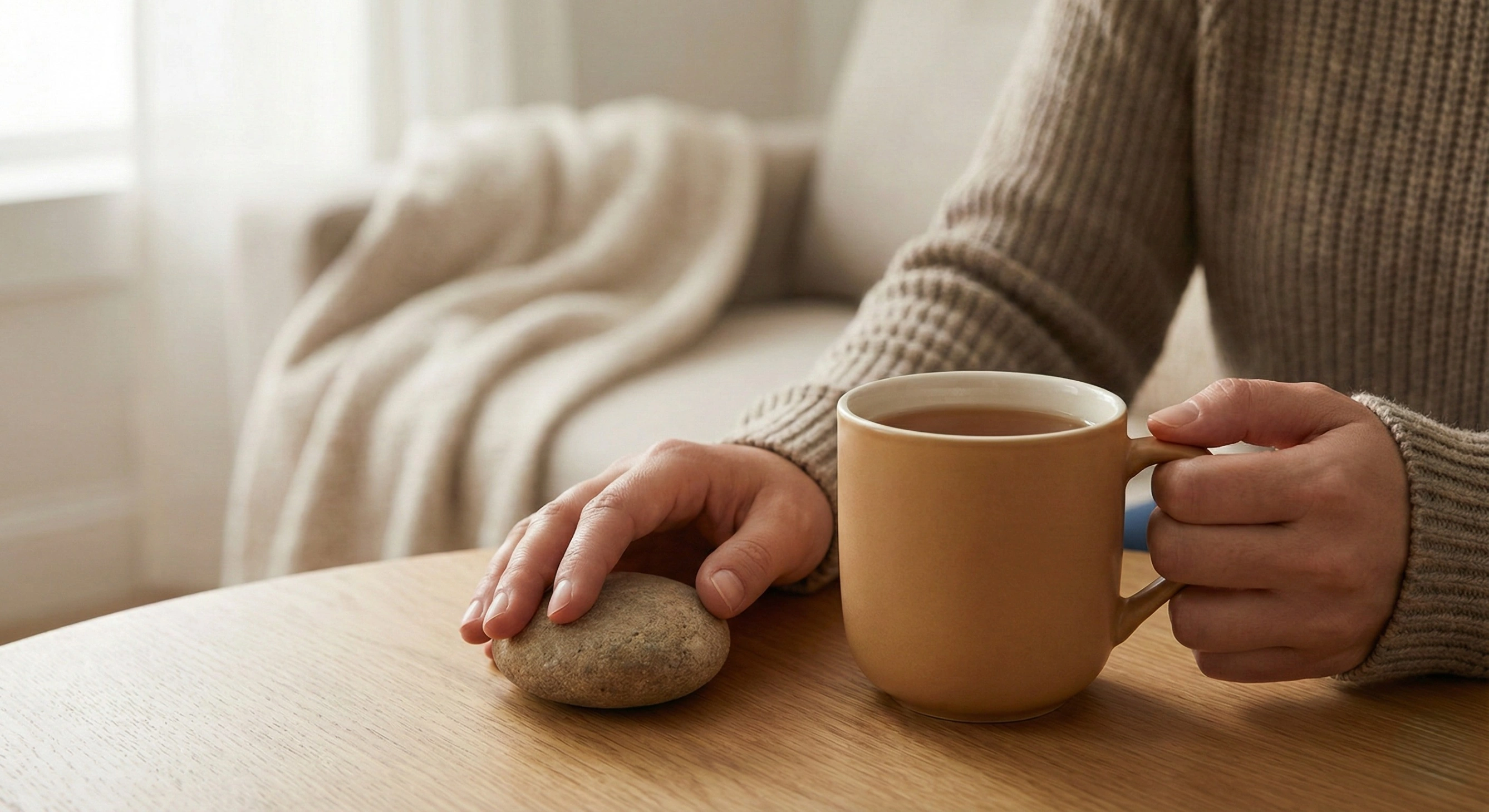
Herbal Teas: Chamomile, lavender, and green tea have calming properties.
Aromatherapy: Essential oils like lavender or bergamot can soothe anxiety.
Exercise: Light physical activity releases endorphins that improve mood and reduce stress.
Mindfulness & Meditation: Regular mindfulness practice strengthens your ability to manage stress.
Adequate Sleep & Nutrition: Proper rest and a balanced diet help regulate your nervous system.
These approaches support long-term mental wellness and complement strategies for how to control anxiety and panic attacks.
Lifestyle Changes to Prevent Anxiety Attacks
While immediate relief is important, addressing lifestyle factors can significantly reduce anxiety attack symptoms over time:
Limit Stimulants: Caffeine and sugar can worsen anxiety.
Create a Routine: Predictable schedules help reduce uncertainty and stress.
Social Support: Talking with friends, family, or a therapist provides emotional relief.
Mindful Technology Use: Reduce exposure to stressful news or social media.
Practice Relaxation Daily: Incorporate yoga, meditation, or breathing exercises into your routine.
By adopting these changes, you can better manage anxiety and experience fewer panic episodes.
When to Seek Professional Help
If anxiety attacks become frequent, severe, or interfere with daily life, it’s important to seek professional help. Therapies such as cognitive-behavioral therapy (CBT), exposure therapy, and, in some cases, medication can provide lasting panic attack treatment. A mental health professional can tailor strategies specific to your needs.
Tips for Helping Someone During an Anxiety Attack
If someone close to you is experiencing an anxiety attack, you can help them by:
Staying calm and reassuring them
Guiding them through deep breathing exercises
Helping them focus on grounding techniques
Avoiding judgment or minimizing their feelings
Providing support during an attack can significantly reduce the person’s distress.
Additional Coping Strategies
Here are some extra methods that can help when you experience an anxiety attack:
Visualization: Imagine a calm and safe place to reduce panic.
Music Therapy: Listening to soothing music can redirect focus and relax the mind.
Cold Water Splash: Briefly splashing your face with cold water can interrupt a panic response.
Journaling: Writing down anxious thoughts helps process emotions.
Combining these strategies with the techniques above provides a comprehensive approach to stop panic attacks naturally.
Experiencing anxiety attacks can be overwhelming, but knowing how to calm anxiety attacks fast gives you the tools to regain control. Using breathing techniques, grounding exercises, positive self-talk, and natural remedies can provide immediate relief. Over time, lifestyle changes, mindfulness practices, and professional support ensure lasting peace and stability. Remember, with consistent practice and awareness, anxiety attacks can be managed effectively.
Implement these strategies today and take charge of your mental well-being.