
In today's fast-paced world, many people are searching for ways to feel more grounded, peaceful, and fulfilled. This is where spiritual practices for mental, emotional, and physical balance can make a meaningful difference. While modern life offers countless conveniences, it also brings stress, emotional overwhelm, mental fatigue, and a growing sense of disconnection.
Spirituality is not limited to religion. Rather, it is a personal journey of self-awareness, inner peace, and connection with something greater than oneself. Through consistent spiritual practices, individuals can cultivate emotional resilience, improve mental well-being, and support a healthier lifestyle.
The relationship between mental health and spirituality has gained increasing attention because many people are discovering that spiritual wellness contributes significantly to overall quality of life. Whether through meditation, gratitude, mindfulness, or self-reflection, spiritual habits can help create harmony between the mind, body, and soul.
Understanding Spiritual Wellness
Spiritual wellness refers to a sense of purpose, meaning, and connection in life. It supports your ability to navigate challenges with greater clarity and emotional stability.
When spiritual well-being is nurtured, people often experience:
Greater inner peace
Improved emotional balance
Enhanced self-awareness
Stronger emotional resilience
Better stress management
A deeper sense of fulfillment
Unlike quick fixes, spiritual growth develops gradually through daily practice and conscious living.
Design Your Destiny
Your life is shaped by the choices, thoughts, and energy you nurture every day. Through spiritual awareness and conscious living, you can unlock your true potential and create a future aligned with your highest purpose. Join the Design Your Destiny program and discover practical tools to transform your mindset, strengthen your inner power, and build the life you truly desire.
Start Your Journey!Why Balance Matters
Mental, emotional, and physical health are deeply interconnected.
When the mind is overwhelmed, the body often responds with fatigue, tension, and poor sleep. Similarly, unresolved emotions can impact physical energy levels and overall well-being.
Spiritual practices help bridge this gap by encouraging mindfulness, self-discovery, and emotional healing. Rather than treating symptoms alone, they address the underlying relationship between thoughts, emotions, and behaviors.
Achieving mind body soul balance allows you to function more effectively while maintaining a sense of calm and purpose.
1. Mindfulness Meditation for Mental Clarity
Among the most effective spiritual practices is mindfulness meditation.
Mindfulness involves paying attention to the present moment without judgment. Instead of dwelling on the past or worrying about the future, you learn to observe your thoughts with awareness and acceptance.
The benefits of meditation include:
Improved concentration
Reduced mental clutter
Greater self-awareness
Enhanced emotional regulation
Increased mental clarity
Even ten minutes of daily meditation can become a powerful tool for cultivating inner peace and supporting mental well-being.
For beginners, simply focusing on your breath and gently returning attention whenever the mind wanders can be an excellent starting point.
2. Gratitude Practice for Emotional Wellness
A simple but transformative spiritual habit is maintaining a gratitude practice.
Many people naturally focus on what is missing in life. Gratitude shifts attention toward what is already present and valuable.
When practiced consistently, gratitude can:
Improve emotional wellness
Strengthen positive energy
Reduce feelings of negativity
Increase optimism
Foster emotional resilience
Consider writing down three things you are grateful for each day. Over time, this small habit can create a significant shift in perspective.
Gratitude is not about ignoring difficulties. It is about recognizing blessings even while navigating challenges.
3. Conscious Living and Self-Awareness
Spiritual growth begins with awareness.
Conscious living means making deliberate choices rather than operating on autopilot. It involves paying attention to your thoughts, emotions, habits, and reactions.
Developing self-awareness allows you to:
Understand emotional triggers
Improve emotional intelligence
Build healthier relationships
Make aligned decisions
Experience greater personal transformation
When you become aware of recurring thought patterns, you gain the power to change them.
This process of self-discovery is a fundamental aspect of spiritual well-being.

4. Prayer and Reflection
Prayer remains one of the most meaningful spiritual self-care practices for millions of people around the world.
Whether religious or non-religious, prayer creates space for reflection, intention, and connection.
Regular prayer and reflection can:
Promote emotional healing
Reduce stress and anxiety
Provide comfort during difficult times
Strengthen faith and hope
Encourage inner healing
Taking a few quiet moments each day to reflect on your experiences can provide valuable insight and perspective.
5. Yoga and Meditation for Holistic Wellness
The combination of yoga and meditation offers a holistic approach to mental, emotional, and physical health.
Yoga integrates movement, breathwork, and mindfulness. It helps release physical tension while promoting mental calmness.
Benefits include:
Improved flexibility and strength
Reduced stress
Enhanced body awareness
Better emotional balance
Greater spiritual connection
Together, yoga and meditation support a comprehensive approach to holistic wellness and healthy living.
6. Connecting with Nature
Nature has long been recognized as a powerful source of healing and renewal.
Spending time outdoors can support:
Mental well-being
Stress management
Emotional healing
Spiritual awakening
Physical health
A walk in a park, sitting beneath a tree, or simply observing a sunrise can help restore balance and perspective.
Nature reminds us to slow down and reconnect with the present moment.

7. Practicing Compassion and Service
One of the most overlooked spiritual practices is serving others.
Acts of kindness and compassion foster a sense of purpose while strengthening human connection.
Service helps individuals:
Develop empathy
Build meaningful relationships
Experience personal growth
Cultivate positive energy
Deepen spiritual awareness
Even small acts of kindness can have a profound impact on emotional well-being.
Giving often creates fulfillment that material achievements alone cannot provide.
8. Journaling for Emotional Healing
Journaling provides a safe space for processing thoughts and emotions.
Writing regularly can help:
Increase self-awareness
Support emotional healing
Improve mental clarity
Reduce emotional overwhelm
Track personal growth
Many people find that putting feelings into words helps them better understand themselves and identify patterns that require attention.
Journaling is especially valuable during periods of transition, uncertainty, or stress.
9. Breathwork and Energy Awareness
Breath is a powerful bridge between the mind and body.
Intentional breathing practices can calm the nervous system and promote relaxation.
Benefits include:
Reduced stress
Better emotional regulation
Increased focus
Improved energy levels
Greater inner peace
Many spiritual traditions view breath as a source of life force or energy.
Simple breathing exercises can become effective self-healing techniques when practiced consistently.
10. Creating a Daily Spiritual Routine
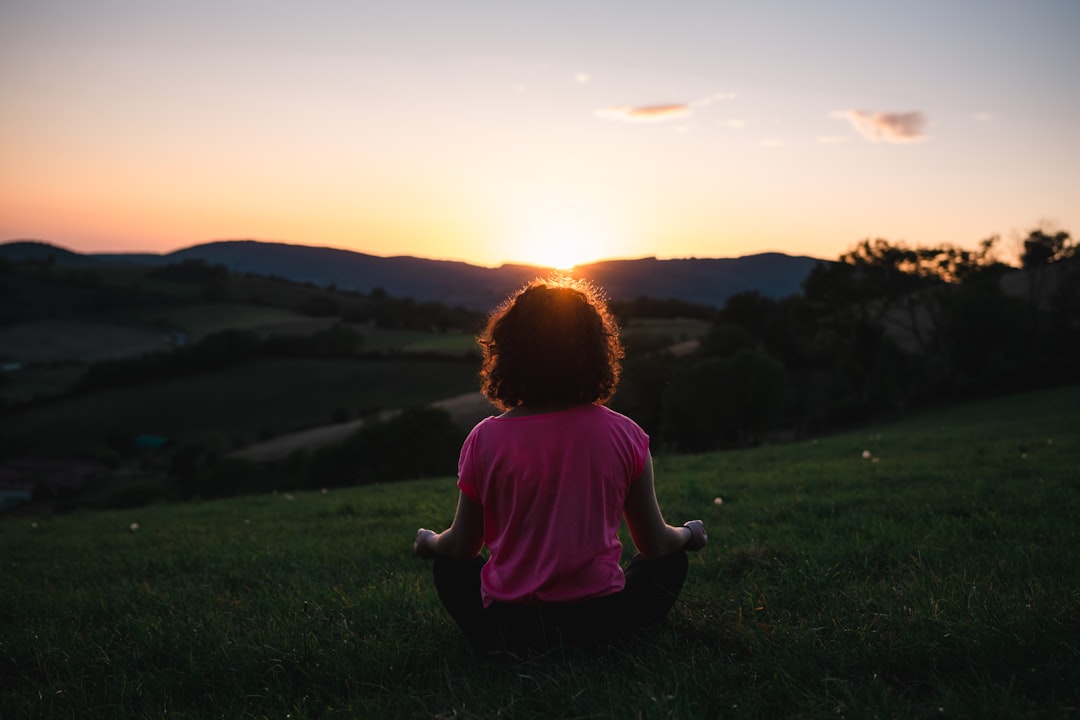
Spiritual transformation rarely happens through occasional effort. Consistency is what creates lasting change.
A balanced spiritual routine might include:
Morning meditation
Gratitude journaling
Prayer or reflection
Mindful movement
Reading inspirational wisdom
Evening self-reflection
These daily spiritual practices help maintain alignment and support long-term well-being.
The goal is not perfection but steady progress.
The Connection Between Spirituality and Mental Health
Research and personal experiences alike suggest that spirituality can contribute positively to mental health.
Spiritual practices encourage mindfulness, purpose, self-awareness, and emotional regulation. These qualities can help individuals navigate life's challenges with greater resilience and confidence.
While spirituality should not replace professional medical or psychological care when needed, it can serve as a valuable complement to overall wellness efforts.
A balanced approach often includes caring for both the inner and outer aspects of life.

Achieving mental, emotional, and physical balance is not about eliminating every challenge. It is about developing the inner strength and awareness needed to navigate life with grace and clarity.
Through mindfulness meditation, gratitude, prayer, self-reflection, yoga, journaling, and conscious living, you can cultivate deeper spiritual wellness and experience meaningful personal transformation.
The journey toward balance begins with small, consistent steps. As these spiritual practices become part of your daily routine, you may discover greater inner peace, emotional resilience, and a stronger connection to yourself and the world around you.
Remember, true well-being is not found in perfection. It is found in harmony between the mind, body, and soul.
Personal Session
Looking for personalized spiritual guidance? A one-on-one personal session can help you gain clarity, overcome emotional blocks, strengthen your spiritual journey, and navigate life's challenges with confidence. Book your personal session today and take the next step toward inner peace, balance, and transformation.
Book Now