

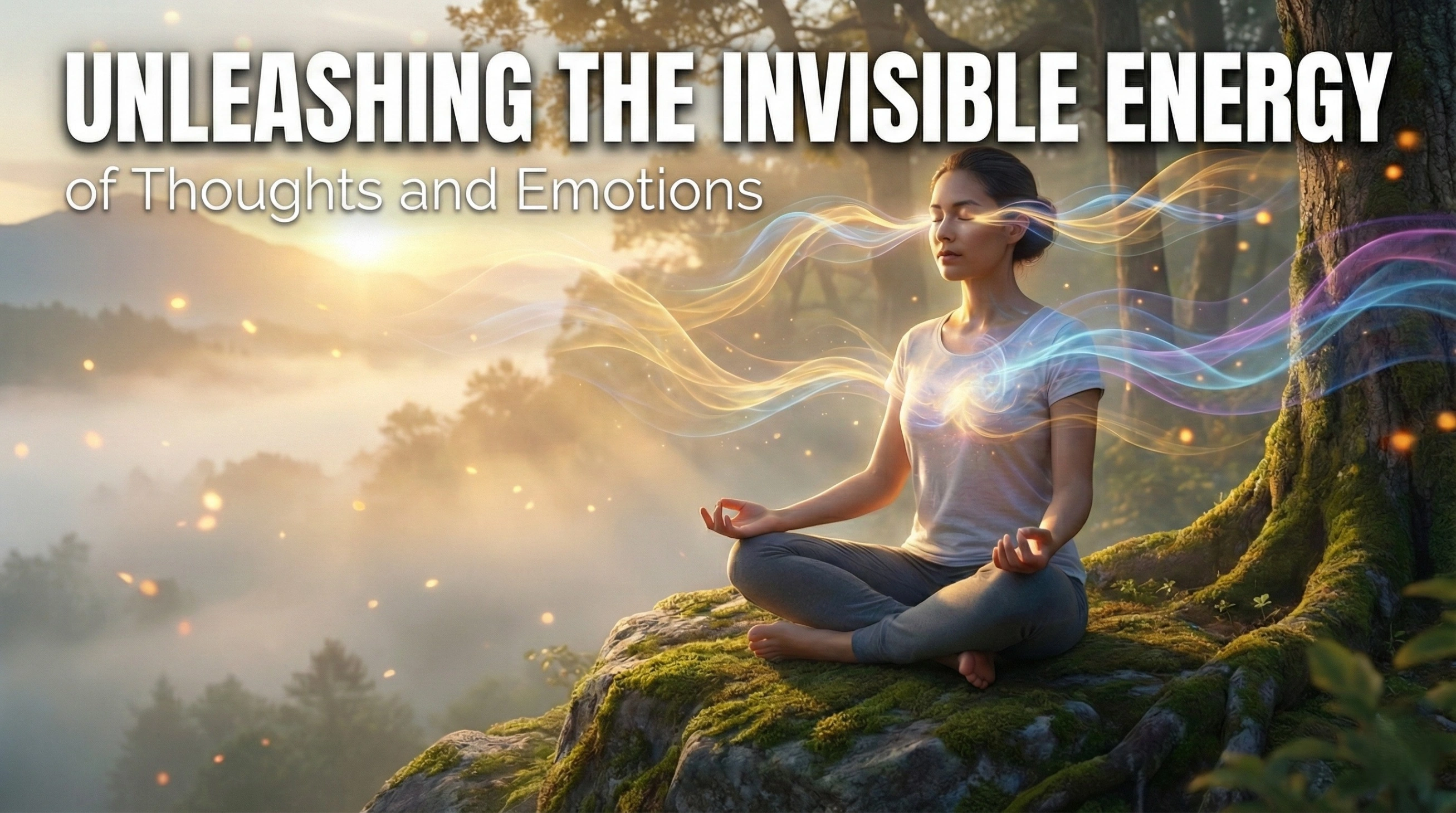
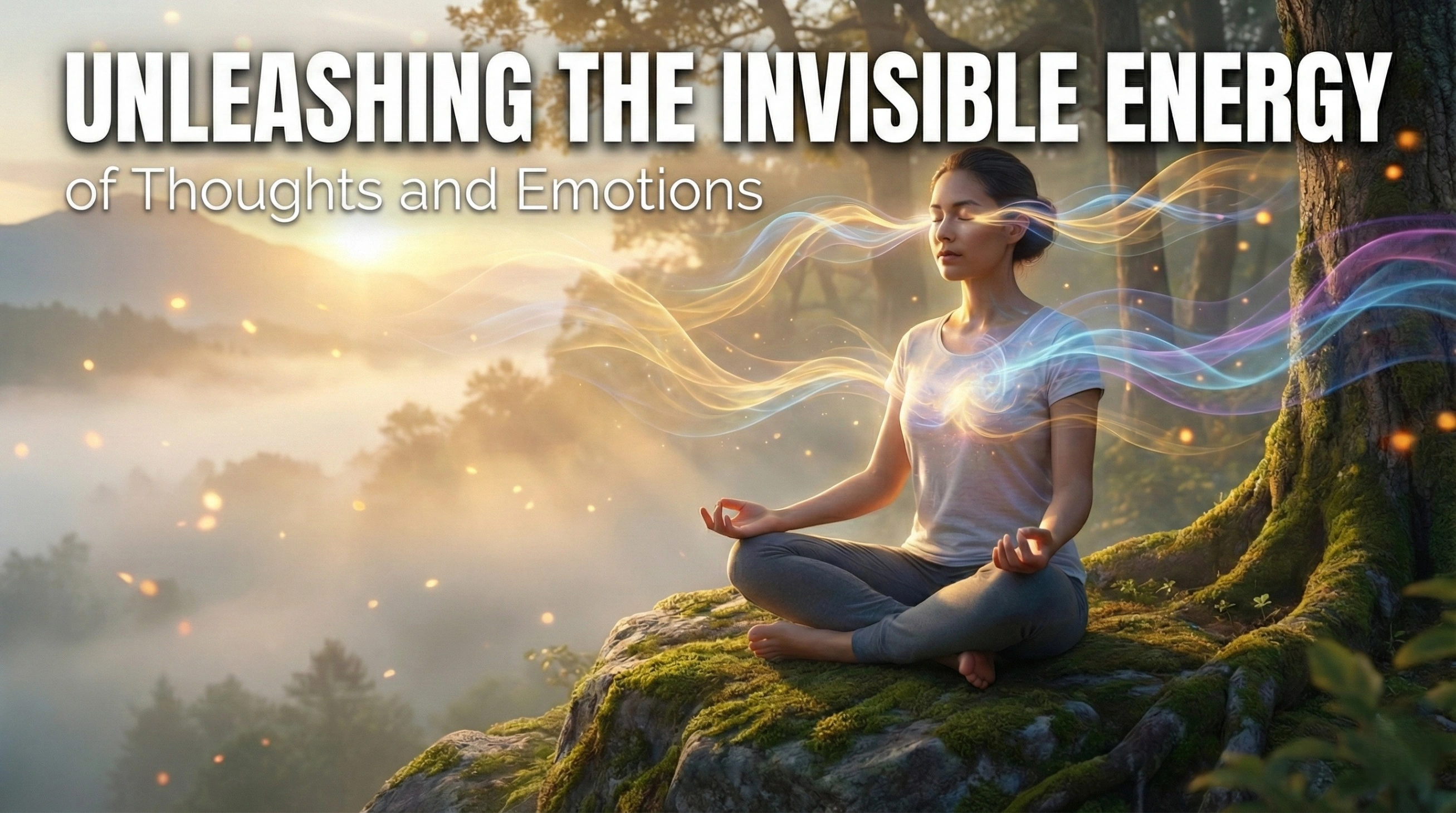
The power of thoughts and the energy of emotions is a concept that is invisible yet profoundly impactful. From the moment we wake up to the moment we fall asleep, our mind is continuously generating energy through thoughts and feelings. The mind and energy connection is central to how we perceive and interact with reality. By understanding how thoughts affect reality and how emotional energy influences our life, we can harness this invisible energy for personal growth, improved decision-making, and a healthier mindset.
Research in neuroscience and psychology highlights that emotions and thoughts are more than fleeting experiences; they create measurable changes in the brain and body. Positive emotions can improve mental clarity, enhance focus, and elevate motivation, while negative emotions can deplete energy, increase stress, and even influence physical health. The invisible energy of thought and feeling is, therefore, not only a spiritual concept but a practical one.
Understanding the Invisible Energy of the Mind
Every thought you generate carries subtle energy. Positive thoughts such as gratitude, hope, or creativity create uplifting vibrations that enhance mental clarity and emotional well-being. On the other hand, negative thoughts like worry, anger, or fear drain energy and cloud judgment. This energy, though invisible, shapes behavior, mood, and even relationships.
The science behind thoughts and energy is rooted in both neuroscience and psychology. Brainwaves, neurotransmitters, and emotional regulation all demonstrate that thoughts are not just mental events; they create physical and energetic changes in the body. Emotional energy amplifies these effects, making awareness and conscious management of thoughts critical for a fulfilling life.

How Thoughts Affect Reality
It might seem abstract, but thoughts do affect reality in meaningful ways. Your mindset determines how you perceive challenges, approach opportunities, and interact with others. Positive thinking doesn’t just improve mood; it influences behavior and life outcomes. When you focus on solutions rather than problems, your energy shifts toward constructive actions, increasing the likelihood of success.
The law of attraction provides a practical example of this phenomenon. According to this principle, the energy of your thoughts and emotions attracts similar energy from the universe. By maintaining positive mental and emotional energy, you align your actions with desired outcomes, creating a feedback loop of success and growth.
The Mind-Body Energy Connection Explained
The mind and body share a profound energy connection. Thoughts and emotions can trigger physiological responses; such as increased heart rate, tension, or relaxation demonstrating the tangible impact of invisible energy. For instance, stress from negative thoughts releases cortisol, which can harm physical and mental health. Conversely, positive emotions like joy or gratitude stimulate dopamine and serotonin, increasing motivation and energy.
Understanding this mind-body energy connection is crucial. It allows you to recognize the ways in which thoughts and emotions influence not just mental clarity but overall health. Techniques such as meditation, mindfulness, and controlled breathwork enhance this connection, enabling conscious management of both mental and emotional energy.
Techniques to Harness the Energy of Thoughts and Emotions
Mindfulness Meditation: Observing thoughts without judgment helps identify energy patterns and redirect negative emotions.
Gratitude Journaling: Recording positive experiences amplifies emotional energy and focuses attention on abundance.
Visualization: Imagining desired outcomes channels thought energy toward achieving real-life goals.
Affirmations: Repeating positive statements reinforces constructive thought patterns and strengthens mental energy.
Breathwork and Energy Practices: Controlled breathing and energy-focused practices such as Reiki or Qi Gong help regulate emotional energy and restore balance.
Consistently practicing these techniques allows for alignment of thought and emotional energy with your life objectives, fostering clarity, focus, and well-being.
Effects of Positive and Negative Thoughts on Energy
Positive thoughts create emotional energy that motivates, inspires, and improves resilience. They expand awareness, open new possibilities, and facilitate decision-making. For example, approaching a career challenge with optimism often leads to innovative solutions and constructive actions.
Negative thoughts, conversely, act as energy drains. Chronic self-doubt, worry, or fear can block mental clarity, reduce focus, and decrease emotional resilience. Recognizing these patterns is the first step toward transforming energy. By replacing negative thought patterns with constructive, positive ones, you consciously redirect energy to support personal growth and success.

How Emotions Influence Your Energy Field
Emotions act as amplifiers for thought energy. When you experience strong emotions whether positive or negative; they resonate throughout your mind-body system, influencing energy flow and decision-making. Positive emotions like joy, love, and gratitude increase energy, focus, and creativity. Negative emotions like anger, resentment, or anxiety can cause energetic blockages that affect mental clarity and physical well-being.
Awareness and conscious management of emotional energy are crucial. Techniques such as emotional labeling, energy release practices, and positive reinforcement help maintain a balanced energy field. This awareness allows you to direct energy toward constructive outcomes rather than letting unconscious emotions control your life.
Ways to Transform Energy Through Thoughts and Emotions
Transforming energy through conscious thought and emotion involves several practical strategies:
Emotional Awareness: Recognize and label emotions to understand their energy.
Energy Release Practices: Techniques like journaling, movement, or creative expression help release stagnant energy.
Positive Reinforcement: Surround yourself with uplifting people and environments to sustain high emotional energy.
Self-Compassion: Practicing self-kindness prevents negative emotions from draining energy.
By applying these methods, you can transform invisible energy into a powerful tool for growth, clarity, and goal achievement.
The invisible energy of thoughts and emotions is a subtle yet powerful force shaping our lives. Understanding this energy, how it affects reality, and how to harness it through practical techniques can lead to profound personal growth. Positive thoughts and constructive emotional energy enhance well-being, improve decision-making, and align actions with life goals.
Every thought carries energy. Every emotion resonates through your mind and body. By consciously managing this invisible energy, you can unlock your potential, improve mental clarity, and create a more intentional and fulfilling life. Harnessing the power of thoughts and emotional energy is not just a philosophical idea; it is a practical approach to living with purpose, clarity, and success.