
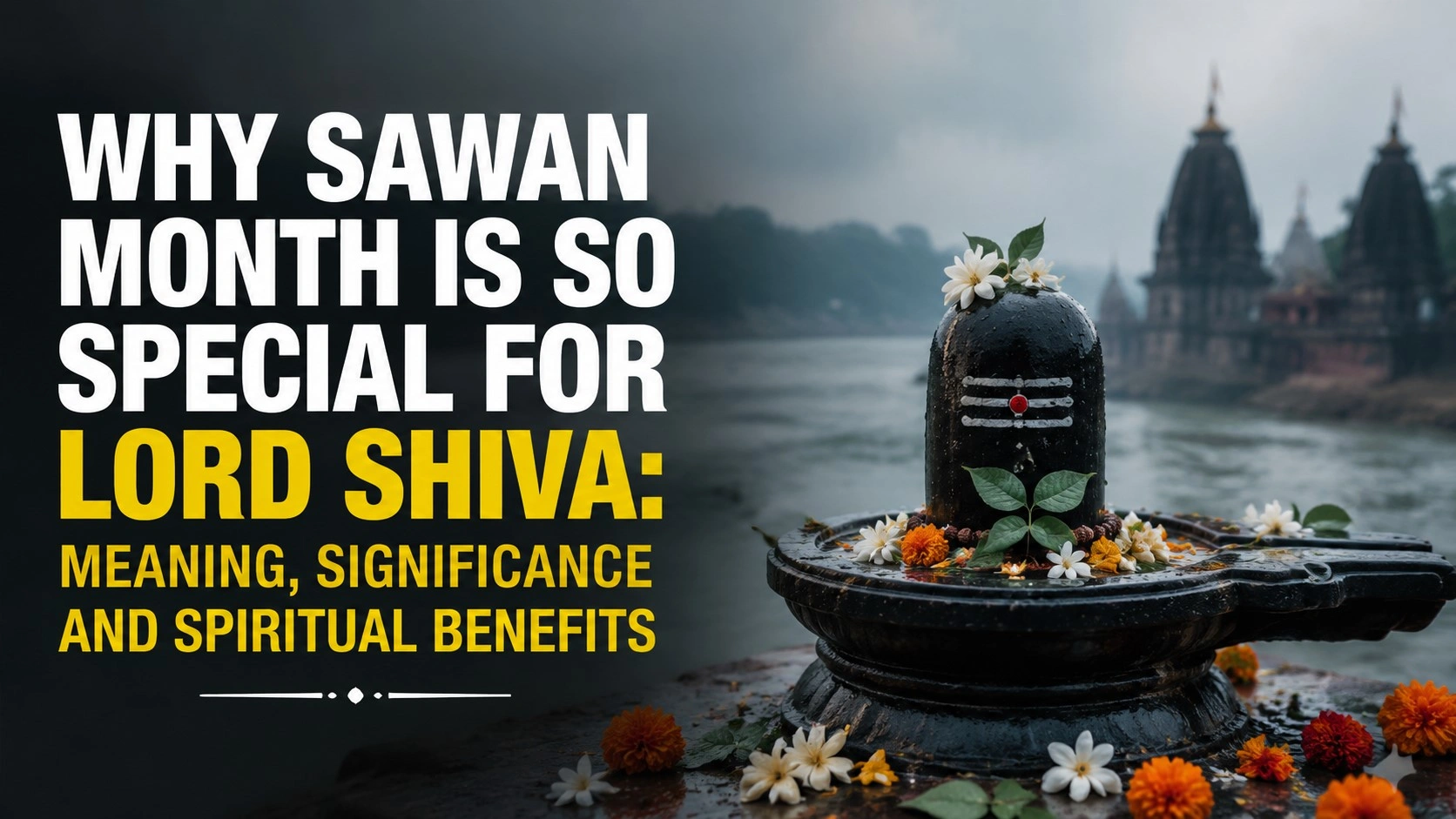
When the first drops of monsoon touch the earth, millions of devotees turn their hearts towards Lord Shiva. Temples begin to echo with chants of “Har Har Mahadev,” devotees carry Kanwar Yatras, and homes become filled with prayers and meditation. This sacred period is known as Sawan Month, also called Shravan Month or Shravan Maas.
The Sawan Month Significance goes far beyond rituals, fasting, and temple visits. It represents a spiritual journey where devotees seek purification of the mind, control over desires, and a deeper connection with divine consciousness.
Sawan is considered one of the most auspicious months dedicated to Lord Shiva because it represents the qualities that Shiva himself embodies: stillness, transformation, compassion, detachment, and inner awareness.
For millions of Shiva devotees, Sawan is not just a month on the calendar. It is an opportunity to move inward, remove negativity, and awaken the divine energy within.
The Divine Connection Between Sawan and Lord Shiva
The relationship between Sawan and Lord Shiva is deeply rooted in Hindu spiritual traditions. This sacred month is believed to carry powerful spiritual energy that supports devotion, meditation, and self-discipline.
Lord Shiva is known as Mahadev, the supreme consciousness. Unlike many divine forms associated with external abundance, Shiva represents the inner journey of transformation.
He teaches humanity that true strength comes from mastering the mind, overcoming ego, and remaining balanced through life’s challenges.
Sawan reflects this same message.
The monsoon season transforms dry land into a source of life and growth. Similarly, Sawan encourages human beings to transform their inner world by removing emotional negativity and cultivating peace.
Just as rain cleanses the earth, spiritual practices during Sawan are believed to cleanse the mind and soul.
Design Your Destiny
Through Design Your Destiny, discover powerful tools for self-awareness, conscious living, and personal transformation. Learn how to overcome limiting patterns, develop clarity, and create a life aligned with your true purpose.
Strat Your Journey Today!Why Is Sawan Considered the Most Auspicious Month for Lord Shiva?
The importance of Sawan Month for Lord Shiva is connected with various spiritual stories and beliefs.
One of the most popular stories relates to the Samudra Manthan, the cosmic event where gods and demons churned the ocean to obtain divine nectar. During this process, a deadly poison called Halahala emerged that threatened all creation.
To protect the universe, Lord Shiva consumed the poison and held it in his throat. Because of this, he became known as Neelkanth, the one with the blue throat.
Devotees believe that the water offered to Shiva during Sawan symbolises cooling and honouring this act of sacrifice.
But the deeper spiritual meaning goes beyond the story.
Shiva accepting poison represents a powerful life lesson:
A spiritually awakened person does not run away from difficulties. Instead, they develop the strength to transform challenges into wisdom.
Sawan reminds us to develop this quality of Shiva consciousness within ourselves.
The Hidden Spiritual Meaning of Sawan Month
Many people associate Sawan only with fasting, rituals, and temple visits. However, the deeper meaning of this sacred month lies in inner transformation.
Sawan Represents Inner Purification
The human mind constantly carries stress, fears, attachments, and negative emotions. Spiritual practices during Sawan encourage individuals to cleanse these mental patterns.
Fasting is not only about avoiding certain foods. It represents discipline over desires.
Prayer is not only about asking for blessings. It represents surrender and gratitude.
Meditation is not only about relaxation. It represents discovering the awareness within.
Sawan Teaches the Power of Surrender
Lord Shiva is often shown sitting in deep meditation on Mount Kailash. His peaceful presence represents complete acceptance of life.
Sawan teaches devotees to surrender unnecessary worries and trust the divine process.
Surrender does not mean giving up. It means developing inner strength while accepting situations with wisdom.
Sawan Encourages Self-Awareness
Shiva is known as Adiyogi, the first yogi. His connection with meditation reminds humanity about the importance of turning inward.
In today's fast-paced world, where people constantly seek external achievements, Sawan offers a reminder:
True peace comes from understanding ourselves.
Sawan Somwar Vrat: Meaning and Spiritual Importance
One of the most important traditions during Shravan Month is Sawan Somwar Vrat.
Mondays are considered sacred for Lord Shiva. Devotees observe fasting, perform Shiva Puja, chant mantras, and offer prayers on Sawan Mondays.
However, the deeper purpose of fasting is self-control.
The mind often becomes controlled by desires and habits. Fasting creates awareness and teaches discipline.
Through Sawan Monday fasting, devotees practice:
Control over senses
Mental discipline
Gratitude
Devotion
Patience
Inner strength
The true value of Sawan Somwar Vrat lies in the purity of intention and devotion behind the practice.
Spiritual Benefits of Worshipping Lord Shiva During Sawan
Devotees believe that sincere Shiva worship during Sawan brings numerous spiritual benefits.
1. Creates Inner Peace
Meditation, chanting, and prayer help calm the mind and reduce emotional disturbances.
The peaceful energy associated with Lord Shiva inspires devotees to develop balance in life.
2. Removes Negative Thoughts
Sawan encourages individuals to release anger, fear, jealousy, and unnecessary attachments.
By focusing on devotion and awareness, people experience greater emotional clarity.
3. Strengthens Faith and Courage
Lord Shiva represents fearlessness and acceptance.
Devotion during Sawan helps individuals develop courage to face challenges with stability.
4. Supports Spiritual Growth
The practices of Sawan encourage self-reflection and deeper understanding of one's purpose.
It becomes a journey from external searching to inner awakening.
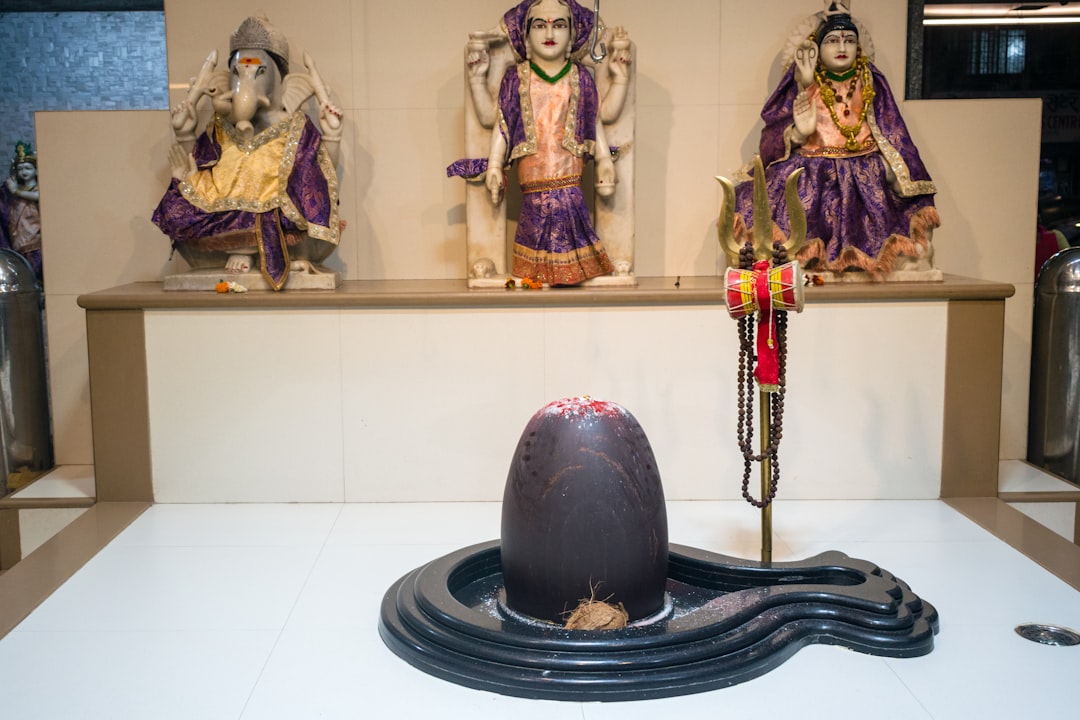
The Power of Shiva Mantra During Sawan
One of the most powerful spiritual practices during Sawan is chanting:
“Om Namah Shivaya”
This sacred mantra represents surrender to Shiva consciousness.
“Om” represents the universal vibration.
“Namah” represents surrender.
“Shivaya” represents the divine consciousness of Shiva.
Regular chanting helps create focus, calmness, and awareness.
For many devotees, mantra chanting during Sawan becomes a form of meditation that connects the individual with the divine.
Sawan and Spiritual Awakening: Finding Shiva Within
The greatest message of Sawan is that Shiva is not only found in temples.
The true essence of Shiva exists within every individual as consciousness, awareness, and inner peace.
When we become aware of our thoughts, control our reactions, and live with compassion, we begin experiencing Shiva consciousness.
Sawan becomes a reminder that spirituality is not separate from daily life.
It is reflected in:
How we treat others
How we handle difficulties
How consciously we live
How peacefully we respond
Sawan 2026: Bringing Ancient Wisdom Into Modern Life
As people search for Sawan 2026, Sawan Somwar 2026 dates, and Sawan Puja Vidhi 2026, the deeper purpose remains the same.
Modern life is filled with stress, distractions, and constant pressure. Sawan provides an opportunity to pause and reconnect with inner peace.
Even small spiritual practices can create transformation:
Spending a few minutes in meditation
Chanting Shiva mantras
Practicing gratitude
Helping others selflessly
Letting go of negativity
The essence of Sawan is not perfection. It is conscious living.
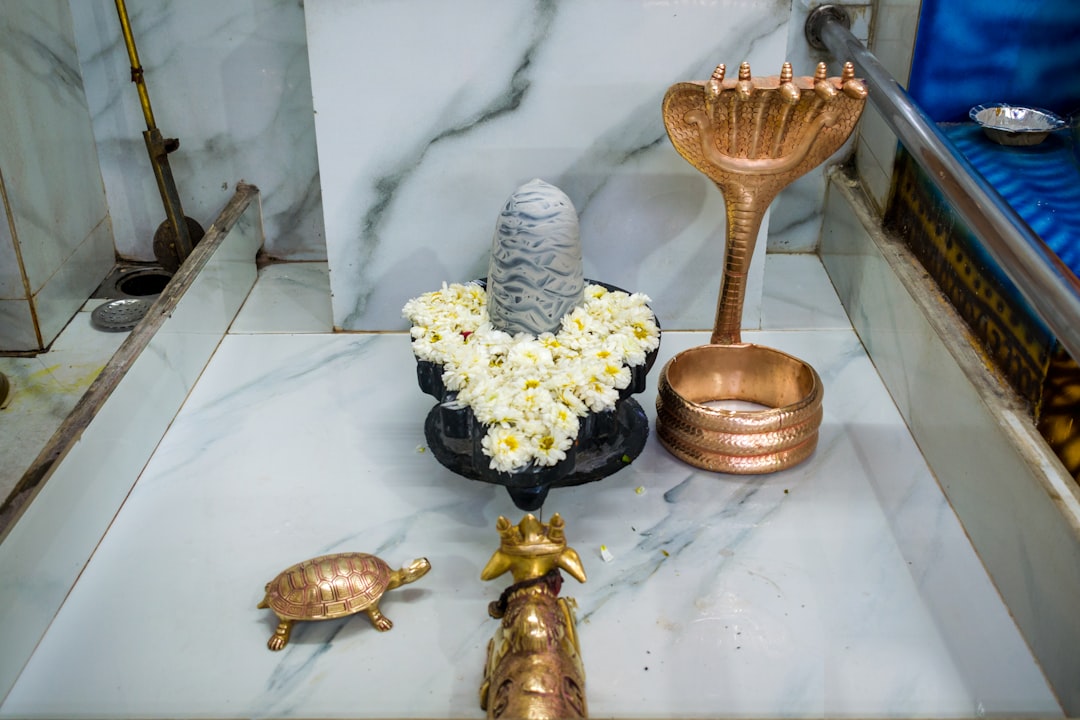
Sawan Is a Journey From Devotion to Transformation
The true Sawan Month Significance lies in its ability to transform the devotee from within.
This sacred month teaches us the greatest lessons of Lord Shiva: remain peaceful in chaos, accept challenges with courage, and discover the divine presence within yourself.
Sawan is not only about worshipping Shiva outside. It is about awakening Shiva within.
When devotion becomes awareness and rituals become transformation, Sawan becomes a journey towards spiritual growth, inner peace, and self-realization.
Har Har Mahadev.
Personal Session
Every transformation begins with understanding yourself deeply. Book a personal session to receive personalised guidance on your emotional patterns, spiritual growth, and life journey.
Book Now