
In today’s fast-moving world, almost everyone is searching for peace of mind. Whether it is students facing academic pressure, professionals dealing with work stress, or seniors looking for emotional balance, the desire for inner peace has become universal. This is why more people are turning toward meditation for inner peace and mental wellness.
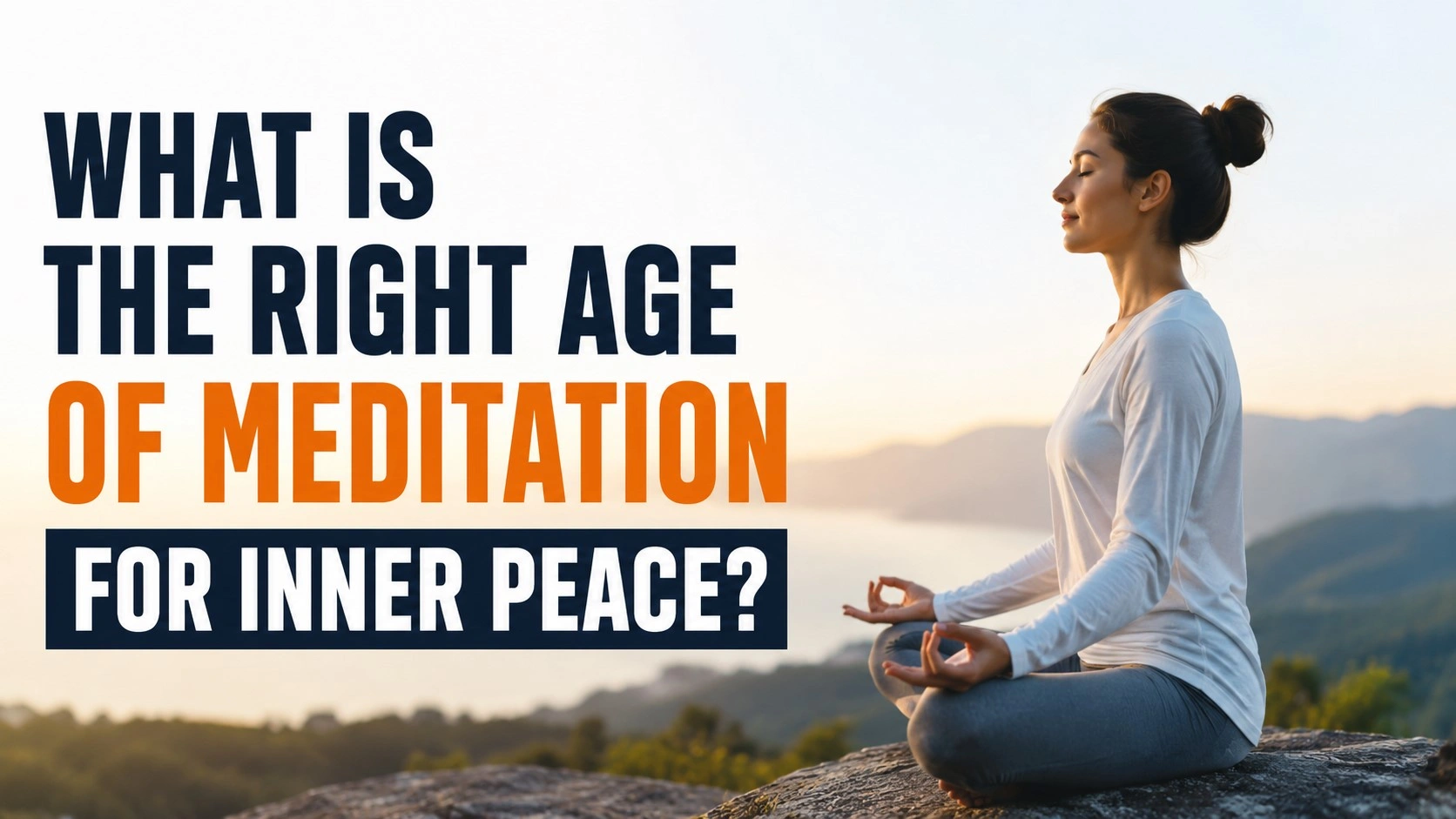
One common question many people ask is: What is the right age for meditation? The truth is simple, there is no perfect age to start meditation. Meditation is a lifelong practice that can benefit people at every stage of life. From young children learning focus to adults managing stress and seniors seeking calmness, meditation works differently yet beautifully for everyone.
The best age to start meditation is simply the age when a person becomes willing to understand themselves better. Meditation is not limited by age, profession, or lifestyle. It is a natural practice that helps create self awareness, emotional balance, positive thinking, and a calm mind.
Why Meditation Is Important Today
Modern lifestyles are filled with distractions, stress, overthinking, and emotional pressure. People spend hours on screens, constantly consuming information, which often leads to anxiety, lack of focus, and mental exhaustion.
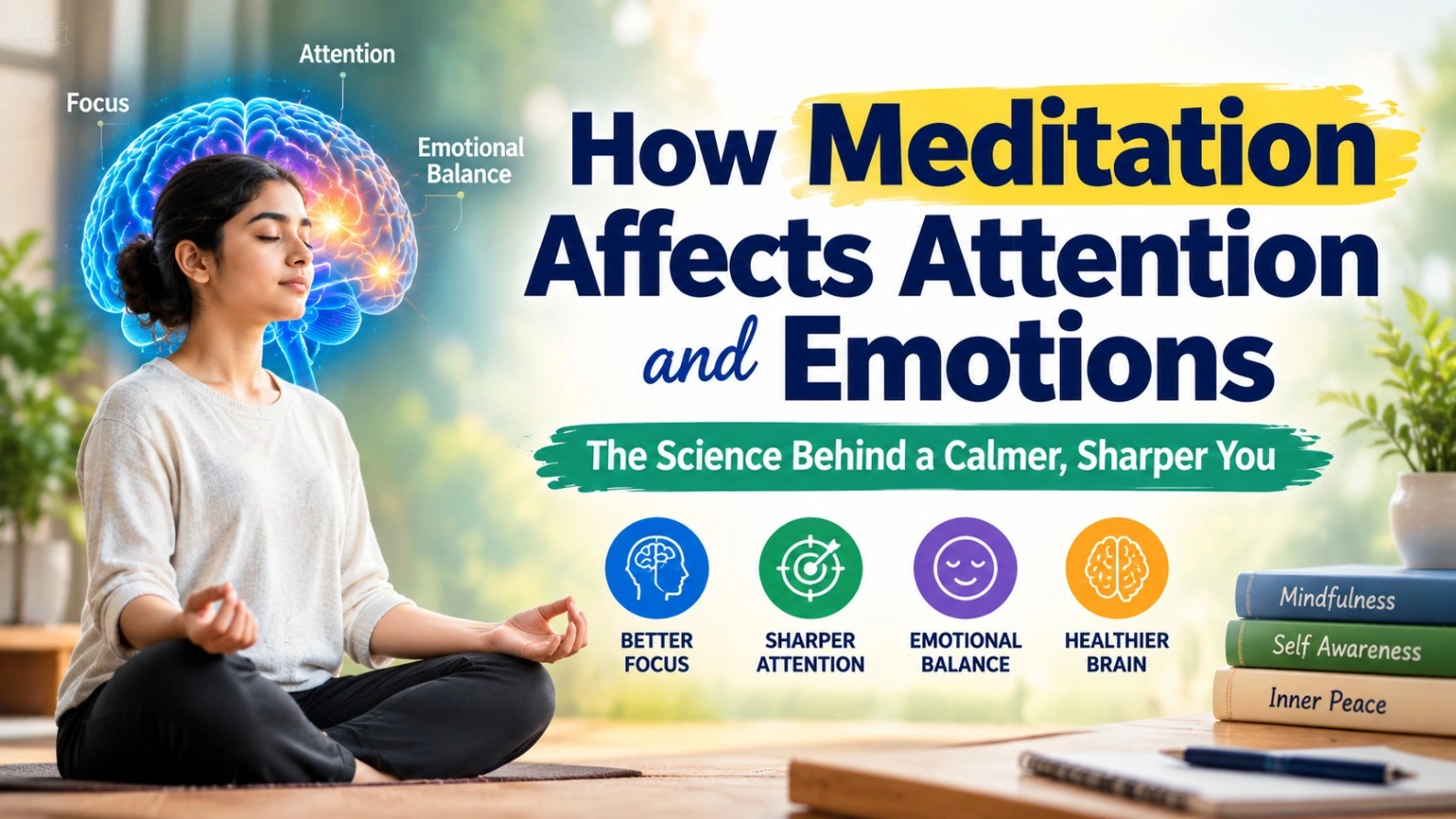
Meditation helps slow down the mind. It teaches people how to observe their thoughts instead of becoming trapped in them. This is why mindfulness meditation and daily meditation practices are becoming increasingly popular worldwide.
The benefits of meditation include:
Better emotional balance
Reduced stress and anxiety
Improved focus and concentration
Better sleep quality
Increased positivity
Mental clarity
Spiritual growth
Inner peace and happiness
Meditation is not about escaping life. It is about learning how to live life with awareness and calmness.
Design Your Destiny
Your mind shapes your life. When your thoughts become peaceful, your life begins to transform naturally. Join the Design Your Destiny Program and learn powerful meditation techniques to create emotional balance, positive thinking, self awareness, and inner peace in daily life.
Start Your JourneyIs There an Ideal Age to Meditate?
Many people think meditation is only for adults or spiritual seekers. In reality, meditation for all age groups is possible. Every age experiences unique challenges, and meditation supports each stage differently.
Children can use meditation to improve concentration and emotional awareness. Teenagers can use it to manage peer pressure and confusion. Adults benefit from stress relief and mental peace, while seniors experience emotional stability and spiritual calmness.
The ideal age to meditate is whenever a person feels ready to create a healthier relationship with their mind.
Meditation for Kids
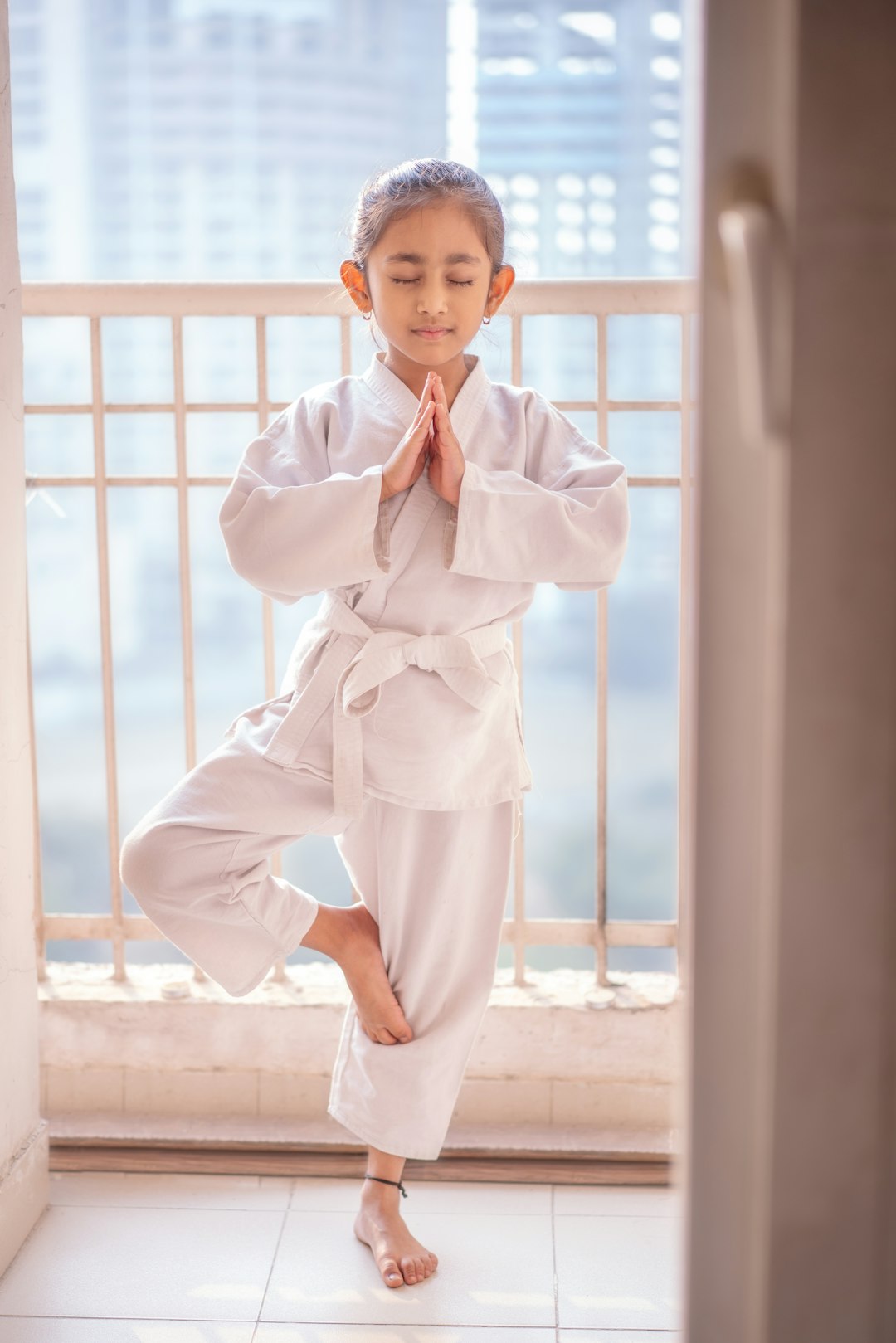
Parents often ask, Can children do meditation? The answer is yes. Meditation for kids can be extremely helpful when practiced in simple and playful ways.
Children today are exposed to digital distractions from an early age. Meditation helps improve focus, patience, emotional control, and self confidence.
Simple breathing exercises, gratitude practices, and short mindfulness sessions are excellent beginner meditation tips for children. Even five minutes of calm breathing daily can make a difference.
Benefits of meditation for school students include:
Better concentration
Reduced anger and frustration
Improved memory
Emotional balance
Better sleep and relaxation
Meditation habits for students can help create lifelong emotional strength.
Meditation for Teenagers
Teenage years are often emotionally intense. Social pressure, academic expectations, identity confusion, and screen addiction can create mental stress.
Meditation for teenagers helps calm the mind and improve emotional awareness. It gives young people the ability to pause before reacting impulsively.
Mindfulness and inner peace practices are especially useful for teenagers because they improve self control and reduce overthinking.
Teenagers who meditate regularly often experience:
Better emotional stability
Increased focus during studies
Less anxiety and stress
Improved confidence
Better decision-making ability
Teaching meditation at this stage can create powerful lifelong habits.
Meditation for Adults
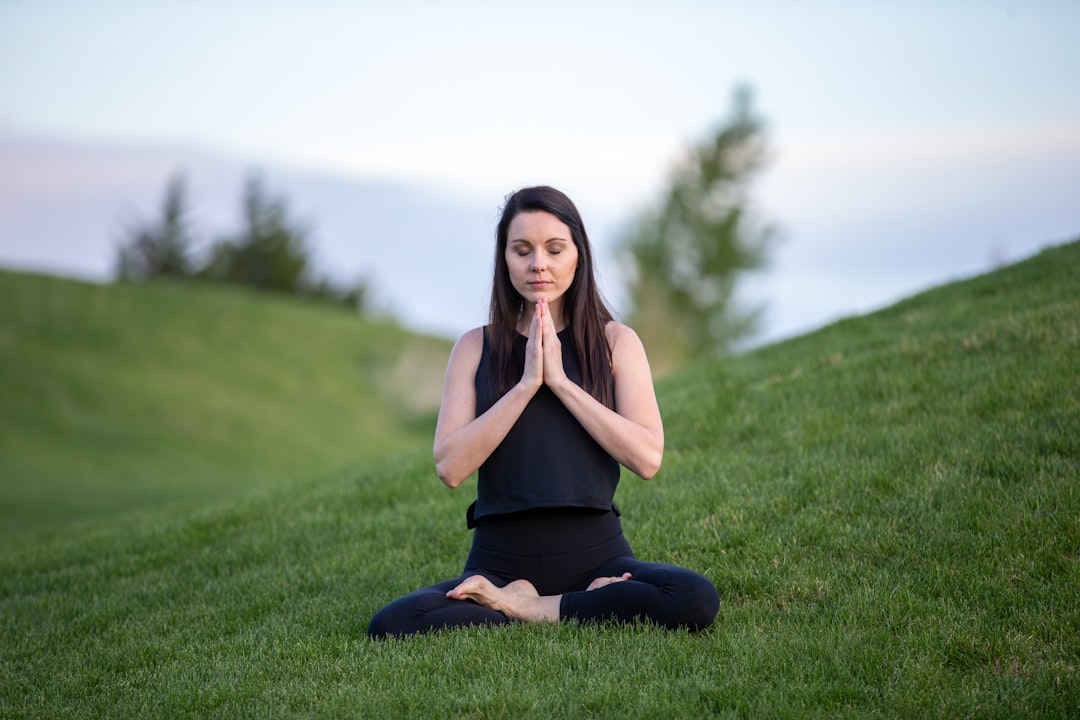
Adults often carry the heaviest mental burden. Work pressure, financial stress, family responsibilities, and constant multitasking can lead to emotional exhaustion.
Meditation for working professionals has become increasingly common because people are realizing the importance of mental wellness.
A few minutes of daily meditation can help adults disconnect from mental chaos and reconnect with themselves.
Meditation for stress and anxiety works by slowing the nervous system and bringing attention back to the present moment. This naturally reduces mental overload.
Adults practicing meditation regularly often notice:
Improved productivity
Better emotional control
More patience in relationships
Better sleep quality
Reduced stress levels
A peaceful mind
Even beginners can start with simple breathing exercises or guided meditation for peace of mind.
Meditation for Seniors
Many seniors believe they are too old to start meditation. However, meditation for seniors can be deeply healing and peaceful.
As people age, they often seek emotional comfort, spiritual understanding, and inner stability. Meditation helps create acceptance and calmness.
Simple meditation techniques can help seniors:
Feel emotionally balanced
Reduce loneliness and anxiety
Improve sleep and relaxation
Develop spiritual awareness
Experience peaceful living
Meditation reminds people that peace is always available within them, regardless of age.
How Meditation Brings Inner Peace
People often wonder how meditation brings inner peace. The answer lies in awareness.
Most stress comes from constantly thinking about the past or worrying about the future. Meditation gently trains the mind to stay present.
When the mind becomes calmer, thoughts become clearer. Emotional reactions reduce, and people begin responding to situations more consciously.
Meditation to calm the mind works through consistent practice. Over time, people stop depending entirely on external situations for happiness.
Instead, they begin discovering peaceful life experiences from within themselves.
Different Types of Meditation for Beginners
If you are new to meditation, it is important to choose a simple and natural approach.
Here are some easy meditation techniques for beginners:
Mindfulness Meditation
This involves observing thoughts, feelings, and sensations without judgment. It improves awareness and emotional balance.
Breathing Meditation
Focusing on the breath helps calm mental noise and improve concentration.
Rajyoga Meditation
Rajyoga meditation for beginners focuses on connecting with the inner self and developing positive thinking. It helps create self awareness and spiritual growth.
Guided Meditation
Listening to calming instructions can help beginners relax more easily.
Gratitude Meditation
This practice focuses attention on gratitude and positivity, improving emotional wellbeing.
The key is consistency rather than perfection.
How to Start Meditation at Home
Many people believe meditation requires special places or complicated techniques. In reality, meditation can begin anywhere.
Here are simple steps for beginners:
Sit comfortably in a quiet place
Close your eyes gently
Focus on your breathing
Observe thoughts without reacting
Bring attention back whenever the mind wanders
Start with five to ten minutes daily. Over time, meditation becomes more natural and enjoyable.
Daily meditation slowly changes how people respond to life.
Common Misconceptions About Meditation
“Meditation Is Only for Spiritual People”
Meditation is for everyone. You do not need to follow any religion or philosophy to practice it.
“Children Cannot Meditate”
Children can meditate when techniques are made simple and engaging.
“Meditation Means Stopping Thoughts”
Meditation is not about removing thoughts completely. It is about observing them calmly.
“You Need Hours to Meditate”
Even short daily sessions can create noticeable mental and emotional improvements.
Signs Meditation Is Working
Many people expect dramatic experiences from meditation. In reality, changes are often subtle and gradual.
You may notice:
A calmer mind
Better patience
Less emotional reactivity
Improved focus
Increased positivity
Better sleep
More emotional awareness
These are signs that meditation is creating inner transformation.
Meditation and Spiritual Growth
Meditation is not only about relaxation. It is also a journey of self discovery.
As awareness deepens, people begin understanding themselves more clearly. They become less controlled by fear, anger, and negativity.
Spiritual meditation for inner peace helps people connect with deeper consciousness and emotional freedom.
This does not require isolation from life. Instead, meditation teaches people how to live more consciously in everyday situations.
Why the Best Time to Start Meditation Is Now
People often delay meditation, believing they will begin later when life becomes calmer. But life rarely becomes less busy on its own.
The best age to start meditation is simply the present moment.
Whether you are a child, teenager, adult, or senior, meditation can help improve emotional health and create mental peace.
Starting small is enough. What matters most is consistency and sincerity.
Meditation is not about becoming perfect. It is about becoming peaceful, aware, and emotionally balanced.
Book a Personal Session
Feeling mentally exhausted, emotionally overwhelmed, or spiritually disconnected? Book a personal session to receive practical guidance on meditation, mindfulness, emotional healing, and creating a peaceful life from within.
Book Now