

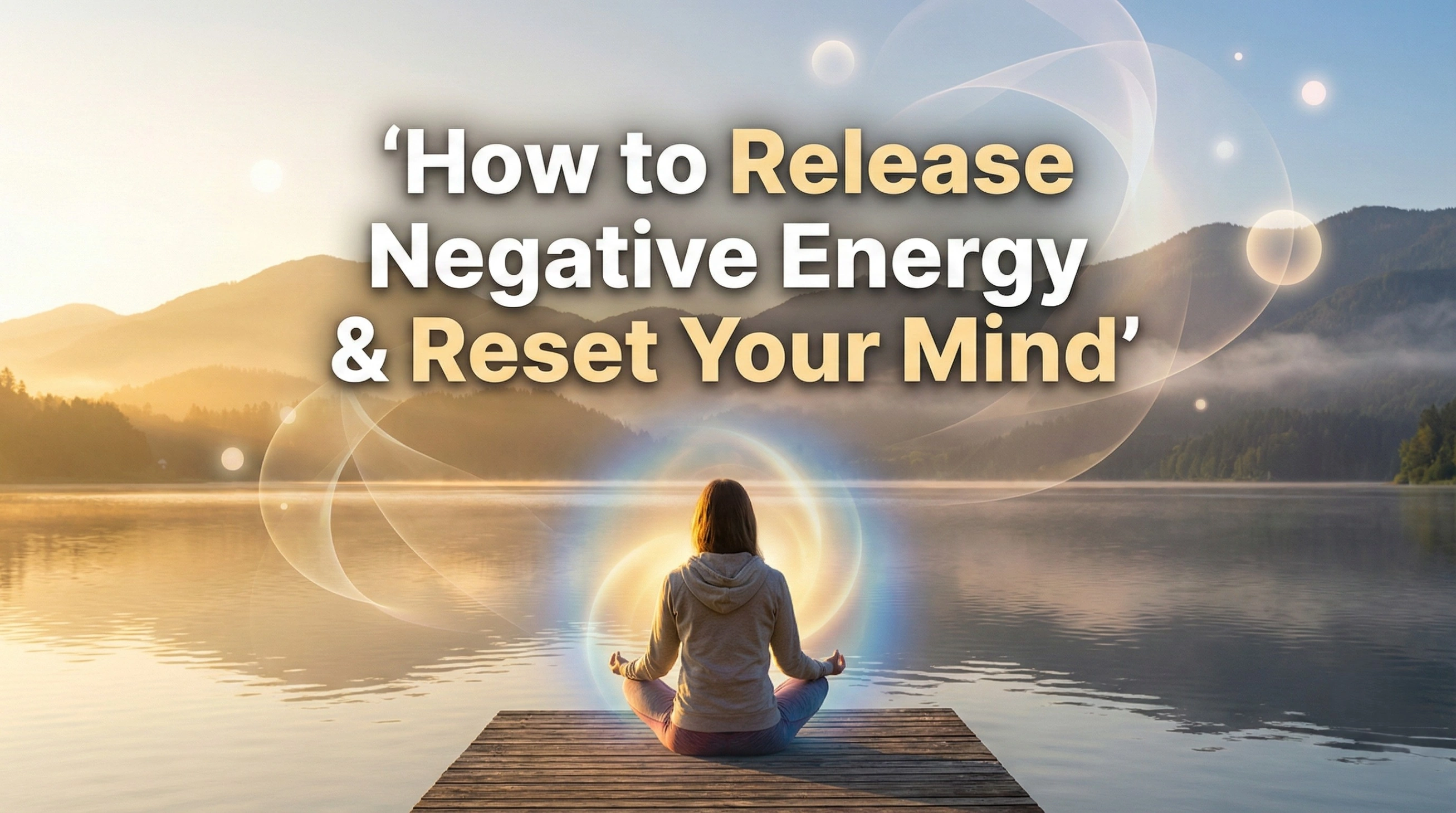
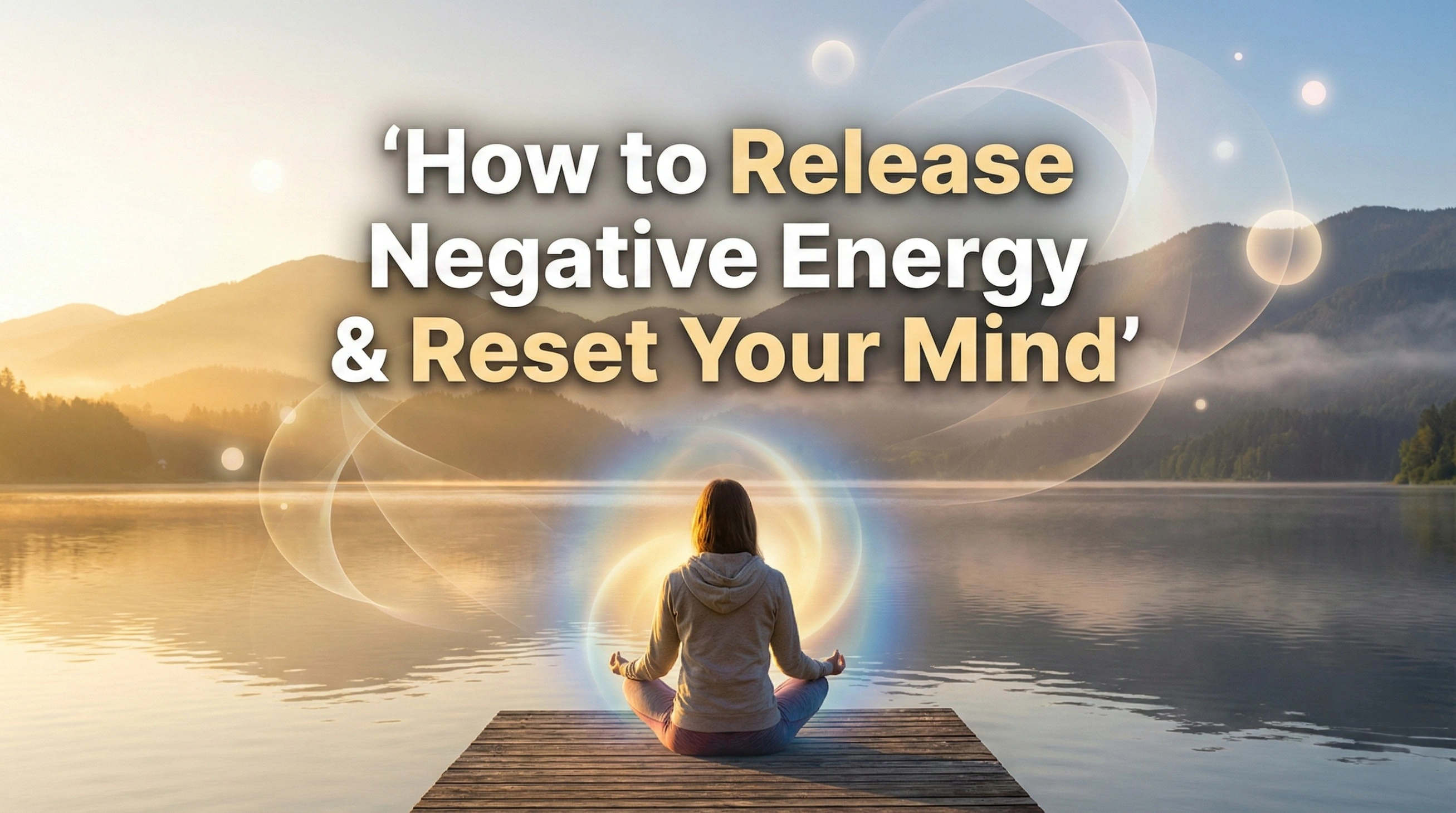
The beginning of a new year is more than just a date on the calendar; it’s a powerful opportunity for renewal, healing, and inner growth. As one year ends, many people unknowingly carry emotional baggage, stress, self-doubt, and unresolved negativity into the next. This mental clutter can affect focus, emotional balance, productivity, and overall well-being.
By consciously practicing positive affirmations, mindfulness, and meditation, you can release negative energy, reset your mindset, and build a strong foundation for mental clarity and emotional resilience. These practices help you start the year with intention, awareness, and positivity.
However, meditation and mindfulness are often misunderstood. Many beginners struggle due to unrealistic expectations, misinformation, or lack of consistency. This comprehensive guide will help you understand why meditation may not work for some people, clear common misconceptions, and create a simple, practical routine to begin the year with confidence and calm.
Why Meditation Doesn’t Work for Many People
Meditation is often portrayed as a quick fix for stress, anxiety, and emotional overwhelm. When instant results don’t appear, people assume meditation isn’t effective for them. In reality, the issue lies in the approach not the practice itself.

1. Unrealistic Expectations
Many beginners expect immediate peace, happiness, or clarity. Meditation is a skill that develops gradually. Just like physical exercise strengthens the body over time, meditation strengthens mental awareness through consistent practice.
2. Misunderstanding the Purpose of Meditation
Meditation is not about stopping thoughts entirely. Thoughts are natural. The real purpose is to observe thoughts without judgment, creating awareness rather than suppression.
3. Inconsistent Practice
Occasional meditation brings limited benefits. Consistency even for a few minutes daily is essential for noticeable improvements in mental clarity and emotional balance.
4. Poor or Incomplete Guidance
Following random techniques or unverified videos without understanding the basics can lead to confusion and frustration. Proper guidance ensures a smoother and more effective meditation experience.
Common Misunderstandings Among Meditation Beginners
Beginners often carry misconceptions that limit the effectiveness of their practice:
Meditation means doing nothing: Meditation is an active mental process involving awareness and observation.
You need a perfect environment: While silence helps, meditation can be practiced anywhere at home, work, or outdoors.
Long sessions are mandatory: Short, consistent sessions of 5–15 minutes are more effective than long, irregular ones.
Thoughts must disappear: Thoughts will arise. The practice lies in gently returning focus to the breath or anchor.
Understanding these truths helps remove frustration and builds a healthier relationship with meditation.
Meditation Myths vs Facts
Myth | Fact |
|---|---|
Meditation is only for spiritual people | Anyone can meditate, regardless of beliefs |
Meditation requires an empty mind | It focuses on observing thoughts, not eliminating them |
You must meditate for an hour | Short daily sessions are highly effective |
Meditation always feels calm | Calmness develops gradually with practice |
Recognizing these myths allows you to meditate with realistic expectations and greater success.
Breaking Negative Thought Patterns with Positive Affirmations
Positive affirmations are one of the fastest ways to shift mental energy. These simple, intentional statements help replace negative self-talk with constructive beliefs.

How Positive Affirmations Help
Rewire the brain: Repetition creates new neural pathways that encourage positive thinking.
Reduce stress and anxiety: Affirmations interrupt negative thought loops.
Build confidence and resilience: They strengthen belief in your abilities and inner strength.
Daily Affirmations for Positivity
I release negativity from my mind and heart.
I am calm, focused, and emotionally balanced.
I welcome peace, joy, and positivity into my life.
I trust myself to handle challenges with clarity and strength.
Repeat affirmations aloud, write them in a journal, or set reminders on your phone. Consistency transforms mindset.
Mindfulness Exercises for Beginners
Mindfulness is the practice of being fully present in the moment. It helps reduce stress, emotional reactivity, and mental noise.
Beginner-Friendly Mindfulness Practices
1. Breath Awareness
Focus on your natural breathing. Observe each inhale and exhale. When the mind wanders, gently bring it back. Practice for 5–10 minutes daily.
2. Body Scan Meditation
Move your attention slowly through your body from head to toe, noticing sensations and releasing tension.
3. Mindful Observation
Choose a simple object and observe it deeply; its color, texture, and form. This strengthens present-moment awareness.
4. Mindful Walking
Walk slowly and consciously, noticing each step and sensation. This is ideal for people who find seated meditation challenging.
Mindfulness enhances emotional awareness, reduces stress, and cultivates inner calm.
Meditation Techniques for Stress Relief
Stress often arises from overthinking and emotional overload. Meditation helps release this tension when practiced correctly.
Common Meditation Mistakes
Forcing silence or stillness
Judging thoughts as good or bad
Expecting instant transformation
Ignoring the breath as a grounding anchor
Effective Meditation Techniques
1. Guided Meditation
Perfect for beginners, guided sessions help maintain focus and structure.
2. Loving-Kindness Meditation (Metta)
Repeat phrases like “May I be peaceful, may I be healthy” to cultivate compassion and reduce negativity.
3. Visualization Meditation
Imagine inhaling positive energy and exhaling stress and emotional heaviness.
4. Progressive Muscle Relaxation
Relax each muscle group consciously while breathing deeply, releasing both physical and mental tension.
Journaling Prompts for Mental Clarity
Journaling supports meditation by helping you process emotions and release mental clutter.
Powerful Journaling Prompts
What negative thoughts am I ready to release today?
What am I grateful for right now?
What brought me peace or joy today?
How did I respond to today’s challenges?
Writing clarifies thoughts, strengthens self-awareness, and promotes emotional healing.
How to Start the Year with a Positive Mindset
True positivity comes from a balanced daily routine that nurtures both mind and body.
Step-by-Step Routine
Morning Practice: Spend 10–20 minutes on affirmations, meditation, or mindfulness
Set Gentle Goals: Focus on emotional and mental well-being
Daily Release: Acknowledge and let go of negative thoughts
Practice Gratitude: Write 3–5 things you’re thankful for daily
Support the Body: Prioritize sleep, nutrition, and light movement
These habits train your mind toward growth, resilience, and clarity.
Start today. Dedicate just 10 minutes each morning to affirmations, mindfulness, or meditation. Download our free “Daily Positivity Journal” to track your thoughts, release negative energy, and build a healthier, happier mindset this year.
Starting the year with a calm, focused, and positive mind is a powerful gift to yourself. By combining positive affirmations, mindfulness, meditation, and journaling, you can release negative energy, reduce stress, and build lasting emotional resilience. Approach these practices with patience, consistency, and self-compassion. Your mind deserves a fresh start begin today and step into the new year with clarity, confidence, and inner peace.