
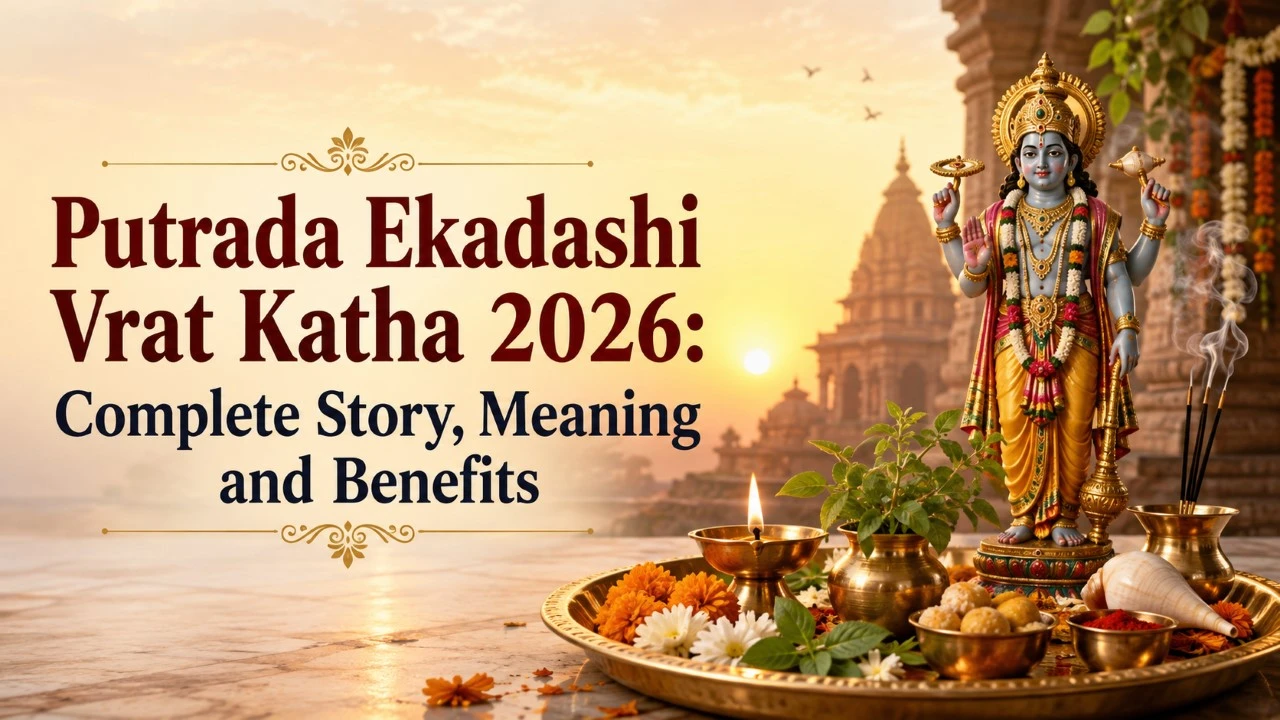
Putrada Ekadashi is one of the sacred Ekadashi observances dedicated to Lord Vishnu. The Putrada Ekadashi Vrat Katha 2026 carries a powerful message about devotion, compassion, karma, prayer, and the spiritual value of selfless action.
Observed during the Shukla Paksha of the holy month of Shravana or Sawan, this Ekadashi is commonly known as Sawan Putrada Ekadashi or Shravana Putrada Ekadashi.
Traditionally, couples seeking the blessing of children observe this vrat with devotion. Parents also worship Lord Vishnu and pray for the health, happiness, wisdom, and spiritual wellbeing of their children.
But the Putrada Ekadashi story is about much more than receiving a particular blessing. The ancient katha of King Mahijit teaches that even a seemingly small act can carry consequences, while compassion, devotion, collective prayer, and sincere spiritual effort can transform a person's inner life.
In 2026, Shravana Putrada Ekadashi is observed by most traditions on Sunday, 23 August 2026. The Ekadashi Tithi extends into the early hours of 24 August, which is why some Vaishnava calendars observe Ekadashi on 24 August. Devotees should therefore check a local Panchang for the exact timings followed by their tradition.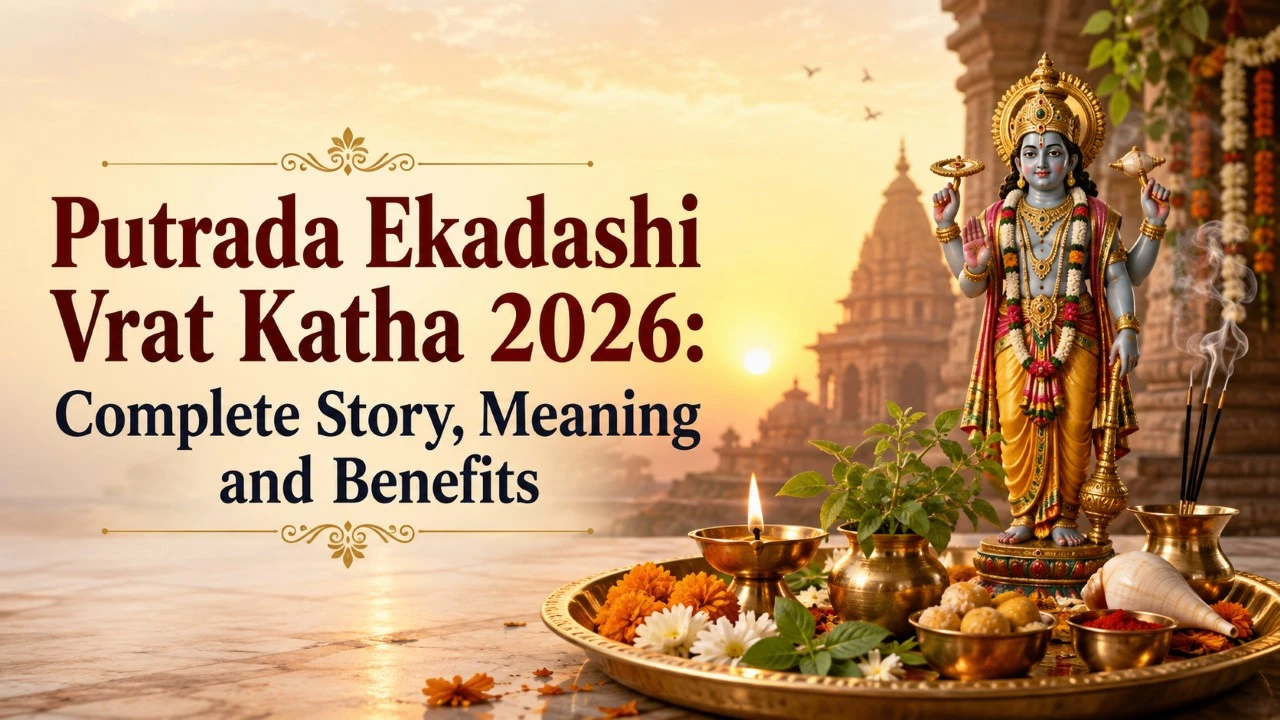
What Is Putrada Ekadashi?
Putrada Ekadashi is an Ekadashi vrat dedicated to Lord Vishnu.
The word “Putrada” traditionally means “giver of a son” or “giver of offspring.” In contemporary devotional practice, however, the observance can be understood more broadly as a prayer for the blessing, wellbeing, protection, and spiritual growth of children.
There are two Ekadashis popularly associated with the name Putrada:
Pausha Putrada Ekadashi
Shravana Putrada Ekadashi
The Shravana Putrada Ekadashi vrat katha is associated with King Mahijit of Mahishmati and Sage Lomasha.
The Padma Purana contains the account of King Mahijit, his sorrow over being childless, Sage Lomasha's explanation of his previous-life karma, and the observance of Shravana Shukla Ekadashi that ultimately brings the king the blessing he seeks.
Design Your Destiny
Your outer circumstances often begin with your inner patterns—your thoughts, reactions, beliefs and consciousness. Design Your Destiny helps you move beyond limiting patterns and understand how greater awareness can transform the way you experience relationships, challenges, success and life itself. Begin your journey of conscious transformation with Design Your Destiny and learn to create your life from awareness rather than unconscious patterns.
Start Your Journey Today!Putrada Ekadashi Vrat Katha 2026 – Complete Story
The traditional Putrada Ekadashi Vrat Katha tells the story of a righteous king named Mahijit, who ruled the prosperous kingdom of Mahishmati.
King Mahijit was respected by his people. He tried to rule according to dharma, cared for his subjects, honoured learned people, and performed his responsibilities sincerely.
He possessed wealth, authority, respect, and a flourishing kingdom.
Yet despite everything he had, the king remained deeply unhappy.
King Mahijit's Greatest Sorrow
King Mahijit had no child.
The absence of an heir caused him tremendous sorrow. According to the religious and social ideas represented in the ancient narrative, continuing one's lineage and having descendants who could perform family rites were considered important duties.
The king could not understand why this blessing remained absent from his life.
He reflected upon his actions and wondered whether he had unknowingly committed some wrongdoing.
He therefore approached the learned people of his kingdom and shared his suffering with them.
Mahijit explained that he had tried to rule justly. He had not deliberately taken another person's wealth, harmed innocent people, or neglected his responsibilities.
So he asked:
Why, despite living according to dharma, had he remained without a child?
Unable to provide an answer themselves, the king's well-wishers decided to seek spiritual guidance.
The Search for Sage Lomasha
The learned men, priests, ministers, and well-wishers of the kingdom travelled into the forest looking for an enlightened sage who could help them understand the king's situation.
Eventually, they came across the great Sage Lomasha.
Lomasha Rishi was revered for his spiritual wisdom, austerity, knowledge of dharma, and insight.
The visitors respectfully bowed before the sage and explained the reason for their journey.
They told him about King Mahijit.
They described how the king cared for his subjects like his own children, ruled according to righteousness, and yet remained deeply distressed because he had no offspring.
They asked Sage Lomasha whether there was any spiritual practice through which the king's suffering could be relieved.
Varalakshmi Vratham 2026: When to Observe the Vrat & Puja
Sage Lomasha Reveals the King's Past Karma
After hearing their request, Sage Lomasha entered meditation.
Through his spiritual insight, he perceived an incident associated with King Mahijit's previous birth.
According to the traditional Putrada Ekadashi story, Mahijit had been a merchant in a former life.
During one of his journeys, he became extremely thirsty.
Under the heat of the day, he reached a pond where a cow and her calf had also come for water.
Overcome by his own thirst, the merchant prevented the animal from drinking and took the water for himself.
The act may have appeared small, but the story presents it as a failure of compassion toward another thirsty living being.
Sage Lomasha explained that the merchant had accumulated merit through other actions, which contributed to his later birth as a prosperous king.
However, the consequence associated with that unkind action remained.
The Putrada Ekadashi katha therefore presents an important spiritual principle: outward success does not necessarily erase the consequences of our actions.
Actions rooted in selfishness, insensitivity, or lack of compassion can leave impressions that must eventually be understood and transformed.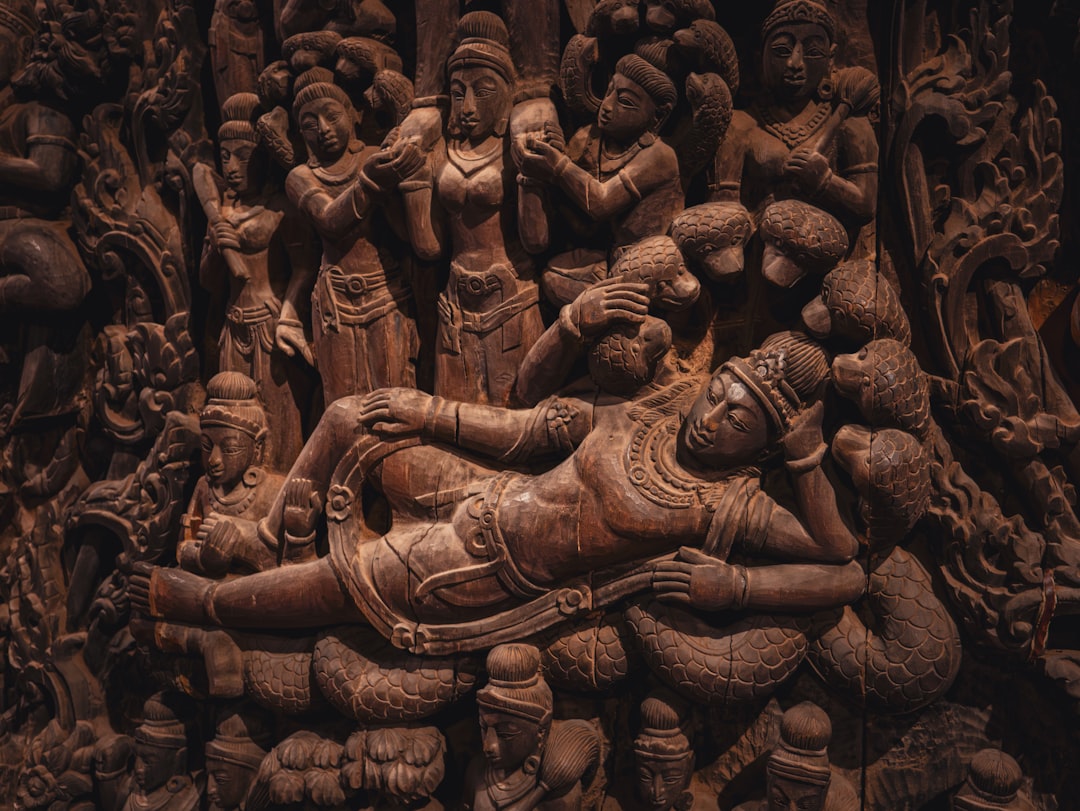
Sage Lomasha Explains the Remedy
After revealing the reason behind the king's suffering, Sage Lomasha gave the people a spiritual remedy.
He instructed them to observe the sacred Ekadashi falling during the Shukla Paksha of Shravana month.
This was Shravana Putrada Ekadashi.
The people were advised to observe the vrat sincerely, remain devoted to Lord Vishnu, keep vigil according to the traditional observance, and dedicate the spiritual merit of their practice to King Mahijit.
The king's subjects accepted the sage's guidance and returned to Mahishmati.
The People Observe Shravana Putrada Ekadashi
When the auspicious Ekadashi arrived, the people observed the vrat with devotion.
They worshipped Lord Vishnu, followed the discipline of Ekadashi and dedicated the merit of the observance to their king.
The emphasis on collective spiritual merit is one of the most beautiful elements of the Shravana Putrada Ekadashi vrat katha.
The people were not fasting merely for themselves.
They were praying for another person's wellbeing.
Their spiritual practice became an expression of compassion, loyalty, and selflessness.
According to the traditional narrative, their sincere observance bore fruit.
The queen eventually conceived and later gave birth to a radiant son.
King Mahijit's long-standing sorrow came to an end.
This is why the Ekadashi came to be associated with the name Putrada Ekadashi.
Putrada Ekadashi Meaning
The Putrada Ekadashi meaning can be understood at several levels.
On the traditional level, devotees observe the vrat to seek Lord Vishnu's blessings for progeny.
But spiritually, the katha carries a broader lesson.
It reminds devotees that every action matters.
The king's previous-life story highlights compassion toward living beings, while the response of his subjects demonstrates the power of selfless prayer.
The vrat therefore represents:
devotion to Lord Vishnu
compassion toward living beings
purification of one's intentions
discipline and self-control
prayer for family wellbeing
selfless service
awareness of karma
surrender to divine grace
The deepest lesson is that spiritual practice should transform the heart, not simply fulfil material desires.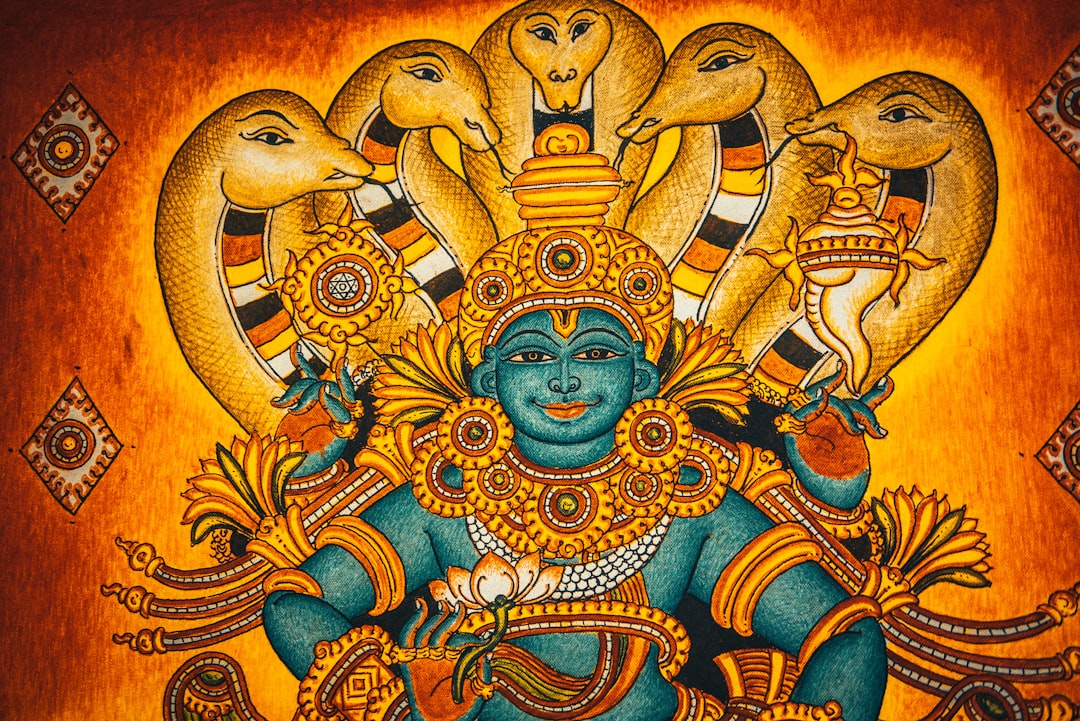
Putrada Ekadashi Significance
The Putrada Ekadashi significance lies primarily in devotion to Lord Vishnu and the spiritual discipline of Ekadashi fasting.
Ekadashi traditionally encourages devotees to reduce worldly distractions and dedicate more time to prayer, mantra, meditation, scriptural reflection, and remembrance of God.
Shravana is itself considered a sacred month in Hindu tradition, making Sawan Putrada Ekadashi especially important for many devotees.
Traditionally, couples seeking children observe the vrat together and pray for divine blessings.
Parents may also use the occasion to pray for their children's health, character, wisdom, protection, and spiritual growth.
At another level, the Putrada Ekadashi vrat story teaches that spiritual transformation begins with recognizing how our actions affect other living beings.
Putrada Ekadashi Benefits
The Putrada Ekadashi benefits described in religious tradition are both spiritual and devotional.
1. Blessings for Children
The vrat is traditionally associated with prayers for progeny and the wellbeing of children.
Couples may worship Lord Vishnu while praying sincerely for the blessing of parenthood.
Such beliefs are spiritual and should not be considered a substitute for appropriate medical advice or fertility care.
2. Strengthens Devotion to Lord Vishnu
Fasting, prayer, mantra chanting and reading sacred stories allow devotees to devote more attention to Lord Vishnu.
The purpose of the vrat is ultimately to deepen bhakti.
3. Encourages Self-Discipline
Fasting requires control over habitual desires.
The devotee temporarily turns away from indulgence and redirects attention toward prayer and contemplation.
This makes self-control one of the important Putrada Ekadashi vrat benefits.
Sawan Putrada Ekadashi: Date, Puja Muhurat & Parana Time
4. Teaches Compassion
The story of King Mahijit reminds us that spirituality cannot be separated from compassion.
The merchant's mistake was not simply drinking water it was placing his own need above the suffering of another living being.
The katha therefore asks devotees to cultivate kindness in everyday life.
5. Encourages Selfless Prayer
King Mahijit's subjects observed the vrat for their ruler and dedicated its merit to him.
Their actions teach that prayer becomes especially meaningful when it is offered selflessly for another person's wellbeing.
Spiritual Lessons from the Putrada Ekadashi Story
The Putrada Ekadashi 2026 story remains relevant because its message extends beyond ritual.
Your Actions Matter
The katha teaches the principle of karma: choices carry consequences.
Even seemingly insignificant actions reveal our state of consciousness.
Compassion Is Part of Dharma
True spirituality cannot exist without compassion.
Being considerate toward people, animals, nature, and every form of life is itself a spiritual practice.
Outer Success Cannot Replace Inner Fulfilment
King Mahijit possessed wealth and power but still carried sorrow.
The story reminds us that material success alone cannot guarantee inner fulfilment.
Prayer Can Be Selfless
Perhaps the most inspiring element of the story is that the king's people prayed for him.
Spiritual practice does not always have to revolve around “What will I receive?”
It can become:
“May someone else be blessed through my prayer.”
How to Observe Putrada Ekadashi Vrat
Devotional customs vary by region and family tradition, but a traditional observance may include:
Wake early and bathe before beginning worship.
Take a sincere Sankalp for the Ekadashi vrat.
Worship Lord Vishnu.
Offer flowers, fruits, Tulsi leaves and other traditional offerings.
Observe the Ekadashi fast according to one's capacity.
Chant Vishnu mantras or recite Vishnu Sahasranama.
Read or listen to the Putrada Ekadashi vrat katha.
Spend time in bhajan, meditation and remembrance of Lord Vishnu.
Practice charity and kindness.
Break the fast during the appropriate Dwadashi Parana period.
Those with health concerns should observe fasting according to their physical capacity and professional medical guidance.
Living the Gita Movement
The Bhagavad Gita is not merely something to be read or listened to. It is the art of awakening within oneself and experiencing the truth of life. The vision of the Living the Gita Movement is to bring the wisdom of the Gita out of books and transform it into a lived experience.
Join NowSawan Putrada Ekadashi Vrat Katha 2026 Date
For most Smarta traditions in India, Shravana Putrada Ekadashi falls on Sunday, 23 August 2026.
The Ekadashi Tithi begins in the early hours of 23 August and ends in the early hours of 24 August. Some Vaishnava calendars therefore observe Vaishnava Shravana Putrada Ekadashi on Monday, 24 August 2026.
Parana the ritual breaking of the Ekadashi fast is performed on Dwadashi and depends on location and tradition.
Always check your local Panchang or temple tradition for exact timings.
Why Is Putrada Ekadashi Important Even Beyond the Vrat?
The real Putrada Ekadashi importance becomes clear when the katha is applied to everyday life.
A person may fast for an entire day, but the spiritual purpose becomes incomplete if there is no transformation in behaviour.
The story asks us to examine:
Are we compassionate when another person needs us?
Do we consider the needs of other living beings?
Do we remain grateful for what we have?
Can we pray without selfish expectation?
Can our spiritual practices make us kinder?
Seen this way, Putrada Ekadashi becomes more than a festival date.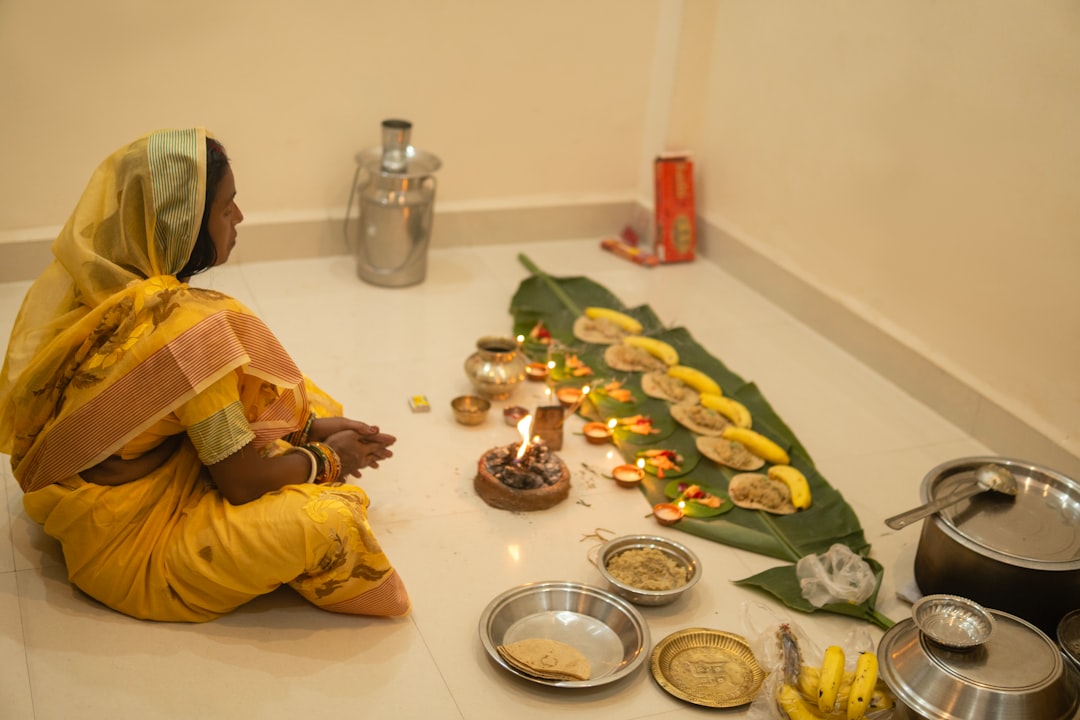
It becomes an opportunity for self-reflection.
The Putrada Ekadashi Vrat Katha 2026 is much more than an ancient story about King Mahijit receiving the blessing of a child.
It is a story of karma, compassion, devotion and transformation.
King Mahijit's previous-life action reminds us that our treatment of other living beings matters. Sage Lomasha represents spiritual wisdom that helps reveal the deeper causes behind suffering. And the king's subjects show us the extraordinary beauty of praying selflessly for another person's wellbeing.
Whether you observe Sawan Putrada Ekadashi 2026 for family blessings, spiritual purification or simply to deepen your devotion to Lord Vishnu, allow the vrat to become more than a ritual.
Fast not only from food, but also from anger, selfishness, harshness and unconscious behaviour.
Let Ekadashi become a day to return to awareness, compassion and devotion.
Personal Session
Every person's journey, challenges and questions are different. A Personal Session gives you an opportunity to receive focused spiritual guidance for the areas of life where you feel confused, stuck or ready for deeper transformation. Book a Personal Session and take the next step toward greater clarity, awareness and inner peace.
Book Now
Read Latest Articles
What You Experience After Fasting Every Monday in Sawan
Frequently Asked Questions
What is the Putrada Ekadashi Vrat Katha?
The Putrada Ekadashi Vrat Katha tells the story of King Mahijit of Mahishmati, who remained childless because of a past-life action. Sage Lomasha advised his people to observe Shravana Putrada Ekadashi and dedicate its spiritual merit to him. According to the traditional story, their devotion brought divine grace, and the queen later gave birth to a son.When is Sawan Putrada Ekadashi in 2026?
Shravana or Sawan Putrada Ekadashi is observed by most Smarta traditions on 23 August 2026. Some Vaishnava traditions observe it on 24 August 2026.Who is worshipped on Putrada Ekadashi?
Lord Vishnu is the principal deity worshipped on Putrada Ekadashi.What is the main Putrada Ekadashi story?
The traditional katha revolves around King Mahijit, Sage Lomasha and the king's subjects, who observed Shravana Putrada Ekadashi and dedicated the merit of their vrat to him.Why is Putrada Ekadashi observed?
Traditionally, devotees observe Putrada Ekadashi to worship Lord Vishnu and pray for the blessing and wellbeing of children. The observance also represents devotion, discipline, compassion and spiritual purification.What does the Putrada Ekadashi story teach?
The story teaches that actions have consequences, compassion is essential to dharma, sincere devotion can transform consciousness, and spiritual practice becomes especially meaningful when performed selflessly.