


Parivartini Ekadashi 2026 will be observed on Tuesday, September 22, 2026. Also known as Parshva Ekadashi, Parsva Ekadashi and Vamana Ekadashi, this sacred Ekadashi is observed during the Shukla Paksha of the Bhadrapada month and is dedicated to Lord Vishnu.
For people searching “Parivartini Ekadashi kab hai 2026?”, the important point is that the Ekadashi Tithi begins on the evening of September 21 but the vrat is observed on September 22 because Ekadashi prevails at sunrise that day. New Delhi-based Panchang data places the tithi at approximately 8:00 PM on September 21 to 9:43 PM on September 22, 2026.
The fast is traditionally concluded through Parana on September 23, 2026. Exact Parana timings vary according to location and the Panchang tradition being followed, so devotees should check timings for their own city before breaking the fast.
Parivartini Ekadashi 2026 Date and Time
Here are the most important Parivartini Ekadashi 2026 date and time details:
Detail | Date / Time |
|---|---|
Parivartini Ekadashi 2026 | Tuesday, September 22, 2026 |
Ekadashi Tithi Begins | September 21, around 8:00 PM |
Ekadashi Tithi Ends | September 22, around 9:43 PM |
Parana Date | Wednesday, September 23, 2026 |
Paksha | Shukla Paksha |
Hindu Month | Bhadrapada |
Worship | Lord Vishnu, especially Vamana form |
The tithi timings above are based on New Delhi/Indian Panchang calculations and may differ slightly by location. Prokerala also identifies September 22, 2026 as Bhadrapada Shukla Paksha Ekadashi, with the tithi running from the evening of September 21 through the evening of September 22.
Design Your Destiny
Spiritual wisdom becomes transformative when we begin to live it, not just read about it. With Design Your Destiny, discover practical spiritual principles that can help you understand your inner patterns, make conscious choices and move toward a life of greater clarity, peace and purpose. Begin your journey of conscious transformation with Design Your Destiny.
Start Your Journey Today!What Is Parivartini Ekadashi?
Parivartini Ekadashi is one of the Ekadashi vrats dedicated to Lord Vishnu. The word “Parivartini” comes from the idea of change or turning.
According to Hindu tradition, Lord Vishnu is believed to rest in Yoga Nidra during the Chaturmas period. Parivartini Ekadashi marks the occasion when the Lord is believed to change His sleeping position or “turn.” This is why the occasion is also known as Parshva or Parsva Ekadashi.
The day is also associated with Lord Vamana, the dwarf incarnation of Lord Vishnu, and therefore it is sometimes called Vamana Ekadashi.
Devotees observe the day through fasting, prayer, mantra chanting, charity and remembrance of Lord Vishnu. Beyond ritual fasting, Ekadashi is traditionally regarded as an opportunity to reduce external distractions and direct greater attention toward self-discipline and spiritual awareness.
Parivartini Ekadashi Kab Hai 2026?
Parivartini Ekadashi 2026 kab hai?
Parivartini Ekadashi is on Tuesday, September 22, 2026.
This question can sometimes create confusion because the Parivartini Ekadashi tithi 2026 starts during the evening of September 21. However, Ekadashi fasting is not simply started at the moment the lunar tithi begins.
Traditional Ekadashi calculations take sunrise and the presence of the Ekadashi Tithi into account when deciding the fasting day. Drik Panchang explains that the listed tithi beginning and ending times help determine the appropriate fasting date, while the vrat itself is generally observed from the relevant day's sunrise.
Therefore, the main Parivartini Ekadashi vrat 2026 is observed on September 22.
Parivartini Ekadashi Fasting Rules
The Parivartini Ekadashi fasting rules followed by devotees can differ according to family tradition, health, age and spiritual practice.
Some devotees observe a strict fast, while others follow a fruit-based or one-meal vrat. Traditional Ekadashi practices describe several forms of fasting, including water-only fasting, milk-based fasting, fruit fasting and a single permitted meal without grains.
The most important traditional rules include:
Avoid rice, wheat and other grains during the Ekadashi vrat.
Avoid ordinary pulses, beans and grain-based foods.
Choose fruits, milk, nuts and permitted vrat foods if observing a phalahari fast.
Begin the day with bathing, cleanliness and a sankalp for the vrat.
Worship Lord Vishnu with devotion.
Chant Vishnu mantras or read spiritual texts.
Avoid anger, harsh speech and unnecessary arguments.
Spend time in prayer, meditation, charity or seva.
Break the vrat through Parana on Dwadashi at the appropriate time.
Choose a level of fasting appropriate to your health and physical capacity.
Fasting should not become harmful. Children, older adults, pregnant women, people taking medication, and anyone with a medical condition should prioritize health and seek appropriate medical guidance rather than attempting a severe fast.
What Can You Eat During Parivartini Ekadashi Vrat?
People following a fruit-based or lighter fast commonly choose foods permitted by their family or regional tradition.
Typical vrat foods may include fruits, milk, curd, nuts, makhana, potatoes, sweet potatoes, sabudana, singhara and other non-grain fasting ingredients.
Drik Panchang specifically lists foods such as sabudana, singhara, sweet potato, potato and groundnuts among commonly used Ekadashi fasting foods, while noting that practices surrounding some pseudo-grains can differ.
Because customs vary significantly across regions and sampradayas, devotees should follow the tradition observed by their family or spiritual lineage.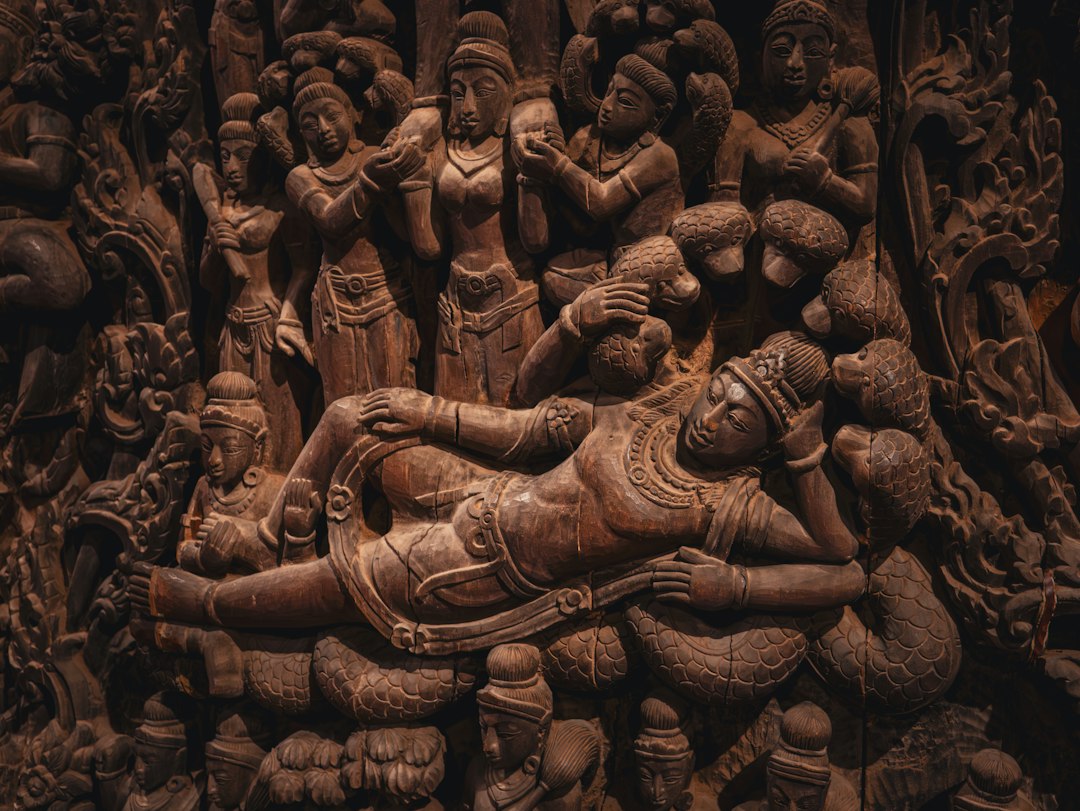
What Should Be Avoided on Parivartini Ekadashi?
Traditional Parivartini Ekadashi vrat rules generally emphasize avoiding grains and cereals.
Rice, wheat, regular flour, pulses, beans and foods prepared from prohibited grains are normally avoided by those observing the vrat traditionally. Onion, garlic, meat and alcohol are also commonly excluded from a sattvic Ekadashi diet.
The observance, however, extends beyond food. Devotees traditionally try to maintain a peaceful state of mind and reduce anger, dishonesty, excessive entertainment and other distractions.
The deeper purpose of the vrat is not simply eating less—it is creating space for conscious living, devotion and inner discipline.
Parivartini Ekadashi Puja Vidhi
A simple Parivartini Ekadashi puja can be performed at home.
Wake up early, bathe and clean the prayer space. Place an image or murti of Lord Vishnu or Lord Vamana in the puja area. Light a diya and offer flowers, fruits and other sattvic offerings according to your tradition.
Take a sankalp to observe Parivartini Ekadashi vrat 2026 with sincerity and discipline.
Devotees may chant:
Om Namo Bhagavate Vasudevaya
or
Om Namo Narayanaya
You may also recite Vishnu Sahasranama, listen to the Parivartini Ekadashi vrat katha or spend a few minutes silently remembering Lord Vishnu.
The focus should remain on bhakti, self-restraint, gratitude and awareness rather than performing rituals mechanically.
Parivartini Ekadashi Shubh Muhurat 2026
For most devotees, the central timing to know is the Ekadashi Tithi itself rather than a single compulsory puja muhurat.
For New Delhi, the Ekadashi Tithi begins around 8:00 PM on September 21 and ends around 9:43 PM on September 22, 2026.
Devotees can perform Vishnu puja after bathing in the morning and continue prayer, mantra chanting and spiritual practices during the day.
Since sunrise, Brahma Muhurta and other daily muhurat timings differ by city, anyone specifically searching for Parivartini Ekadashi shubh muhurat 2026 should verify a local Panchang for their location.
Living The Gita Movement
The Bhagavad Gita is not merely something to be read or listened to. It is the art of awakening within oneself and experiencing the truth of life. The vision of the Living the Gita Movement is to bring the wisdom of the Gita out of books and transform it into a lived experience.
Join NowParivartini Ekadashi Parana Time 2026
Parana means formally concluding or breaking the Ekadashi fast.
For Parivartini Ekadashi 2026, Parana falls on Wednesday, September 23, 2026.
Drik Panchang explains that Ekadashi Parana is traditionally performed after sunrise on Dwadashi and should not be performed during Hari Vasara. It also notes that the preferred time is generally during the morning period.
For example, its ISKCON calendar for New Delhi lists a Parana window beginning at approximately 6:10 AM on September 23.
However, exact Parivartini Ekadashi parana time 2026 varies by location and sometimes by the specific tradition or Panchang method followed. Always check your local city before planning Parana.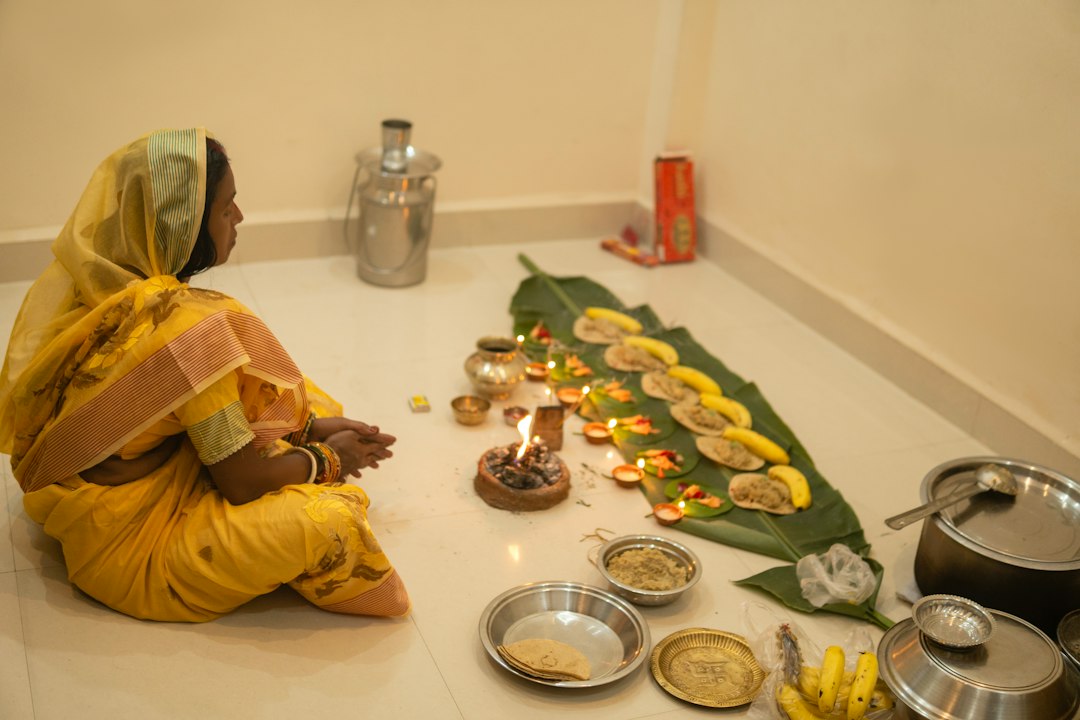
Spiritual Significance of Parivartini Ekadashi
Parivartini Ekadashi carries a beautiful symbolic message: transformation begins when we consciously change direction.
The idea of “Parivartan,” or change, can be applied to everyday life. The vrat can become an opportunity to observe our habits, thoughts and reactions.
Are we repeatedly reacting in the same way? Are we holding on to anger or fear? Are our daily choices taking us closer to peace or further away from it?
In this sense, Ekadashi can become more than a ritual. It can serve as a reminder to pause, observe ourselves and consciously choose a better response.
True spiritual practice begins when wisdom moves from something we merely know into something we actually live.
Personal Session
Every person's questions, challenges and inner journey are different. A personal session can give you focused guidance to better understand your patterns, gain clarity and take meaningful steps toward inner transformation. Book your personal session and take your next step toward a more conscious and purposeful life.
Book NowRead Latest Articles