

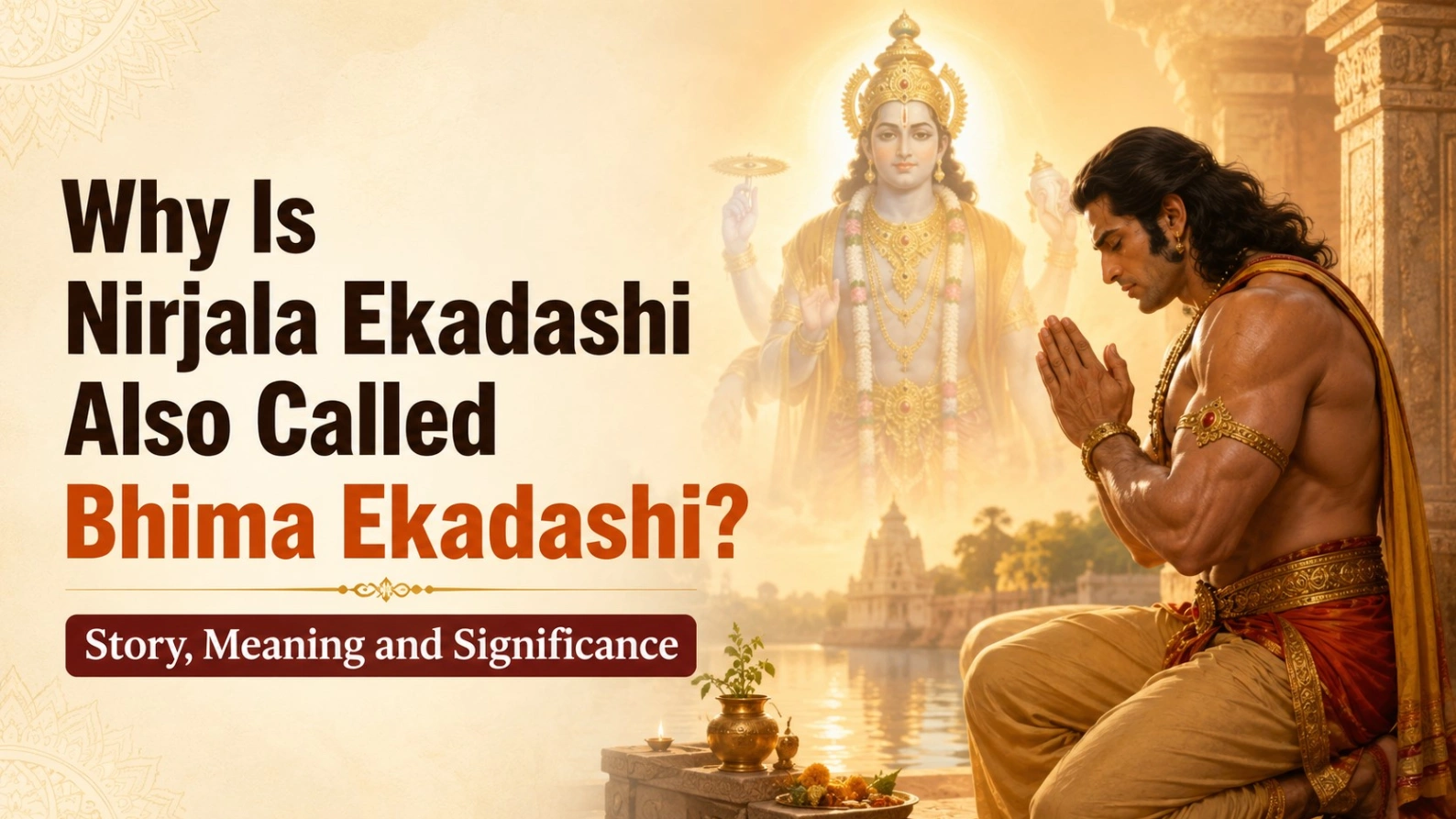
Nirjala Ekadashi is one of the most meaningful Ekadashi fasts in the Hindu calendar. It is also known as Bhima Ekadashi, Bhimseni Ekadashi and Pandava Nirjala Ekadashi. These names come from the devotional story of Bhima, the mighty Pandava prince, who found it difficult to fast on every Ekadashi and sought a path he could follow with sincerity.
This vrat is not only about giving up food and water. Its deeper message is discipline, faith, humility and remembrance of the Divine. The Nirjala Ekadashi Vrat Katha shows that spiritual growth does not require perfection. It begins when we honestly see our limits and still choose a sincere step forward.
Here is the story behind Bhimseni Ekadashi, its spiritual meaning, key fasting rules and a simple puja vidhi for home.
What Is Nirjala Ekadashi?
Nirjala Ekadashi falls on the Ekadashi tithi of Shukla Paksha in the Hindu month of Jyeshtha. The word Nirjala means “without water.” In its strict traditional form, devotees abstain from both food and water for the duration of the fast.
It is dedicated to Lord Vishnu. Devotees often spend the day in prayer, mantra japa, listening to the Nirjala Ekadashi katha, and acts of kindness or charity. Yet the heart of the vrat is not hardship for its own sake. It is an effort to turn the mind away from distraction and toward devotion.
Design Your Destiny
The wisdom of Nirjala Ekadashi is not limited to one sacred day. It teaches awareness, discipline and a deeper connection to the Divine. Join the Design Your Destiny program to learn practical spiritual tools that can help you understand your mind, transform habits and live with more peace and purpose.
Start Your Journey Today!Why Is Nirjala Ekadashi Also Called Bhima Ekadashi?
The answer lies in the Bhima Ekadashi story. Bhima, one of the five Pandavas from the Mahabharata, was known for his immense physical strength and powerful appetite. His brothers, Mother Kunti and Draupadi observed Ekadashi fasts with devotion. Bhima also wished to honour Lord Vishnu, but he found it very difficult to remain without food.
Instead of pretending otherwise, Bhima shared his struggle with Sage Vyasa. He asked whether there was one special observance through which he could express his devotion, even though he could not keep every Ekadashi vrat during the year.
Sage Vyasa advised him to observe the Ekadashi of Jyeshtha Shukla Paksha with complete dedication, without food and water. Devotional tradition describes this observance as carrying the spiritual merit associated with all Ekadashi fasts. Bhima accepted the discipline and completed the vrat with faith.
Because Bhima became closely associated with this day, it came to be known as Bhima Ekadashi or Bhimseni Ekadashi. Since he was a Pandava, it is also called Pandava Nirjala Ekadashi.
Nirjala Ekadashi Vrat Katha: The Story of Bhima and Ved Vyasa
The Nirjala Ekadashi vrat katha begins with a deeply human challenge. Bhima loved food and felt unable to tolerate hunger. While the other members of his family followed regular Ekadashi fasts, he worried that he would not be able to do the same.
One day, Bhima approached Ved Vyasa with honesty. He expressed reverence for the spiritual path, but admitted that fasting twice a month felt beyond his capacity. He did not want to stay away from the practice. He simply wanted a way to participate sincerely.
Ved Vyasa guided him toward the Jyeshtha Shukla Ekadashi fast. Bhima was asked to remain without food and water, worship Lord Vishnu, remember the Divine and break the fast on Dwadashi during the appropriate parana time.
The story is meaningful because Bhima is not shown as perfect. His strength was in admitting his limitation and still making a difficult spiritual commitment. This is the beauty of the Bhimseni Ekadashi katha. It offers hope to anyone who feels they cannot follow every practice perfectly.
Many people search for the Nirjala Ekadashi katha in Hindi to hear or share this story within the family. Whether it is read in Hindi, Sanskrit, English or a regional language, the message remains unchanged: devotion becomes powerful when it is joined with truthfulness, humility and self-control.
The Spiritual Meaning and Importance of Nirjala Ekadashi
The meaning of Nirjala Ekadashi goes beyond not drinking water for a day. It is a reminder that we are more than our immediate impulses and cravings. When hunger, irritation or restlessness appears, the practice encourages patience, prayer and awareness instead of automatic reaction.
This is why Nirjala Ekadashi significance is linked with self-mastery. The fast becomes an offering to Lord Vishnu, made with gratitude rather than pride. The outer discipline is intended to support inner cleansing: less anger, less ego, less attachment and more compassion.
Bhima’s journey also teaches that faith should not become comparison. His path was different from that of his brothers. Instead of copying others without understanding his capacity, he sought guidance and followed a practice he could commit to fully. That lesson is as relevant today as it was in the katha.
Nirjala Ekadashi Vrat Rules for Beginners
Nirjala Ekadashi fasting rules can differ by family custom, sampradaya and local Panchang. The traditional form involves a complete fast without food and water from sunrise on Ekadashi until it is broken on Dwadashi. However, devotion should always be accompanied by wisdom.
Begin with a bath and a simple sankalp. Pray that your observance may bring clarity, devotion and purity into your life. Keep the intention gentle and sincere. The vrat is not a test of ego.
Offer prayers to Lord Vishnu, Krishna, Shaligram or the form of the Divine worshipped in your home. Light a diya, offer flowers and tulsi leaves where customary, and spend a few quiet minutes in prayer.
Chant Vishnu mantras, recite the Vishnu Sahasranama, read a spiritual text or listen to bhajans. Even the simple mantra “Om Namo Bhagavate Vasudevaya” can help bring the mind back to devotion.
Avoid anger, harsh speech, gossip and unnecessary conflict. The rules are not only food-related. They are also about protecting the quality of the mind. Charity is another important part of the observance. Giving water, food, clothes, umbrellas or other essentials on Dwadashi is commonly connected with the spirit of this vrat.
A strict waterless fast is not suitable for every person. Those with health concerns, pregnant or breastfeeding women, older adults and anyone advised to avoid fasting may choose a modified observance. Prayer, sattvic food, service and self-restraint can still keep the day meaningful.
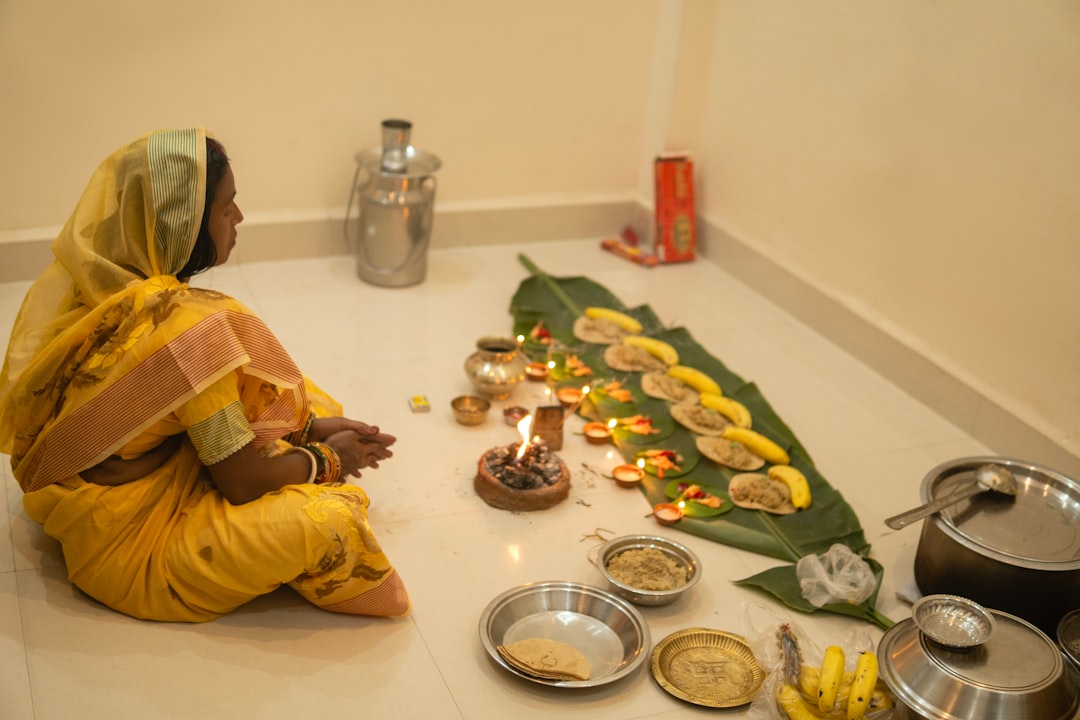
Nirjala Ekadashi Puja Vidhi at Home
A simple Nirjala Ekadashi puja vidhi can be done at home. Clean the puja space and place a picture or murti of Lord Vishnu or Lord Krishna. Offer a diya, incense, flowers and tulsi leaves, if this is part of your tradition.
Take a sankalp in your own words: “May this observance help me grow in discipline, devotion and compassion.” Read or listen to the Bhima Ekadashi story, chant the Lord’s name, sing bhajans or sit in silent prayer.
In the evening, perform aarti and offer gratitude. The following day, observe Dwadashi parana according to the timing given in a reliable Panchang for your city and tradition.
People often ask, “Nirjala Ekadashi parana kab hai?” The exact parana window changes by year and location, so always verify it with a trusted Panchang or local temple.
Nirjala Ekadashi Benefits: A Devotional Perspective
The Nirjala Ekadashi benefits described in devotional tradition are primarily spiritual. Devotees believe that the vrat can deepen faith in Lord Vishnu, strengthen self-discipline and inspire charity.
The day can also become a pause from the usual rush of life. When attention is directed toward prayer and reflection, many people feel more centred and grateful. The lasting value lies in carrying the day’s qualities into ordinary life: honesty, restraint, compassion and devotion.
The Nirjala Ekadashi story of Bhima and Ved Vyasa offers one more powerful lesson: do not give up on spiritual practice simply because you struggle with one method. Begin where you are, seek guidance and take one step sincerely.
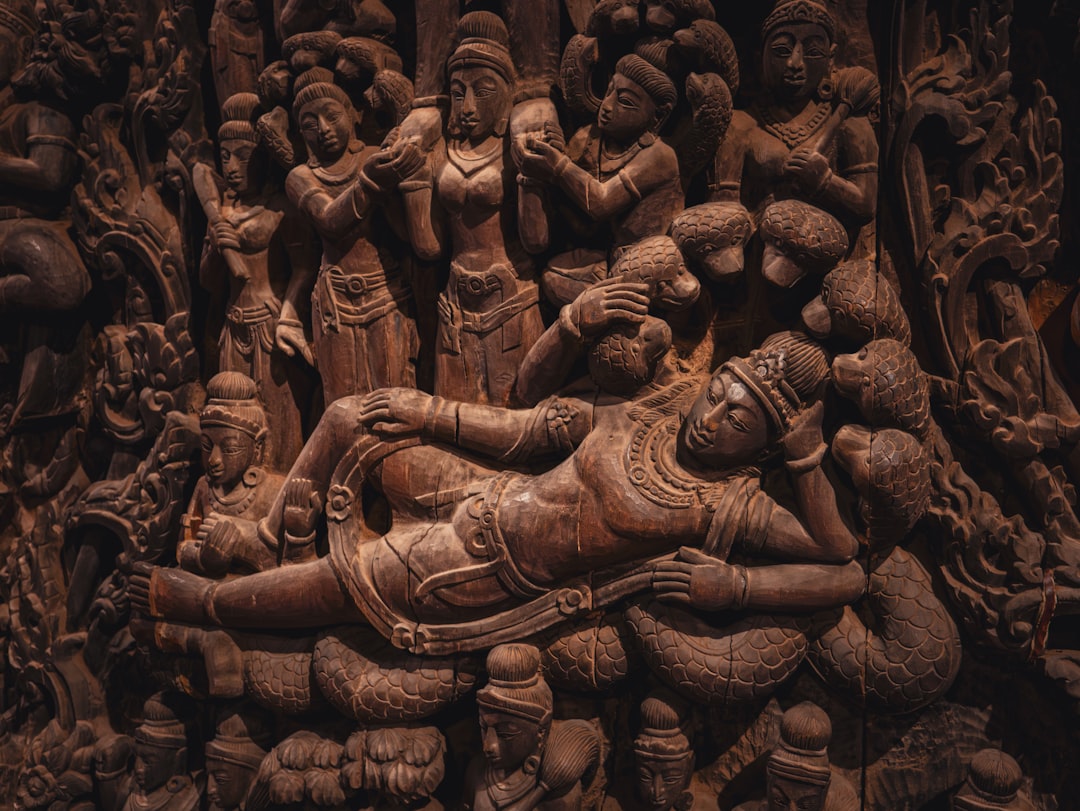
Nirjala Ekadashi is called Bhima Ekadashi because it remembers Bhima’s honest struggle and his decision to follow Sage Vyasa’s guidance. It is not only a story about a difficult fast. It is a story about devotion that begins with truth.
Whether you observe the complete nirjala vrat, follow a modified practice or spend the day in prayer and service, let its essence guide you: choose discipline over impulse, gratitude over complaint and remembrance over distraction.
Personal Session
Looking for guidance that speaks to your personal journey? Book a personal session to explore your questions with clarity, receive spiritual guidance suited to your present challenges and take the next step toward inner balance, self-awareness and meaningful growth.
Book Now