Navratri is one of India's most widely celebrated festivals, but there is no single way to experience these nine sacred nights.
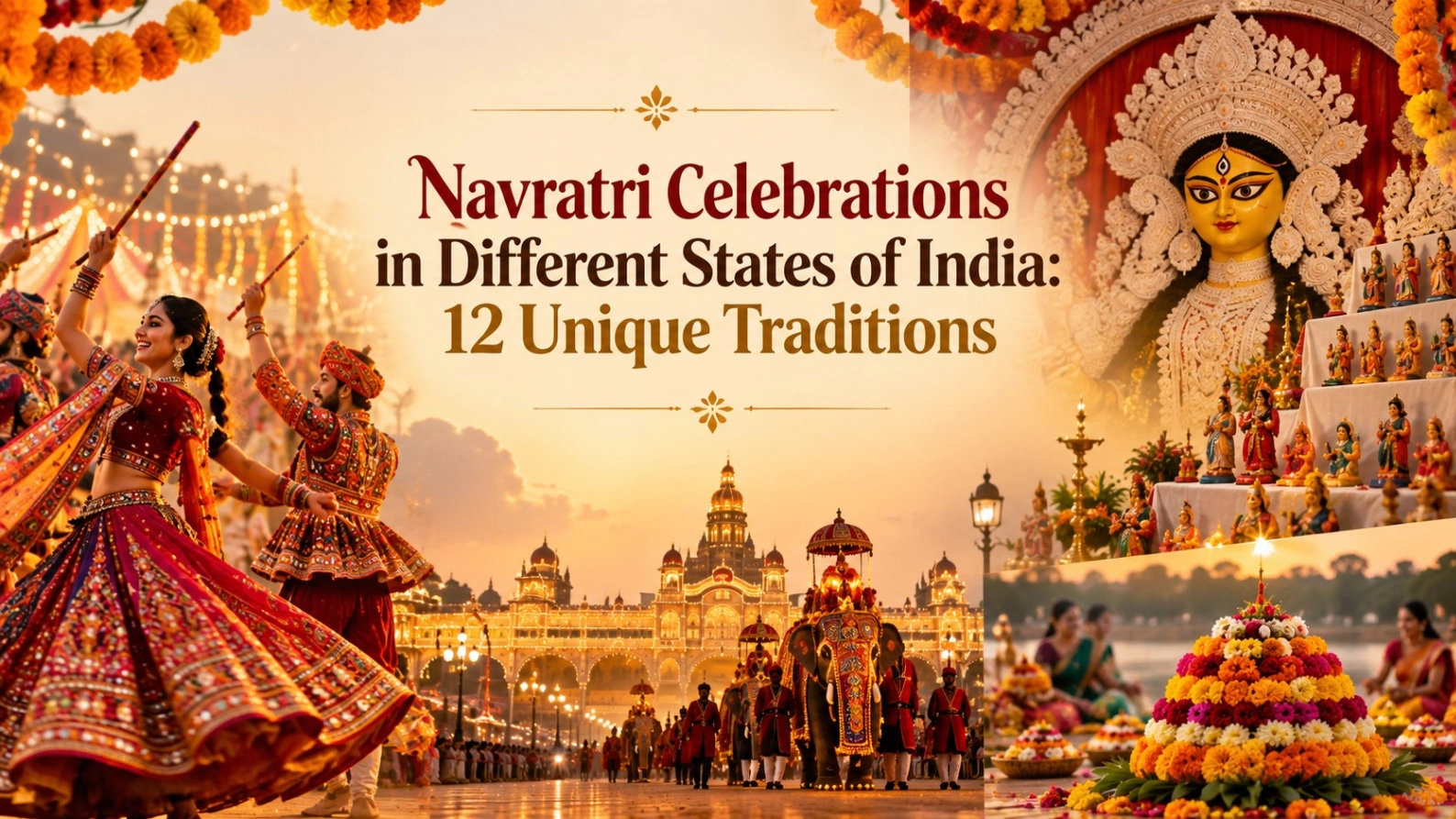
Travel from Gujarat to West Bengal, from Himachal Pradesh to Tamil Nadu, and the festival takes on an entirely different character. In one region, thousands gather for energetic Garba and Dandiya nights. Somewhere else, intricately designed Durga Puja pandals become centres of worship and cultural celebration. In South India, families arrange beautiful displays of dolls, while Telangana celebrates with colourful floral arrangements during Bathukamma.
These Navratri celebrations in different states of India demonstrate how one festival can carry many regional identities while remaining connected through devotion to Shakti, or the divine feminine.
According to Incredible India, Navratri is expressed through distinctive traditions across the country, including Garba in Gujarat, Durga Puja in West Bengal, Ramlila in northern India and Kolu displays in southern India.
So, how is Navratri celebrated in different states?
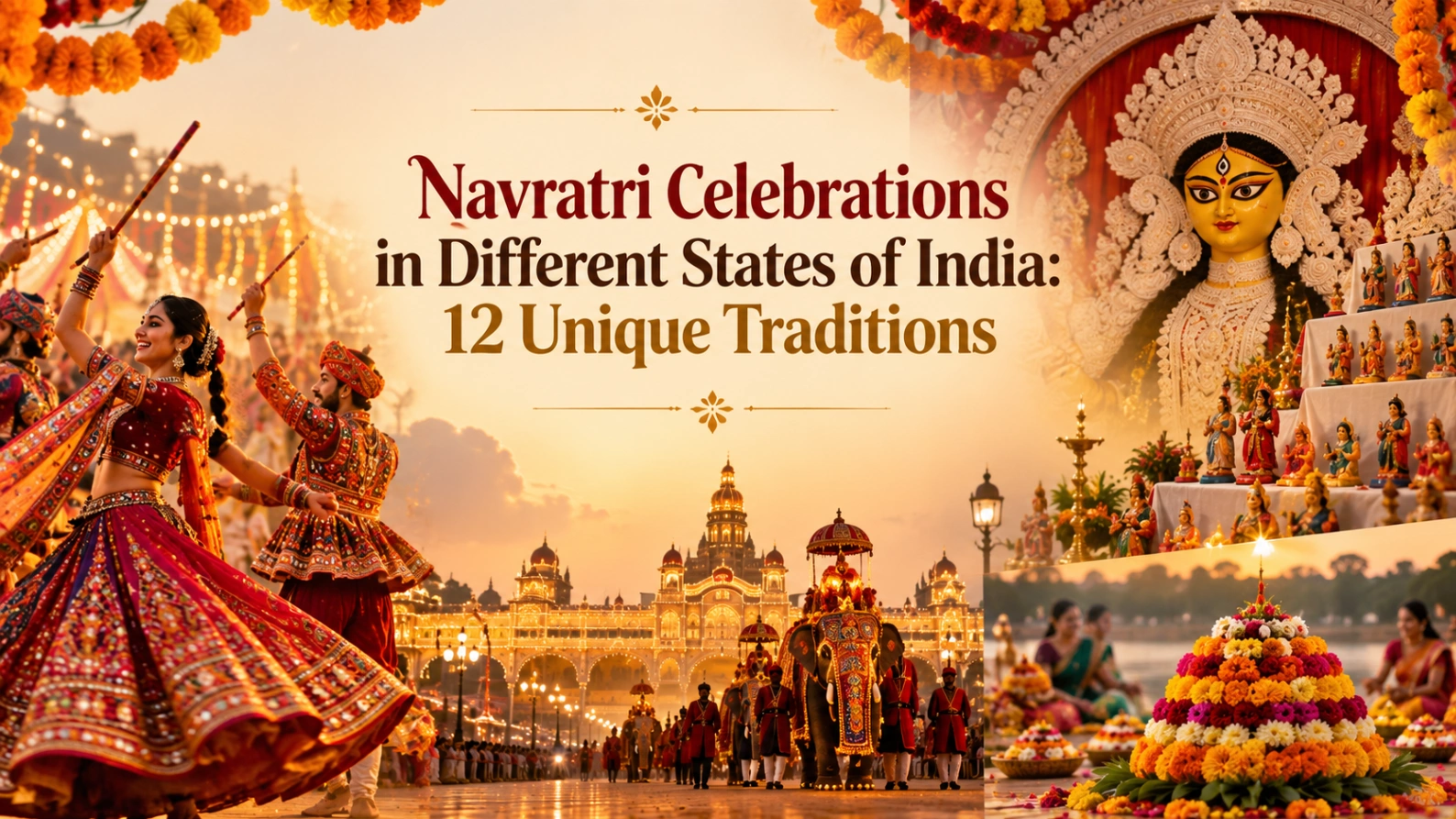
Here are 12 unique regional Navratri traditions that reveal the extraordinary cultural diversity of India.
Why Is Navratri Celebrated Differently Across India?
Navratri literally means "nine nights." The festival is primarily associated with the worship of Goddess Durga and her manifestations of Shakti.
The nine days are traditionally dedicated to different forms of Goddess Durga, while the tenth day is celebrated as Vijayadashami or Dussehra in many regions.
However, India's regional histories, local deities, folklore and cultural customs have shaped distinct ways of observing the festival.
That is why Navratri traditions in India can include:
fasting and prayer
Garba and Dandiya
Durga Puja
Ramlila
floral worship
doll displays
Saraswati Puja
Ayudha Puja
Kanya Pujan
community processions
music and folk performances
Let us explore some of the most fascinating regional Navratri celebrations.
Design Your Destiny
Navratri reminds us that true victory begins within—when we overcome fear, confusion, limiting beliefs and patterns that hold us back. Design Your Destiny helps you take that inner journey consciously and turn spiritual wisdom into practical transformation. Begin your journey towards clarity, awareness and a more purposeful life.
Start Your Journey Today!1. Gujarat – Garba and Dandiya Raas
When people think of Navratri in Gujarat, Garba is often the first tradition that comes to mind.
For nine nights, communities gather in decorated grounds and courtyards to dance around a symbolic representation of the Goddess. Participants traditionally wear vibrant outfits such as chaniya choli, kediyu and colourful embroidered garments.
Garba is generally performed in circular formations, symbolising the cycle of life and the divine energy at its centre.
Dandiya Raas adds another layer of celebration, with dancers using decorated sticks while moving rhythmically with their partners.
Gujarat's Navratri is therefore both devotional and communal. Music, prayer and dance come together to create one of India's most recognisable Navratri experiences. Incredible India highlights Gujarat's energetic Garba celebrations as one of the country's defining regional Navratri traditions.
2. West Bengal – Durga Puja
In West Bengal, the Navratri period is closely associated with the magnificent celebration of Durga Puja.
The most prominent festivities traditionally begin around Shashthi and continue through Saptami, Ashtami, Navami and Vijayadashami.
Elaborately designed pandals are constructed across Kolkata and other cities. These temporary structures house artistic representations of Goddess Durga defeating Mahishasura.
People visit pandals, offer prayers, enjoy bhog and take part in cultural programmes.
Maha Ashtami holds special importance, while rituals such as Sandhi Puja are also associated with the festival period.
On Vijayadashami, married women traditionally participate in Sindoor Khela in many communities before the idol immersion procession.
West Bengal's celebration is a powerful example of how Navratri celebrations across India can combine devotion, art, community and cultural identity.
3. Maharashtra – Ghatasthapana and Nine Navratri Colours
In Maharashtra, Navratri commonly begins with Ghatasthapana, during which a sacred kalash is installed.
Families worship different forms of Goddess Durga throughout the nine days, and temples attract large numbers of devotees.
One particularly popular modern tradition in Maharashtra is following a different Navratri colour for each day. Many devotees coordinate clothing according to the designated colour of the day.
Drik Panchang notes that wearing nine different colours during Navratri is particularly popular among women in Maharashtra and Gujarat.
Garba and Dandiya events have also become increasingly popular in cities such as Mumbai, Pune and Nashik.
4. Tamil Nadu – Navratri Golu or Bommai Kolu
Navratri takes a beautifully artistic form in Tamil Nadu through Golu, also known as Bommai Kolu.
Families arrange dolls and figurines on specially constructed steps, usually in odd numbers such as three, five, seven or nine.
The displays may include gods and goddesses, saints, mythological scenes, animals, village life and everyday cultural settings.
Families invite relatives and neighbours to view their Golu arrangements. Devotional songs are sung, prayers are offered and varieties of sundal are commonly prepared.
Southern Indian Navratri traditions are especially associated with Kolu displays depicting divine stories and cultural themes.
The later days of the festival also hold special significance for Saraswati Puja and Vijayadashami.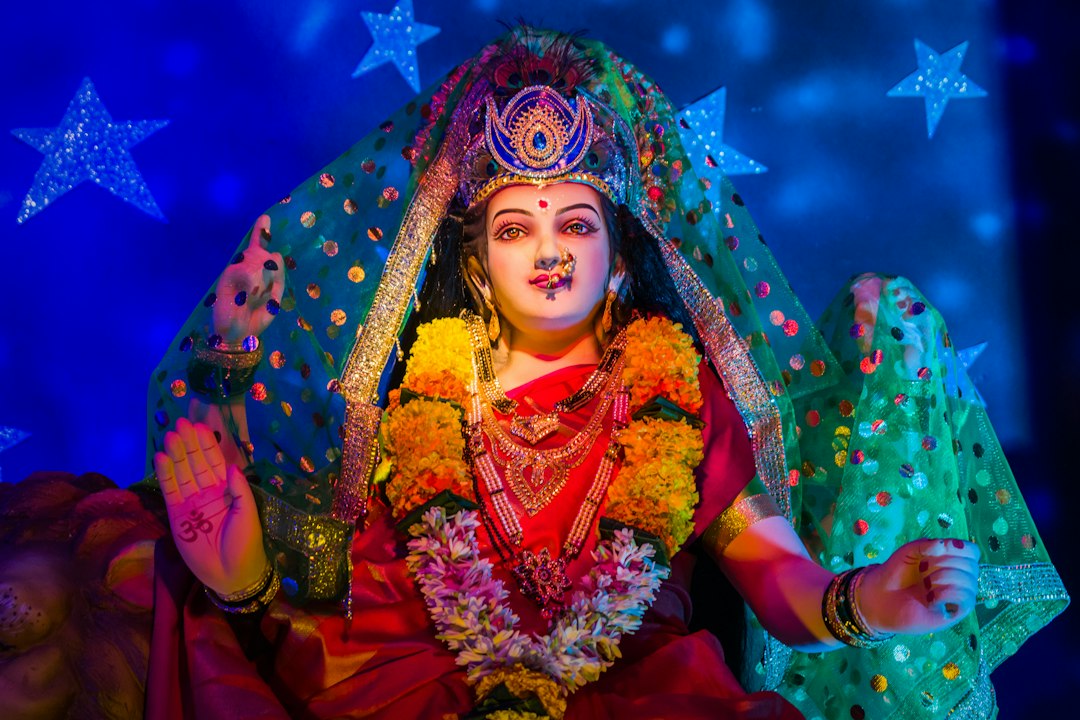
5. Telangana – Bathukamma Festival
One of the most distinctive Navratri regional traditions comes from Telangana.
Bathukamma is a vibrant floral festival celebrated primarily by women.
Beautiful arrangements are created using seasonal flowers, often stacked in concentric layers to form colourful floral structures.
Women gather around the Bathukamma, sing traditional songs and move rhythmically around the arrangement.
The celebration symbolises devotion, nature, femininity and community bonding.
The festival culminates with Saddula Bathukamma, when the floral arrangements are traditionally carried in procession and immersed in water bodies.
Bathukamma demonstrates how regional culture can create a Navratri celebration deeply connected to nature and local identity.
6. Karnataka – Mysuru Dasara
In Karnataka, Navratri reaches an especially grand scale through Mysuru Dasara.
Mysuru becomes one of India's major cultural destinations during this period, with the illuminated Mysore Palace serving as a spectacular focal point.
The celebrations are associated with Goddess Chamundeshwari and the victory of good over evil.
The famous Vijayadashami procession, popularly known as Jamboo Savari, forms one of the most anticipated highlights.
Music, dance, cultural performances, exhibitions and traditional events take place throughout the festive period.
Rather than being limited to household worship, Karnataka's celebration transforms Navratri and Dasara into a large-scale public cultural festival.
7. Andhra Pradesh – Bommala Koluvu and Devi Worship
In Andhra Pradesh, Navratri combines intense Devi worship with traditions similar to the doll arrangements seen elsewhere in southern India.
Bommala Koluvu involves arranging dolls and figurines to represent gods, mythological episodes and scenes from everyday life.
The Kanaka Durga Temple in Vijayawada also becomes an important centre of devotion during the festival period.
Devotees worship different manifestations of the Goddess across the nine days.
Special pujas, temple visits and community celebrations form an important part of the Navratri atmosphere.
8. Kerala – Saraswati Puja and Vidyarambham
Kerala's Navratri traditions place special emphasis on learning, knowledge and Goddess Saraswati.
Books and learning materials are ceremonially placed for worship during Saraswati Puja.
One of the most meaningful customs is Vidyarambham, traditionally observed on Vijayadashami.
Young children are formally introduced to the world of learning by writing their first letters or characters under the guidance of an elder or teacher.
This makes Kerala's Navratri celebration particularly symbolic for students, teachers, artists and families.
The festival reflects the idea that knowledge itself is sacred.
9. Himachal Pradesh – Kullu Dussehra
Himachal Pradesh offers a unique variation through Kullu Dussehra.
Interestingly, while Vijayadashami marks the conclusion of Navratri celebrations in many parts of India, the famous festivities in Kullu traditionally begin around Dussehra.
Local deities from villages across the region are brought together in ceremonial processions.
The celebrations are deeply connected with Lord Raghunath and the local devta tradition.
Folk music, traditional costumes, religious ceremonies and community gatherings make Kullu Dussehra one of India's most distinctive regional festive traditions.
10. Uttar Pradesh – Ramlila and Kanya Pujan
In many parts of Uttar Pradesh and northern India, Navratri combines Goddess worship with the story of Lord Rama.
Ramlila performances depict episodes from the Ramayana and traditionally culminate in the defeat of Ravana on Dussehra.
Incredible India identifies Ramlila as one of the prominent northern Indian expressions associated with the Navratri period.
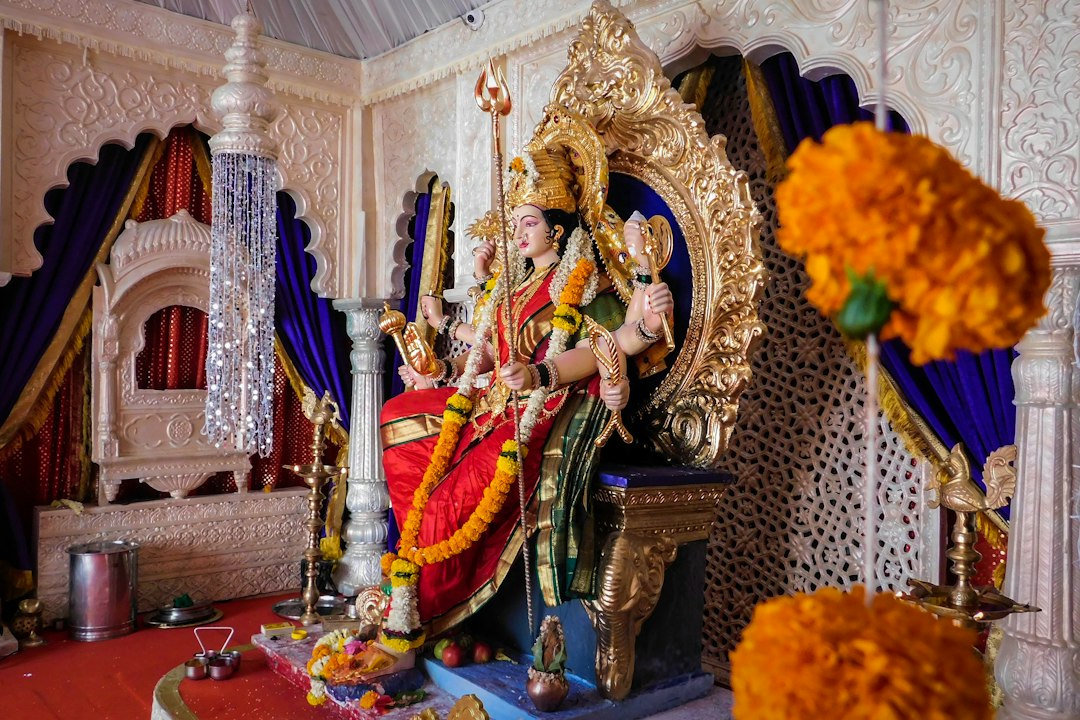
Another important tradition is Kanya Pujan, especially around Ashtami or Navami.
Young girls are worshipped as symbolic manifestations of the Goddess and are offered food and gifts.
Puri, halwa and kala chana are among the foods commonly associated with the ritual.
11. Punjab and Haryana – Kanjak Puja and Jagran
In Punjab and Haryana, devotional practices form a major part of Navratri.
Many devotees observe fasting during the festival and participate in Mata ki Chowki or devotional jagrans.
Kanjak Puja, another name commonly used for Kanya Pujan, is particularly important.
Young girls are respectfully welcomed into homes and worshipped as representations of divine feminine energy.
Traditional meals are offered to them, followed by gifts or dakshina.
This tradition highlights one of Navratri's central themes: recognising and honouring Shakti.
12. Delhi – A Blend of India's Navratri Traditions
Delhi offers perhaps one of the best examples of India's cultural diversity during Navratri.
Because people from different states live in the capital, several traditions coexist.
You can experience:
Garba and Dandiya celebrations inspired by Gujarat
Durga Puja pandals, especially in Bengali communities
Ramlila performances
Navratri fasting and temple worship
Kanya Pujan
Dussehra celebrations
This combination effectively brings several Navratri traditions in different states together within a single city.
Different Names and Forms of Navratri Celebrations in India
The festival period may be known or experienced through different cultural expressions across India.
Some of the best-known include:
Gujarat: Navratri and Garba
West Bengal: Durga Puja
Tamil Nadu: Navratri Golu or Bommai Kolu
Telangana: Bathukamma
Karnataka: Mysuru Dasara
Himachal Pradesh: Kullu Dussehra
North India: Navratri, Ramlila and Kanya Pujan
Kerala: Saraswati Puja and Vidyarambham
These different names of Navratri in India demonstrate that regional identity does not diminish the festival's shared spiritual foundation. Instead, it enriches it.
9 Forms of Maa Durga: Names, Stories, Mantras & Significance
What Connects All Navratri Traditions?
Despite the many different ways Navratri is celebrated in India, the underlying message remains remarkably similar.
At its heart, Navratri celebrates Shakti as the divine feminine energy and the victory of positive forces over negativity.
Whether devotees dance Garba in Gujarat, visit a Durga Puja pandal in Kolkata, arrange a Golu in Chennai, celebrate Bathukamma in Telangana or attend Ramlila in northern India, the festival carries themes of:
devotion
courage
renewal
knowledge
community
inner transformation
victory of good over evil
India's diversity therefore does not create 12 unrelated celebrations.
It creates 12 different expressions of the same spiritual idea.
The Navratri celebrations in different states of India beautifully demonstrate how culture, spirituality and regional identity can come together within one festival.
Gujarat celebrates through Garba and Dandiya. West Bengal transforms cities through Durga Puja. Tamil Nadu creates elaborate Golu displays. Telangana honours the Goddess through Bathukamma flowers. Karnataka celebrates Mysuru Dasara, while Kerala connects Vijayadashami with knowledge through Vidyarambham.
Northern India adds Ramlila, Kanya Pujan and devotional fasting to the celebrations.
These Navratri traditions in India may look different, but they share a common purpose: celebrating divine energy, overcoming negativity and moving towards greater awareness.
That is what makes Navratri truly remarkable as one festival, countless traditions and a spiritual message that connects millions of people across India.
Personal Session
Every person's challenges, questions and spiritual journey are different. A personal session can help you gain greater clarity, understand the patterns affecting your life and receive personalised guidance for your next steps.
Book NowRead Latest Articles