
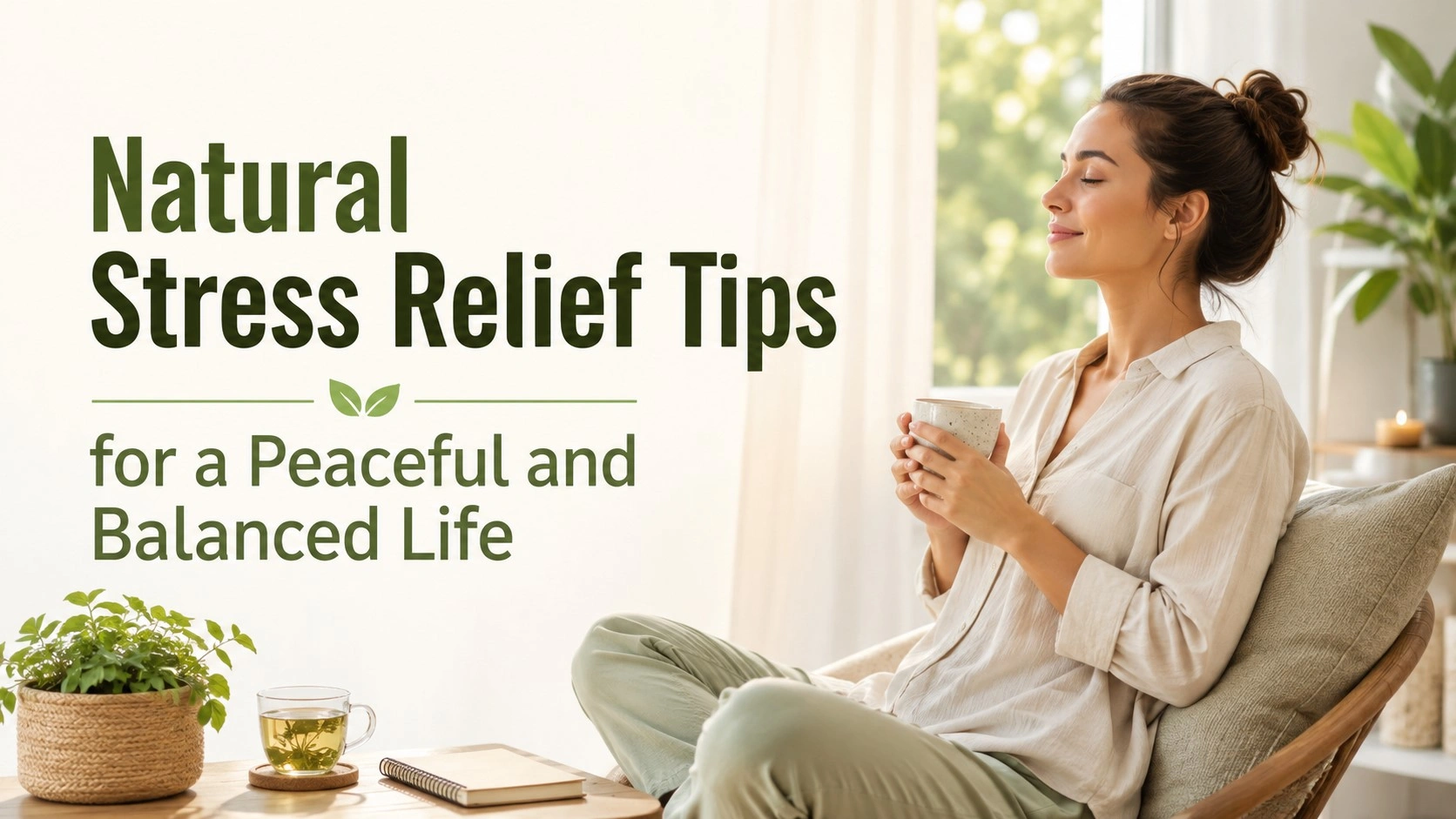
Life can feel busy even on ordinary days. Deadlines, family responsibilities, financial concerns, social expectations, and endless notifications can quietly fill the mind with tension. Natural stress relief is not about creating a perfect life where nothing goes wrong. It is about building small, supportive habits that help you return to a calmer state when life feels heavy.
Stress is a normal human response. It can sometimes motivate you to prepare, act, or solve a problem. But when stress stays with you for too long, it may affect your sleep, patience, focus, energy, and relationships. That is why learning how to manage stress matters. You do not need a dramatic lifestyle change to begin. A few simple choices, repeated daily, can slowly create more mental peace, inner peace, and emotional balance.
Here are practical stress relief tips that can fit into real life, whether you are handling work stress, family pressure, overthinking, or a generally tired mind.
Begin by Noticing Your Stress Signals
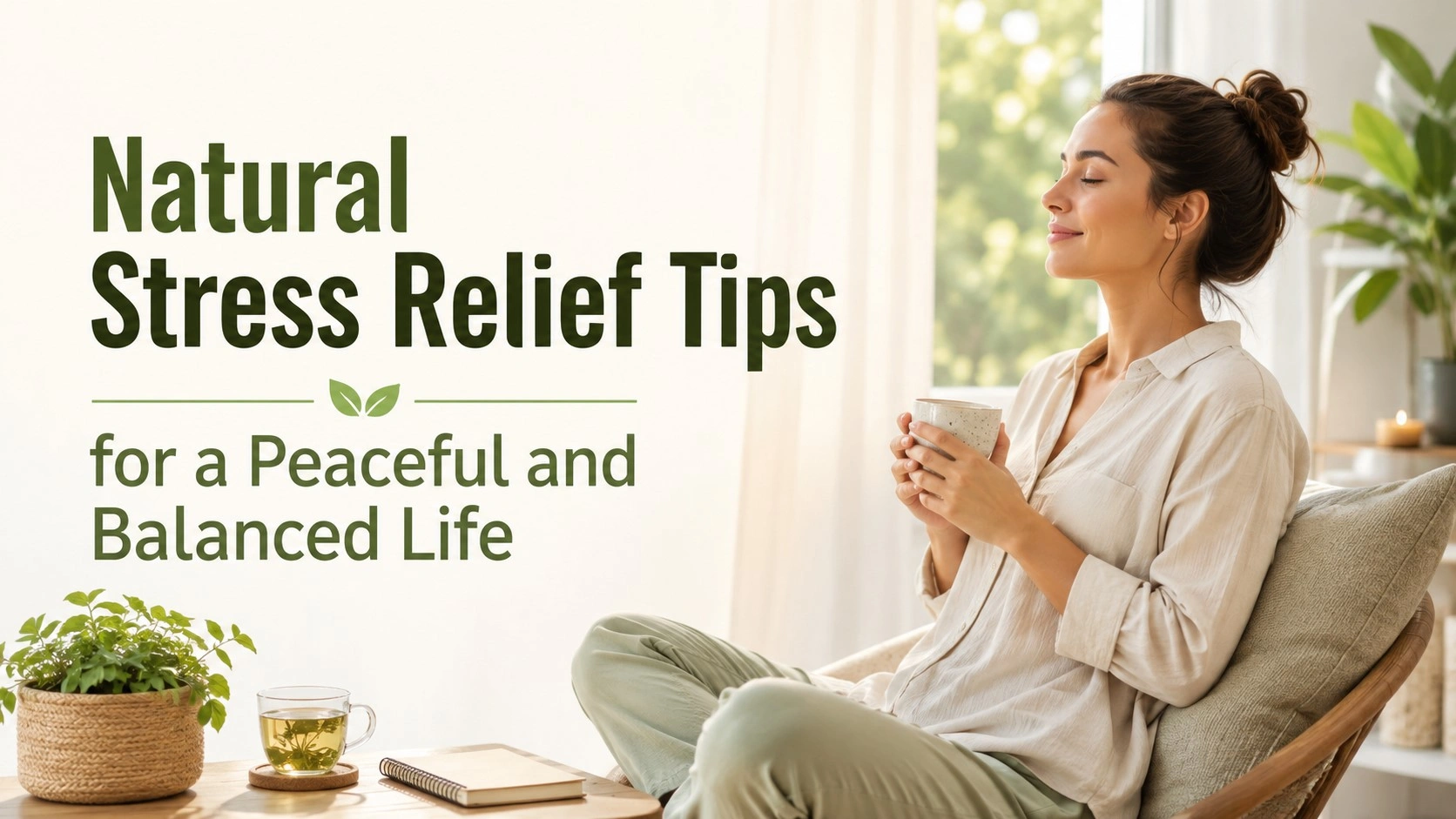
The first step in stress management is noticing what your body and mind are trying to tell you. Stress does not always arrive as a clear thought such as, “I am overwhelmed.” Sometimes it appears as irritability, constant scrolling, headaches, restlessness, low motivation, muscle tension, emotional eating, or difficulty sleeping.
Pause for a moment and ask yourself: What am I feeling right now? What has been taking up most of my mental space? What do I need in this moment?
This small check-in helps you slow down before reacting. It is one of the simplest ways to reduce stress because it helps you respond with awareness instead of moving through the day on autopilot.
CTA for Design Your Destiny
Your outer life becomes easier to shape when your inner world feels clear and steady. Join Design Your Destiny to explore practical tools for self-awareness, emotional balance, mindful living, and creating a life that feels more aligned with who you are.
Start Your Journey Today!Use Breathing Exercises to Calm Your Mind
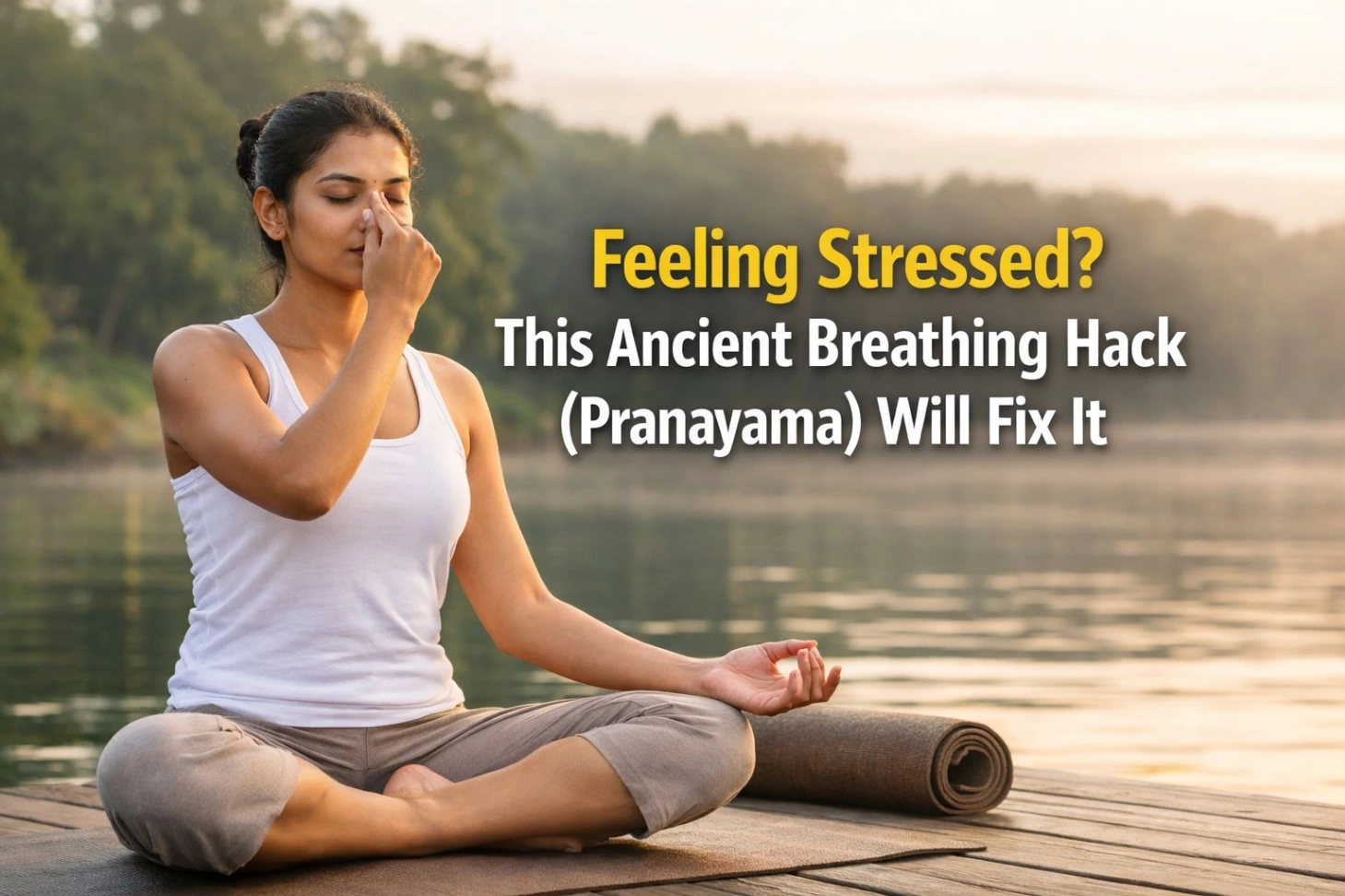
When the mind is racing, the breath often becomes short and shallow. Slowing the breath is a gentle way to signal to yourself that it is safe enough to pause. You do not need special equipment or a quiet retreat to use breathing exercises for stress relief.
Try this simple practice: breathe in slowly through your nose, pause briefly, and breathe out a little more slowly than you breathed in. Continue for one to three minutes. Keep the effort light. The goal is not to force the breath but to let your body settle gradually.
You can use this practice before an important conversation, while sitting at your desk, after a difficult phone call, or before going to sleep. A few conscious breaths can help you feel less reactive and more present.
Make Movement Part of Your Daily Routine
A stressed mind often benefits from a moving body. You do not have to follow a demanding workout plan to experience the calming effect of movement. A walk after dinner, gentle stretches in the morning, a few minutes of yoga for stress relief, dancing to a favourite song, or taking the stairs can all help you release built-up tension.
Movement also gives your attention somewhere else to go. Instead of replaying the same worries, you begin noticing your breath, your steps, the weather, or the rhythm of your body. This is why a short walk can feel like a reset.
Choose movement that feels supportive rather than punishing. The best routine is the one you can return to regularly. A healthy lifestyle does not need to be extreme to support a calm mind.
Create a Small Mindfulness Practice
Mindfulness is simply the practice of paying attention to the present moment without immediately judging it. It can be a helpful part of natural stress relief because stress often pulls the mind into the past or future. You may replay what went wrong yesterday or imagine every possible problem tomorrow.
Try bringing your attention to one ordinary activity. While drinking tea, notice the warmth of the cup and the taste of the drink. While showering, notice the water and the feeling of the soap. While walking, notice the contact between your feet and the ground.
Meditation can also be useful, but it does not have to be long or complicated. Sit comfortably for five minutes. Notice your breath. When thoughts come, simply acknowledge them and return to the breath. The mind will wander, and that is completely normal. Each gentle return is part of the practice.
Reduce Overthinking with a “Pause and Write” Habit
Overthinking often makes stress feel larger than it is. Thoughts may repeat because the mind is trying to solve, predict, or control something that feels uncertain. Instead of arguing with every thought in your head, try writing it down.
Keep a notebook nearby and write three things: what is worrying you, what is within your control, and one small next step you can take. This helps turn vague stress into something more manageable.
For example, you may be worried about work stress. Rather than carrying the entire situation mentally, identify one task you can complete today, one person you can speak to, or one boundary you can set. You do not have to solve everything at once. Clear, small actions often reduce stress more effectively than waiting to feel fully motivated.

Protect Your Sleep and Your Evening Routine
Sleep and stress are closely connected. When you are stressed, falling asleep can become harder. When you do not sleep well, small problems may feel bigger the next day. Creating a gentle evening routine can support both rest and stress management.
Try reducing screen time before bed, dimming lights, keeping a consistent sleep schedule when possible, and avoiding work conversations at the very end of the day. You can also use a calming ritual such as stretching, reading, light journaling, prayer, or listening to quiet music.
Do not pressure yourself to sleep perfectly. Instead, focus on making your evenings less stimulating. Even a simple signal such as putting your phone away for twenty minutes can help your mind shift out of work mode.
Spend Time in Nature and Open Spaces
Nature can offer a quiet form of relaxation. Sitting in sunlight, watering plants, walking in a park, watching the sky, or simply standing on a balcony for a few minutes can help interrupt a stressful mental loop.
You do not need a holiday or a mountain trip to benefit from this. The point is to give your senses a break from constant screens, noise, and demands. Notice the breeze, birds, trees, or changing light. These small moments can make a peaceful mind feel more available.
For people who spend most of the day indoors, even a short outdoor break can become one of the most practical daily habits to reduce stress.
Build Emotional Balance Through Connection
Stress becomes heavier when you carry it alone. Talking to a trusted friend, family member, mentor, or partner can bring perspective and comfort. You do not always need advice. Sometimes being heard is enough.
You can say something simple: “I have had a stressful week and I just need someone to listen.” Honest communication can reduce the pressure to appear fine all the time. It also supports emotional balance because it reminds you that you do not have to manage every difficult feeling by yourself.
At the same time, choose your support carefully. Spend more time with people who help you feel understood, grounded, and respected. Limit unnecessary exposure to conversations or environments that repeatedly leave you drained.
Set Gentle Boundaries Around Work Stress
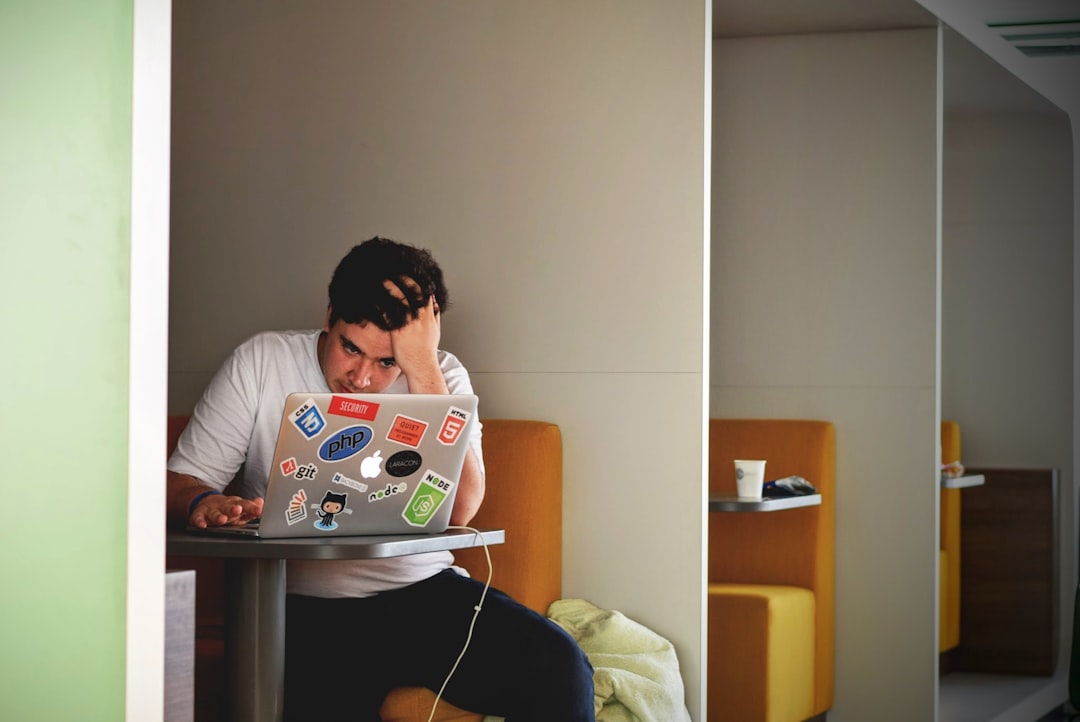
Work stress can follow you home when there are no clear boundaries between work time and personal time. In many jobs, it may not be possible to avoid pressure completely. But you can still create small limits that protect your energy.
Try deciding when you will stop checking work messages for the day, taking a short break between tasks, or making a realistic priority list instead of keeping everything in your head. Before saying yes to another request, ask whether it is urgent, whether it is yours to handle, and what it may cost you in time or energy.
Boundaries are not about becoming unavailable or careless. They are about being intentional. When you protect a little space for yourself, you create more room for calm, focus, and better decisions.
CTA for Personal Session
If stress, overthinking, or emotional pressure has been keeping you stuck, a personal session can offer a calm space to reflect, understand your patterns, and explore practical next steps for greater clarity and balance.
Book NowPractice Self Care Without Making It Another Task
Self care is often presented as something expensive or time-consuming. In reality, it can be very simple. It may look like eating a proper meal, drinking enough water, taking a quiet lunch break, cleaning your room, wearing comfortable clothes, or saying no when you are exhausted.
The most useful self care practices are the ones that make you feel supported in your actual life. Ask yourself: What helps me feel more like myself? What makes my day slightly easier? What helps me slow down?
These questions can guide you toward natural remedies for stress relief that are personal and realistic. One person may feel restored by a morning walk. Another may feel better after journaling, music, spiritual practice, or spending time with family.
Choose a Calming Morning Start
The first few minutes after waking can shape the tone of your day. Reaching for your phone immediately can bring messages, headlines, and comparisons into your mind before you have even checked in with yourself.
Try creating a calmer start. Drink water, open a window, stretch, sit quietly for a few minutes, or write one intention for the day. Your intention can be as simple as, “I will take one thing at a time,” or “I will speak kindly to myself today.”
This does not guarantee a stress-free day. But it gives you a more grounded starting point. Over time, this can help you feel less pulled by outside demands and more connected to your own pace.

Know When to Seek Extra Support
Natural stress relief tips can be valuable for everyday pressure, but they are not a replacement for professional care when stress feels overwhelming or persistent. Consider speaking with a qualified mental health professional if anxiety, low mood, panic, sleep problems, or stress are affecting your daily life, relationships, or ability to function.
Seeking support is a strong and practical choice. You do not have to wait until things become unbearable. A professional can help you understand your patterns and develop strategies that fit your situation.
A peaceful and balanced life is not built in one perfect morning or one relaxing weekend. It is created through small choices that support you again and again. Slow breathing, movement, mindfulness, better sleep, meaningful connection, and gentle boundaries may seem simple, but their effect can grow when you practice them consistently.
Start with one or two habits rather than trying to do everything at once. The goal is not to remove every challenge from life. It is to build a calm mind that can meet challenges with more clarity, patience, and self-trust. Natural stress relief becomes powerful when it is realistic, personal, and part of your everyday life.