
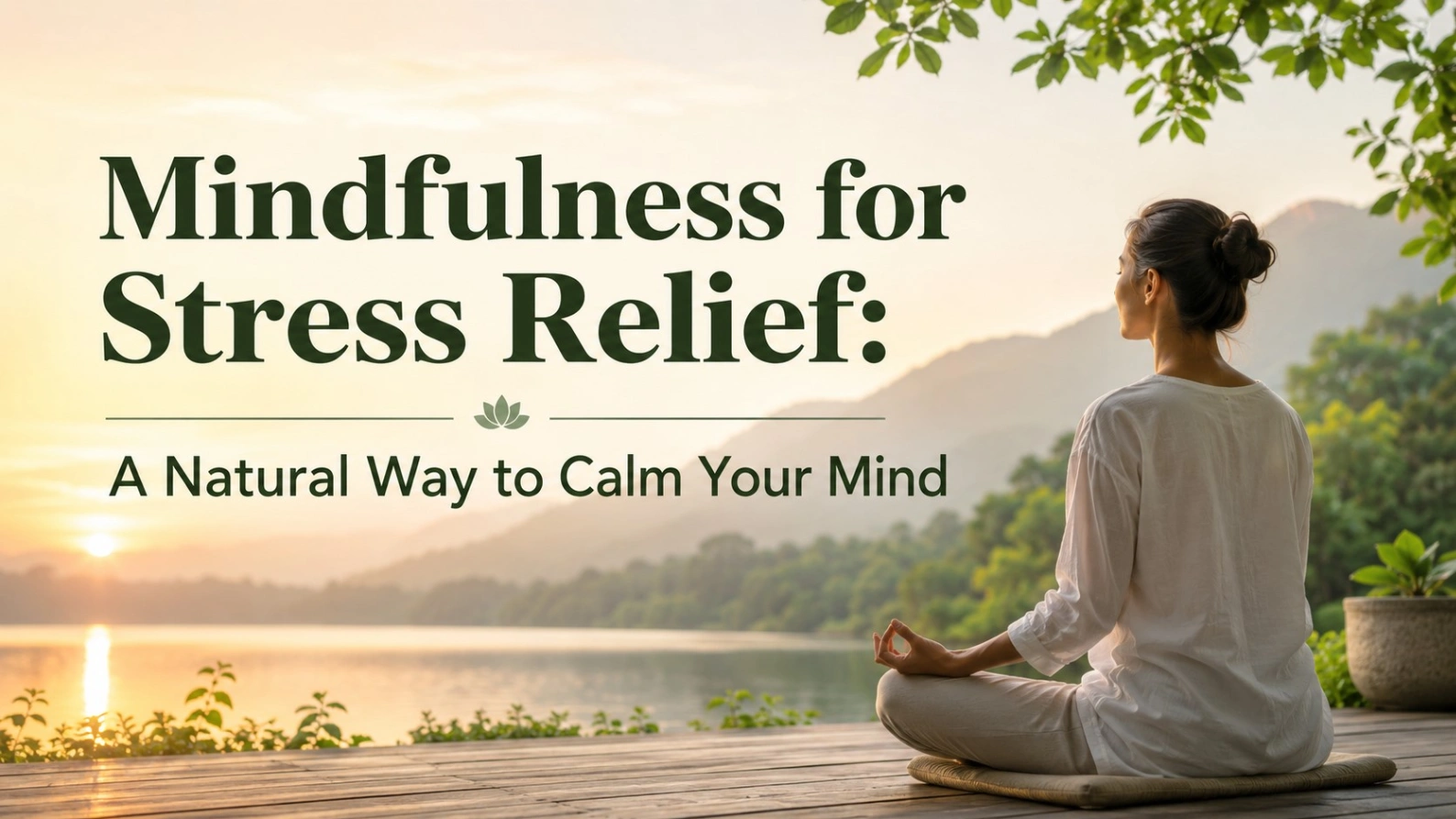
Stress has become an unavoidable part of modern life. From work pressures to personal responsibilities, it can feel like our minds are constantly racing. But what if there was a natural, spiritual approach to managing stress that didn’t rely on medications or quick fixes? That’s where mindfulness for stress relief comes in. By incorporating mindfulness and meditation into daily life, you can gradually calm your mind, reduce anxiety, and restore balance to your mental and emotional well-being.
Mindfulness is about being present in the moment that is fully aware of your thoughts, feelings, and surroundings and without judgment. When practiced consistently, it allows you to observe your mind instead of getting swept away by stress. This approach helps you manage stress naturally while cultivating inner peace and clarity.
What is Mindfulness?
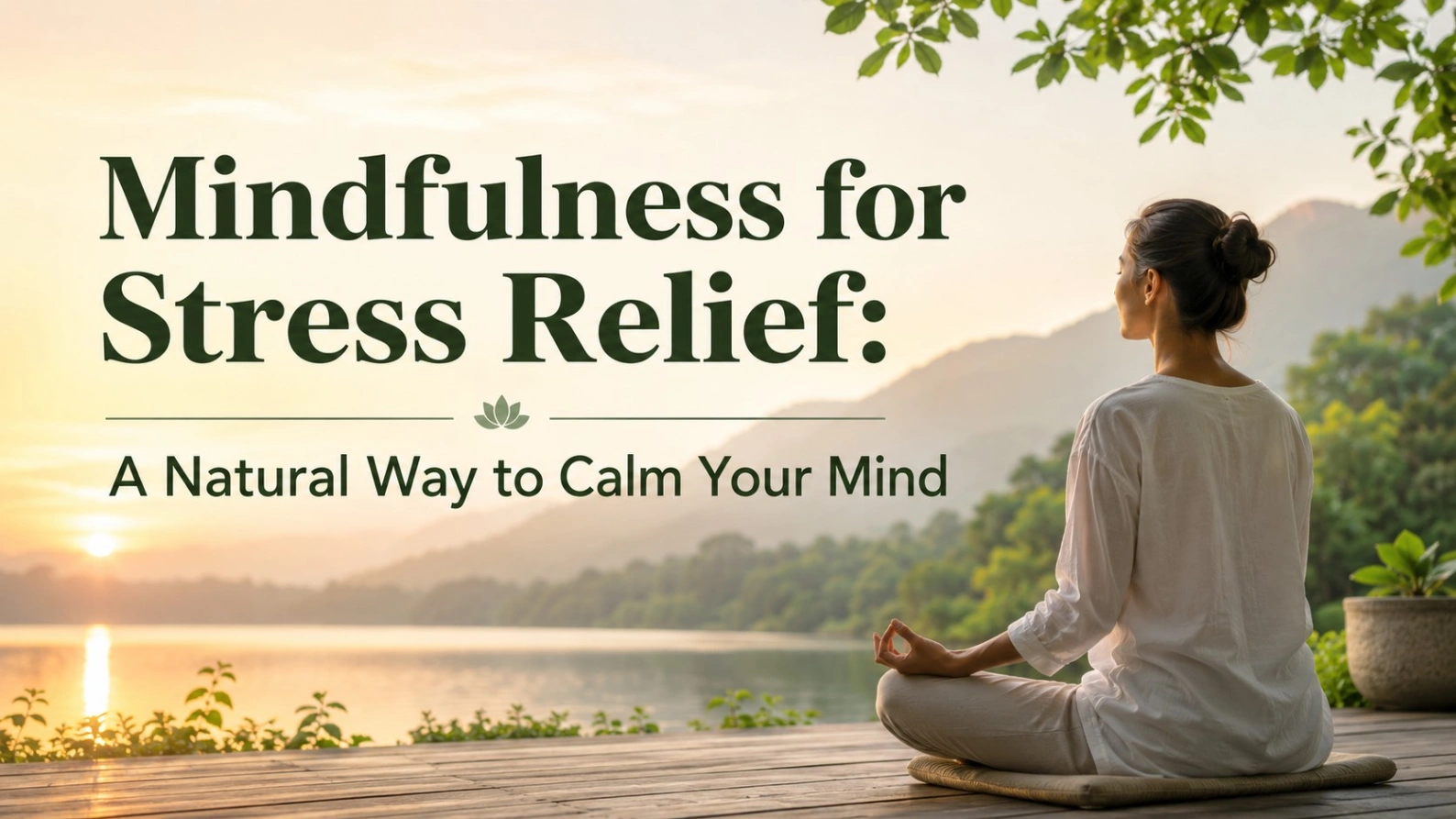
Mindfulness is the practice of bringing your full attention to the present moment. Unlike typical multitasking or overthinking, mindfulness teaches you to notice your thoughts without labeling them as good or bad. Through this awareness, you learn to respond to stress with calm rather than react impulsively.
At its core, mindfulness teaches you to observe your thoughts and emotions objectively. It also helps you breathe with awareness, which anchors your attention in the present moment. Along with this, mindfulness encourages patience, self-compassion, gratitude, and acceptance. These qualities help you step back from overwhelming mental chatter and understand your emotions with greater clarity.
By following these principles, mindfulness for stress relief helps you create distance from stressful thoughts. Instead of reacting immediately, you begin to pause, reflect, and respond with awareness.
Design Your Destiny
Transform your life by mastering mindfulness and meditation. Join our “Design Your Destiny” program to learn practical techniques to manage stress naturally, improve emotional balance, and achieve a calm mind every day.
Start Your JourneyHow Mindfulness Helps Reduce Stress
Stress often arises from overthinking or trying to control situations beyond our influence. Mindfulness interrupts this pattern by bringing your attention back to the present moment. When you practice mindful breathing and meditation, your body gradually begins to relax, and your mind starts feeling lighter.
Mindfulness can also improve emotional regulation because it teaches you to observe your thoughts instead of becoming trapped in them. When mental clutter reduces, your focus and clarity naturally improve. Over time, mindfulness strengthens your ability to handle future stress with more patience and balance. This makes inner peace and a calm mind more accessible in daily life.
Even a few minutes of mindful meditation every day can slowly shift your mind from constant tension to calmness.
Mindfulness Meditation for Beginners
If you are new to mindfulness, the best way to begin is by keeping the practice simple. Find a quiet and comfortable space where you can sit peacefully. Close your eyes and bring your attention to your breath. Notice every inhale and exhale without trying to control or force your breathing.
As you sit in silence, thoughts will naturally arise. Instead of fighting them, simply acknowledge them and gently return your attention to your breath. You can begin with 5 to 10 minutes daily and gradually increase the practice to 20 or 30 minutes as you become more comfortable.
This simple mindfulness meditation for stress helps train your mind to respond to challenges calmly rather than reacting emotionally.
Daily Mindfulness Practices to Reduce Stress
Mindfulness is not limited to sitting in meditation. You can bring mindfulness into your daily routine through simple activities. For example, mindful walking allows you to pay attention to each step, the sensation of your feet touching the ground, and the environment around you.
Mindful eating is another powerful practice where you focus on the taste, texture, aroma, and experience of your food without distractions like phones or television. Similarly, mindful listening helps you become fully present during conversations, allowing you to listen without judgment or interruption.
Breathing exercises for stress are also very helpful during difficult moments. Taking slow, deep breaths can immediately bring your awareness back to the present. Mindfulness journaling is another effective practice where you write your thoughts and feelings honestly, helping you observe emotional patterns with clarity.
These techniques support meditation and make mindfulness a natural part of everyday life.
Mindfulness for Anxiety and Emotional Balance
Mindfulness doesn’t only reduce general stress; it can also help with anxiety and emotional imbalance. When anxious thoughts arise, mindfulness teaches you to observe them without judgment. This reduces their emotional intensity and prevents them from controlling your actions.
Over time, practicing mindfulness for stress relief builds emotional balance, inner peace, and self-awareness. Guided mindfulness meditation can be especially useful for beginners because it provides step-by-step support. Body scan meditation also helps you notice physical tension and release it consciously. Gratitude practice can further shift your focus from stress to appreciation, helping your mind feel lighter and calmer.
These approaches help you reconnect with your inner self and develop a sense of calm that remains steady even during challenging situations.

Natural Stress Relief Techniques
Mindfulness works even better when combined with other natural stress relief methods. Regular exercise, yoga, or light stretching can support your mindfulness practice by releasing physical tension from the body. Adequate sleep is also important because a well-rested mind is more resilient and balanced.
A balanced diet can support emotional stability, while spiritual meditation can help you connect with your deeper self. Positive affirmations are another simple yet powerful method. Repeating calm and empowering thoughts can help your mind move away from fear, stress, and negativity.
By combining these habits with mindfulness, you create a holistic approach to natural stress relief.
How to Stop Overthinking Through Mindfulness
Overthinking is one of the biggest causes of stress. Mindfulness helps you break this cycle by teaching you to observe repetitive thoughts without becoming attached to them. When a troubling thought appears, sit quietly, close your eyes, and simply notice it.
Instead of reacting, ask yourself whether this thought is helping you in the present moment. If it is not, gently redirect your attention to your breath or your surroundings. With regular practice, your mind becomes less reactive, and you develop a calmer, more balanced outlook.
This is how mindfulness slowly transforms overthinking into awareness.
Benefits of Mindfulness for Stress Relief
Regular practice of mindfulness for stress relief offers many benefits for the mind, body, and emotions. It can reduce anxiety, emotional reactivity, and mental restlessness. It can also improve focus, memory, and mental clarity.
Mindfulness supports emotional regulation and increases self-awareness, helping you understand your thoughts more deeply. It also builds resilience in personal and professional life. Most importantly, it helps you experience inner peace, spiritual growth, and a calm mind.
Even a few minutes of mindfulness every day can create noticeable changes, gradually transforming stress into clarity and peace.
Integrating Mindfulness into Your Lifestyle
You don’t need to meditate for hours to experience the benefits of mindfulness. Small and consistent practices are enough to create change. You can begin your morning with 5 to 10 minutes of mindfulness meditation. During stressful moments at work, take a few deep breaths and bring your attention back to the present.
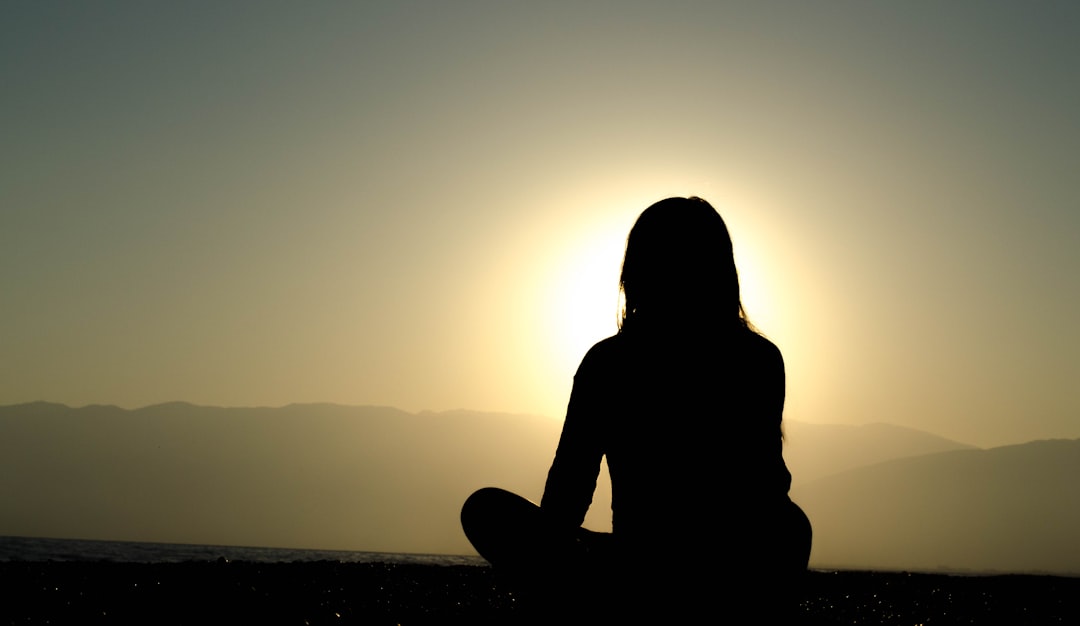
At the end of the day, journaling your emotions can help you release mental heaviness. Before sleeping, practicing gratitude can calm the mind and create a peaceful inner state.
Over time, mindfulness becomes second nature. When practiced regularly, managing stress naturally becomes easier, and peace of mind becomes a part of your daily life.
Personal Session
Feeling overwhelmed or stressed? Book a personal session to explore mindfulness for stress relief, develop customized meditation practices, and experience step-by-step guidance for inner peace and emotional well-being.
Book Now