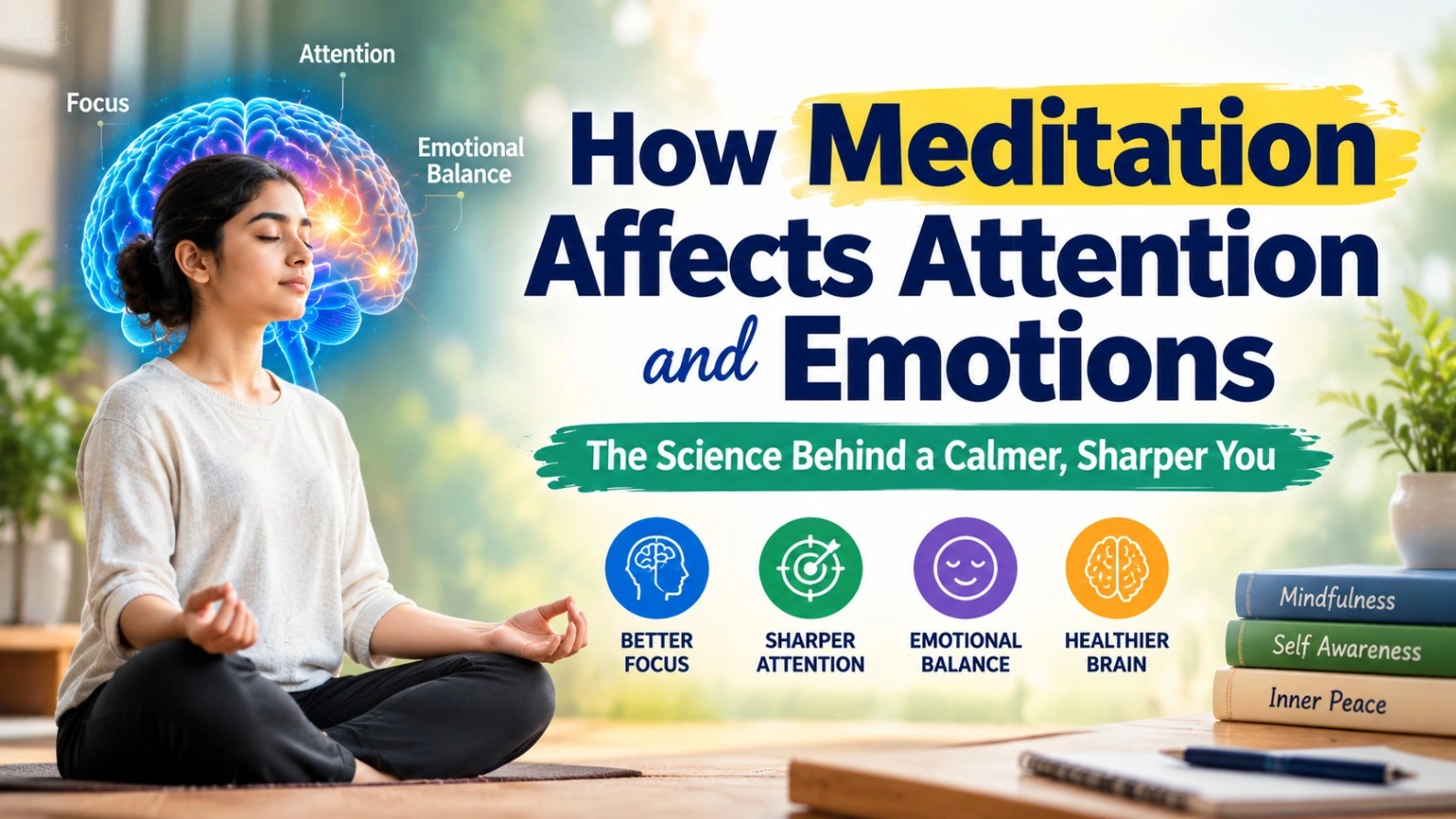

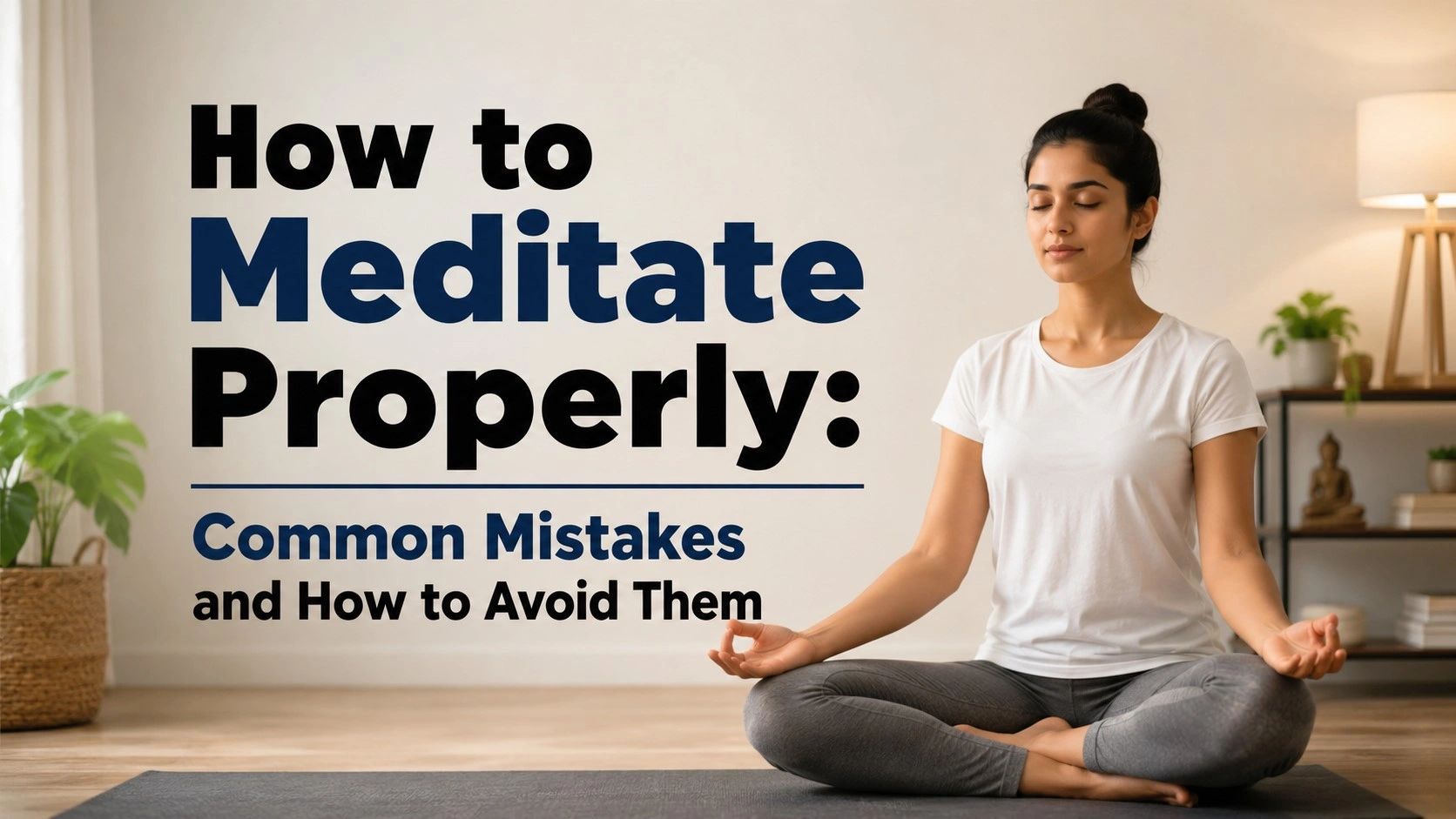
Meditation has become one of the most talked-about wellness practices in the world today. Yet, when beginners try to meditate, they often find themselves distracted, restless, or unsure if they’re “doing it right.” The truth is: meditation is not about perfection; it’s about awareness. If you’ve ever wondered what is meditation, how to meditate properly, or what mistakes to avoid while meditating, this guide is for you.
In this blog, we’ll explore how to meditate step-by-step, common beginner mistakes, and how to make your meditation practice effortless even if you’ve never done it before.
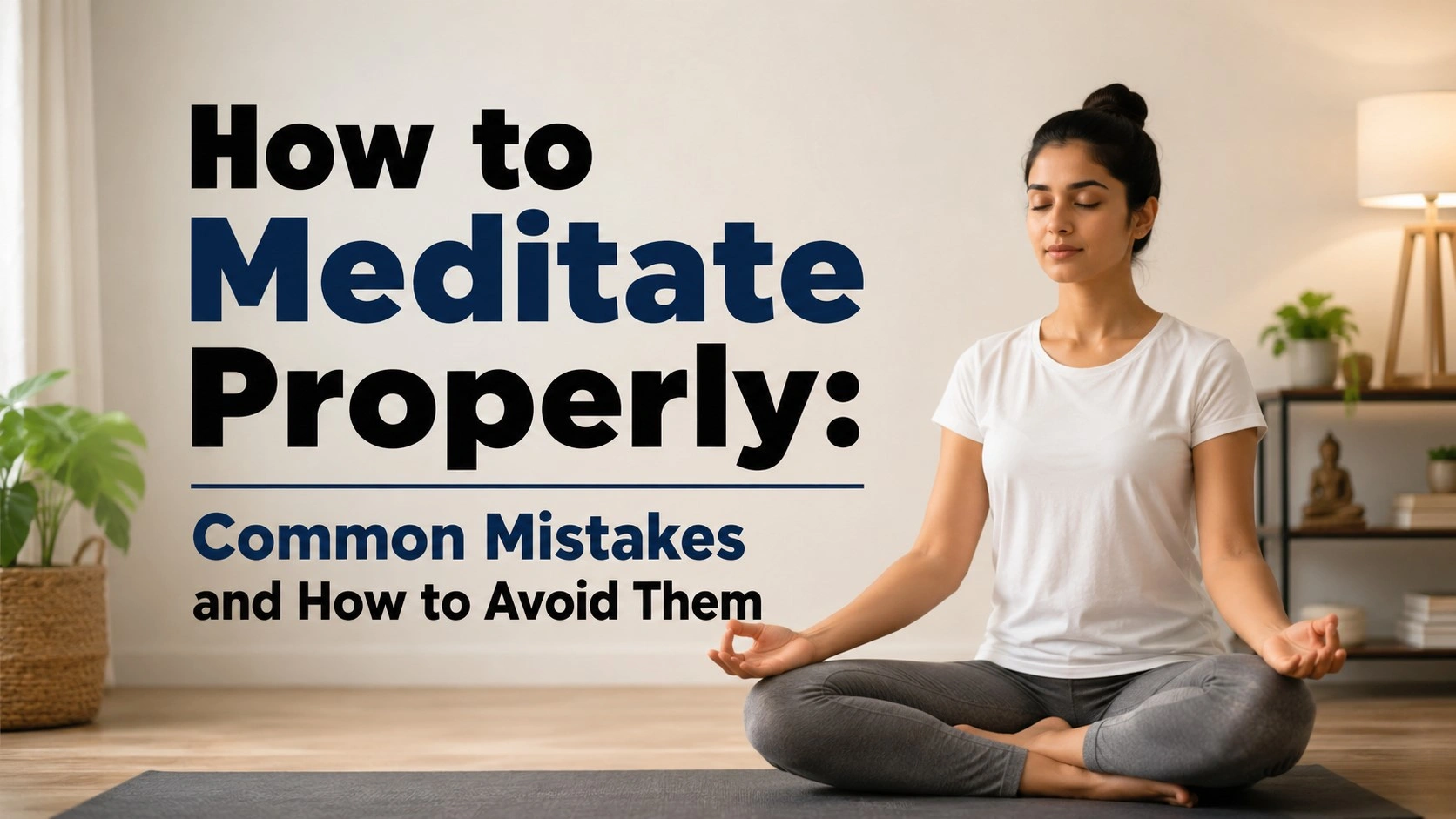
What Is Meditation? Discover the Benefits & How to Start
Meditation is the art of training your mind to be present. It’s not about stopping thoughts but about observing them without getting attached.
When you meditate, you enter a state of awareness where you’re simply being rather than doing. Over time, this helps reduce stress, improve focus, and promote emotional balance.
Key Benefits of Meditation:
Reduces anxiety and stress
Enhances focus and memory
Improves emotional health and self-awareness
Promotes better sleep
Boosts overall mindfulness and energy
If you’re new, start with just 5 minutes daily. Gradually increase it as your comfort grows.
Design Your Destiny
Your mind shapes your reality. Start your journey toward clarity, peace, and self-awareness with our Design Your Destiny program. Learn practical meditation and mindfulness techniques to create a calmer, more conscious life.
Start Your Journey!How to Meditate for Beginners: A Simple Step-by-Step Guide
Step 1: Find Your Space
Choose a quiet and comfortable place where you won’t be disturbed. You can sit on a chair or the floor; just keep your back straight.
Step 2: Set a Timer
Begin with 5–7 minutes. As you progress, extend it to 15–20 minutes.
Step 3: Focus on Your Breath
Gently close your eyes. Inhale deeply through your nose, exhale slowly through your mouth. Focus on your breath as it flows in and out.
Step 4: Observe, Don’t Control
When thoughts come (and they will), simply notice them and return your focus to your breath. Don’t fight them; just let them pass.
Step 5: End Gently
After your timer goes off, open your eyes slowly. Sit still for a moment, noticing how calm and refreshed you feel.
That’s it, you’ve meditated.
Common Meditation Mistakes (and How to Avoid Them)
Even the most dedicated beginners make mistakes when starting their meditation journey. Let’s uncover the most common ones:
1. Expecting Instant Results
Many beginners believe they’ll feel peaceful immediately. Meditation is a gradual process—like training a muscle. Be patient with yourself.
Fix: Focus on consistency, not intensity. Five minutes daily is better than an hour once a week.
2. Trying Too Hard to “Empty the Mind”
You can’t force your mind to stop thinking. The purpose of meditation is to observe, not control.
Fix: When a thought arises, acknowledge it and bring your attention back to your breath.
3. Judging Your Practice
“Am I doing this right?” “Why can’t I concentrate?” these thoughts distract you more than help you.
Fix: Meditation has no “perfect way.” Every session is valuable, even the distracted ones.
4. Skipping the Post-Meditation Reflection
Jumping straight into work after meditating can dissolve its effects.
Fix: Take a minute after meditation to reflect or journal how you feel. This helps integrate calmness into your day.
5. Being Inconsistent
Many start strong but lose momentum after a week.
Fix: Set a routine; same time, same place. Early morning or before bed is ideal.

Learn How to Meditate: Easy Techniques You Can Do Today
If sitting silently feels hard, try one of these simple techniques:
Guided Meditation: Follow audio or app-based instructions to stay focused.
Mantra Meditation: Silently repeat a word or phrase (like “peace” or “om”) to anchor your mind.
Walking Meditation: Be mindful of each step and breath as you walk.
Breath Awareness: Simply observe your breathing rhythm.
These are great ways to begin your 7-minute daily practice for calm, focus, and sleep.
The Ultimate Beginner’s Guide to Meditation & Mindfulness
When you start practicing meditation regularly, you naturally become more mindful in everyday life. Mindfulness means being aware of your present moment—your thoughts, emotions, surroundings, and sensations.
Here’s how to bring mindfulness into your day:
While eating, focus on taste, smell, and texture.
While working, focus on one task at a time.
While talking, listen fully before responding.
The more you live mindfully, the deeper your meditation becomes.
From Stress to Stillness: How Meditation Works & How You Can Begin
Scientific studies show that meditation changes brain patterns linked with stress and anxiety. It lowers cortisol levels and activates the “relaxation response.”
When you meditate consistently, you’ll notice:
Less overthinking
Sharper focus
More emotional control
Greater clarity in decisions
This inner stillness doesn’t just calm your mind; it transforms your life.

Practical Tips to Make Meditation a Habit
Start with small goals (5 minutes daily).
Use meditation apps like Calm or Headspace.
Don’t worry about posture; comfort matters more than perfection.
Stay curious and kind to yourself.
Track your progress weekly to stay motivated.
Meditation is not a competition; it’s a connection. When you stop forcing outcomes and simply allow yourself to be, that’s when meditation truly begins. Start today, stay consistent, and you’ll soon witness a calmer, clearer version of yourself.
Book a Personal Session
Feeling emotionally overwhelmed, lonely, or stuck in unhealthy attachment patterns? Join a personalized guidance session to gain clarity, emotional balance, and practical spiritual tools for inner healing and transformation.
Book Now