
If you’ve ever wondered why some days you feel unstoppable and other days you can’t even start a simple task , the answer lies in one powerful brain chemical: dopamine.
Often called the “motivation molecule”, dopamine is what fuels your drive, excitement, focus, and goal-oriented actions. It’s the reason you feel good after achieving something, learning something new, or even ticking off a to-do list.
But here’s the twist:
Most people try to boost dopamine in all the wrong ways like caffeine, sugar, scrolling, or overstimulation. These give short spikes followed by exhaustion.
Meditation; something most people see as “relaxing” or “spiritual” is actually a neuroscientific tool for improving dopamine levels, motivation, productivity, and focus.
Let’s break down the science of how meditation boosts dopamine and why mindfulness is becoming the #1 motivation hack for entrepreneurs, professionals, students, and anyone wanting a sharper brain.
1. What Is Dopamine? The Real Fuel Behind Motivation
Dopamine is a neurotransmitter responsible for:
Motivation & drive
Focus & attention
Reward-seeking behavior
Learning & memory
Energy & enthusiasm
When dopamine levels are balanced, you feel:
Motivated
Energized
Focused
Clear-minded
Emotionally stable
When dopamine is low, you experience:
Lack of motivation
Difficulty focusing
Mental fatigue
Procrastination
Low enthusiasm
Feeling “stuck”
Many people mistake this for laziness when in reality, it’s a dopamine deficiency symptom.
Design Your Destiny
Your mind becomes powerful when your inner chemistry is balanced. Join our Design Your Destiny journey and learn practical meditation techniques to unlock focus, motivation, emotional stability, and true inner transformation.
Start Your Journey!2. How Meditation Boosts Dopamine (The Neuroscience)
A study published in Biological Psychology found that meditation increases dopamine levels by up to 65%. That’s huge.
Here’s what actually happens in your brain:
a) Meditation reduces stress hormones (cortisol), allowing dopamine to rise naturally
Stress blocks dopamine production.
Meditation calms the nervous system, which allows the brain to restore healthy dopamine flow.
b) Meditation stimulates the “reward system” of the brain
Mindfulness increases activity in the striatum, the center of the reward circuit.
This results in:
more motivation
improved emotional stability
increased drive to take action
c) Meditation improves overall brain chemistry
It balances:
dopamine
serotonin
endorphins
GABA
This chemical harmony results in better focus, calmness, and energy.
d) Meditation helps regulate dopamine release throughout the day
Unlike coffee or sugar (quick spike → crash), meditation gives:
steady dopamine
sustainable motivation
long-lasting focus
This is why it is becoming a top tool for corporate professionals, founders, and high performers.
3. Meditation for Motivation: Why It Works Better Than Willpower
When dopamine is balanced, you don’t need “tons of motivation” — you naturally feel like starting things, sticking to them, and finishing them.
Meditation boosts motivation by:
removing mental fog
increasing clarity
boosting brain energy
improving task initiation
enhancing focus
improving emotional stability
You basically become a sharper, calmer, more productive version of yourself.
This is why many high performers do mindfulness meditation, breathing practices, or focused-attention exercises every morning.
4. How Meditation Improves Focus & Productivity
Meditation increases activity in the prefrontal cortex — the part of your brain responsible for:
decision-making
attention span
planning
productivity
A well-regulated dopamine system helps you:
finish tasks faster
stay focused longer
avoid distractions
handle work stress better
think more clearly
This creates a natural state of “flow”, where work feels smoother and more enjoyable.

5. How Meditation Helps Corporate Professionals
Let’s be real — corporate stress is at an all-time high. Deadlines, meetings, multitasking, burnout… all destroy dopamine.
Meditation gives corporate employees:
instant stress relief
better mood regulation
higher productivity
improved concentration
emotional resilience
better workplace performance
Even 5 minutes of mindfulness can reset the brain after a stressful meeting or during a heavy workday.
This is why companies like Google, Apple, Nike, and LinkedIn introduced meditation programs for employees.
6. How to Increase Dopamine Naturally Through Meditation
Here are the best meditation practices known to boost dopamine:
1. Focused-Attention Meditation (Highly Effective)
Focus on one thing — breath, mantra, sensation.
This activates the brain’s reward system and increases dopamine.
2. Mindfulness Meditation
Observe thoughts without reacting.
This reduces stress and regulates dopamine flow.
3. Breathwork Meditation
Deep, slow breathing increases oxygen → improves dopamine release → calms the brain.
4. Visualization Meditation
Imagining goals triggers dopamine pathways identical to achieving them.
5. Mantra Meditation
Repeating a calming phrase increases mental clarity and reduces stress-driven dopamine drops.
6. Walking Meditation
Perfect for people who overthink, movement + mindfulness boosts dopamine naturally.

7. Early Signs That Meditation Is Working
Within 2–3 weeks, people usually report:
more motivation
improved focus
better mood
less overthinking
enhanced emotional balance
increased energy
improved productivity at work
In 6–8 weeks, the brain starts showing structural changes — better prefrontal cortex activity and stronger emotional regulation.
8. Tips to Stay Consistent With Meditation (Motivation Hack)
If you want dopamine benefits, consistency matters more than duration.
Here’s what helps:
Start with 5 minutes
Don’t aim for perfection
Pick the style that feels easiest
Meditate at the same time daily
Use guided meditations
Track your progress
Your brain starts craving meditation once dopamine stabilizes.
9. Scientific Benefits of Meditation (Backed by Research)
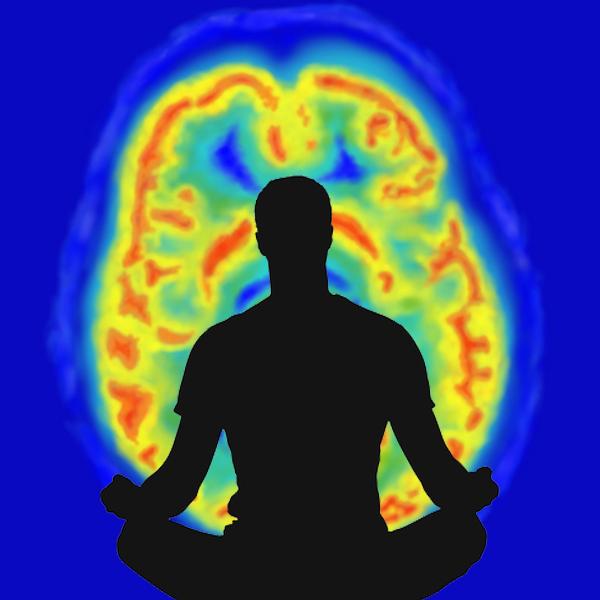
Modern neuroscience confirms that meditation helps:
regulate dopamine
improve neural pathways
reduce anxiety
reduce depressive symptoms
improve cognitive function
increase emotional intelligence
enhance work performance
It is one of the most effective non-medical dopamine-enhancing techniques ever studied.
Personal Session
Feeling mentally exhausted, distracted, or unmotivated? Book a personal session to receive guided support, personalized meditation practices, and clarity for building a calmer, more focused, and purpose-driven life.
Book Now