Kartik Maas is considered one of the most sacred months in the Hindu calendar. Observed during the autumn season, this spiritually significant period encourages devotees to deepen their connection with the divine through prayer, worship, self-discipline, charity, and acts of kindness. Many Hindu traditions associate Kartik Maas particularly with Lord Vishnu, Lord Krishna, Tulsi worship, and the lighting of devotional lamps.
The Kartik Maas rituals followed during this month are not limited to elaborate ceremonies. Simple daily practices, such as offering a diya, chanting a mantra, reading sacred texts, and helping someone in need, can also become meaningful expressions of devotion.
Whether you are observing Kartik Maas for the first time or continuing a family tradition, understanding its significance and rituals can help you approach the month with greater awareness and sincerity.
In this guide, we explore the significance of Kartik Maas, its important rituals, daily worship practices, traditional observances, and simple ways to make this sacred month meaningful.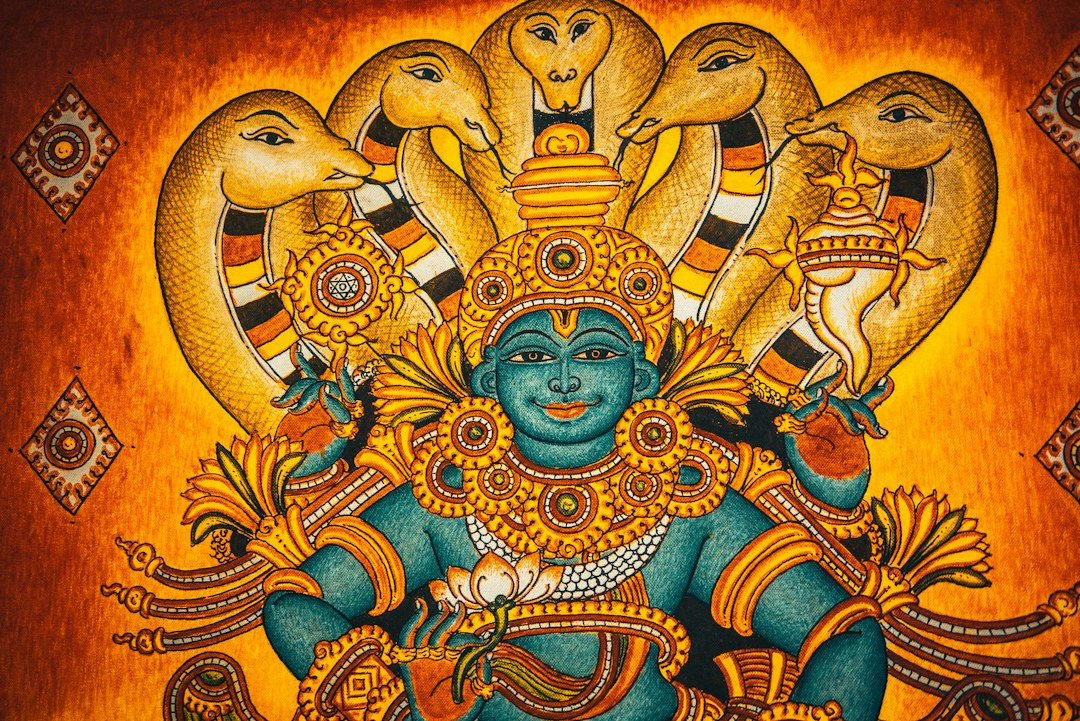
What Is Kartik Maas?
Kartik Maas is a sacred lunar month in Hinduism, generally falling during October and November in the Gregorian calendar. Its exact dates depend on the Hindu lunar calendar and the regional tradition followed.
The month holds special importance in several Vaishnava traditions, where it is associated with devotion to Lord Vishnu and Lord Krishna. It is also known as Damodara Maas in many Vaishnava communities, referring to Lord Krishna's childhood pastime with Mother Yashoda.
Hindu devotional literature, including the Kartika Mahatmya traditions associated with the Padma Purana, describes the spiritual importance of worship, bathing, charity, chanting, and offering lamps during this period.
For many devotees, Kartik Maas is an opportunity to simplify daily life, strengthen spiritual discipline, and dedicate more time to prayer and reflection.
Design Your Destiny
Spiritual traditions invite us to look beyond everyday routines and reflect on our relationship with nature, ourselves, and the world around us.
Start Your Journey Today!Why Is Kartik Maas Spiritually Significant?
The significance of Kartik Maas extends beyond individual rituals. It represents a period for cultivating devotion, self-control, compassion, and awareness.
1. A Month Dedicated to Devotion
Many devotees increase their daily prayers and worship during Kartik Maas. Lord Vishnu and Lord Krishna receive particular attention in Vaishnava traditions, although practices vary across regions and families.
Regular worship can provide a meaningful opportunity to pause, reflect on spiritual teachings, and reconnect with one's values.
2. The Importance of Light
Lighting a diya is among the best-known Kartik Maas rituals. In Hindu devotional symbolism, light represents knowledge, hope, and the movement from ignorance toward understanding.
Offering a lamp during prayer can become a reminder to cultivate honesty, kindness, and clarity in everyday life.
3. Self-Discipline and Simplicity
Some devotees observe dietary restrictions, fasting on particular days, or additional spiritual commitments during Kartik Maas. These practices differ according to family customs, religious traditions, and personal circumstances.
The underlying intention is to develop discipline and give greater attention to spiritual priorities without neglecting health or daily responsibilities.
4. Charity and Compassion
Giving food, clothing, or other appropriate assistance to people in need is another valued practice during Kartik Maas. Charity encourages gratitude and reminds devotees that spirituality includes how they treat others.
10 Important Kartik Maas Rituals to Follow
The following practices are common in various Hindu devotional traditions. You do not need to perform every ritual to make the month meaningful; choose practices that suit your circumstances and family tradition.
1. Kartik Snan: The Sacred Morning Bath
Kartik Snan refers to the ritual bath observed during Kartik Maas. Traditionally, many devotees prefer bathing before sunrise and dedicating the beginning of the day to prayer.
Some people visit sacred rivers or pilgrimage sites, while others observe the practice at home.
How to observe it:
Wake up at a comfortable, consistent time.
Bathe and wear clean clothes.
Offer a short prayer to your chosen deity.
Begin the day with a peaceful intention.
A ritual bath should be approached according to your health and circumstances. Bathing in a river or travelling to a pilgrimage site is not necessary for everyone; personal safety and local conditions matter.
2. Tulsi Puja During Kartik Maas
Tulsi, or holy basil, holds an important place in many Hindu households. It is especially associated with Lord Vishnu and Lord Krishna in Vaishnava devotional traditions.
Tulsi Puja during Kartik Maas often includes offering water, lighting a diya nearby, praying, and expressing gratitude.
A simple Tulsi Puja routine:
Clean the area around the Tulsi plant.
Offer water if the plant needs watering.
Light a diya in a safe location, away from dry leaves.
Offer a prayer or chant a devotional mantra.
Spend a moment reflecting on gratitude and devotion.
Tulsi worship can become a regular reminder to care for living things and approach daily responsibilities with patience.
3. Deep Daan: Offering Lamps
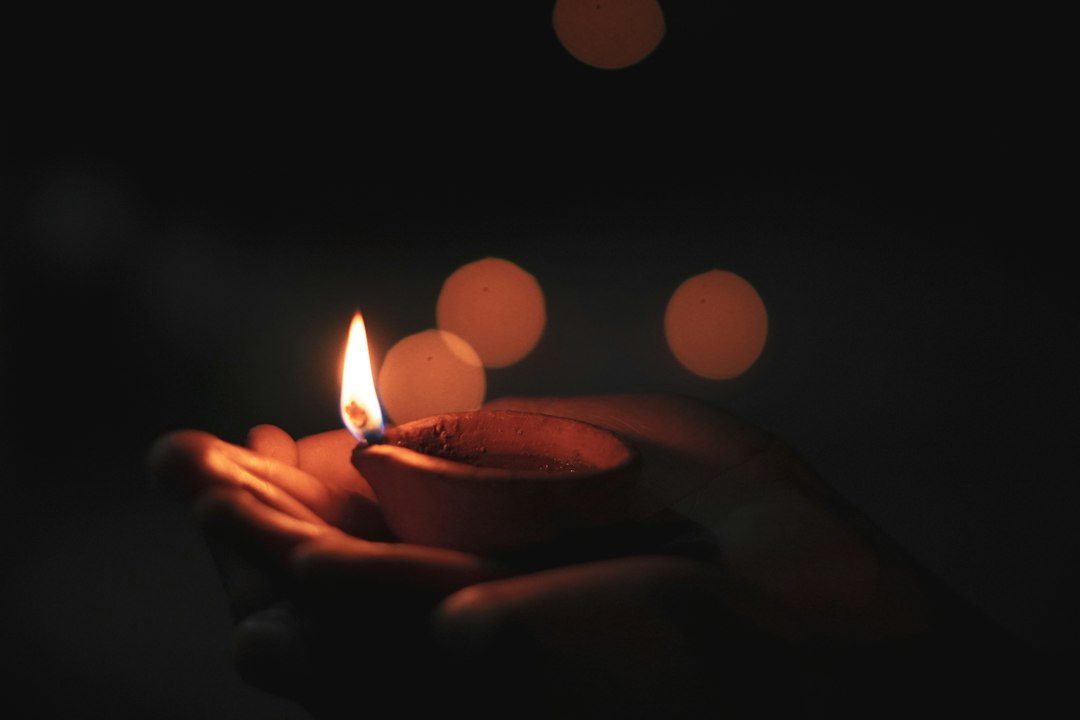
Deep Daan means offering or donating lamps as an act of devotion. During Kartik Maas, devotees may light diyas at home, in temples, or at designated religious locations.
In many traditions, lamps are offered to Lord Vishnu or Lord Krishna, and some communities also observe other regional forms of lamp worship.
How to practise Deep Daan at home:
Choose a stable, non-flammable surface.
Use a traditional diya or another suitable lamp.
Offer a short prayer while lighting it.
Keep the flame away from curtains, paper, plants, and other combustible materials.
Never leave a burning lamp unattended.
The purpose is not to display the largest number of lamps. A single lamp offered with sincerity can hold personal spiritual meaning.
4. Worship of Lord Vishnu and Lord Krishna
Worship of Lord Vishnu and Lord Krishna is central to Kartik observances in many Vaishnava traditions.
Devotees may offer flowers, Tulsi leaves where appropriate, water, fruit, or homemade vegetarian food according to their family practices.
A simple puja can include:
Preparing a clean prayer space.
Lighting a diya safely.
Offering water or flowers.
Chanting a preferred mantra.
Reading a devotional passage.
Ending with a prayer of gratitude.
You can keep the routine short and consistent instead of feeling pressured to perform an elaborate ceremony every day.
5. Chanting Mantras and Naam Jap
Naam Jap means repeating the name of a deity with devotion and attention. During Kartik Maas, devotees may chant the names of Lord Krishna, Lord Vishnu, or another deity according to their tradition.
Chanting can help create a regular moment of reflection within a busy day.
A beginner-friendly practice:
Sit comfortably in a quiet place. Choose a familiar devotional mantra, repeat it at a relaxed pace, and gently return your attention to the words whenever your mind wanders.
You can practise for five or ten minutes and gradually establish a routine that feels sustainable.
6. Reading Sacred Texts
Reading or listening to sacred texts is another traditional way to observe Kartik Maas. Devotees may read passages from the Bhagavad Gita, Bhagavata Purana, Ramayana, or other texts respected within their tradition.
Rather than focusing only on how much you read, consider the meaning of a short passage.
Ask yourself:
What does this teaching say about compassion?
How can I apply it in daily life?
Does it encourage greater patience, humility, or honesty?
Even a few minutes of thoughtful reading can make spiritual learning part of your everyday routine.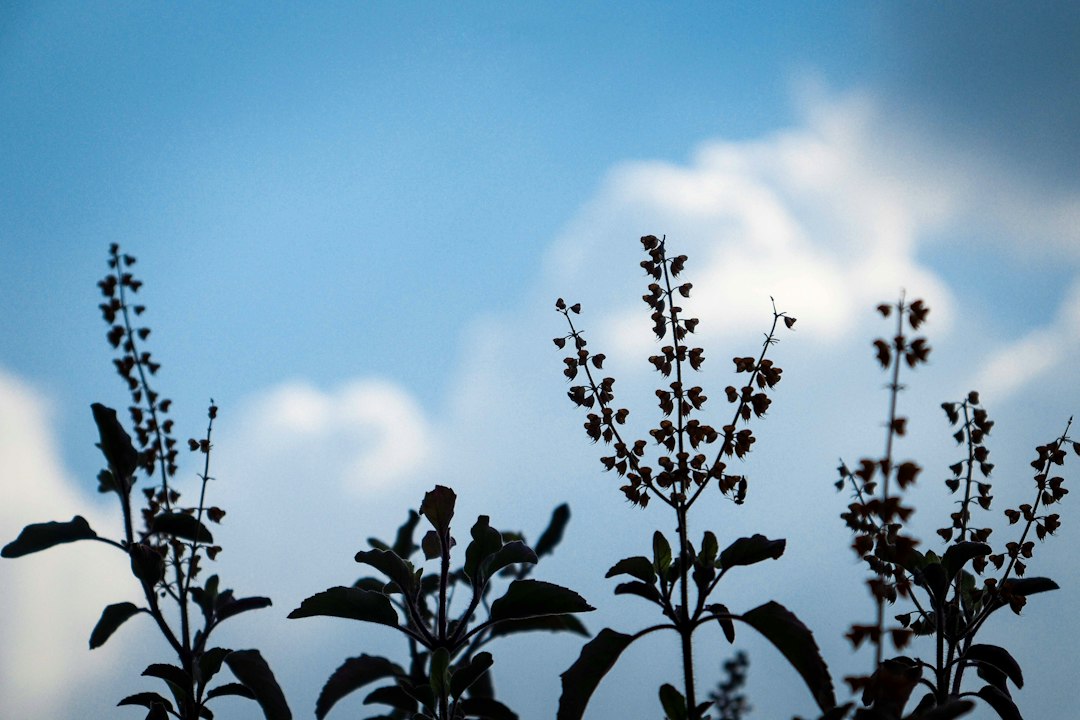
7. Observing Vrat and Dietary Discipline
Some devotees observe a vrat, or religious vow, during Kartik Maas. Depending on the tradition, this may involve fasting on specific days, avoiding certain foods, or choosing a simpler vegetarian diet.
There is no single dietary rule followed by every Hindu household during this month.
If you choose to observe a vrat, understand its requirements beforehand and follow a practice appropriate to your age, health, and circumstances. Avoid extreme fasting or restrictive eating, and seek guidance from a qualified healthcare professional when dietary restrictions may affect your health.
The purpose of a spiritual observance is devotion and discipline, not physical hardship.
8. Charity and Seva
Seva means selfless service. It is an important expression of spirituality because it brings religious values into everyday actions.
During Kartik Maas, devotees may donate food, support community kitchens, help elderly neighbours, contribute to appropriate charitable causes, or volunteer at a temple.
You can also practise seva without spending money. Helping someone with a task, listening patiently, or sharing useful knowledge can be meaningful forms of service.
The most important consideration is that assistance should be offered respectfully, without expecting recognition or a reward.
9. Prayer and Reflection in the Evening
Evening prayer provides an opportunity to slow down after the day's activities. Many households light a diya, sing devotional songs, or spend a few moments in quiet prayer.
You can use this time to reflect on your actions and intentions.
Consider three simple questions:
What am I grateful for today?
Where could I have acted with greater kindness?
What positive intention would I like to carry into tomorrow?
This practice connects traditional worship with conscious living and personal reflection.
10. Participate in Important Kartik Festivals
Several important Hindu observances fall during Kartik Maas, although their dates and local customs vary.
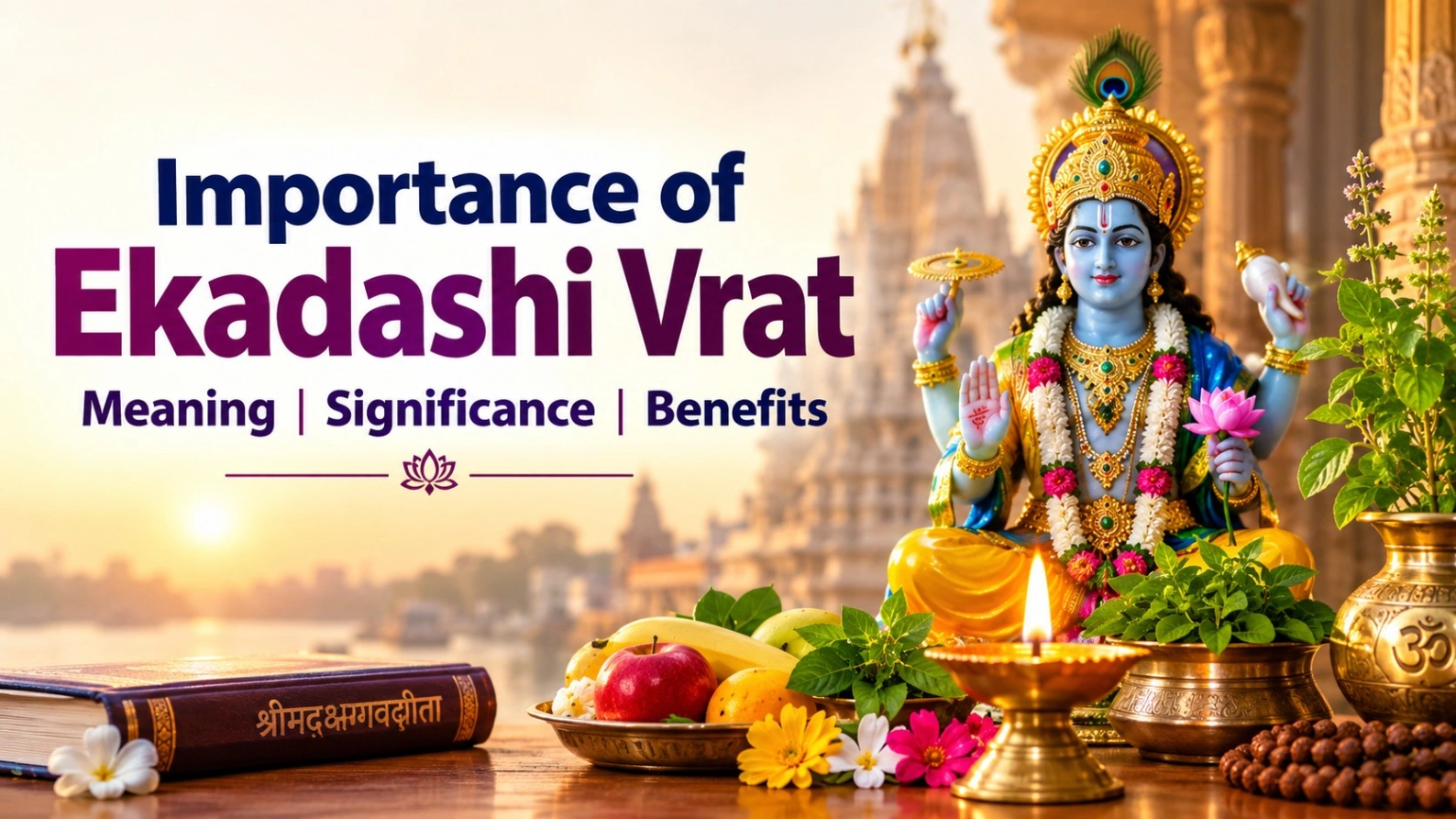
Dev Uthani Ekadashi: Also called Prabodhini Ekadashi, it marks the symbolic awakening of Lord Vishnu in many Hindu traditions and is associated with the resumption of certain auspicious religious activities.
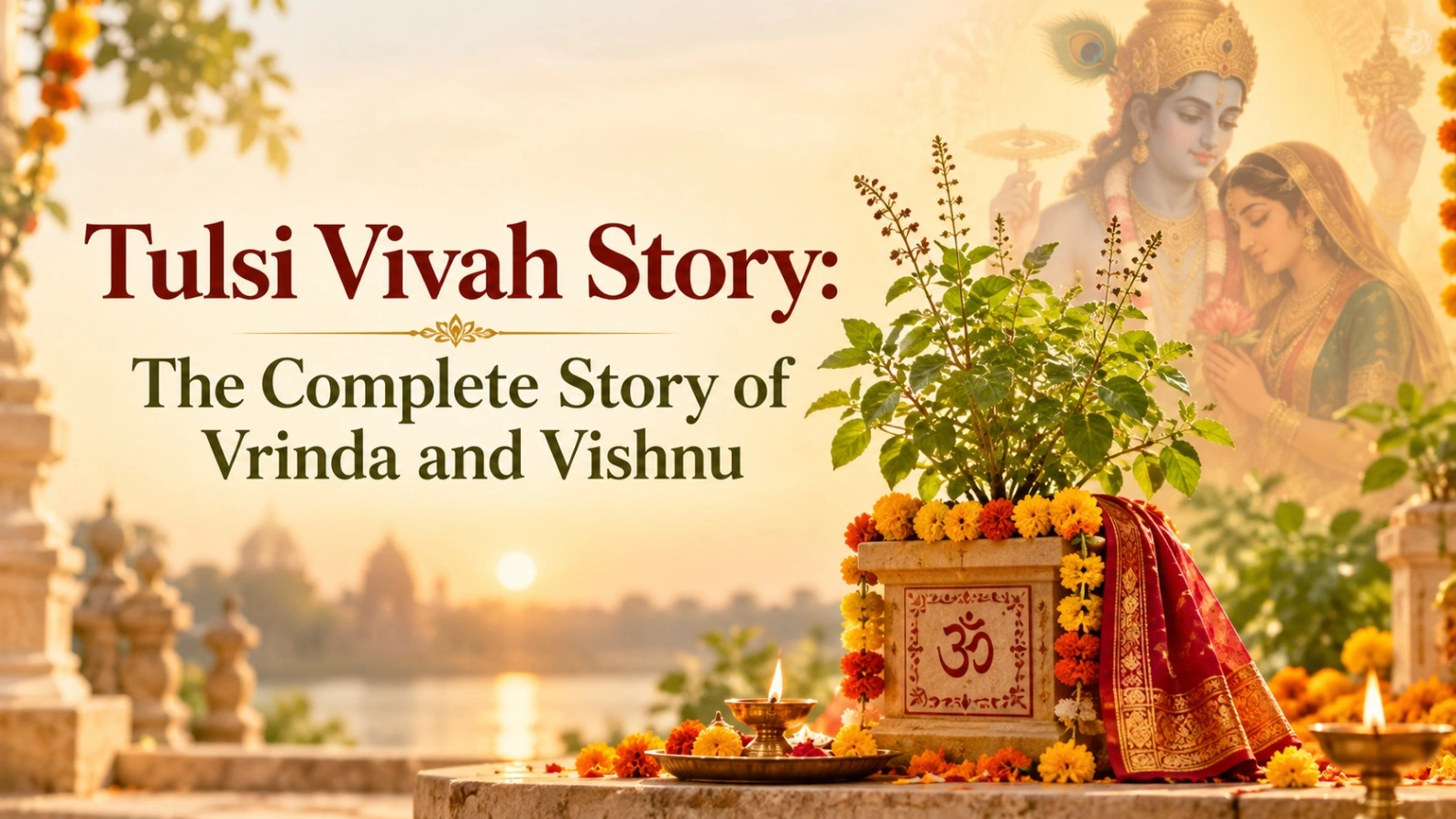
Tulsi Vivah: This ceremonial observance celebrates the symbolic marriage of Tulsi and Lord Vishnu or Krishna, depending on the tradition.
Kartik Purnima: The full-moon day at the end of Kartik Maas is associated with prayer, bathing, charity, and lamp offerings in many communities. Dev Deepawali is especially celebrated in Varanasi.
Participating in local celebrations can help families preserve traditions and understand their cultural significance.
A Simple Daily Kartik Maas Puja Routine
If you are new to Kartik Maas rituals, begin with a manageable schedule rather than attempting every observance at once.
Morning
Bathe and wear clean clothes.
Offer a short prayer to your chosen deity.
Perform Tulsi Puja if it is part of your tradition.
Chant a mantra or read a short passage from a sacred text.
During the day
Carry out your responsibilities mindfully.
Practise honesty, patience, and compassion.
Perform a small act of seva or charity when possible.
Evening
Light a diya safely.
Offer a prayer or sing a devotional song.
Reflect on the day's actions.
End the day with gratitude.
Consistency is more useful than making an ambitious routine that becomes difficult to maintain.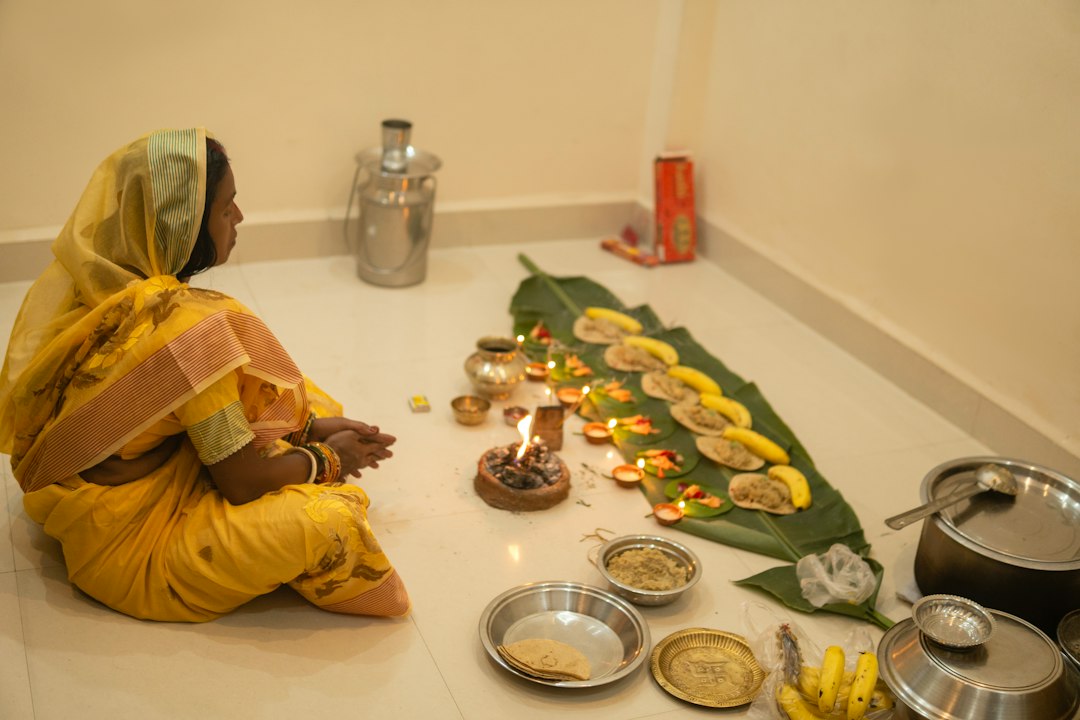
Traditional Rules to Remember During Kartik Maas
Kartik observances differ across regions and religious lineages, so it is important to distinguish customary practices from universal requirements.
Depending on their tradition, devotees may choose to:
Follow a vegetarian diet.
Avoid particular foods or habits.
Observe specific Ekadashi fasts.
Spend additional time in prayer and scriptural study.
Practise truthfulness, restraint, and respectful speech.
Give charity and avoid unnecessary waste.
Not every rule applies to every household. If you intend to observe a formal religious vow, consult a trusted religious guide familiar with your tradition.
Avoid treating ritual observance as a competition. The spirit of devotion, compassion, and sincerity is central to a meaningful practice.
How to Make Kartik Maas More Meaningful
The deeper value of Kartik Maas lies in bringing spiritual principles into everyday life.
Begin by selecting two or three practices you can follow regularly. For example, you might light a diya in the evening, read a short spiritual passage, and perform one act of kindness each day.
Reduce distractions during prayer and give your attention to the practice you have chosen. If you miss a day, simply return to your routine without unnecessary guilt.
You can also keep a small journal to record what you learn, what you appreciate, and how you would like to improve your conduct.
Above all, remember that spiritual growth is not measured by the number of rituals performed. It can also be reflected in patience, generosity, self-awareness, and the way you treat others.
Kartik Maas offers an opportunity to renew your spiritual routine through devotion, reflection, and compassionate action. From Kartik Snan and Tulsi Puja to Deep Daan, mantra chanting, sacred reading, and charity, these traditional practices provide different ways to connect religious observance with everyday living.
You can begin with a simple morning prayer and an evening diya, then gradually include other practices that suit your beliefs and circumstances.
Approach Kartik Maas with sincerity rather than pressure. Let each prayer remind you of your values, each act of service strengthen your compassion, and each day become an opportunity to live with greater awareness.
This Kartik Maas, begin with one meaningful practice and allow consistency, gratitude, and devotion to guide your journey.
Personal Session
Every spiritual journey is unique. If you would like to explore your intentions, personal growth, and daily mindfulness practices more deeply, a personal session can offer dedicated time for reflection and guidance.
Book Now
Read Latest Articles
What Is My Purpose in Life?How to Discover Your True Calling
Bhai Dooj Date: Tilak Muhurat, Puja Time & Complete Vidhi
Frequently Asked Questions
What are the main Kartik Maas rituals?
The main Kartik Maas rituals include Kartik Snan, Tulsi Puja, Deep Daan, worship of Lord Vishnu and Lord Krishna, mantra chanting, reading sacred texts, and charity. Some devotees also observe vrat on specific days according to their family traditions.Why is Kartik Maas considered sacred?
Kartik Maas is considered sacred in many Hindu traditions because it is associated with devotion, spiritual discipline, prayer, and charity. Vaishnava traditions particularly emphasize the worship of Lord Vishnu and Lord Krishna during this month.Can we perform Kartik Maas rituals at home?
Yes, many Kartik Maas rituals can be performed at home. Devotees can offer prayers, worship Tulsi, light a diya safely, chant mantras, and read sacred texts. Simple and consistent practices can make the month spiritually meaningful.What is the significance of lighting a diya during Kartik Maas?
Lighting a diya, known as Deep Daan, is a traditional devotional practice that symbolizes light, knowledge, and spiritual understanding. Devotees may offer lamps during prayer at home or in temples according to their customs.Which festivals are celebrated during Kartik Maas?
Important observances associated with Kartik Maas include Dev Uthani Ekadashi, Tulsi Vivah, and Kartik Purnima. Their dates and customs may vary according to regional calendars and traditions.How can beginners observe Kartik Maas?
Beginners can start with a simple daily routine that includes morning prayer, a short mantra meditation, reading a spiritual passage, and lighting an evening diya safely. They can gradually add other practices according to their beliefs and circumstances.