

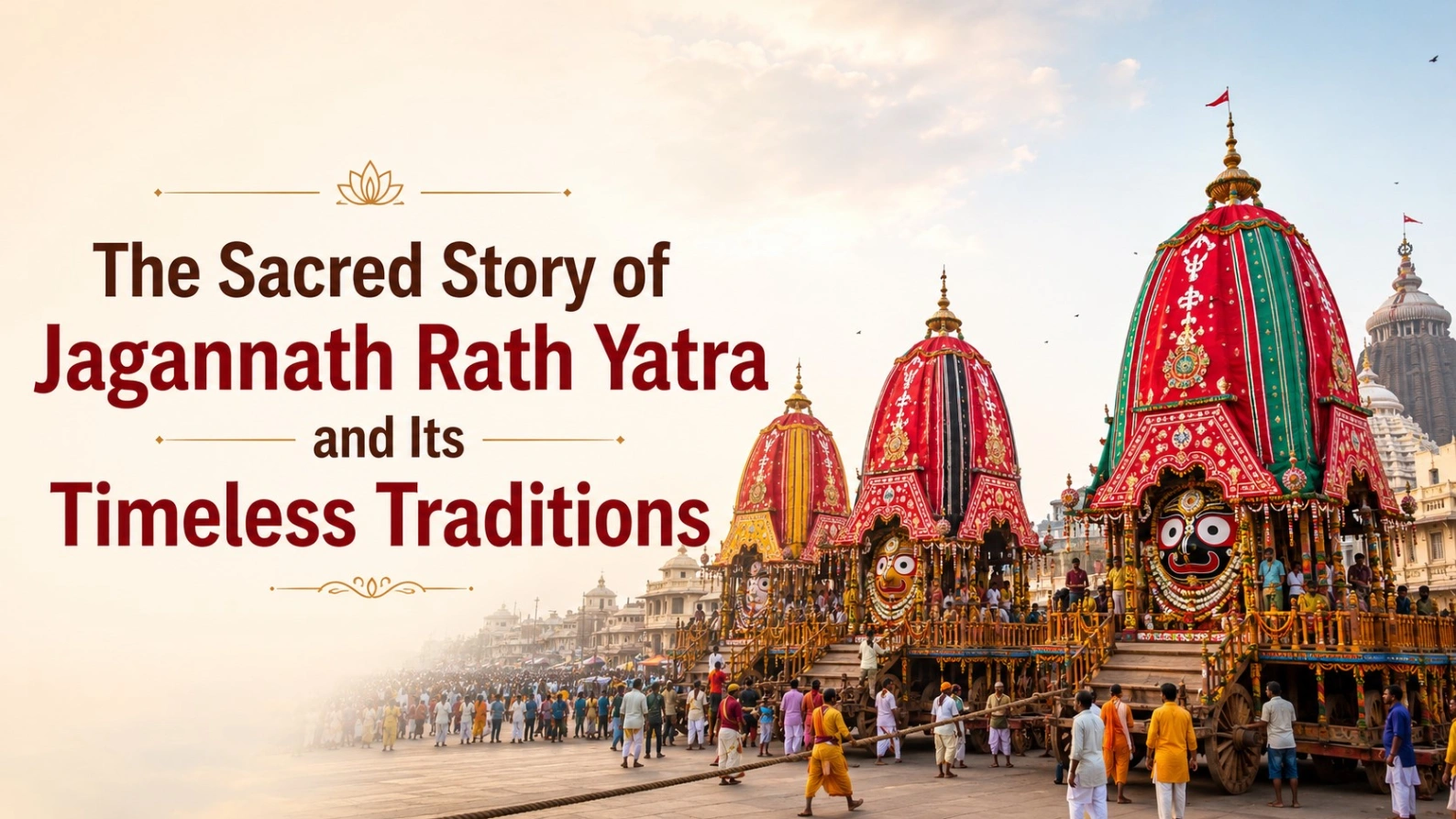
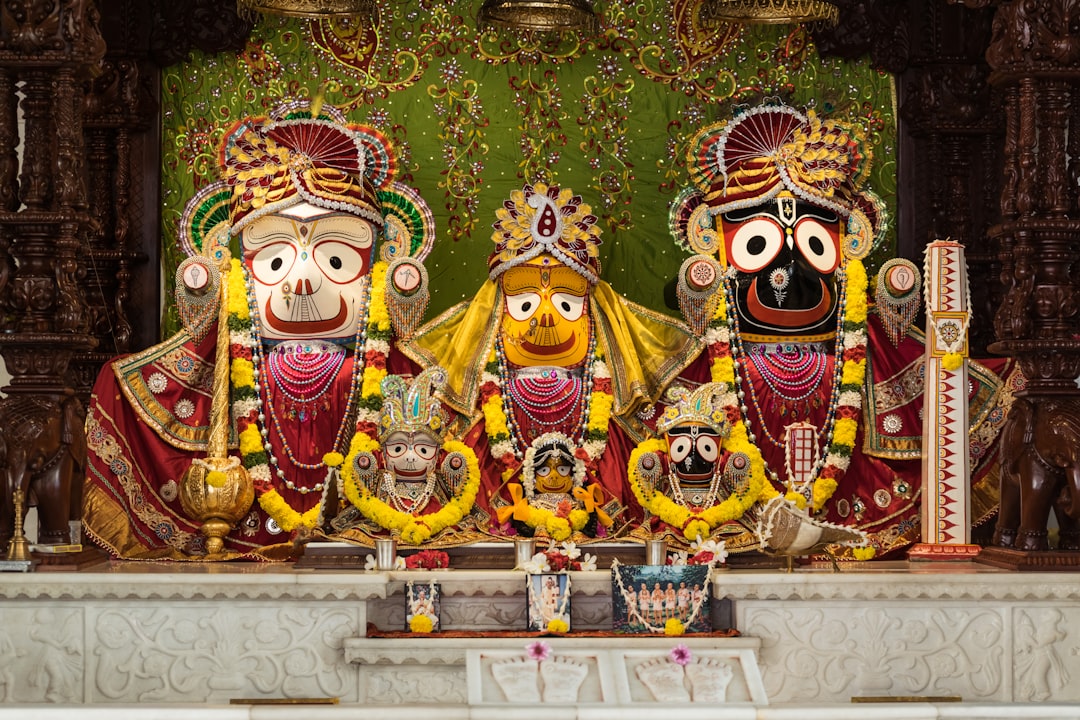
Jagannath Rath Yatra is more than a grand procession of decorated chariots. For devotees, it is a living expression of love, equality, surrender and divine connection. Every year, Puri Rath Yatra brings together Lord Jagannath, Lord Balabhadra and Goddess Subhadra as they leave the Jagannath Temple Puri and travel in public view. This sacred journey allows people to experience devotion beyond the temple walls and reconnect with the deeper purpose of faith.
Rath Yatra is observed on the second day of the bright fortnight of the Hindu month of Ashadha, usually in June or July. In 2026, published temple calendars list Jagannath Rath Yatra on Thursday, 16 July. Pilgrims planning a Puri visit should still follow local temple and administration announcements for final ritual timings and travel guidance.
What Is Jagannath Rath Yatra?
Jagannath Rath Yatra, also called the Festival of Chariots, is the annual chariot festival of Lord Jagannath and his siblings in Puri, Odisha. “Rath” means chariot, and “yatra” means journey. Yet its spiritual meaning goes beyond a physical route. It represents a divine meeting between the Lord and the people.
Most temple worship happens inside a sanctum, where devotees travel to seek darshan. During Lord Jagannath Rath Yatra, the movement is reversed. The deities come out into the streets, allowing people from different backgrounds to take part. The message is simple and powerful: spiritual grace is open to every sincere heart.
Design Your Destiny
Jagannath Rath Yatra teaches that life becomes meaningful when we move with faith, humility and a clear inner direction. Through Design Your Destiny, explore practical spiritual tools to understand your purpose, strengthen awareness and create a life guided by wisdom rather than confusion. Begin your journey towards inner balance, conscious action and lasting peace.
Strat Your Journey Today!The Sacred Story Behind Jagannath Rath Yatra
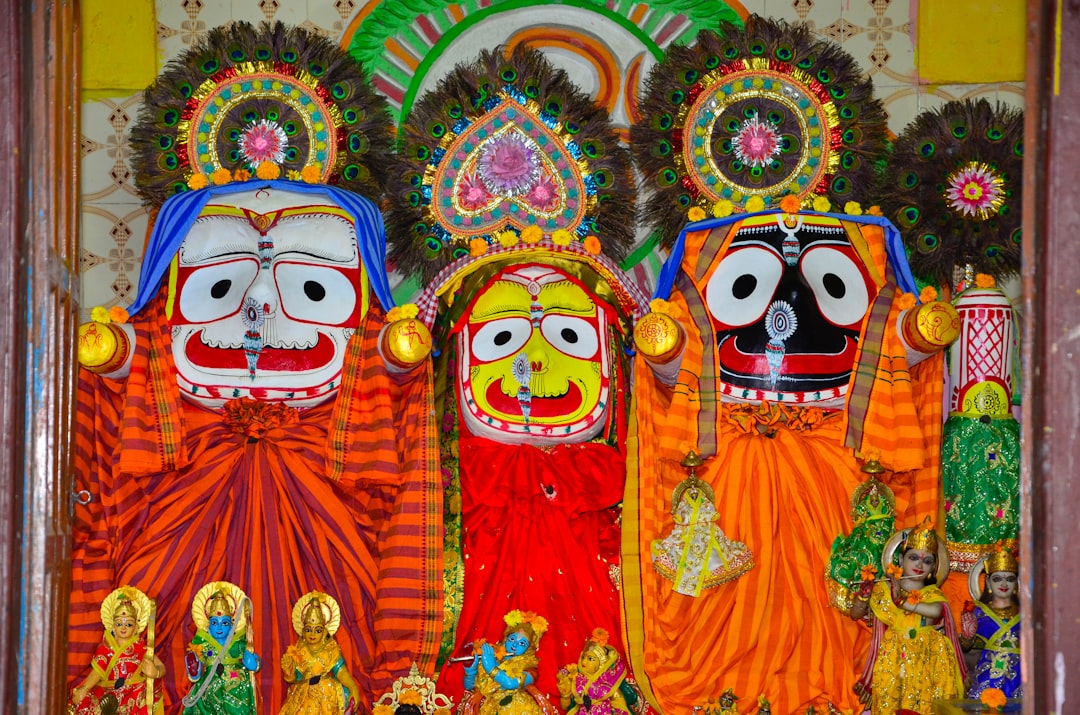
The story behind Jagannath Rath Yatra lives through temple traditions, devotional accounts and local legends. Rather than one single story, the festival carries many layers of faith. At its centre is the annual journey of Lord Jagannath, Lord Balabhadra and Goddess Subhadra from the main Jagannath Temple to Gundicha Temple.
In popular tradition, Gundicha Temple is remembered as the home of Lord Jagannath’s aunt. Another narrative links it with Queen Gundicha and King Indradyumna. In these sacred stories, the annual visit becomes an act of affection: the Lord leaves his royal abode to honour a loving invitation. That is why the route is not seen as an ordinary procession. It is a homecoming filled with warmth, devotion and divine intimacy.
For devotees, the journey also carries the feeling that the divine is never distant. Lord Jagannath comes out to meet people where they are, turning the streets of Puri into a place of darshan, prayer and celebration.
Preparations That Give the Festival Its Depth
The Jagannath Rath Yatra traditions begin long before the chariots move. On Akshaya Tritiya, the work of building the three wooden chariots begins. The construction follows inherited skills and traditional methods, making the chariots themselves a living part of Odisha’s cultural heritage.
Another important prelude is Snana Purnima, when the holy siblings are ceremonially bathed. Temple tradition then observes a period of seclusion before the public celebration begins. This sequence moves from preparation, to ritual care, to waiting, and finally to the joy of public darshan.
These early stages teach a quiet lesson. Meaningful celebrations are prepared through patience, service, discipline and devotion. In the same way, inner peace grows through steady daily practice.
The Three Sacred Chariots of Puri Rath Yatra
One of the most memorable sights of Puri Rath Yatra is the arrival of the three chariots. Lord Jagannath rides in Nandighosha, Lord Balabhadra rides in Taladhwaja, and Goddess Subhadra rides in Darpadalana. The chariots are built anew for the annual festival and decorated in distinctive colours and designs.
The siblings travel side by side, reminding devotees of family, harmony and spiritual companionship. The chariots are not merely vehicles. They are sacred spaces that carry the divine presence through the city.
When people see Lord Jagannath’s chariot moving forward, they see a tradition sustained by generations of artisans, servitors and devotees. It shows how faith becomes visible through collective effort.
Pahandi Bije: The Divine Procession to the Chariots
Before the journey begins, the deities are brought from the temple to their respective chariots in a ritual known as Pahandi Bije. The procession has a rhythmic, swaying movement, accompanied by instruments, chants and deep emotion.
For devotees, Pahandi Bije makes the divine feel close and present. It encourages us to bring prayer, gratitude and awareness into ordinary life, not only into formal worship.
Chhera Pahanra: The Tradition of Humility
Among the most meaningful Jagannath Rath Yatra rituals is Chhera Pahanra. In this ritual, the Gajapati Maharaja of Puri sweeps the chariot platforms with a golden broom. The act is simple, yet its message is profound.
The king’s service reminds everyone that social status disappears before the divine. Whether someone is wealthy or poor, powerful or unknown, each person stands equally before Lord Jagannath. This is why Chhera Pahanra remains one of the strongest symbols of humility in the Festival of Chariots.
It offers a lesson for modern life too: real greatness is not shown by being above others, but by serving with sincerity and respect.
Why Do Devotees Pull Lord Jagannath’s Chariot?
The sight of thousands of hands holding the ropes of Lord Jagannath’s chariot is central to Rath Yatra. Devotees pull the chariots with prayerful energy, chanting the Lord’s name and sharing a collective moment of devotion. For many, helping pull the rope is an act of seva, or selfless service.
The deeper meaning is not physical strength. It is participation. Whether someone pulls the rope, offers water, sings, volunteers or simply prays, they become part of a shared spiritual experience. The chariot moves through collective effort, making it a beautiful symbol of unity.
Gundicha Temple and the Sacred Stay
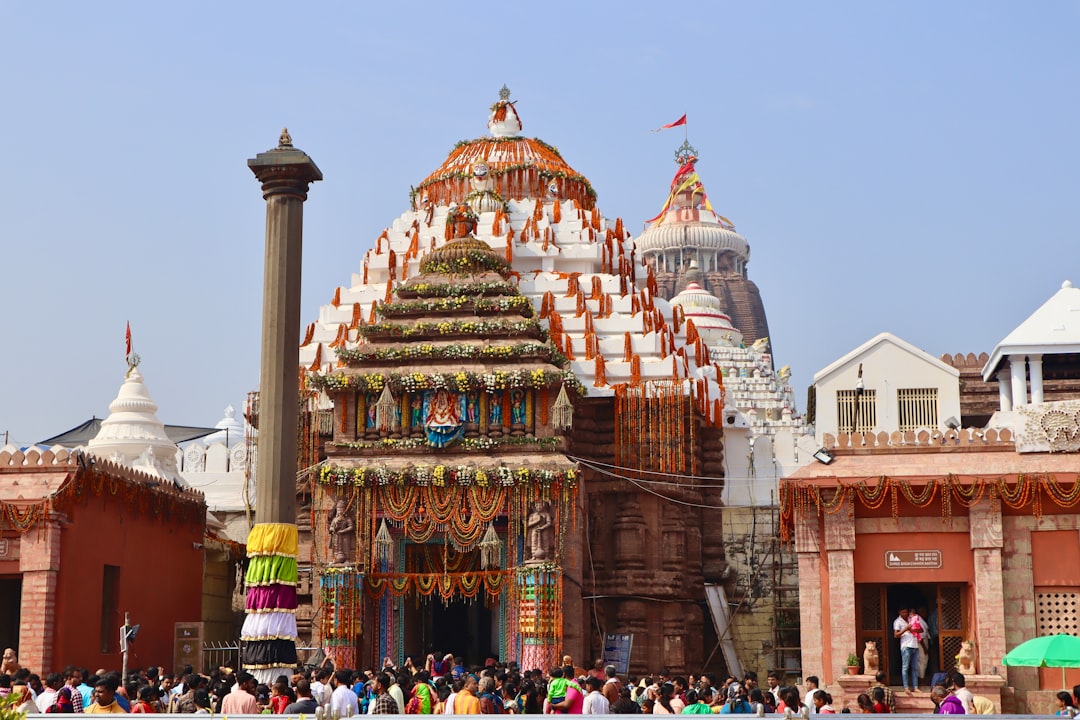
The destination of the Puri Rath Yatra is Gundicha Temple. Here, the three deities remain for several days before the return journey. This phase is often called Gundicha Yatra, and it gives devotees more time for darshan and reflection.
The symbolism of Gundicha Temple is gentle and personal. The divine leaves the grand temple and visits a space associated in tradition with family affection and welcome. It reminds us that love can be expressed through hospitality, remembrance and the joy of receiving someone with an open heart.
Spiritually, the journey also invites us to make inner space for the divine. A humble, welcoming heart becomes like a sacred home.
Bahuda Yatra and the Return Home
After the stay at Gundicha Temple, the holy siblings begin the return journey, known as Bahuda Yatra. The return to the Jagannath Temple completes the sacred cycle of the festival.
The return has a powerful meaning. A spiritual journey does not ask us to escape the world. It asks us to return to our daily responsibilities with more humility, clarity and love. The festival period also includes Suna Besha, when the deities appear in golden attire after their return, reminding devotees that true richness is faith, wisdom and service.
Timeless Lessons From Jagannath Rath Yatra
The first lesson is equality. Lord Jagannath’s public journey shows that no one is too small to receive grace. This is why the festival continues to inspire people across caste, community and social status.
The second lesson is humility. Chhera Pahanra teaches that leadership without service is incomplete. The person with the greatest responsibility must also be willing to serve.
The third lesson is unity. The three chariots, shared ropes and collective chants show how devotion can bring strangers together. The fourth lesson is surrender: we offer our effort while trusting the larger flow of life. Finally, Rath Yatra invites inner movement. It asks whether we are moving only through the outer journey of life, or also towards compassion, wisdom and truth.
Jagannath Rath Yatra 2026
For readers searching for Jagannath Rath Yatra 2026 or Rath Yatra 2026, the festival is listed for Thursday, 16 July 2026. This is useful for devotional planning and seasonal content. Anyone travelling to Puri should check official local updates closer to the date because ritual schedules, crowd arrangements and transport advisories can change.
Whether you witness the festival in Puri, join a local Rath Yatra, or pray from home, the heart of the celebration remains the same. Let the journey move you from pride to humility, from isolation to unity, and from routine faith to living devotion.
Personal Session
Sometimes the path becomes clearer when you are heard with care. A personal session offers a supportive space to reflect on challenges, questions and spiritual goals. Receive personalised guidance to strengthen your connection with yourself, bring clarity to decisions and take the next step on your inner journey with confidence.
Book Now