
Is ego the enemy, or is it simply misunderstood? This is one of the most common questions in both psychology and spirituality today. We hear phrases like “leave your ego behind” or “ego is the root of suffering,” but is ego really bad or does it serve a purpose?
To understand this deeply, we need to explore what ego is, how it affects your life, and whether it is something to eliminate or transform.
What Is Ego?
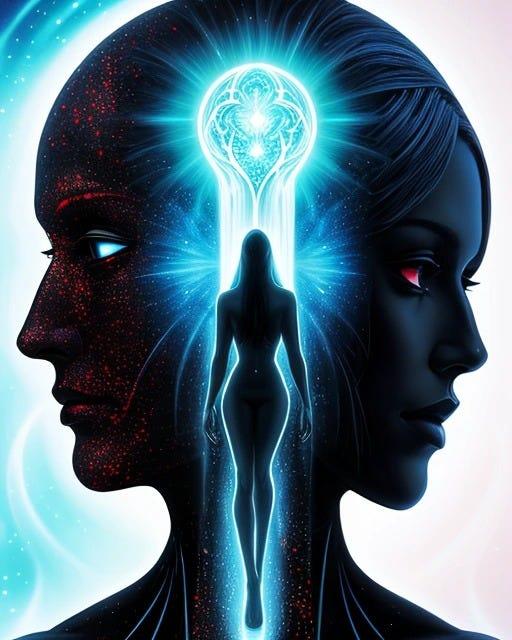
At its core, the ego is your sense of identity your “I,” your personality, and how you see yourself in the world. In psychology, ego helps you function, make decisions, and maintain a stable identity.
In spirituality, however, ego is often seen as a false self a layer of identity built from thoughts, beliefs, and external validation.
This is where confusion begins.
Because ego is not entirely bad, it becomes problematic only when it takes control.
Is Ego the Enemy or a Tool?
The truth is simple:
Ego is not the enemy. Unconscious ego is.
A healthy ego helps you:
Build confidence
Set boundaries
Navigate the world
But an uncontrolled ego leads to:
Overthinking
Anxiety
Comparison
Conflict in relationships
So instead of asking “is ego bad?”, a better question is:
“Am I controlled by my ego?”
Ego vs Self: Understanding the Difference
One of the most important distinctions in spirituality is between ego vs true self.
Ego = Identity based on thoughts, roles, and labels
True Self = Awareness beyond thoughts
For example:
If you think, “I am successful” or “I am a failure”, that’s ego.
But the awareness observing these thoughts that is your true self.
Understanding this difference reduces emotional suffering and helps you detach from mental noise.
Ego in Psychology vs Ego in Spirituality
Let’s break this down clearly:
Ego in Psychology
Part of your personality
Helps you function in society
Necessary for survival
Ego in Spirituality
Considered an illusion
Creates separation (me vs others)
Root of suffering when unchecked
Both are valid perspectives. The goal is not to destroy the ego but to balance it with awareness.
Personal Session with Sakshi Shree
Want deeper guidance on your personal journey? Book a 1:1 personal session with Sakshi Shree to: Understand your thought patterns Gain clarity in life decisions Learn how to manage ego and emotions
BOOK NowWhy Ego Is Seen as Dangerous
Many people associate ego with negativity because of its effects when it becomes dominant.
Common Ego Problems
Constant need for validation
Fear of criticism
Comparison with others
Attachment to identity
This leads to:
Ego and anxiety
Ego and overthinking
Ego in relationships conflicts
When ego dominates, your happiness depends on external factors.
Signs Your Ego Is Controlling Your Life
You might not realize it, but ego often operates subtly.
Here are some clear signs of a strong ego:
You feel triggered easily
You take things personally
You always need to be right
You compare yourself constantly
You seek validation from others
Recognizing these patterns is the first step toward change.
Can Ego Be Positive?
Yes and this is where most people get it wrong.
A healthy ego:
Builds confidence
Helps you achieve goals
Protects your self-respect
The problem is not ego itself, but attachment to ego identity.
Think of ego as a tool.
Used consciously, it empowers you.
Used unconsciously, it controls you.
Ego vs Confidence vs Self-Respect
This is an important distinction:
Ego → “I am better than others”
Confidence → “I believe in myself”
Self-respect → “I value myself without comparison”
Many people confuse ego with confidence. But true confidence does not need validation, it comes from inner stability.
How Ego Affects Your Daily Life
Ego impacts almost everything:
Ego and Mind
Creates constant thinking, judgment, and stories
Ego in Relationships
Leads to misunderstandings, arguments, and lack of empathy
Ego and Anxiety
Fear of failure, rejection, and comparison
Ego and Overthinking
Endless mental loops about past and future
Understanding this helps you see why ego feels like an “enemy.”
Ego and Spiritual Awakening
In spirituality, awakening begins when you start noticing your ego.
This is where concepts like:
Ego illusion
Ego death meaning
Higher self vs ego
come into play.
But “ego death” does not mean literally destroying your personality.
It means not identifying with it completely.
You still use ego, but you are no longer controlled by it.
How to Control Ego in Daily Life
Instead of trying to eliminate ego, focus on managing it.
Practical Ways to Reduce Ego
1. Practice Self-Awareness
Notice your thoughts without reacting
2. Pause Before Reacting
Observe emotional triggers
3. Accept Imperfection
You don’t need to be right always
4. Let Go of Comparison
Focus on your own growth
5. Practice Mindfulness
Stay present instead of overthinking
6. Ask This Question:
“Is this my ego reacting?”
This simple awareness can transform your behavior.
How to Dissolve Ego Naturally
Ego dissolves not through force, but through awareness.
Here’s how:
Meditation and observation
Journaling your thoughts
Accepting criticism without reaction
Practicing gratitude
Being present in daily activities
Over time, you will notice:Less reactivity
More clarity
Inner peace
Is Ego Necessary for Survival?
Yes, to some extent.
Without ego:
You wouldn’t have identity
You couldn’t make decisions
You wouldn’t function socially
So ego is necessary, but it should not dominate your life.
Think of ego as a servant, not the master.

The Real Truth About Ego
Let’s simplify everything:
Ego is not the enemy
Ego is part of human experience
The problem is unconscious ego
Awareness transforms ego
When you understand this, your perspective shifts completely.
Instead of fighting your ego, you observe it, understand it, and rise above it.
Design Your Destiny
If you’re ready to move beyond ego and truly understand your inner self, join the Design Your Destiny program. Learn powerful tools to gain clarity, emotional balance, and conscious living—so your mind works for you, not against you.
Start your transformation today.