

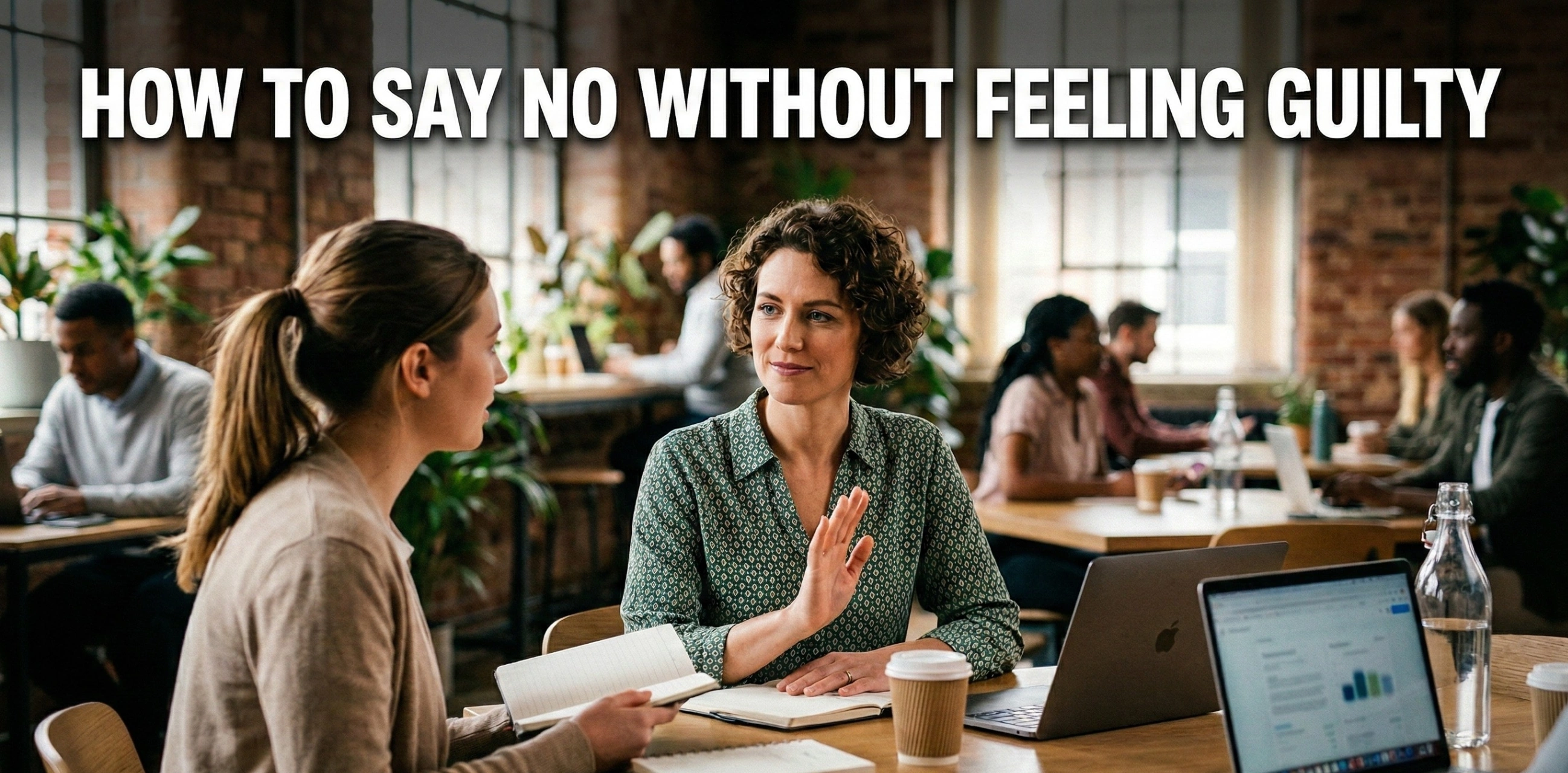
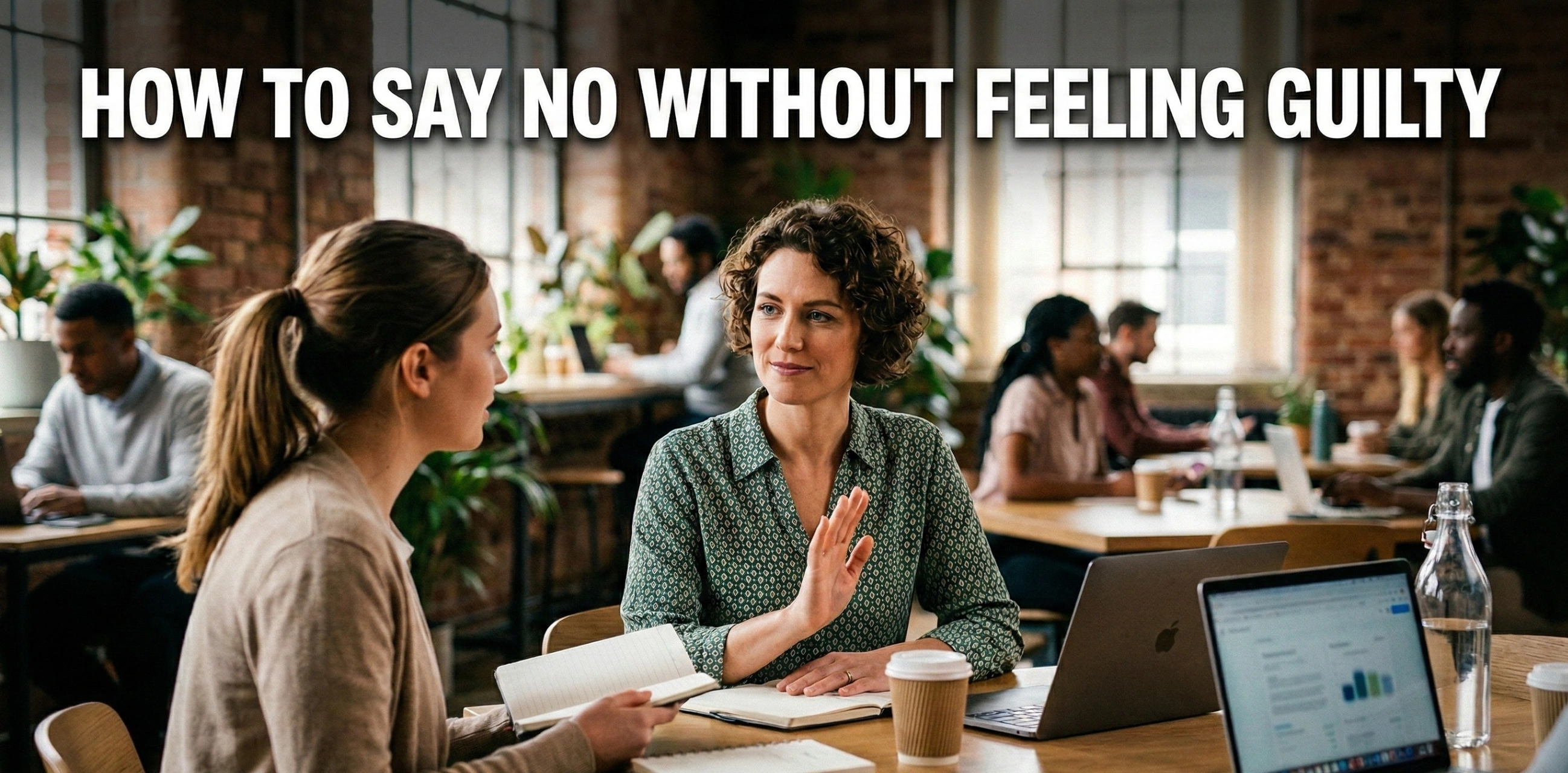
Saying no is harder than it sounds. Many of us struggle with guilt or anxiety when we refuse a request, even when it’s perfectly reasonable. Learning how to say no without feeling guilty is essential for maintaining mental health, protecting your time, and building stronger relationships. It’s not about being selfish; it’s about being assertive and honoring your own needs.
Why Saying No Feels So Hard
People often feel guilty saying no because of societal pressures, fear of disappointing others, or a habit of people-pleasing. From childhood, many of us are taught that helping others is always “good” and that refusing might make us appear rude or selfish. Over time, this can make it challenging to set personal boundaries.
When we say yes to everything, we risk burnout, stress, and resentment. On the other hand, learning to say no confidently can empower us, improve our mental health, and even strengthen relationships because people respect honesty and boundaries.
Understand the Difference Between Guilt and Responsibility
It’s important to distinguish between real responsibility and unnecessary guilt. Responsibility comes from situations you are truly accountable for, while guilt often arises from societal expectations or personal fears. Saying no does not make you a bad person; it makes you someone who values their time and energy.
Tips for Saying No Without Feeling Guilty
1. Be Clear and Direct
Avoid over-explaining or making excuses. A simple “I’m unable to take that on right now” or “I have other commitments” works. Clarity reduces confusion and prevents people from pushing back.
2. Use Polite But Firm Language
Being polite doesn’t mean being weak. Phrases like:
“Thank you for thinking of me, but I can’t commit.”
“I appreciate the offer, however, I need to focus on my priorities.”
These communicate respect while maintaining boundaries.
3. Offer Alternatives When Possible
Sometimes you can help without overextending yourself. For example:
“I can’t join this week, but I’m available next week.”
“I can’t assist with that task, but here’s someone who might help.”
This shows support without sacrificing your time.
4. Practice Assertiveness
Assertiveness is a skill, not a personality trait. Practice saying no in low-stakes situations to build confidence. The more you practice, the easier it becomes to set boundaries in high-pressure situations.
5. Understand Your Priorities
Before saying yes or no, know what matters most to you. When your choices align with your priorities, guilt naturally decreases. If a request interferes with your goals or well-being, saying no is not just acceptable; it’s necessary.
6. Recognize People-Pleasing Patterns
If you notice a habit of always saying yes, ask why. Is it fear of rejection? Desire for approval? Understanding your triggers helps you break the cycle of guilt.
7. Set Healthy Boundaries
Boundaries define your limits. You don’t have to explain every boundary; simply enforce them consistently. For example, you might not answer work emails after 7 PM or decline personal favors that drain your energy.
8. Use “I” Statements
Framing your refusal around your needs rather than the other person’s request reduces defensiveness. For example:
“I can’t take this on because I need to focus on my own projects.”
“I need some time to recharge, so I won’t be able to help today.”
9. Accept That You Cannot Please Everyone
Not everyone will be happy when you say no. That’s okay. You cannot control others’ reactions, only how you respond. Saying no with kindness and honesty is far healthier than saying yes out of guilt.
10. Reinforce Your Decisions
After saying no, remind yourself that your choice was valid. Journaling, self-reflection, or supportive affirmations can reinforce your confidence and reduce lingering guilt.
Saying No in Different Situations
At Work
Declining work requests can feel risky, especially with authority figures. Use respectful, professional language:
“I’m currently focused on Project X, so I won’t be able to take on this task.”
“I’d like to help, but my current workload won’t allow it.”
With Friends and Family
People closest to us may expect compliance. Use empathy while staying firm:
“I love spending time with you, but I need some personal time today.”
“I can’t attend, but I hope you have a great time!”
In Romantic Relationships
Healthy relationships respect personal boundaries. Communicate honestly:
“I’m not comfortable with that, and I hope you understand.”
“I need some space to focus on myself right now.”
In Social Situations
Social pressures can make saying no awkward. A simple, confident refusal works best:
“No, thank you.”
“I’ll pass this time.”
Benefits of Saying No Without Guilt
Improved mental health – Reduced stress, anxiety, and resentment.
Better focus – Time and energy go toward priorities.
Stronger relationships – Honest boundaries build respect.
Increased confidence – Reinforces self-respect and assertiveness.
Freedom from people-pleasing – You stop saying yes for approval.
Ready to take control of your life and set boundaries confidently? Enroll in our Design Your Destiny course today and learn how to say no without guilt, prioritize your goals, and build the life you deserve.
Frequently Asked Questions
How can I say no without feeling guilty?
A: To say no without guilt, be clear, polite, and assertive. Understand your priorities, set healthy boundaries, and practice saying no regularly. Avoid over-explaining and accept that you cannot please everyone. Saying no is an act of self-respect, not selfishness.What if someone gets upset when I say no?
A: Their reaction is not your responsibility. Stay calm, polite, and repeat your boundary if needed. People often respect honesty more than compliance.Can I say no at work without hurting my career?
A: Yes. Use professional, clear language and focus on your workload or priorities. Offering alternatives can help maintain positive relationships.How do I stop feeling guilty about saying no to family?
A: Remind yourself that self-care is important. Communicate with empathy, reinforce your boundaries, and recognize that saying no is healthy for everyone involved.