
Learning how to meditate properly can feel confusing in the beginning. You may sit quietly, close your eyes, try to stop your thoughts, and then wonder, “Am I doing this right?” The truth is, meditation is not about forcing the mind to become blank. It is about becoming aware, calm, and present.
Meditation is one of the simplest yet most powerful practices for inner peace, focus, and clarity. You do not need a special place, expensive tools, or hours of free time. All you need is a quiet moment, a comfortable posture, and the willingness to sit with yourself.
For beginners, meditation may seem difficult because the mind naturally wanders. Thoughts come and go. Emotions appear. The body may feel restless. But this does not mean you are failing. In fact, noticing your thoughts is the beginning of mindfulness meditation.
When practiced regularly, meditation can help you calm your mind, reduce stress, improve focus, and develop emotional balance. It can also support spiritual meditation by helping you connect with your inner self and experience deeper peace of mind.
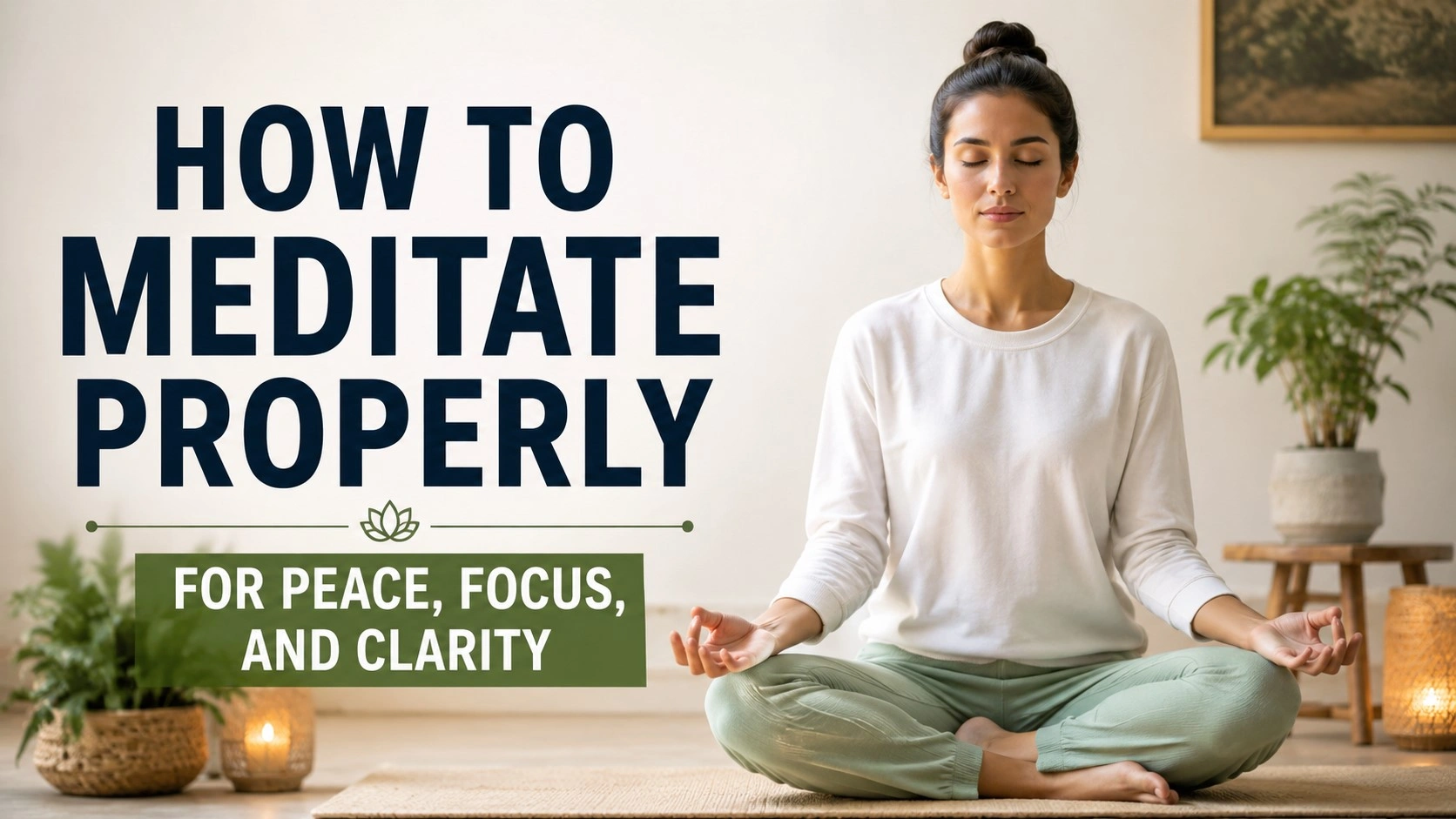
What Does It Mean to Meditate Properly?
To meditate properly means to sit with awareness, not pressure. Many people think meditation means controlling every thought or entering deep meditation instantly. But proper meditation is much gentler than that.
Meditation means observing your thoughts without getting lost in them. It means bringing your attention back whenever the mind wanders. It means allowing yourself to be present without judgment.
When you meditate properly, you do not fight with your mind. You simply watch it. If a thought comes, you notice it. If an emotion rises, you allow it. If your attention gets distracted, you gently return to your breath.
This simple act of returning again and again is the heart of meditation practice.
CTA for Design Your Destiny
Ready to bring more peace, focus, and clarity into your life? Join Design Your Destiny and learn how to understand your mind, awaken inner awareness, and create a more conscious, balanced, and meaningful life.
Start Your JourneyWhy Meditation Is Important for Inner Peace
In daily life, the mind is constantly busy. We think about work, relationships, responsibilities, the past, and the future. This continuous mental activity can create stress, anxiety, overthinking, and emotional tiredness.
Meditation for inner peace helps you pause this mental noise. It gives your mind a space to settle. Just as muddy water becomes clear when left undisturbed, the mind also becomes calm when you sit in stillness.
Inner peace does not mean life becomes perfect. It means you become more centered even when life is not perfect. You learn how to respond instead of react. You become less controlled by negative thoughts and more connected to awareness.
This is why meditation for peace of mind is not just a spiritual practice. It is also a practical tool for daily life.
How Meditation Improves Focus and Clarity
One of the biggest meditation benefits is improved focus. In today’s world, the mind is pulled in many directions. Notifications, social media, stress, and constant multitasking make it difficult to concentrate.
Meditation for focus trains your attention. Every time you bring your mind back to the breath, you strengthen your ability to concentrate. Over time, this improves mental clarity and helps you stay present in whatever you are doing.
If you often feel mentally scattered, meditation for mental clarity can help you slow down. It clears unnecessary mental clutter and allows you to see things more clearly.
This does not happen overnight, but with daily meditation, the mind gradually becomes more stable, alert, and peaceful.
How to Start Meditation as a Beginner
If you are wondering how to start meditation, begin simply. You do not need to meditate for 30 minutes on the first day. Even 5 minutes is enough for beginners.
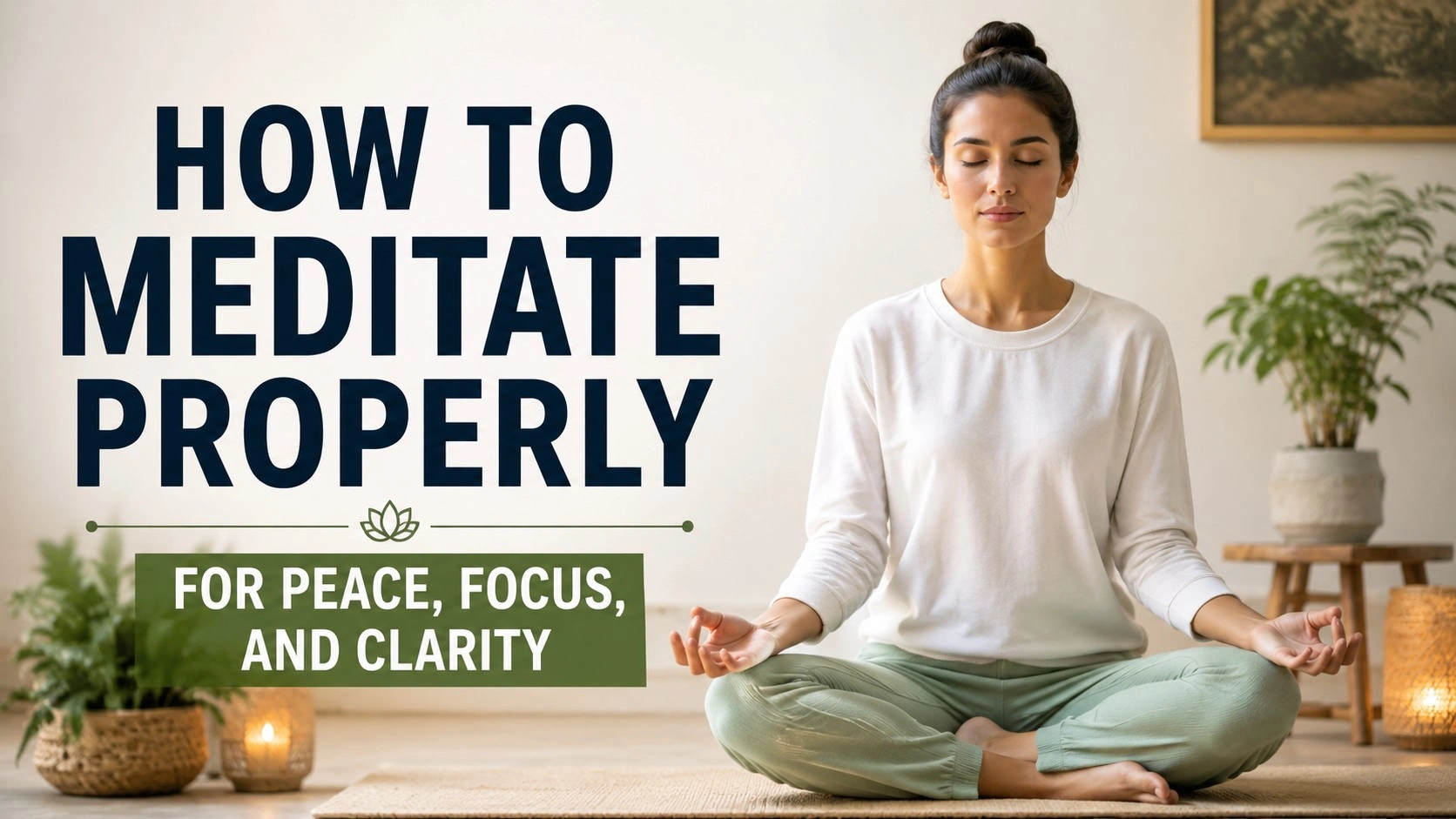
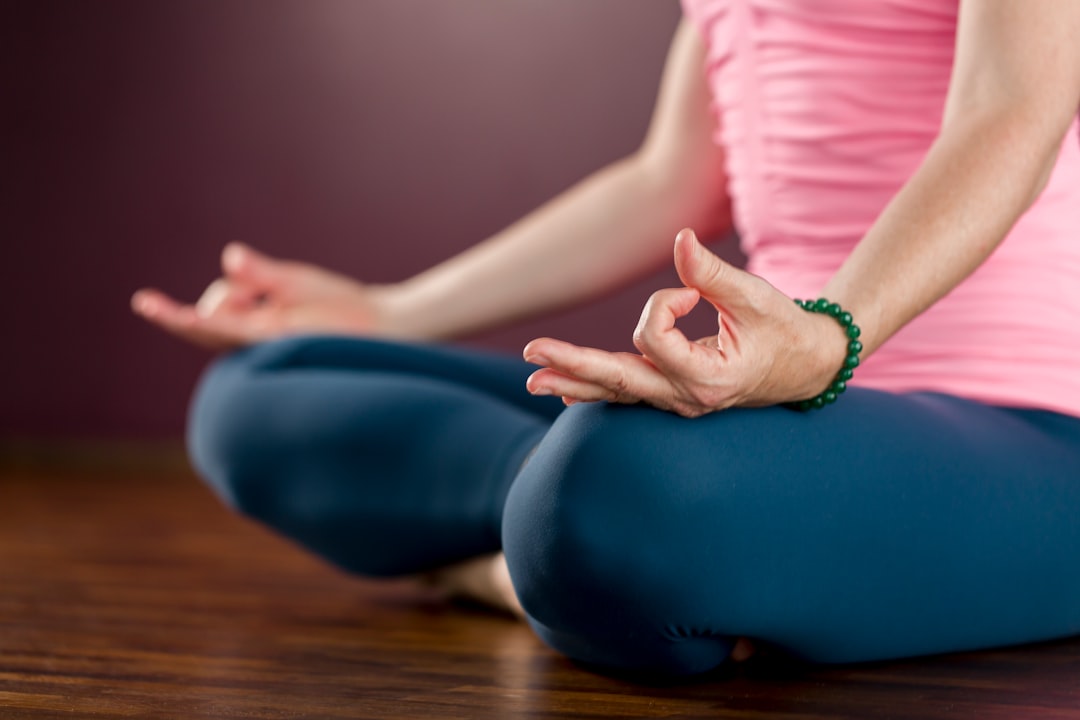
Choose a quiet place where you will not be disturbed. Sit comfortably on a chair, cushion, or mat. Keep your back straight but not stiff. Rest your hands on your knees or lap. Close your eyes gently or keep them slightly open with a soft gaze.
Now bring your attention to your breath. Notice the natural flow of inhaling and exhaling. Do not try to change it in the beginning. Just observe.
When thoughts come, do not feel irritated. Simply notice that the mind has wandered and return to your breathing meditation.
This is how to meditate properly for beginners: sit, breathe, observe, and return.
How to Sit for Meditation
Your posture plays an important role in meditation practice. However, you do not need to sit in a complicated yoga pose. The best posture is one that keeps you comfortable and alert.
Sit with your spine straight, shoulders relaxed, and face soft. Your body should not be too tense or too lazy. If you sit on a chair, keep your feet flat on the floor. If you sit on the ground, cross your legs comfortably.
The goal is not to impress anyone with your posture. The goal is to support awareness.
If your body feels uncomfortable, gently adjust your position. Proper meditation does not require suffering. A stable and relaxed posture helps the mind become calm.
How to Breathe During Meditation
Breathing meditation is one of the easiest meditation techniques for beginners. Your breath is always present, which makes it a natural anchor for the mind.
Start by noticing your natural breath. Feel the air entering and leaving your nose. Observe the rise and fall of your chest or belly. Do not force the breath.
Once you feel settled, you can breathe slightly deeper. Inhale slowly, pause gently, and exhale fully. This can help relax the nervous system and create a calm mind.
If you feel stressed or anxious, focus more on the exhale. A slow exhale helps release tension and supports stress relief meditation.
The breath is like a bridge between the body and mind. When your breathing becomes calm, your mind also begins to settle.
What to Do When Thoughts Come During Meditation
One of the most common questions beginners ask is how to stop overthinking during meditation. The answer is simple: do not try to stop thoughts forcefully.
The mind thinks. That is its nature. Meditation is not about fighting thoughts. It is about changing your relationship with them.
When a thought appears, notice it without judgment. You can silently say, “thinking,” and then return to your breath. If another thought comes, do the same.
Slowly, you will understand that you are not your thoughts. You are the awareness watching them. This self awareness brings freedom from mental noise.
Over time, negative thoughts lose their power because you stop feeding them with reaction.
Best Meditation Technique for Beginners
The best meditation technique for beginners is simple breath awareness. It is easy, natural, and effective.
Here is a simple method:
Sit comfortably. Close your eyes. Take a few deep breaths. Bring your attention to your natural breathing. Notice each inhale and exhale. When the mind wanders, gently return to the breath. Continue for 5 to 10 minutes.
This simple meditation step can be practiced every morning or evening. It helps with calmness, focus, emotional balance, and peace of mind.
You can also try guided meditation if you find it difficult to sit silently. Guided meditation gives verbal instructions and helps beginners stay focused.
Morning Meditation for a Peaceful Day
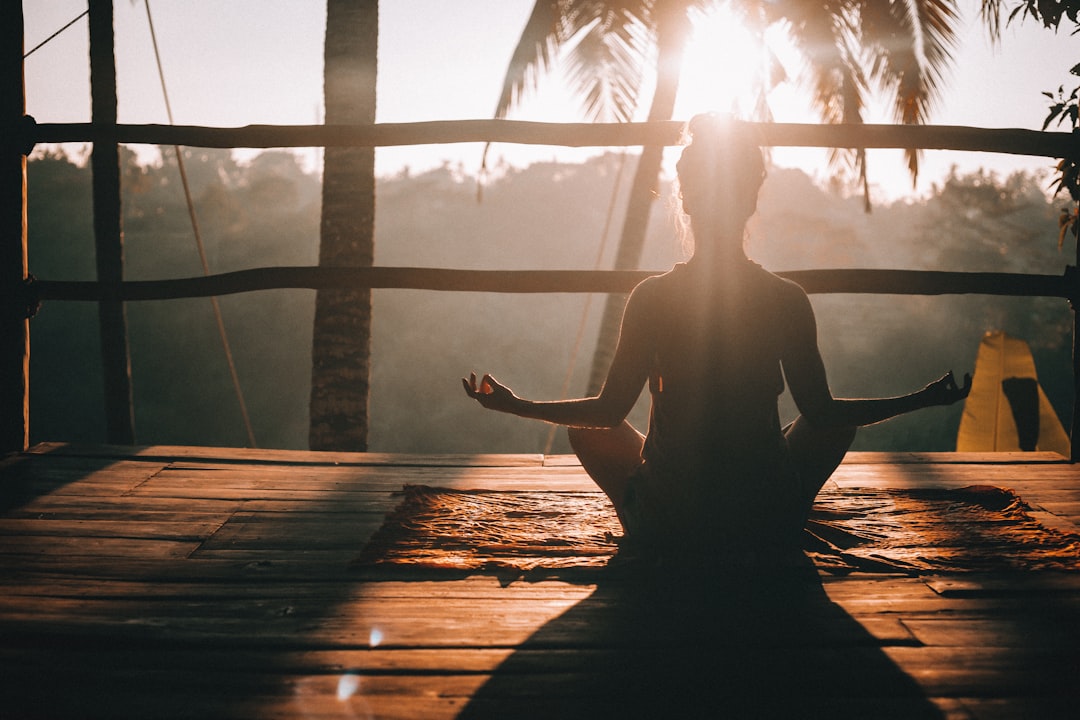
Morning meditation is a beautiful way to begin the day with clarity. Before checking your phone or starting your tasks, take a few minutes to sit quietly.
Morning meditation helps you set the tone for the day. It creates inner stillness before the world becomes busy. Even 10 minutes of mindfulness meditation in the morning can help you feel more balanced and focused.
You can begin with a simple intention such as, “Today, I choose peace,” or “Today, I will remain aware and calm.”
This small practice can make your entire day more conscious and peaceful.
Meditation for Stress and Anxiety
Meditation for stress and meditation for anxiety are helpful because they bring your attention back to the present moment. Stress often comes from thinking too much about what might happen. Anxiety grows when the mind keeps imagining future problems.
Mindfulness brings you back to now.
When you focus on your breath, body, or awareness, you gently step out of the cycle of worry. The situation may not change immediately, but your inner response becomes calmer.
Relaxation techniques such as deep breathing, body scan meditation, and guided meditation can help release physical and emotional tension.
With regular practice, meditation teaches the mind that it does not have to react to every thought.
How Long Should Beginners Meditate?
Beginners can start with 5 minutes daily. Once you become comfortable, increase it to 10 minutes, then 15 or 20 minutes.
The duration is less important than consistency. Meditating for 5 minutes every day is better than meditating for 30 minutes once a week.
Daily meditation creates a habit. It trains the mind slowly and naturally. Over time, you may feel drawn to sit longer because the practice itself becomes peaceful.
Do not rush. Meditation is not a competition. It is a journey inward.
How to Meditate at Home
Meditating at home is simple. Choose a clean and quiet corner. You may keep a cushion, mat, candle, or anything that makes the space feel peaceful. However, these are optional.
Try to meditate at the same time every day. Morning or evening works well for most people. Keep your phone away or on silent mode.
Sit comfortably, close your eyes, and begin with a few deep breaths. Let the body relax. Let the mind settle. Stay with your breath.
Your home meditation space does not need to be perfect. What matters most is your sincerity and regularity.
Spiritual Meditation and Inner Growth
Spiritual meditation goes beyond relaxation. It helps you connect with your inner self, higher awareness, and deeper purpose.
In spiritual meditation, you may focus on the breath, a mantra, divine presence, or simple awareness. The aim is not only to calm the mind but to understand who you truly are beyond thoughts and emotions.
Meditation for spiritual growth brings inner stillness. It helps you live with more compassion, patience, and clarity. It also supports conscious living because you become more aware of your actions, words, and intentions.
As meditation deepens, peace is no longer something you search for outside. It becomes something you experience within.
Common Meditation Mistakes to Avoid
Many beginners feel disappointed because they expect instant results. But meditation takes patience.
One common mistake is trying to force the mind to stop thinking. Another mistake is judging yourself when you get distracted. Some people also keep changing techniques too quickly.
The best approach is to keep it simple. Choose one practice and stay consistent.
Do not measure every session. Some days will feel peaceful. Some days will feel restless. Both are part of the journey.
Meditation is not about having a perfect experience. It is about showing up with awareness.

How to Make Meditation a Daily Habit
To make meditation a daily habit, connect it with an existing routine. For example, meditate after waking up, before sleeping, or after your morning tea.
Start small. Keep the practice easy so you do not feel resistance. Even 5 minutes counts.
You can also keep a meditation journal. After each session, write one line about how you feel. This builds self awareness and helps you notice your progress.
Most importantly, do not treat meditation as a task. Treat it as time with yourself.
When meditation becomes part of your lifestyle, peace, focus, and clarity naturally begin to grow.
Learning how to meditate properly is not about becoming perfect. It is about becoming present. It is about sitting with yourself, watching your thoughts, calming your breath, and returning to awareness again and again.
Meditation for beginners can start with just a few minutes each day. With regular practice, it can bring peace of mind, emotional balance, better focus, mental clarity, and spiritual growth.
Whether you practice mindfulness meditation, breathing meditation, guided meditation, or spiritual meditation, the essence remains the same: become aware, stay gentle, and keep returning to the present moment.
The more you meditate, the more you realize that peace is not far away. It is already within you, waiting to be noticed.
CTA for Personal Session
Need personal guidance on your meditation or spiritual journey? Book a Personal Session and receive step-by-step support to calm your mind, manage emotions, and move toward inner peace with clarity.
Book Now