
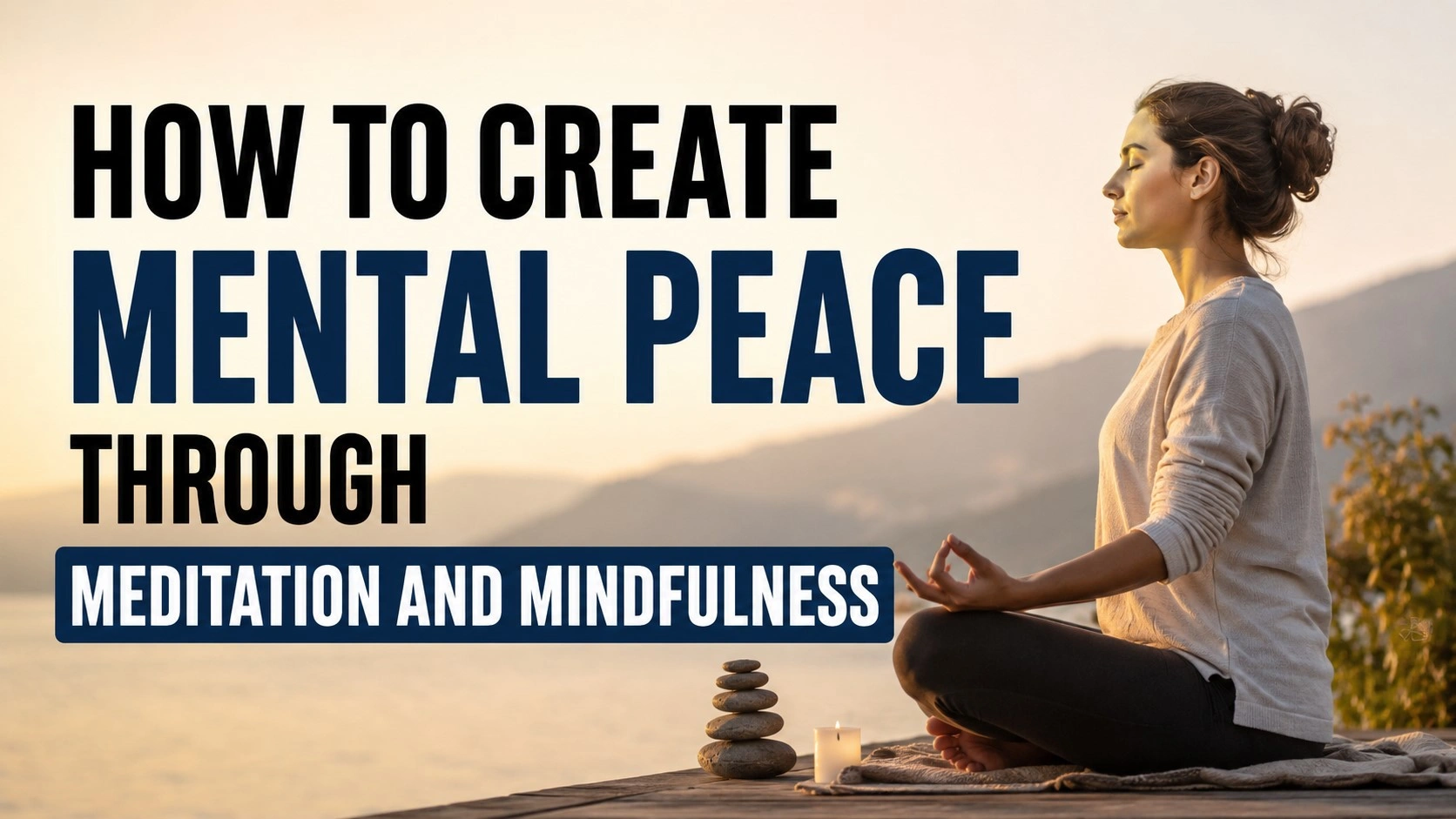
In today’s fast-moving life, mental peace often feels like something we are constantly searching for but rarely able to hold onto. The mind keeps moving from one thought to another like work pressure, family responsibilities, future worries, past regrets, emotional stress, and endless overthinking. Even when the body is resting, the mind may still feel tired.
This is where meditation and mindfulness become powerful tools. They do not remove life’s challenges, but they help you respond to them with more calmness, clarity, and emotional balance. Mental peace does not mean that your life becomes perfect. It means that even when life is uncertain, your inner world becomes more stable.
Meditation helps you slow down the mind, while mindfulness teaches you to live with awareness in the present moment. Together, they create a path toward peace of mind, inner stillness, and self-awareness.
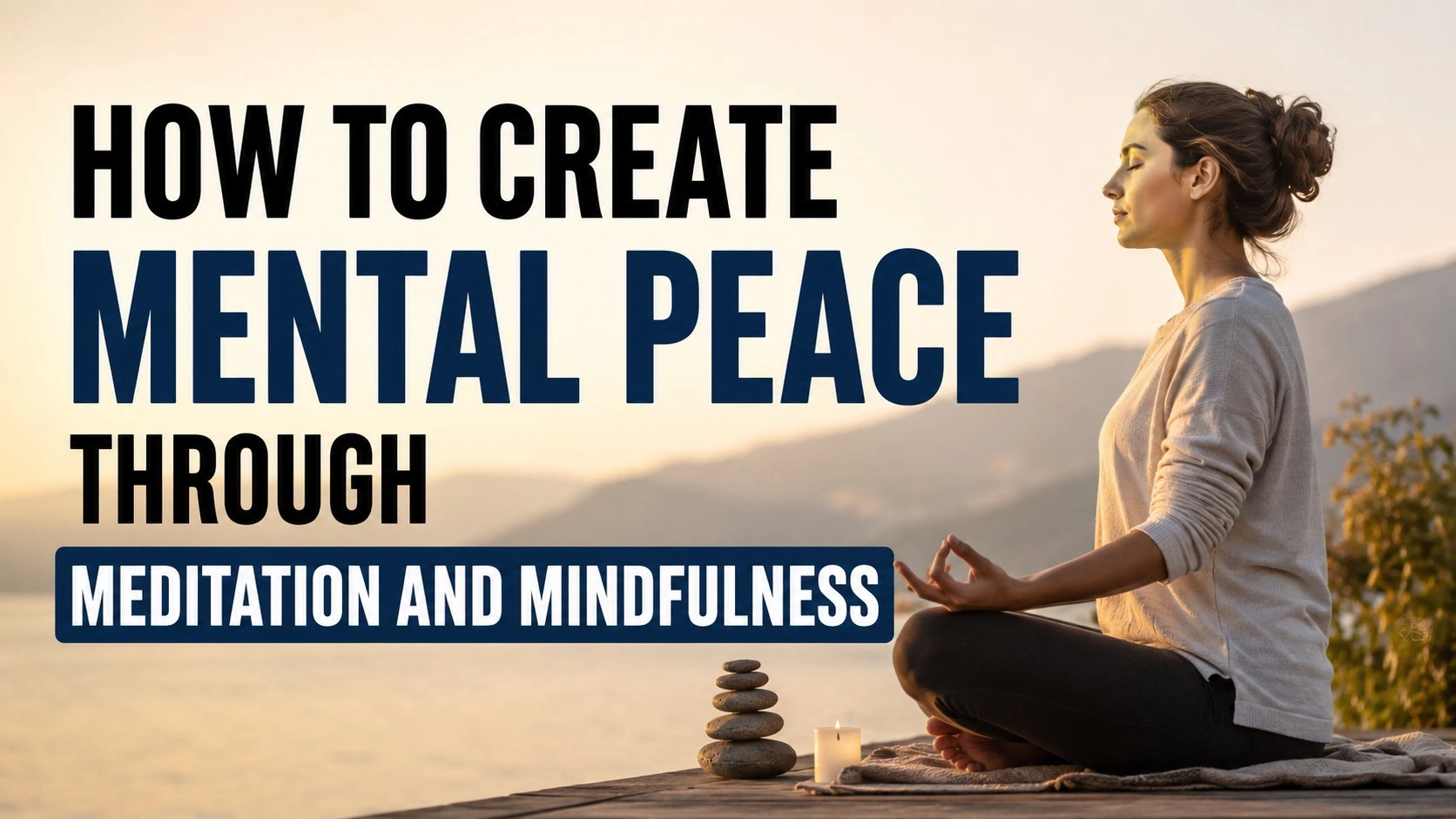
What Is Mental Peace?
Mental peace is a state of inner calm where your thoughts, emotions, and reactions no longer control you completely. It is the ability to stay centered even when situations around you are stressful.
Many people believe peace of mind comes only when all problems are solved. But in reality, problems keep changing. One concern ends, another begins. True mental peace comes when you learn how to handle your thoughts instead of being trapped by them.
Mental peace allows you to think clearly, make better decisions, sleep better, and feel emotionally balanced. It helps you stop reacting instantly and start responding consciously.
When the mind is peaceful, you feel less burdened by stress, anxiety, anger, and fear. You begin to experience life with more patience, awareness, and acceptance.
CTA for Design Your Destiny
Ready to create a peaceful, purposeful, and spiritually aligned life? Join Design Your Destiny and learn how to transform your thoughts, emotions, and actions through deeper self-awareness, meditation, and conscious living.
Start Your Journey!Why Meditation Is Important for Mental Peace
Meditation is one of the most effective practices for calming the mind. It creates a pause between you and your thoughts. Instead of running behind every thought, meditation teaches you to simply observe.
When you sit in meditation, you may notice how restless the mind is. Thoughts may come about work, relationships, worries, desires, or memories. This is normal. Meditation is not about forcing the mind to become blank. It is about watching the mind without getting disturbed by it.
With daily meditation, the mind gradually becomes quieter. You become more aware of your thoughts and emotions. You begin to understand that thoughts come and go, but you do not have to follow each one.
This awareness creates mental clarity. It helps you detach from unnecessary thinking and emotional reactions. Over time, meditation for peace becomes a natural way to create calmness from within.
What Is Mindfulness?
Mindfulness means being fully present in the current moment. It is the practice of paying attention to what you are doing, feeling, and experiencing right now.
Most of the time, the mind is either thinking about the past or worrying about the future. Mindfulness gently brings you back to the present. It helps you experience life as it is, without constantly judging, comparing, or resisting.
For example, when you are eating, mindfulness means truly tasting your food instead of scrolling on your phone. When you are walking, it means feeling your steps instead of being lost in thoughts. When you are speaking to someone, it means listening with attention instead of preparing your reply in your head.
Mindfulness practice may sound simple, but it is deeply powerful. It reduces mental noise and helps you develop peace of mind in daily life.
How Meditation and Mindfulness Work Together
Meditation and mindfulness are connected, but they are not exactly the same.
Meditation is usually a dedicated practice. You sit quietly, focus on your breath, chant a mantra, observe your thoughts, or practice guided meditation. It gives your mind a structured space to become calm.
Mindfulness is awareness in everyday life. You can practice it while walking, eating, working, speaking, or even doing household tasks.
Meditation trains the mind, and mindfulness carries that training into daily living. Meditation gives you inner stillness, and mindfulness helps you stay connected to that stillness throughout the day.
Together, they help you create mental peace, emotional balance, and conscious living.
Simple Meditation Technique for Mental Peace
If you are a beginner, you do not need a complicated method. Start with a simple meditation for beginners.
Sit comfortably in a quiet place. Keep your spine straight but relaxed. Close your eyes gently. Take a deep breath in and slowly breathe out.
Now bring your attention to your natural breathing. Do not control it too much. Just observe the breath as it enters and leaves your body.
Thoughts will come. You may get distracted. That does not mean you are doing it wrong. Whenever you notice that your mind has wandered, gently bring your attention back to your breath.
Start with five to ten minutes daily. Gradually, you can increase the time.
This simple breathing meditation helps calm your mind, reduce stress, and create mental clarity. The key is consistency. Even a few minutes of daily meditation can slowly transform your inner state.
Mindfulness Meditation for Peace of Mind
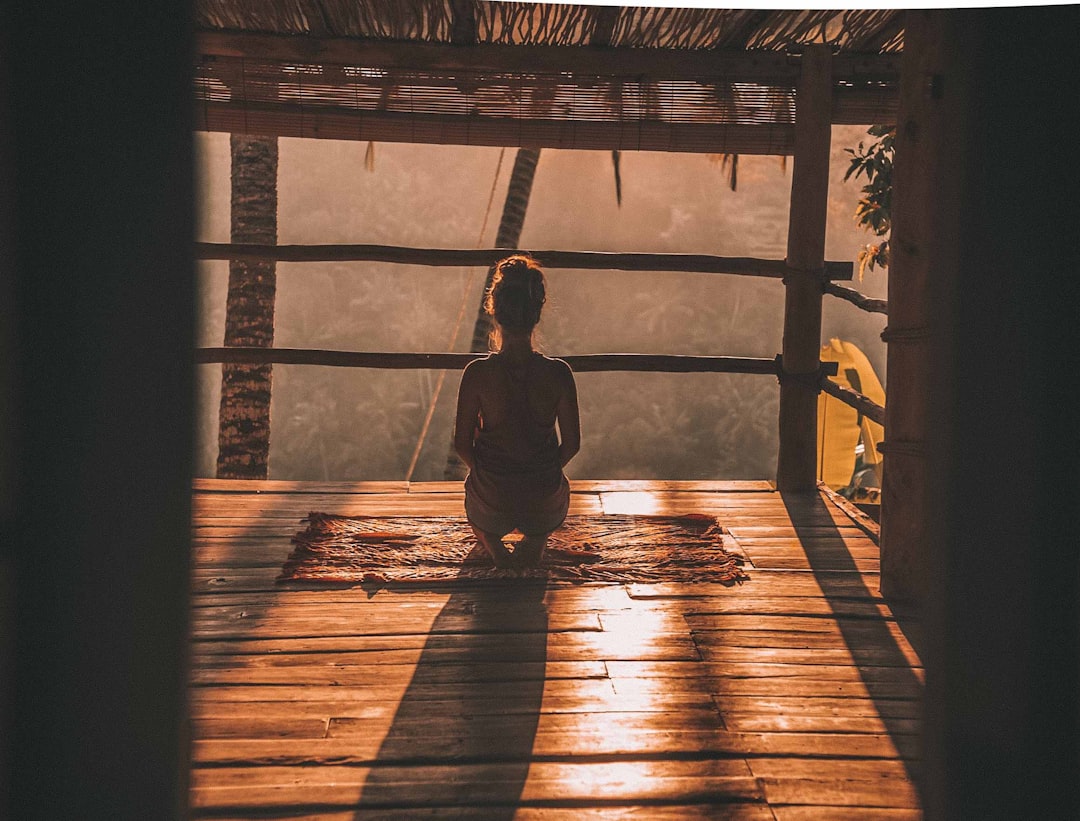
Mindfulness meditation is a beautiful practice for those who want to become more aware of their thoughts and emotions.
In this practice, you sit quietly and observe whatever arises in your mind. You do not fight thoughts. You do not judge emotions. You simply notice them.
For example, if a thought comes, you can silently say, “thinking.” If a feeling of stress comes, you can say, “stress is present.” If sadness comes, you can say, “sadness is here.”
This gentle observation helps you understand that you are not your thoughts. You are the awareness watching them.
Mindfulness meditation creates distance between you and your mental activity. This distance brings freedom. You no longer feel the need to react to every thought or emotion.
This is one of the most practical ways to create peace of mind and inner peace.
How to Stop Overthinking Through Mindfulness
Overthinking is one of the biggest obstacles to mental peace. The mind keeps repeating the same worries again and again. You may think about what went wrong, what could happen, what someone said, or what you should have done differently.
Mindfulness helps you break this cycle.
The first step is to notice that you are overthinking. Instead of becoming lost in the thought, pause and observe it. Ask yourself, “Is this thought helping me right now?” Most of the time, overthinking does not solve the problem. It only increases stress.
Then bring your attention back to the present moment. Focus on your breath, your body, or your surroundings. Feel your feet on the ground. Listen to the sounds around you. Notice what is happening right now.
This practice trains your mind to return from unnecessary thinking to present-moment awareness.
With time, mindfulness helps you stop overthinking and calm your mind naturally.
Meditation for Stress and Anxiety
Stress and anxiety often begin when the mind feels unsafe or overwhelmed. Meditation helps the nervous system slow down. It gives your body and mind a signal that you are safe in this moment.
When you practice stress relief meditation, your breathing becomes slower, your body relaxes, and your thoughts become less intense. You begin to feel grounded.
Meditation for anxiety does not mean anxiety disappears instantly. But it helps you relate to anxiety differently. Instead of fighting it, you observe it. Instead of fearing it, you breathe through it.
A simple technique is to place one hand on your heart and one hand on your stomach. Take slow, deep breaths. With every exhale, silently repeat, “I am calm,” or “I am safe.”
This gentle practice can help you develop emotional balance and mental peace.
The Role of Self-Awareness in Mental Peace
Self-awareness means understanding your own thoughts, emotions, habits, and reactions. Without self-awareness, the mind runs on autopilot. You may react with anger, fear, jealousy, or stress without understanding why.
Meditation and mindfulness increase self-awareness. They help you notice your patterns.
You may realize that certain situations trigger your anger. You may notice that you compare yourself with others. You may understand that your stress comes from trying to control everything.
Once you become aware, you can change your response.
Self-awareness gives you power over your inner world. It helps you choose peace instead of reaction, clarity instead of confusion, and acceptance instead of resistance.
Daily Mindfulness Practices for Inner Peace
You do not need to sit for hours to practice mindfulness. Small daily habits can bring great change.
Begin your morning with a few deep breaths before checking your phone. While drinking tea or water, do it slowly and with awareness. When walking, notice your steps. While working, focus on one task at a time.
Before reacting in anger, pause for a few seconds. Before sleeping, take a moment to observe your breath and release the day.
These small practices help you build a mindful life. They bring meditation out of the room and into your daily routine.
Inner peace grows when awareness becomes a part of your lifestyle.
Spiritual Meaning of Mental Peace
From a spiritual perspective, mental peace is not just the absence of stress. It is the presence of inner stillness. It is the realization that you are more than your thoughts, emotions, and outer situations.
Spiritual meditation helps you connect with your deeper self. It takes you beyond temporary worries and reminds you of your true nature.
When the mind becomes calm, you can hear your inner wisdom more clearly. You become less dependent on external validation. You begin to live with more faith, patience, and surrender.
This is why mental peace is deeply connected with spiritual growth, conscious living, and self-realization.

Benefits of Meditation and Mindfulness
The benefits of meditation and mindfulness go beyond relaxation. They affect your thoughts, emotions, relationships, and overall quality of life.
Regular practice can help you develop a calm mind, better focus, emotional balance, and mental clarity. It can reduce stress, improve patience, and help you respond more consciously in difficult situations.
Meditation also helps you become less attached to negative thoughts. Mindfulness helps you appreciate the present moment instead of constantly chasing the next thing.
Together, they create a peaceful and balanced way of living.
Common Mistakes Beginners Make
Many beginners think meditation means stopping all thoughts. This expectation creates frustration. The mind naturally thinks. Your job is not to stop thoughts forcefully, but to observe them gently.
Another mistake is expecting instant results. Mental peace develops slowly through regular practice. Some days your meditation will feel calm. Other days your mind may feel restless. Both are part of the journey.
Some people also practice only when they are stressed. But meditation works best when it becomes a daily habit, not just an emergency solution.
Be patient with yourself. Peace grows with practice.
How to Make Meditation a Daily Habit
Start small. Choose a fixed time, such as morning or before sleeping. Keep your practice simple. Even five minutes daily is better than thirty minutes once in a while.
Create a peaceful corner if possible. You can sit on a chair, cushion, or mat. Keep your phone away. Use guided meditation if you need support.
Most importantly, do not judge your practice. Just show up every day.
The more regularly you meditate, the easier it becomes to return to peace in daily life.
Creating mental peace through meditation and mindfulness is not about escaping life. It is about learning how to live with awareness, calmness, and emotional balance.
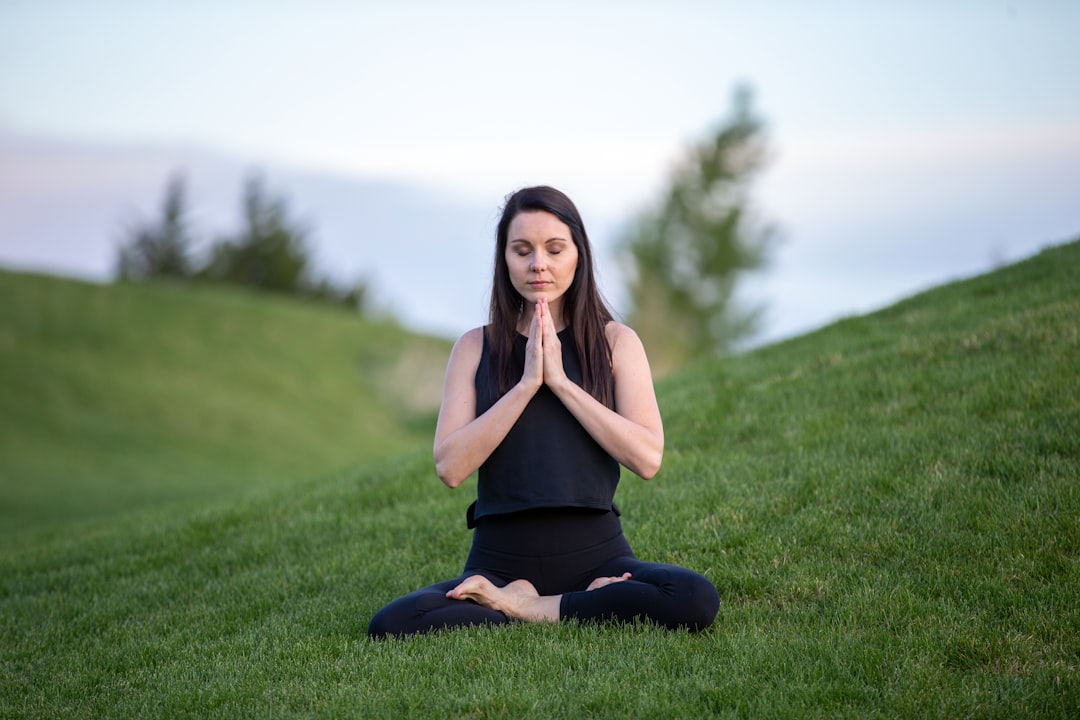
Meditation helps you slow down and observe your mind. Mindfulness helps you stay present in daily life. Together, they reduce stress, calm overthinking, and bring clarity to your thoughts.
True peace of mind does not come from controlling everything outside you. It comes from understanding what is happening within you.
When you practice daily meditation, mindful living, self-awareness, and present moment awareness, you slowly create a life rooted in inner peace. The world may remain busy, but your mind can become calm. Situations may change, but your inner stillness can remain steady.
Mental peace is not far away. It begins with one conscious breath.
CTA for Personal Session
If your mind feels restless, emotionally heavy, or full of overthinking, a personal session can help you receive guided support. Begin your journey toward clarity, inner peace, and emotional balance with personalized spiritual guidance.
Book Now