
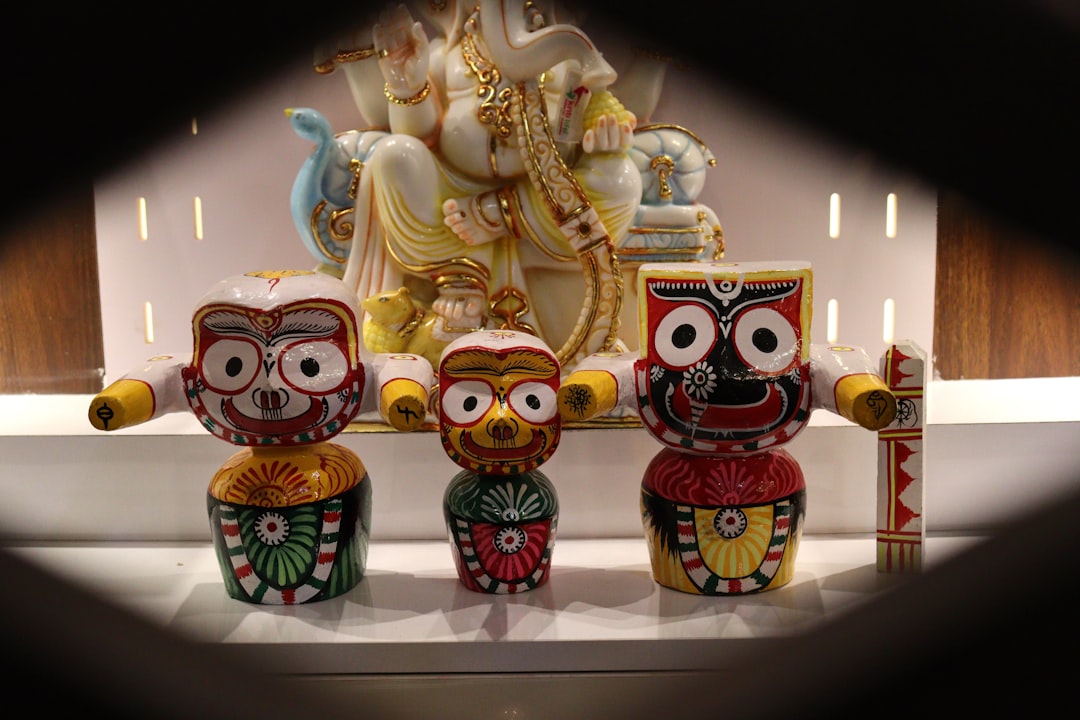
Every year, the Jagannath Rath Yatra turns Puri into a living expression of devotion, artistry, and shared faith. At the heart of the festival are the Jagannath Rath Yatra chariots: three towering wooden raths created for Lord Jagannath, Lord Balabhadra, and Goddess Subhadra. They are not permanent structures brought out from storage. Each year, they are built afresh through a carefully preserved tradition that brings together skilled craftsmanship, sacred ceremony, and temple service.
For readers following Jagannath Rath Yatra 2026, the festival is scheduled for Thursday, July 16, 2026. Yet the preparation begins well before the main procession. From the first ceremonial work on Akshaya Tritiya to the moment devotees pull the ropes along Puri’s Bada Danda, every stage carries spiritual meaning.
Why the Three Chariots Matter in Rath Yatra
Rath Yatra, also called the Festival of Chariots or Gundicha Yatra, is the annual journey in which Lord Jagannath, his elder brother Lord Balabhadra, and sister Goddess Subhadra travel from the Shree Jagannath Temple to the Gundicha Temple. The festival is observed on Ashadha Shukla Dwitiya, generally falling in June or July.
The three chariots make this journey visible. They allow the deities to come out of the temple precincts and be seen by devotees gathered on the Grand Road. In this way, Jagannath Rath Yatra is not only a temple ritual. It is a public celebration where devotion meets community, music, service, and traditional art.
Design Your Destiny
Rath Yatra reminds us that life becomes meaningful when we move with faith, humility, and purpose. Join the Design Your Destiny program to discover practical spiritual tools for clarity, self-awareness, and conscious living. Learn how to turn daily actions into a path of inner growth and create a life guided by your highest values.
Start Your Journey Today!How Rath Yatra Chariot Construction Begins
The Rath Yatra chariot construction traditionally begins on Akshaya Tritiya. This auspicious start makes the building process a ritual in itself, rather than merely a technical task. The work is carried out by hereditary groups of carpenters and artisans, with each family and service group performing a defined responsibility passed through generations.
The chariots are constructed from selected timber. Official descriptions mention woods such as phassi and dhausa, which have traditionally been sourced and brought to Puri through established practices. The work takes place in the chariot construction yard, widely known as Rath Khala Puri, where the timber is ritually consecrated before the raths begin to take shape.
This is why a Jagannath chariot is far more than a large wooden vehicle. It is a sacred structure assembled through seva, or devoted service. Carpenters, blacksmiths, painters, tailors, and temple servitors contribute specialised work, ensuring that every wheel, canopy, wooden panel, and decorative feature follows the traditional design.
The Names of the Three Chariots in Rath Yatra
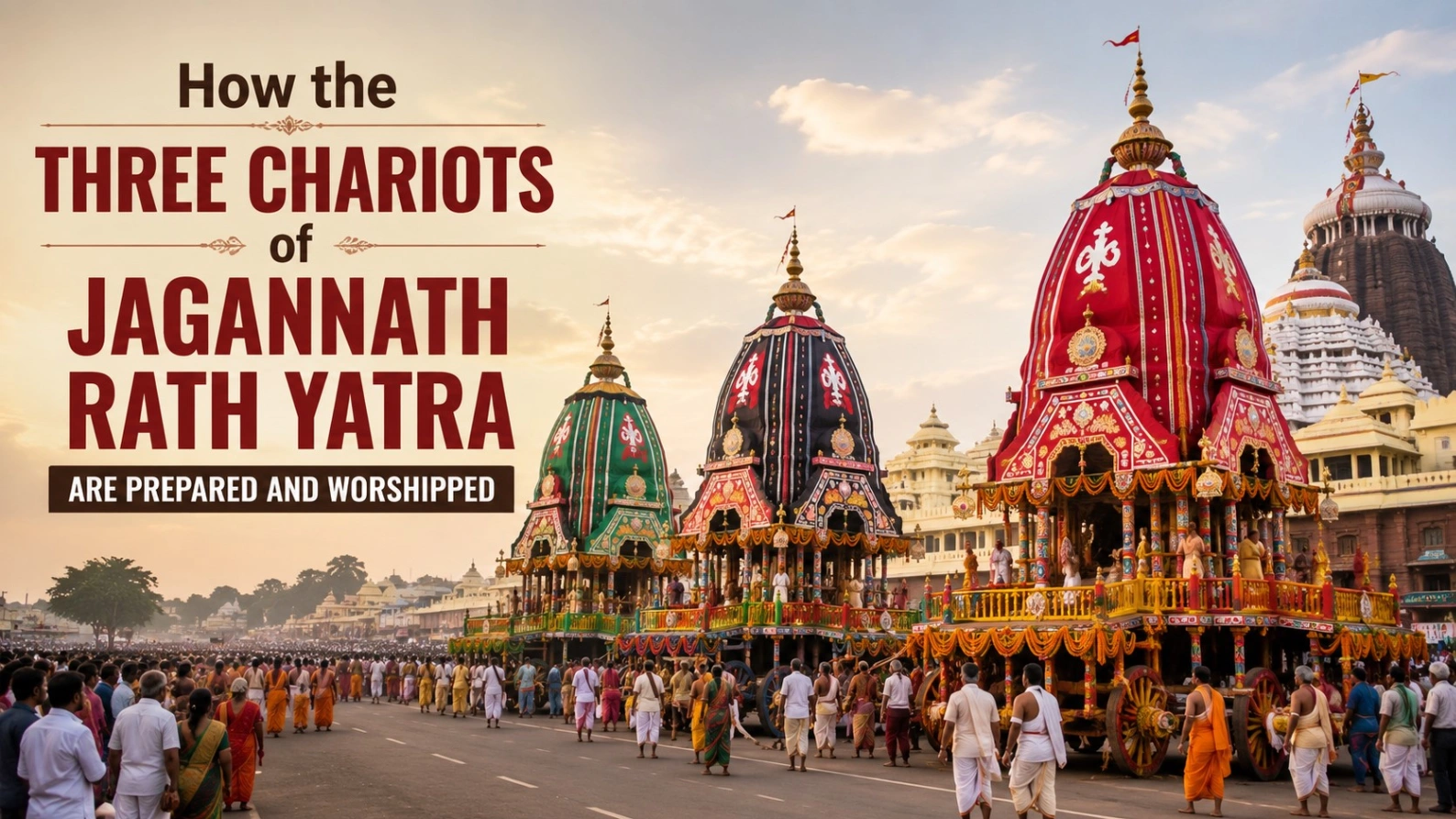
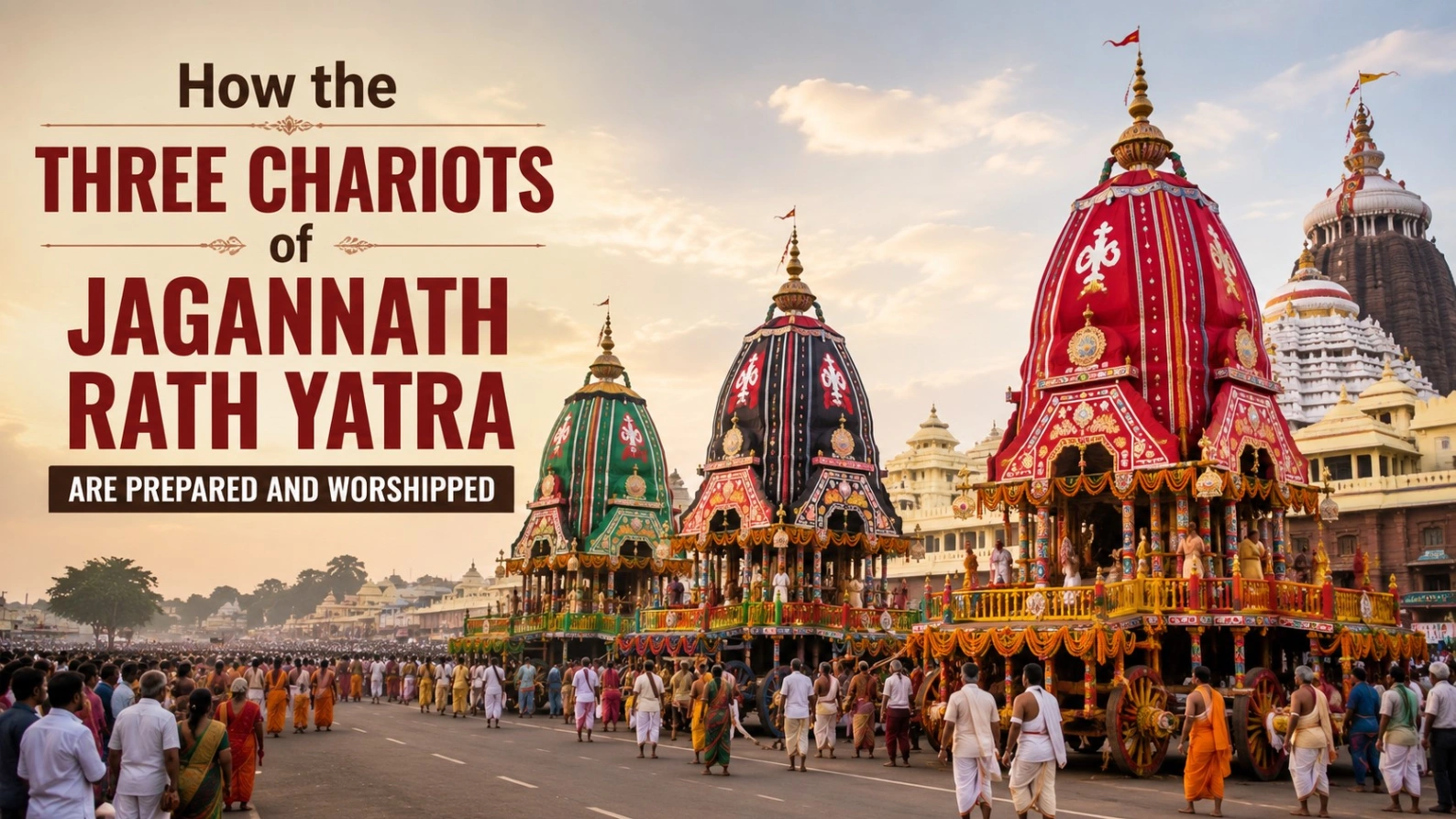
The names of the three chariots in Rath Yatra are Nandighosha, Taladhwaja, and Darpadalana. Each rath has a distinct deity, canopy colour, number of wheels, wooden horses, and sacred identity. Their visual differences help devotees immediately recognise which chariot belongs to each member of the divine sibling group.
Nandighosha Chariot of Lord Jagannath
Lord Jagannath’s chariot is called Nandighosha, also written as Nandighosa in some transliterations. It is the largest of the three, standing about 45 feet high and resting on 16 wheels. Its red-and-yellow canopy is especially recognisable. The yellow is traditionally associated with Lord Jagannath’s connection with Krishna, who is linked with golden-yellow attire.
Nandighosha is the final chariot to begin moving in the procession, after the raths of Balabhadra and Subhadra. For devotees, seeing Lord Jagannath seated upon this grand chariot is one of the most anticipated moments of Puri Rath Yatra. The chariot is also adorned with side images of attendant deities, wooden horses, and a sarathi, or charioteer, showing how every visible part of the structure carries ritual and artistic value.
Taladhwaja Chariot of Lord Balabhadra
Lord Balabhadra’s chariot is Taladhwaja, meaning the chariot with the palm tree on its flag. It stands about 44 feet high and has 14 wheels. It is covered in red and blue cloth, giving it a visual identity distinct from Nandighosha.
Taladhwaja is pulled first during the main chariot procession. Its first movement creates a powerful beginning to the public journey of the three deities. The chariot carries Lord Balabhadra, whose presence is central to the festival’s sibling symbolism. Like the other raths, Taladhwaja is completed through traditional woodwork, cloth decoration, painted images, horses, and a charioteer.
Darpadalana Chariot of Goddess Subhadra
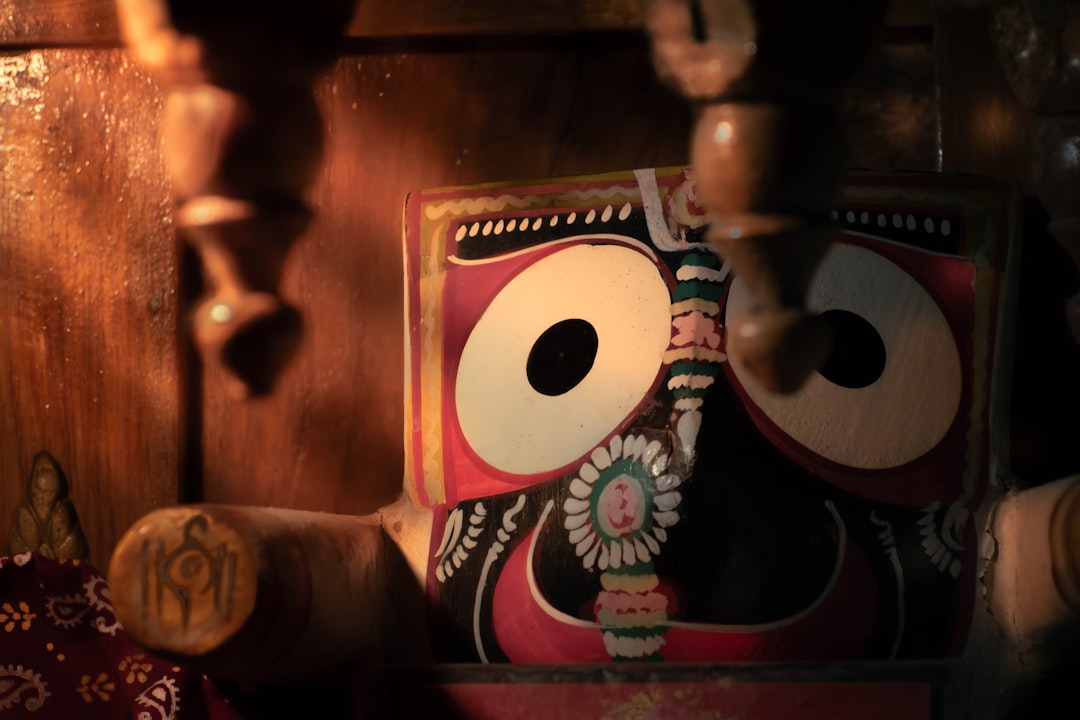
Goddess Subhadra’s chariot is Darpadalana, often searched under the spelling Darpadalan. Some traditions also refer to it as Devadalana. Its name is commonly understood as “trampler of pride.” It stands about 43 feet high and has 12 wheels. The canopy uses red and black cloth, with black traditionally associated with Shakti and the Mother Goddess.
Darpadalana is the middle chariot in the procession order. Although it is the smallest of the three, its ritual importance is equal. The chariot of Goddess Subhadra reminds devotees that Rath Yatra is not centred on one deity alone; it celebrates the sacred journey of the divine siblings together.
How the Chariots Are Decorated and Made Ready
Once the wooden framework is completed, the chariots are dressed in their distinctive canopies. Red is common to all three raths, while yellow identifies Nandighosha, blue distinguishes Taladhwaja, and black distinguishes Darpadalana. The raths also include painted wooden figures, known as Parsva Devatas, on their sides. Each chariot has four horses and a sarathi.
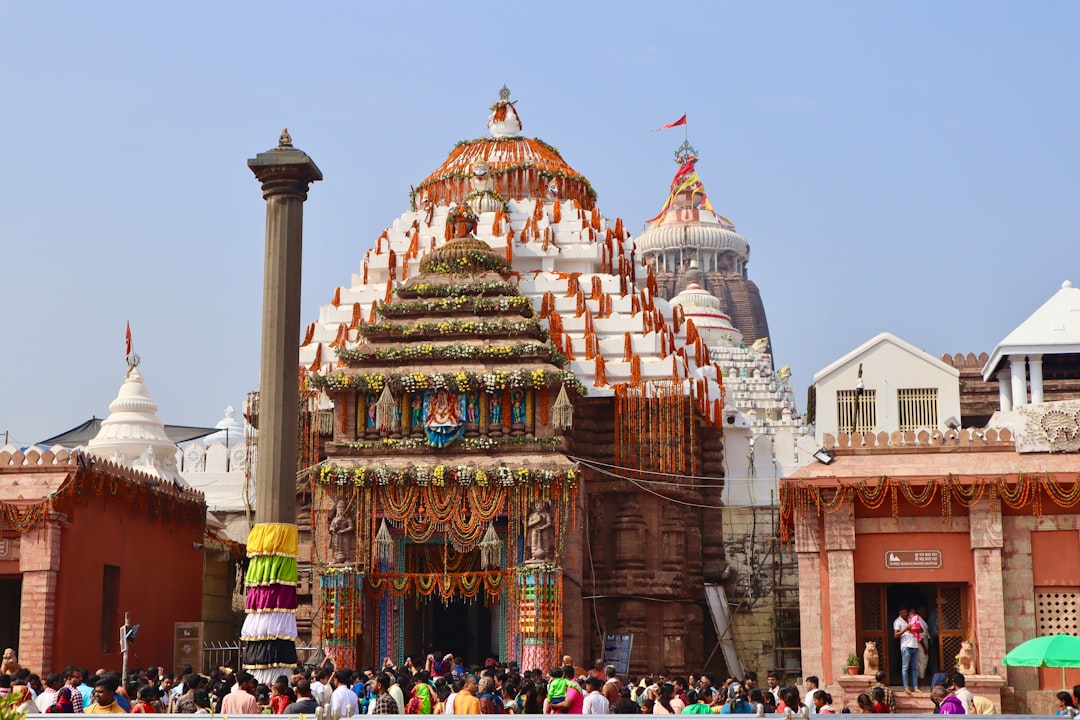
These details are not simply ornament. They create a recognisable sacred identity for every chariot and preserve the artistic language of the festival. When the three finished chariots stand on Bada Danda near the Lion’s Gate of the temple, their height, cloth canopies, wheels, and painted surfaces turn the avenue into a monumental ritual space.
How the Chariots Are Worshipped Before Rath Yatra
The preparation of the Jagannath chariot reaches its devotional peak on the day of Rath Yatra. The deities are brought out from the temple in the ritual known as Pahandi Bije. Pahandi refers to a forward, step-by-step movement. The deities are carried in a rhythmic, swaying procession, accompanied by traditional instruments such as the ghanta, kahali, and telingi baja.
In the outward Pahandi, Sudarshana is first placed on Subhadra’s chariot, followed by Lord Balabhadra, Goddess Subhadra, and finally Lord Jagannath. The procession is filled with chanting, music, and the anticipation of devotees. When the deities take their places on the raths, the chariots become the immediate focus of worship.
The Chhera Pahanra Ritual: A Lesson in Humility
One of the most meaningful Rath Yatra rituals is Chhera Pahanra. After the deities are seated on their chariots, the Gajapati Maharaja of Puri performs a ceremonial service. He offers prayers, sweeps the platforms with a golden broom, and sprinkles flowers and fragrant water.
The act has a powerful message. Even the king serves before the divine. Chhera Pahanra is remembered not merely as a royal ritual but as a public expression of humility, equality, and surrender. It is one reason people searching for “why does the King of Puri sweep the chariots” find this festival so spiritually moving.
The Journey to Gundicha Temple
After worship and Chhera Pahanra, the wooden horses and long coconut-fibre ropes are fitted to the chariots. Devotees then pull the raths by hand along Bada Danda towards the Gundicha Temple. The traditional order is Taladhwaja first, Darpadalana second, and Nandighosha last.
The outward journey is known as Gundicha Yatra. At the Gundicha Temple, the deities are worshipped through prescribed nitis, or rituals, before the return journey called Bahuda Yatra. The return is followed by further observances, including Suna Besha and Niladri Bije, completing a larger cycle of worship rather than a single-day event.
What the Three Chariots Teach Devotees
The spiritual meaning of the three chariots is deeply personal for devotees. Their annual rebuilding can be seen as a reminder of renewal: faith is not static, and service must be renewed with attention and care. Their movement through public streets expresses access and inclusion, as the deities leave the temple and become visible to vast crowds.
The chariots also reflect cooperation. No one person builds, decorates, worships, or pulls them alone. The festival works because artisans, servitors, administrators, musicians, and devotees each play a role. For many people, that shared effort is the true beauty of Jagannath Rath Yatra.
Whether you are learning about the Nandighosha chariot, the meaning of Taladhwaja, or the significance of Darpadalana, the message remains the same: devotion takes form through service. The three raths are sacred because they are made, prepared, and worshipped through collective dedication.
Personal Session
Seeking personal guidance for your spiritual journey? Book a personal session to explore the questions shaping your life, release inner blocks, and reconnect with a deeper sense of direction. Receive compassionate, practical support designed around your present challenges and your path towards peace, purpose, and personal transformation.
Book Now