
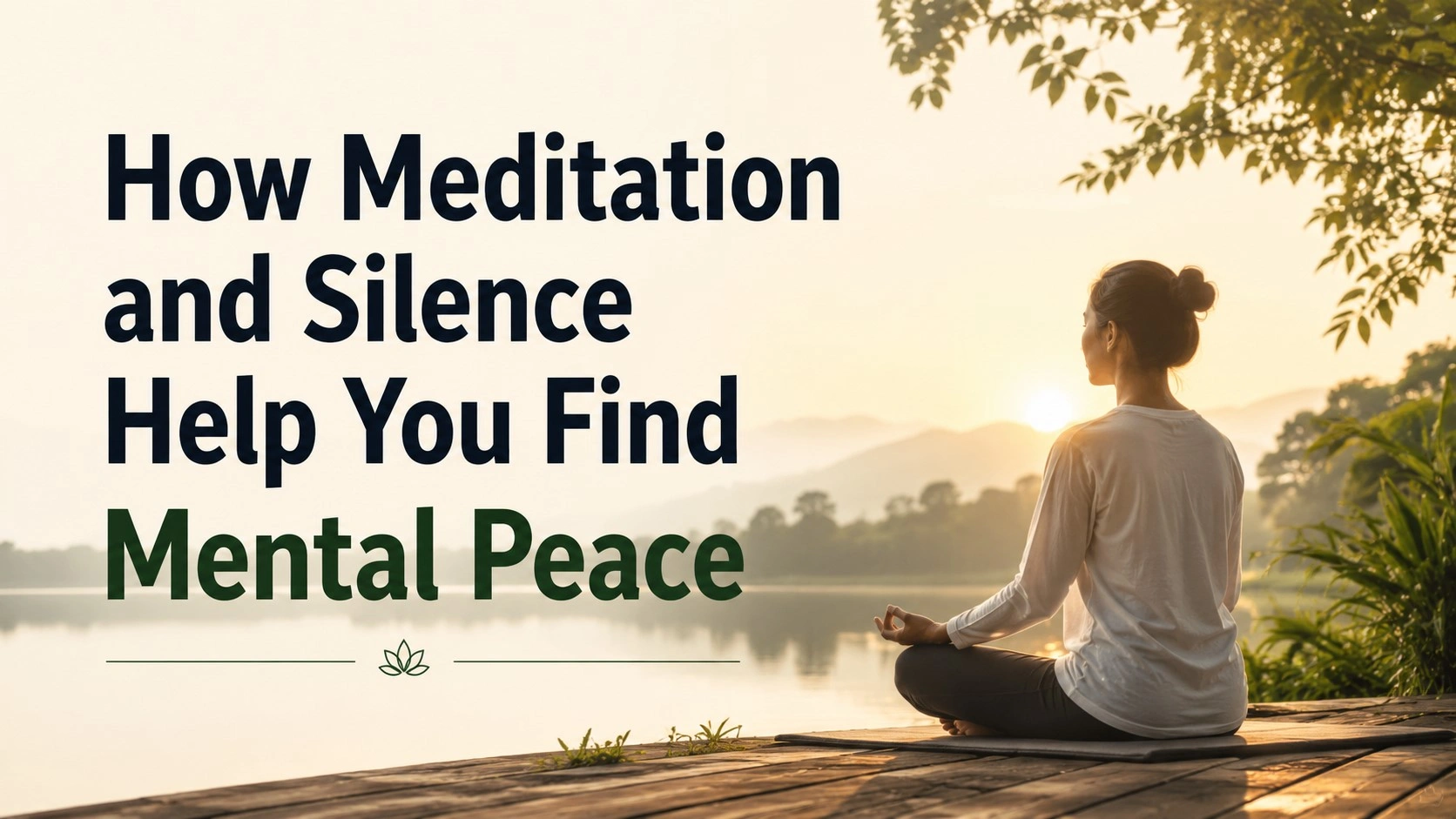
Meditation for mental peace is one of the simplest and most powerful ways to calm the mind, reduce overthinking, and return to your natural state of inner balance. In today’s fast-moving life, the mind is constantly surrounded by noise, pressure, comparison, stress, and endless thoughts. Even when the body is resting, the mind often continues to run from one worry to another. This is why many people search for peace of mind, inner peace, emotional balance, and a deeper way to feel calm from within.
Mental peace does not mean that life becomes perfect. It means that even when life is busy, uncertain, or challenging, you are able to remain centered. Meditation and silence help you create that inner space where thoughts become clearer, emotions become softer, and your connection with yourself becomes stronger.
When practiced regularly, meditation, silence, and self-awareness can slowly change the way you respond to life. Instead of reacting to every thought or situation, you begin to observe, understand, and act with calmness.
What Is Mental Peace?
Mental peace is a state of inner calm where your mind is not constantly disturbed by unnecessary thoughts, fear, stress, or emotional confusion. It is the feeling of being settled within yourself. You may still have responsibilities, work pressure, family duties, and personal goals, but your mind does not feel completely controlled by them.
Peace of mind comes when you learn to create distance between yourself and your thoughts. Many people believe that mental peace means having no thoughts at all. But that is not true. The mind will think; that is its nature. Mental peace begins when you stop getting trapped in every thought.
This is where mindfulness meditation, silent meditation, and spiritual awareness become important. They teach you how to sit with yourself, watch your thoughts, and slowly become free from inner restlessness.
CTA for Design Your Destiny
If you want to go deeper into self-awareness, inner clarity, and conscious living, join the Design Your Destiny program. It can help you understand your thoughts, emotions, and life direction with a more spiritual and practical approach. Take the next step toward a calmer, clearer, and more purposeful life with Design Your Destiny.
Start Your Journey!Why the Mind Feels Disturbed
The mind becomes disturbed when it is overloaded. Too much information, too much comparison, too many expectations, and too much emotional pressure can make the mind restless. Overthinking begins when the mind keeps repeating the same worry again and again without finding any real solution.
You may notice this during stressful moments. The body may be sitting quietly, but inside, the mind is thinking about the past, worrying about the future, or judging the present. This creates mental exhaustion.
Meditation for stress, meditation for anxiety, and breathing meditation can help because they bring your attention back to the present moment. When your awareness returns to your breath, your body, or simple silence, the mind slowly stops running in every direction.
How Meditation Helps in Mental Peace
Meditation helps in mental peace by training the mind to slow down. It gives you a pause between your thoughts and your reactions. This pause is very powerful because it allows you to respond to life with clarity instead of emotional pressure.
When you meditate, you are not fighting your thoughts. You are simply watching them. This simple act of observation builds self-awareness. Over time, you begin to understand your mental patterns. You notice which thoughts create stress, which emotions disturb you, and which habits pull you away from peace.
Daily meditation also helps you become more present. Instead of living only in memories or future worries, you begin to experience the moment in front of you. This presence brings calmness.
For beginners, meditation may feel difficult at first. The mind may wander again and again. But that is normal. The purpose of meditation is not to force the mind into silence. The purpose is to gently bring it back whenever it wanders.
The Power of Silence in Calming the Mind
Silence is not just the absence of sound. True silence is an inner state where the mind becomes less noisy. In spiritual life, silence is often seen as a doorway to self-awareness and inner peace.
The power of silence lies in its ability to reveal what is happening inside you. When you are always busy, always speaking, always scrolling, or always reacting, you may not notice your own inner state. But when you sit in silence, you begin to see your thoughts clearly.
At first, silence can feel uncomfortable because it brings hidden thoughts to the surface. But slowly, silence becomes healing. It gives your mind rest. It allows emotions to settle. It helps you reconnect with your inner awareness.
This is why spiritual silence is deeply connected with meditation. Meditation gives direction to your silence, and silence gives depth to your meditation.
Meditation and Silence for Overthinking
One of the most common reasons people seek meditation is overthinking. When the mind keeps repeating thoughts, it creates anxiety, stress, and emotional tiredness. You may think about what happened yesterday, what someone said, what could go wrong, or whether you are making the right decision.
Meditation for anxiety and overthinking helps you step back from this mental loop. Instead of becoming the thought, you become the observer of the thought. This shift may seem small, but it is life-changing.
When you observe your thoughts, you realize that every thought is not true, every fear is not a warning, and every emotion does not need immediate action. This awareness creates peace.
If you are wondering how to stop overthinking with meditation, begin with a simple breathing practice. Sit comfortably, close your eyes, and bring your attention to your breath. When thoughts come, do not fight them. Notice them and gently return to your breath. This practice teaches the mind to come back to stillness.

How to Meditate for Beginners
If you are new and wondering how to meditate, start simple. You do not need a perfect place, special clothes, or long hours. Meditation for beginners should feel natural and easy.
Sit in a quiet place. Keep your back straight but relaxed. Close your eyes gently. Take a few deep breaths. Now bring your attention to your natural breathing. Feel the breath entering and leaving your body.
Your mind will wander. That is completely okay. Whenever you notice that your mind has gone into thoughts, gently bring it back to your breath. Do this for five to ten minutes daily.
You can also try guided meditation if silent meditation feels difficult in the beginning. Guided meditation gives your mind a gentle direction and helps you relax step by step. Over time, you can move toward silent meditation and deeper self-awareness.
Morning Meditation for Mental Peace
Morning meditation is a beautiful way to begin your day with clarity. The way you start your morning often affects your entire day. If you begin your day with stress, phone notifications, rushing, and random thoughts, the mind may remain disturbed.
A short morning meditation can help you enter the day with calm energy. Even five minutes of silence in the morning can create a peaceful foundation.
Before checking your phone, sit quietly. Take a few deep breaths. Set a simple intention such as, “Today, I will remain calm and aware.” This small practice can help you carry inner peace into your work, relationships, and daily decisions.
Daily meditation practice for peace of mind works best when it becomes part of your routine. It does not have to be long. It only has to be regular.
Breathing Meditation for Inner Calm
Breathing meditation is one of the easiest ways to calm your mind through meditation. The breath is always in the present moment. When you focus on your breath, your mind naturally comes back from past and future thoughts.
To practice breathing meditation, sit comfortably and observe your breath. You do not need to control it. Simply notice the inhalation and exhalation. If your mind wanders, gently return to the breath.
This practice is helpful during stress, emotional disturbance, or mental tiredness. It creates inner calm because it brings your nervous energy down and allows your awareness to settle.
Breathing meditation is also a useful spiritual way to find mental peace because it connects the body, mind, and awareness in one simple practice.

Self-Awareness: The Key to Lasting Peace
Meditation and silence become more powerful when they lead to self-awareness. Self-awareness means knowing what is happening inside you. It means becoming conscious of your thoughts, emotions, reactions, desires, and fears.
Without self-awareness, people often live on autopilot. They react quickly, speak without thinking, carry emotional burdens, and repeat old patterns. But when awareness grows, you begin to understand yourself more deeply.
Inner awareness helps you ask important questions: Why am I disturbed? Is this thought useful? Am I reacting from fear or wisdom? What do I really need in this moment?
These questions bring clarity. And clarity brings mental peace.
Spiritual awareness goes even deeper. It reminds you that you are not just your thoughts. You are the witness of your thoughts. When this understanding becomes stronger, the mind begins to lose its unnecessary power over you.
Meditation for Emotional Balance
Mental peace and emotional balance are deeply connected. When emotions are uncontrolled, the mind becomes restless. When the mind is restless, emotions become stronger. Meditation creates balance between the two.
Meditation for emotional balance helps you observe emotions without suppressing them. If sadness comes, you notice it. If anger comes, you notice it. If fear comes, you notice it. Slowly, you understand that emotions are temporary waves. They come and go.
This understanding creates emotional healing. You stop judging yourself for feeling something. Instead, you learn to sit with your emotions in awareness. This brings softness, acceptance, and inner strength.
Spiritual healing also begins in this space. When you become silent and aware, you allow old emotional noise to settle naturally.
Does Meditation Bring Peace of Mind?
Yes, meditation can bring peace of mind when practiced with patience and consistency. It helps you slow down your thoughts, observe your emotions, and become more present. However, meditation is not a quick escape from life. It is a practice that gradually changes your relationship with your mind.
If you meditate only once and expect complete silence, you may feel disappointed. But if you practice daily, even for a few minutes, you may begin to feel more calm, aware, and emotionally balanced.
The best meditation for mental peace is the one you can practice regularly. For some people, it may be guided meditation. For others, it may be breathing meditation, silent meditation, mindfulness meditation, or spiritual meditation.

How Many Minutes Should You Meditate Daily?
If you are a beginner, start with five to ten minutes daily. This is enough to build the habit. Once you become comfortable, you can slowly increase the time to fifteen, twenty, or thirty minutes.
The quality of meditation is more important than the duration. Sitting with sincerity for five minutes is better than sitting for thirty minutes with force and frustration.
The goal is not to compete. The goal is to connect with yourself. Meditation should feel like coming home to your inner calm.
The Benefits of Silence and Meditation
The benefits of silence and meditation are not limited to relaxation. They help you understand yourself better. They support mental peace, emotional balance, mindful living, conscious living, and inner clarity.
With regular practice, you may notice that you react less, listen more, speak more consciously, and handle stress with greater patience. You may also begin to feel more connected to your inner self.
Meditation and silence do not remove all problems from life. But they change the way you face those problems. Instead of being controlled by stress, you begin to respond with awareness.
This is the real meaning of inner peace.
Simple Daily Practice for Mental Peace
You can begin with this simple practice:
Sit quietly for five minutes every morning. Close your eyes. Take slow, natural breaths. Observe your thoughts without judging them. Whenever your mind wanders, return to your breath. After a few minutes, sit in silence and feel the stillness within.
You can also repeat a peaceful thought such as, “I am calm,” “I am aware,” or “Peace begins within me.”
This simple practice can become a daily anchor. Over time, it helps you build inner calm, peace of mind, and spiritual awareness.
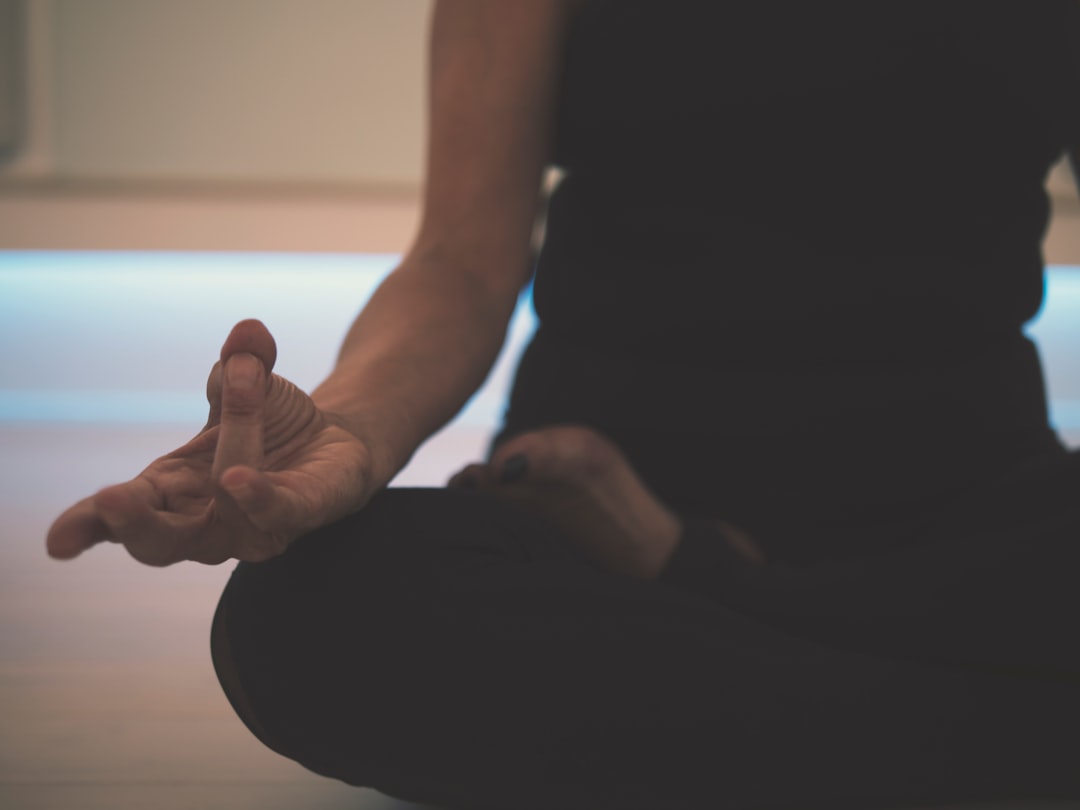
Mental peace is not found by running away from life. It is found by returning to yourself. Meditation and silence help you do exactly that. They teach you to slow down, observe your thoughts, understand your emotions, and reconnect with your inner awareness.
When you practice meditation for mental peace, you begin to realize that peace was never outside you. It was always within you, waiting beneath the noise of the mind.
Start small. Sit silently. Breathe deeply. Watch your thoughts. Let awareness grow.
With time, meditation, silence, and self-awareness can become your path to inner peace, emotional balance, and a calmer life.
CTA for Personal Session
If you are struggling with overthinking, emotional stress, or confusion in life, a personal session can help you receive deeper guidance and clarity. Book a personal session today and begin your journey toward mental peace, self-awareness, and inner balance.
Book Now