

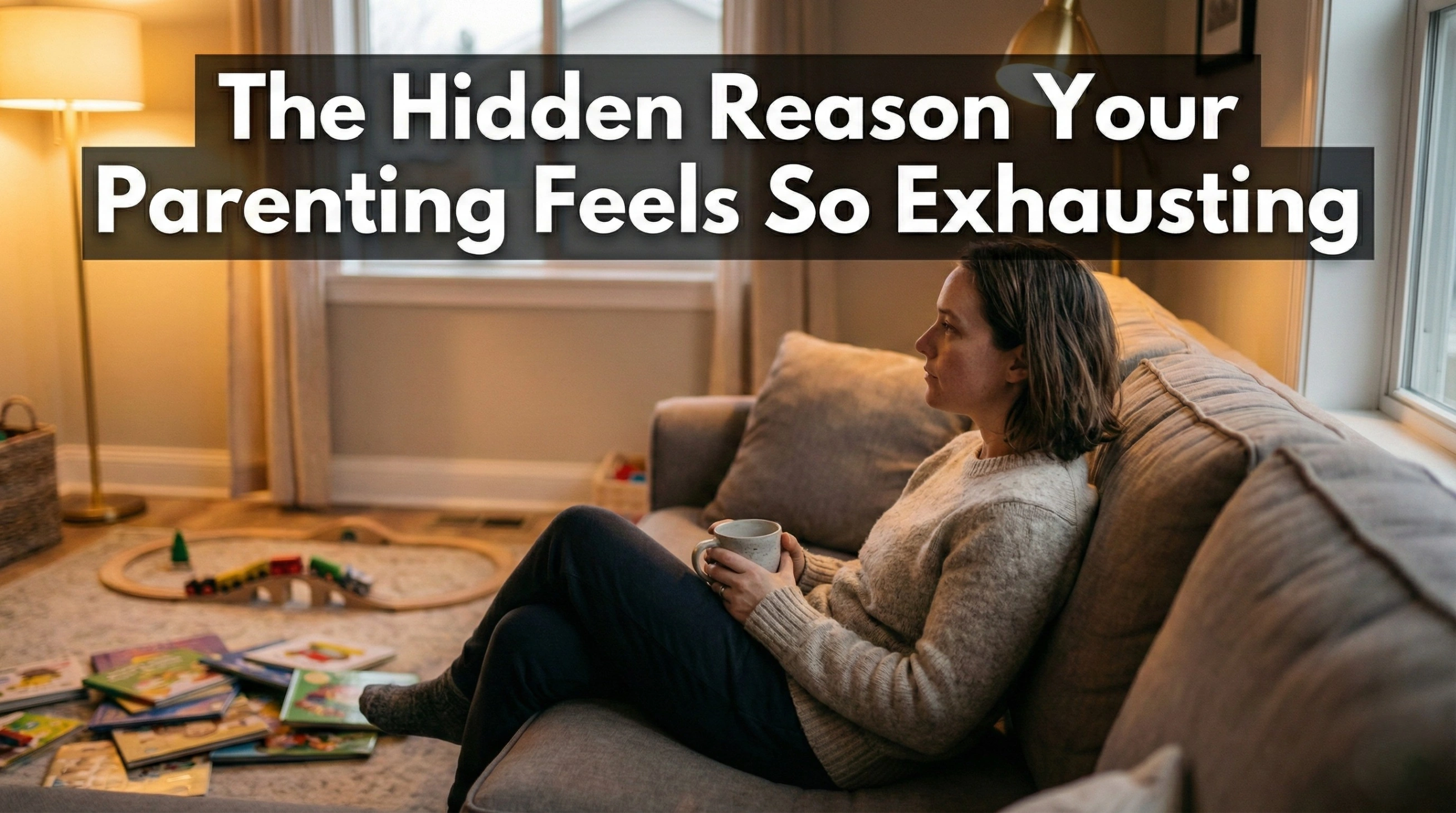
Parenting is often described as rewarding, meaningful, and full of love but many parents quietly carry a different truth. You wake up tired, move through the day exhausted, and go to bed wondering why parenting feels so draining even when you love your children deeply. This ongoing fatigue isn’t a personal failure. In most cases, it’s parenting burnout, a state of emotional and mental exhaustion that builds slowly over time.
Unlike normal tiredness, parenting burnout doesn’t disappear after one good night’s sleep. It lingers. It shows up as constant irritability, emotional numbness, guilt, and the feeling that you’re running on empty. Many exhausted parents assume this is just “how parenting is,” but there is a hidden reason why parenting feels so exhausting—and understanding it can change everything.
Why Parenting Feels More Exhausting Than Ever
Parenting has always required energy, but today’s parents face a unique kind of pressure. You’re expected to be emotionally available, patient, productive, nurturing, and present while also managing work, finances, relationships, and personal growth. The mental load never really stops.
This constant demand creates mental exhaustion in parents, especially when there’s little space to rest emotionally. Even moments of quiet are often filled with planning, worrying, or self-criticism. Over time, this relentless mental activity leads to parenting fatigue that feels overwhelming.
The problem isn’t that you’re doing something wrong. The problem is that parenting has become emotionally overloaded without enough support or recovery.

The Hidden Cause Behind Parenting Burnout
The hidden cause of parenting exhaustion isn’t just lack of sleep or too many responsibilities. It’s emotional overextension without emotional replenishment.
Many parents give endlessly to their children, family, work, and expectations while neglecting their own emotional needs. You may be physically present but emotionally drained, constantly regulating your child’s emotions while suppressing your own. This imbalance is at the heart of emotional exhaustion parenting.
When your emotional cup stays empty for too long, burnout becomes inevitable.
Signs of Parenting Burnout You Might Be Ignoring
Parental burnout symptoms often appear quietly, making them easy to dismiss. You might notice:
Feeling tired of parenting even after rest
Emotional numbness or detachment
Increased irritability or impatience
Guilt for not enjoying parenting “enough”
Feeling overwhelmed by small tasks
Loss of joy in daily interactions
These signs don’t mean you’re a bad parent. They’re signals that your system is overloaded and needs care.
Why Exhausted Parents Feel So Alone
One of the hardest parts of parenting burnout is isolation. Parenting burnout no one talks about creates the illusion that everyone else is coping better than you. Social media amplifies this by showcasing curated moments of happy families and effortless parenting.
In reality, many overwhelmed parents are silently struggling. They feel ashamed for being tired of parenting and worry that admitting exhaustion means they’re ungrateful. This silence deepens burnout and delays healing.
Parenting Stress vs. Parenting Burnout
It’s important to distinguish between everyday parenting stress and burnout. Stress is temporary and often tied to specific situations. Parenting burnout, however, is chronic. It doesn’t resolve easily and affects how you think, feel, and respond.
When stress becomes constant without recovery, it transforms into burnout. This is why even “easy days” can feel heavy when you’re emotionally depleted.
The Mental Health Impact of Parenting Exhaustion
Parenting exhaustion mental health effects are real and significant. Chronic exhaustion can increase anxiety, lower mood, reduce patience, and make emotional regulation difficult. Parents may feel disconnected from themselves and their children, which creates more guilt and stress; a cycle that reinforces burnout.
Acknowledging this impact is not weakness. It’s an act of self-awareness and responsibility.

Why “Pushing Through” Makes It Worse
Many parents cope by pushing harder. They tell themselves to be stronger, more disciplined, more positive. Unfortunately, this approach often worsens burnout.
Burnout isn’t cured by effort; it’s healed by rest, awareness, and emotional support. Ignoring exhaustion only teaches your nervous system that there’s no safe place to recover.
How Mindful and Conscious Parenting Help Reduce Burnout
Mindful parenting offers a different approach. Instead of focusing on perfection, it emphasizes presence, self-compassion, and emotional awareness. Conscious parenting invites you to notice your inner state, not just your child’s behavior.
These approaches reduce burnout by helping parents slow down mentally, respond instead of react, and reconnect with their own needs. Joyful parenting doesn’t mean constant happiness; it means creating emotional balance for both parent and child.
Small Shifts That Make Parenting Feel Lighter
If you’re wondering how to feel less exhausted as a parent, start with small, realistic changes:
Allow yourself to rest without guilt
Lower unrealistic expectations
Ask for help without apology
Create brief daily moments of emotional reset
Practice self-compassion during hard moments
These shifts don’t remove responsibility but they restore energy.
How to Deal With Parenting Burnout in Real Life
Healing parenting burnout isn’t about dramatic changes. It’s about consistent emotional nourishment. Begin by acknowledging your exhaustion without judgment. Then, identify where your energy is leaking; constant self-criticism, over-responsibility, lack of boundaries.
Replacing these patterns with mindful awareness and gentle structure helps rebuild emotional resilience over time.
Reclaiming Joy Without Pressure
Joyful parenting doesn’t come from forcing positivity. It emerges naturally when exhaustion decreases. As emotional energy returns, patience grows, connection deepens, and small moments feel meaningful again.
Joy is not something you add; it’s something that returns when burnout is addressed.
You’re Not Failing— You’re Overloaded
If parenting feels exhausting, it doesn’t mean you’re incapable. It means you’ve been carrying too much for too long without enough support. Parenting burnout is not a personal flaw; it’s a human response to chronic emotional demand.
Recognizing this truth is the first step toward relief.